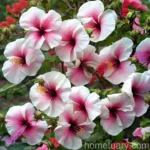
Plant Scientist Blog: Unraveling the Captivating World of Hardy Hibiscus ‘Robert Fleming’
In the realm of ornamental plants, the Hardy Hibiscus ‘Robert Fleming’ stands as a magnificent specimen renowned for its vibrant foliage and stunning flowers. As a plant scientist, I am enthralled by the beauty and versatility of this hibiscus variety, and I am delighted to delve into its intricacies in this comprehensive guide.
What is Hardy Hibiscus ‘Robert Fleming’
The Hibiscus moscheutos ‘Robert Fleming’, commonly known as Hardy Hibiscus, is a deciduous perennial plant that belongs to the mallow family (Malvaceae). This stunning cultivar is renowned for its large, showy flowers and impressive stature, making it a sought-after addition to gardens and landscapes.
Key Takeaways – Hibiscus moscheutos ‘Robert Fleming’
Before we embark on an in-depth exploration of this charming hibiscus variety, let’s outline the key takeaways that we will explore in this comprehensive guide.
Characteristics of Hardy Hibiscus ‘Robert Fleming’
– Overview of its distinctive features and growth habits.
Growing Tips for Hibiscus moscheutos ‘Robert Fleming’
– Best practices for cultivating and caring for this cultivar.
‘Robert Fleming’ Hibiscus in Garden Design
– Insights into the versatile applications of this hibiscus variety in garden landscaping.
Common Issues with Hibiscus moscheutos ‘Robert Fleming’
– Understanding potential challenges and effective troubleshooting techniques.
Propagating ‘Robert Fleming’ Hardy Hibiscus
– Techniques for propagating and expanding your hibiscus collection.
Enhancing Outdoor Spaces with Hibiscus moscheutos ‘Robert Fleming’
– Creative ways to incorporate this cultivar into your outdoor environment.
By unpacking these key takeaways, we will unravel the allure of Hardy Hibiscus ‘Robert Fleming’ and gain valuable insights into its cultivation, maintenance, and diverse applications.
Culture
The culture of Hibiscus moscheutos ‘Robert Fleming’ encompasses various elements that contribute to its overall well-being and growth. Understanding its cultural requirements is essential for fostering a thriving and resplendent plant.
Uses
The Hardy Hibiscus ‘Robert Fleming’ is a versatile plant that lends itself to a spectrum of uses, enhancing outdoor spaces and captivating the beholder. Here are some notable applications of this cultivar:
- Ornamental Beauty: The large, showy flowers of Hibiscus moscheutos ‘Robert Fleming’ make it a stunning focal point in gardens and landscapes, adding an enchanting touch to any setting.
- Garden Landscaping: With its striking blooms and impressive height, this hibiscus variety can be employed to create visually captivating borders, vibrant mixed plantings, and as an eye-catching feature in garden designs.
- Pollinator Attraction: The nectar-rich flowers of the Hardy Hibiscus ‘Robert Fleming’ have a magnetic allure for pollinators, making it a valuable addition for supporting biodiversity in outdoor spaces.
- Seasonal Interest: Its vibrant blooms bring a burst of color and vitality to outdoor environments, especially during the summer months, contributing to the seasonal interest of the landscape.
Water
Proper watering practices are crucial for the optimal growth and vigor of Hibiscus moscheutos ‘Robert Fleming’. As a general guideline, it is essential to ensure adequate moisture levels while avoiding waterlogged conditions. Here are key considerations for watering this hibiscus variety:
- Established Plants: Once established, Hibiscus moscheutos ‘Robert Fleming’ displays good drought tolerance. However, regular watering during prolonged dry spells is beneficial, particularly for promoting robust flowering and overall health.
- Consistent Moisture: While the plant can tolerate short periods of dryness, consistent moisture is conducive to its best performance, especially during the active growing season and flowering period.
- Avoid Waterlogging: Preventing waterlogging is imperative, as excessive moisture around the root zone can lead to issues such as root rot and other detrimental conditions.
Understanding the water requirements of Hibiscus moscheutos ‘Robert Fleming’ is integral to maintaining an optimal growing environment and ensuring the longevity of this captivating cultivar.
Sunlight
As with many flowering plants, sunlight plays a pivotal role in the growth and blooming patterns of Hibiscus moscheutos ‘Robert Fleming’. Providing the appropriate light conditions is essential for harnessing its full ornamental potential. Here are essential considerations regarding sunlight requirements:
- Full Sun to Partial Shade: The Hardy Hibiscus ‘Robert Fleming’ thrives in a location with ample sunlight, characterized by at least 6-8 hours of direct sun exposure per day. However, it can also tolerate partial shade, particularly in regions with intense or scorching sunlight.
- Morning Sun: When selecting a planting site, prioritizing morning sunlight exposure is advantageous, as this promotes robust growth and encourages prolific flowering.
- Protect from Harsh Afternoon Sun: In hotter climates, providing some protection from intense afternoon sun can prevent stress and wilting, especially during the peak of summer.
Fertilizer
Strategic fertilization practices are instrumental in nourishing Hibiscus moscheutos ‘Robert Fleming’ and supporting its overall vitality and flowering prowess. Understanding the appropriate fertilization regimen is essential for harnessing its ornamental potential. Here are key considerations for fertilizing this hibiscus variety:
- Balanced Fertilizer: Utilize a balanced, slow-release fertilizer specifically formulated for flowering plants. Applying a high-phosphorus fertilizer, such as a 10-10-10 blend, can promote robust flowering and vibrant blooms.
- Application Timing: Commence fertilization in early spring as new growth emerges, and continue at regular intervals throughout the growing season, ceasing application by midsummer to avoid stimulating late-season growth that may be vulnerable to potential frost damage.
- Avoid Excessive Nitrogen: While nitrogen is essential for foliage development, excessive nitrogen can detract from flowering and may result in lush foliage at the expense of prolific blooms.
Implementing a tailored fertilization regimen for Hibiscus moscheutos ‘Robert Fleming’ is fundamental for bolstering its ornamental appeal and ensuring its sustained vigor.
Soil
The selection of an appropriate planting medium is pivotal in providing an optimal foundation for Hibiscus moscheutos ‘Robert Fleming’ to thrive. Understanding its soil preferences is crucial for establishing a conducive growing environment for this captivating cultivar. Here are vital considerations for the soil requirements of this hibiscus variety:
- Rich, Well-Draining Soil: Hibiscus moscheutos ‘Robert Fleming’ thrives in fertile, loamy soil that offers a well-draining structure to prevent waterlogging and maintain adequate moisture levels. Amending the soil with organic matter, such as compost or well-rotted manure, enhances its fertility and texture.
- pH Level: A slightly acidic to neutral soil pH ranging from 6.0 to 6.8 is conducive to the optimal growth and performance of this hibiscus variety. Testing the soil pH and making necessary adjustments is advisable, particularly in regions with alkaline soil conditions.
- Moisture Retention: While well-draining soil is essential, it should also possess adequate moisture retention capacity to sustain consistent hydration levels, especially during the hotter months.
By ensuring that Hibiscus moscheutos ‘Robert Fleming’ is planted in a suitable soil medium, we can establish an environment that nurtures its robust growth and ensures its longevity as an ornamental centerpiece.
Pruning
Pruning is an integral aspect of the maintenance regimen for Hibiscus moscheutos ‘Robert Fleming’, playing a crucial role in shaping its growth, encouraging prolific flowering, and ensuring its overall health. Here are key considerations for pruning this hibiscus variety:
- Early Spring Pruning: Conduct comprehensive pruning in early spring to remove any dead, damaged, or overwintered growth, promoting the emergence of vigorous new shoots and facilitating a tidy, rejuvenated appearance.
- Deadheading: Regular deadheading of spent flowers is beneficial, fostering continuous blooming and preventing the plant from expending energy on seed production, subsequently redirecting its resources towards generating new blooms.
- Selective Pruning for Form: Undertake selective pruning to shape the plant and maintain an appealing form, particularly in instances where the growth becomes unruly or requires containment within a specific area of the garden.
By incorporating targeted pruning practices into the care routine of Hibiscus moscheutos ‘Robert Fleming’, we can optimize its aesthetic appeal, encourage prolific blooming, and ensure its overall robustness.
Propagation
The propagation of Hibiscus moscheutos ‘Robert Fleming’ offers an opportunity to expand your hibiscus collection and share the allure of this captivating cultivar with fellow gardening enthusiasts. Here are key considerations for propagating this hibiscus variety:
- Division: Propagation via division involves separating and replanting the rhizomes of an established plant. Conduct division in early spring, ensuring that each division possesses a viable portion of the root system and at least one viable shoot for future growth.
- Softwood Cuttings: Utilize softwood cuttings to propagate Hibiscus moscheutos ‘Robert Fleming’ during the active growing season. Select healthy, non-flowering shoots, and prepare cuttings with a length of 4-6 inches, subsequently planting them in a well-draining propagation medium.
- Seed Propagation: While this method is feasible, it is important to note that seed-grown plants may exhibit natural variation compared to the parent plant. Collect mature seeds from the previous season’s blooms and sow them in a suitable seed-starting mix, ensuring adequate warmth and moisture for successful germination.
Embracing the techniques for propagating Hibiscus moscheutos ‘Robert Fleming’ fosters the expansion of this captivating cultivar and enables enthusiasts to share its beauty with a wider audience.
Container Popularity
The allure of Hibiscus moscheutos ‘Robert Fleming’ extends to container gardening, offering a vibrant and visually captivating addition to outdoor spaces, patios, and balconies. Here are key considerations for utilizing this hibiscus variety in containers:
- Container Selection: Opt for a spacious container with adequate drainage holes, facilitating proper water management and root aeration. A container with a diameter of at least 18-24 inches is recommended to accommodate the robust growth and expansive root system of Hibiscus moscheutos ‘Robert Fleming’.
- Quality Soil Mix: Utilize a high-quality, well-draining potting mix enriched with organic matter to provide a fertile and supportive growing medium for the hibiscus plant.
- Regular Monitoring: Container-grown Hibiscus moscheutos ‘Robert Fleming’ necessitates regular monitoring of soil moisture levels and watering as needed to prevent drought stress and maintain optimal growth conditions.
By embracing container gardening with Hibiscus moscheutos ‘Robert Fleming’, enthusiasts can elevate their outdoor spaces with the captivating presence of this hibiscus variety, even in areas with limited garden space.
Common Diseases
Hibiscus moscheutos ‘Robert Fleming’ is generally resilient but may be susceptible to certain diseases that can impact its vigor and ornamental appeal. Familiarizing ourselves with common diseases is crucial for timely intervention and effective management. Here are some prevalent diseases that may affect this hibiscus variety:
- Leaf Spot: This fungal disease manifests as dark spots on the foliage, potentially leading to defoliation and diminished plant health. Implementing proper sanitation and avoiding overhead watering can help manage this issue.
- Powdery Mildew: Characterized by a powdery white coating on the leaves, powdery mildew can hinder the photosynthetic capacity of the plant. Ensuring proper air circulation and employing fungicidal treatments can mitigate its impact.
Understanding the symptoms and management strategies for these common diseases empowers plant enthusiasts to safeguard the health and vitality of Hibiscus moscheutos ‘Robert Fleming’.
Disease Diagnosis
When encountering signs of distress or abnormalities in Hibiscus moscheutos ‘Robert Fleming’, accurately diagnosing potential diseases is instrumental in administering appropriate treatment. Here are key steps for diagnosing diseases in this hibiscus variety:
- Symptom Assessment: Conduct a comprehensive examination of the plant, noting any visible symptoms such as leaf discoloration, wilting, or unusual powdery coatings.
- Disease Identification: Utilize resources such as reputable gardening guides or seek guidance from horticultural professionals to identify potential diseases based on observed symptoms.
- Diagnostic Assistance: In instances of uncertainty, consider seeking assistance from local agricultural extension services or plant clinics to obtain professional diagnostic support for accurate disease identification.
By adeptly diagnosing potential diseases in Hibiscus moscheutos ‘Robert Fleming’, plant enthusiasts can implement targeted remedies and preserve the health and ornamental allure of this captivating cultivar.
Common Pests
While Hibiscus moscheutos ‘Robert Fleming’ exhibits resilience, it may occasionally encounter insect pests that can compromise its vigor and ornamental appeal. Familiarizing ourselves with common pests is vital for implementing timely and effective pest management strategies. Here are some prevalent pests that may affect this hibiscus variety:
- Aphids: These small, sap-sucking insects can colonize the foliage and buds of Hibiscus moscheutos ‘Robert Fleming’, potentially causing distorted growth and diminished flowering. Encouraging natural predators and employing insecticidal soaps can help control aphid populations.
- Japanese Beetles: These voracious feeders can defoliate the foliage of the hibiscus plant, necessitating prompt intervention through physical removal and application of targeted insecticides.
By identifying and addressing potential pest infestations in a timely manner, plant enthusiasts can safeguard the resplendence and vitality of Hibiscus moscheutos ‘Robert Fleming’.
Botanist’s Tips
As a practicing plant scientist, I am pleased to offer valuable insights and expert tips for cultivating, maintaining, and celebrating the captivating allure of Hibiscus moscheutos ‘Robert Fleming’:
- Regular Monitoring: Engage in vigilant observation of the plant, noting any deviations from its normal growth patterns, and promptly address any emerging issues to maintain its overall health and vitality.
- Watering Consistency: Establish a consistent watering routine, ensuring adequate moisture levels while averting waterlogged conditions that can compromise the root health of Hibiscus moscheutos ‘Robert Fleming’.
- Optimal Site Selection: Prioritize a planting site with ample sunlight exposure and fertile, well-draining soil to provide an ideal environment for the robust growth and resplendent blooming of this hibiscus variety.
By incorporating these botanist’s tips into your care regimen for Hibiscus moscheutos ‘Robert Fleming’, you can optimize its ornamental potential and relish its captivating allure in your outdoor space.
Fun Facts
Uncovering intriguing facts about Hibiscus moscheutos ‘Robert Fleming’ adds a layer of fascination to its already captivating persona. Here are some delightful facts that celebrate the charm and allure of this hibiscus variety:
- Native Species: Hibiscus moscheutos, the species from which ‘Robert Fleming’ originates, is indigenous to wetlands and marshy areas of North America, particularly the southeastern regions.
- Large Flowers: The blooms of Hibiscus moscheutos ‘Robert Fleming’ can reach impressive sizes, often spanning up to 12 inches in diameter, showcasing their commanding presence in gardens and landscapes.
- Hybrid Origin: ‘Robert Fleming’ is a carefully selected hybrid variety developed to exhibit enhanced vigor, robustness, and captivating ornamental attributes, making it a prized addition to horticultural collections.
These enchanting facts offer a deeper appreciation for the natural marvel and botanical allure of Hibiscus moscheutos ‘Robert Fleming’.
Links to External Resources
To further enrich your understanding and appreciation of Hibiscus moscheutos ‘Robert Fleming’, I have curated a selection of reputable external resources that offer valuable insights into its cultivation, maintenance, and ornamental applications:
- American Meadows – Hardy Hibiscus – https://www.americanmeadows.com/perennials/hibiscus
- The Spruce – Growing Hardy Hibiscus – https://www.thespruce.com/growing-hardy-hibiscus-1403400
- Missouri Botanical Garden – Hibiscus moscheutos – http://www.missouribotanicalgarden.org/PlantFinder/PlantFinderDetails.aspx?kempercode=a982
These resources serve as valuable references, offering comprehensive insights and practical guidance for embracing the allure and ornamental splendor of Hibiscus moscheutos ‘Robert Fleming’ in your outdoor spaces.
In conclusion, the captivating splendor of Hibiscus moscheutos ‘Robert Fleming’ unveils a world of horticultural fascination and ornamental allure, enriching outdoor spaces and captivating the beholder with its resplendent blooms and commanding presence. By embracing the cultivation and care of this captivating hibiscus variety, plant enthusiasts can delight in its blooms, celebrate its resplendence, and relish its enduring allure in gardens and landscapes.
I trust that this comprehensive guide has provided illuminating insights and practical guidance for embracing the captivating allure of Hibiscus moscheutos ‘Robert Fleming’ in outdoor environments. May it foster a deeper appreciation for the natural marvels and ornamental marvels that enrich our botanical world.
Whether in vibrant garden landscapes or adorning containers on patios, the allure of Hibiscus moscheutos ‘Robert Fleming’ stands as a testament to the captivating beauty and enduring charm of ornamental horticulture. Embrace its resplendence, celebrate its vitality, and relish the botanical allure it bestows upon our outdoor spaces.