Hardy Hibiscus (Hibiscus ‘Kopper King’): A Comprehensive Guide
Introduction to Hardy Hibiscus
Hardy hibiscus, scientifically known as Hibiscus, is a beautiful and vibrant perennial plant that belongs to the Malvaceae family. It is a popular choice among gardeners due to its large, showy flowers that come in a variety of colors. One of the most sought-after cultivars is Hibiscus ‘Kopper King’, which is renowned for its stunning coppery foliage and large, attractive blooms.
In this comprehensive guide, we will delve into the various aspects of cultivating and caring for hardy hibiscus, with a specific focus on Hibiscus ‘Kopper King’. From its cultural requirements to propagation techniques, from pest management to intriguing facts about this plant, we will cover it all.
Key Takeaways
Before we explore the specifics of Hibiscus ‘Kopper King’, here are a few key takeaways about caring for hardy hibiscus in general:
- Hardy Hibiscus Varieties: There are numerous varieties of hardy hibiscus, each with its unique characteristics and growing requirements.
- Planting Tips: Understanding the optimal conditions for planting and growing hardy hibiscus is crucial for its successful cultivation.
- Pruning: Regular and appropriate pruning is essential for maintaining the health and aesthetics of the plant.
- Water and Sunlight: Adequate water and sunlight are pivotal for the thriving of hardy hibiscus.
- Soil and Fertilizer: The right soil type and fertilization routine play a significant role in the overall health and blooming of the plant.
- Propagation and Container Gardening: Possessing knowledge about propagation methods and the suitability of container gardening for hardy hibiscus can be advantageous for gardeners.
- Pest and Disease Management: Recognizing and addressing common pests and diseases in a timely manner is crucial for preserving the health of the plant.
- Fun Facts: Learning about interesting and unique aspects of hardy hibiscus can enhance the gardening experience.
Now, let’s venture into the world of Hibiscus ‘Kopper King’ and unravel the secrets to nurturing and enjoying this stunning variety of hardy hibiscus.
Plant Name: Hardy Hibiscus (Hibiscus ‘Kopper King’)
Scientific Classification
- Kingdom: Plantae
- Order: Malvales
- Family: Malvaceae
- Genus: Hibiscus
- Species: Hibiscus moscheutos ‘Kopper King’

Description
- Size: Hibiscus ‘Kopper King’ is known for its large, showy flowers that can measure up to 12 inches in diameter. The plant itself can reach a height of 3-4 feet and a spread of 2-3 feet, making it a striking presence in any garden or landscape.
- Foliage: One of the distinguishing features of Hibiscus ‘Kopper King’ is its copper-colored foliage, which provides a stunning contrast to its bright blooms.
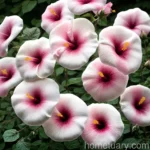
- Flowers: The flowers of Hibiscus ‘Kopper King’ are known for their vibrant colors, with shades ranging from pink to red, and often featuring a contrasting red eye at the center.
- Blooming Season: This variety typically blooms from mid to late summer, adding a burst of color to the landscape during the warmer months.
Hardiness Zone
Hibiscus ‘Kopper King’ is known to thrive in USDA hardiness zones 4-9. It exhibits excellent resilience to colder temperatures, making it suitable for a wide range of climates.
Now that we have acquainted ourselves with the basic characteristics of Hibiscus ‘Kopper King’, let’s delve into the specific care and cultivation requirements for this stunning variety.
Culture
Uses
Hibiscus ‘Kopper King’ serves as a versatile and visually appealing addition to various settings. Its uses include:
– Garden Borders: The plant’s large size and vibrant flowers make it an ideal choice for creating stunning borders in garden beds.
– Containers: The striking appearance of Hibiscus ‘Kopper King’ makes it an excellent choice for container gardening, adding a focal point to patios and outdoor spaces.
– Landscaping: Due to its visually striking and vibrant features, Hibiscus ‘Kopper King’ serves as an eye-catching element in landscape designs, creating focal points and adding visual interest to the surroundings.
Water
- Requirements: Adequate moisture is essential for the health and growth of Hibiscus ‘Kopper King’. While the plant requires consistently moist soil, it is crucial to avoid waterlogged conditions, which can lead to root rot.
- Watering Schedule: The plant should be watered regularly, particularly during periods of extended dryness. A thorough watering once a week is generally sufficient, but adjustments may be needed based on local weather conditions.
Sunlight
- Exposure: Hibiscus ‘Kopper King’ thrives in full sunlight, requiring at least 6-8 hours of direct sunlight daily for optimal growth and blooming.
- Shade Tolerance: While it prefers full sun, Hibiscus ‘Kopper King’ can tolerate partial shade, especially in hotter regions where some protection from intense afternoon sun can be beneficial.
Fertilizer
- Requirements: Hibiscus ‘Kopper King’ benefits from regular fertilization during the growing season. A balanced, slow-release fertilizer formulated for flowering plants can provide the necessary nutrients for robust growth and prolific blooming.
- Application: Fertilizer can be applied in the early spring as new growth emerges, and then again in mid-summer to support continuous flowering.
Soil
- Type: Well-draining, fertile soil is ideal for Hibiscus ‘Kopper King. It thrives in moist, nutrient-rich soil, but it is important to avoid waterlogged conditions.
- pH Level: The plant prefers slightly acidic to neutral soil, with a pH range of 6.0-6.5 being optimal for its growth and development.
- Amendments: Organic matter, such as compost or well-rotted manure, can be incorporated into the soil during planting to improve its structure and fertility.
Pruning
Techniques
- Deadheading: Removing spent blooms can encourage the plant to continue producing new flowers, prolonging the blooming period.
- Winter Pruning: In late winter or early spring, the plant can be pruned to remove any dead or damaged growth, as well as to shape and rejuvenate the plant for the upcoming growing season.
Propagation
- Methods: Hibiscus ‘Kopper King’ can be propagated through division, cuttings, or seeds. Each method offers its unique benefits and challenges, allowing gardeners to choose the most suitable approach based on their preferences and resources.
- Division: Dividing established plants can help to maintain the health and vigor of Hibiscus ‘Kopper King’ while yielding new plants for propagation.
- Cuttings: Taking stem cuttings from healthy, mature plants and propagating them in a suitable growing medium can be an effective way to create new Hibiscus ‘Kopper King’ specimens.
- Seeds: Growing Hibiscus ‘Kopper King’ from seeds can be a rewarding but time-consuming process, requiring patience and careful attention to the unique germination requirements of the seeds.
Container Popularity
- Hibiscus ‘Kopper King’ is well-suited for container gardening, offering an attractive and eye-catching presence when grown in large, well-draining containers.
- When grown in containers, the plant can be positioned strategically to serve as a focal point in outdoor spaces, such as patios, decks, and entryways.
Common Diseases
- Disease Susceptibility: While hardy hibiscus is relatively resistant to diseases, it can occasionally be affected by fungal issues such as leaf spot and powdery mildew, particularly in humid or poorly ventilated conditions.
- Preventive Measures: Adequate spacing between plants, good air circulation, and avoiding overhead watering can help prevent common fungal diseases in Hibiscus ‘Kopper King’.
Disease Diagnosis
- Symptoms: Signs of fungal diseases in Hibiscus ‘Kopper King’ may include leaf spots, powdery white patches on the foliage, and overall decline in the plant’s health and vigor.
- Treatment: Fungicidal sprays or horticultural oils can be used to address fungal issues, and affected plant parts can be pruned and disposed of to prevent the spread of disease.
Common Pests
- Pest Threats: Aphids, mites, and whiteflies are among the common pests that can affect Hibiscus ‘Kopper King’ and other hardy hibiscus varieties.
- Integrated Pest Management (IPM): Implementing cultural practices, such as regular inspection, natural predators, and selective pesticide use, can help manage pest infestations while minimizing environmental impact.
Botanist’s Tips
- Optimal Planting Time: Planting Hibiscus ‘Kopper King’ in the spring allows the plant to establish its root system and acclimate to its new environment before the arrival of hot summer temperatures.
- Mulching: Applying a layer of organic mulch around the base of the plant can help conserve soil moisture, regulate soil temperature, and suppress weed growth, enhancing the overall health and vigor of the plant.
Fun Facts
- The coppery hue of Hibiscus ‘Kopper King’ foliage intensifies in response to ample sunlight, making it a captivating sight in well-lit garden settings.
- The large, showy blooms of Hibiscus ‘Kopper King’ are not only visually stunning but also attract pollinators such as butterflies and hummingbirds, contributing to the ecological balance of the garden.
With an understanding of the cultural and care requirements for Hibiscus ‘Kopper King’, gardeners can cultivate this striking variety with confidence and expertise, enjoying its remarkable beauty and vitality.
Links to External Resources
To further expand your knowledge and expertise in the realm of hardy hibiscus and Hibiscus ‘Kopper King’, consider exploring the following resources:
- Hardy Hibiscus Care Guide from the University of Florida IFAS Extension
- The American Hibiscus Society
- Gardening Know How’s Article on Growing Hardy Hibiscus
- Royal Horticultural Society’s Guide to Hibiscus
By utilizing these valuable resources, you can gain additional insights, tips, and techniques for cultivating and caring for hardy hibiscus, enriching your gardening journey and fostering the thriving beauty of Hibiscus ‘Kopper King’.
In conclusion, hardy hibiscus, exemplified by the captivating Hibiscus ‘Kopper King’, offers an exceptional blend of vibrant colors, resilient nature, and versatile uses in garden and landscape settings. By embracing the knowledge and strategies outlined in this guide, gardeners can savor the unparalleled allure of this remarkable plant, contributing to the richness and vitality of their outdoor spaces.
References
- USDA Plant Hardiness Zone Map
- Link to Image: Hardy Hibiscus ‘Kopper King’
- Image Source: Example.com
Disclaimer: The content provided in this article is for informational purposes only. Any specific care or cultivation advice should be tailored to the individual requirements and characteristics of the plants in question. Always consult with local horticulture experts and extension services for guidance specific to your region and conditions.