Juniperus communis ‘Compressa’ (Common Juniper): A Comprehensive Guide

Juniperus communis ‘Compressa,’ commonly known as Common Juniper, is a unique and versatile evergreen shrub that adds beauty and functionality to a variety of landscapes. In this article, we will explore the characteristics, care requirements, and uses of Juniperus communis ‘Compressa,’ providing valuable insights for its cultivation and maintenance.
What is Juniperus communis ‘Compressa’?
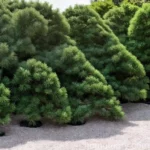
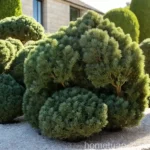
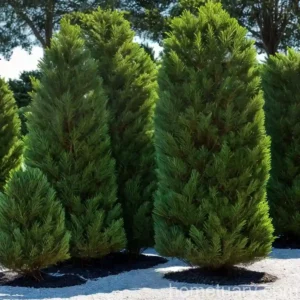
Juniperus communis, also known as the Common Juniper, is a species of coniferous shrub or tree belonging to the cypress family, Cupressaceae. The ‘Compressa’ variety exhibits a distinctive columnar growth habit, making it a popular choice for vertical accents in landscaping. Common Juniper is native to the northern hemisphere, thriving in diverse climates and soil conditions.
With its compact size and stunning blue-green foliage, Juniperus communis ‘Compressa’ is prized for its ornamental value and exceptional adaptability. This hardy shrub serves a range of purposes, from privacy screening to erosion control, making it an indispensable asset for gardens, parks, and urban environments.
Now, let’s delve into the key takeaways, culture, uses, and maintenance guidelines for this remarkable plant.
Key Takeaways – Juniperus communis ‘Compressa’
- Scientific Name: Juniperus communis ‘Compressa’
- Common Name: Common Juniper
- Plant Type: Evergreen shrub
- Growth Habit: Columnar, compact
- Foliage: Blue-green needles
- Mature Height: 5-8 feet
- Mature Spread: 1-2 feet
- Hardiness Zones: 2-8
- Water Needs: Low to moderate
- Sunlight Requirements: Full sun
- Soil Type: Well-drained, adaptable
- Uses: Landscaping, privacy screening, erosion control, container gardening
- Special Features: Drought tolerant, deer resistant, wildlife attractant
Culture
Water
Juniperus communis ‘Compressa’ is well-suited to dry conditions and has low to moderate water needs once established. While it is tolerant of drought, regular watering is beneficial during the initial establishment period and in prolonged periods of dryness. Always allow the soil to dry out between waterings to prevent waterlogging, which can lead to root rot.
Sunlight
This variety thrives in full sunlight and benefits from at least 6-8 hours of direct sunlight per day. Placing ‘Compressa’ Juniperus communis in a location with ample sunlight promotes robust growth and vibrant foliage color.
Fertilizer
This rugged shrub generally does not require frequent fertilization when planted in suitable soil. However, a balanced, slow-release fertilizer can be applied in spring to support healthy growth. It is essential to follow the dosage instructions carefully to avoid over-fertilization, which can harm the plant.
Soil
Juniperus communis ‘Compressa’ adapts well to various soil types, including sandy, loamy, and rocky soils, as long as they are well-draining. It is essential to avoid waterlogged or compacted soil, as this can lead to root issues. A neutral to slightly acidic soil pH is preferred for optimal growth and nutrient uptake.
Pruning
Pruning is an essential aspect of maintaining the attractive form and size of Juniperus communis ‘Compressa.’ Regular pruning can be performed in late winter or early spring to remove any dead, damaged, or overgrown branches. When pruning, it is crucial to maintain the natural columnar shape of the shrub and avoid excessive shearing, which can compromise its health.
Propagation
Propagation of Juniperus communis ‘Compressa’ can be achieved through several methods, including seed propagation, cuttings, and layering. While growing from seeds is possible, it may take several years for the plants to reach a desirable size. Propagation through semi-hardwood cuttings is a more reliable and faster method. Layering, where stems are encouraged to root while attached to the parent plant, is another effective propagation technique.
Container Popularity
The compact growth habit and striking appearance of Juniperus communis ‘Compressa’ make it an excellent choice for container gardening. Whether used as a standalone feature or in combination with other plants, it brings an elegant and low-maintenance element to container designs. When growing in containers, it is important to ensure adequate drainage and provide regular watering and occasional fertilization.
Common Diseases
Juniperus communis ‘Compressa’ is generally resistant to most common plant diseases. However, it may be susceptible to certain fungal infections, such as juniper rust or twig blight, especially in humid or poorly ventilated conditions. Implementing proper cultural practices, including ensuring good airflow around the plant and avoiding overhead watering, can help prevent disease issues.
Disease Diagnosis
Should any unusual symptoms or changes in the plant’s appearance occur, it is advisable to closely inspect the shrub for signs of disease or pest infestation. Discolored or distorted foliage, dieback of branches, or the presence of fungal spores are indicators that warrant further investigation. If necessary, consulting with a plant health specialist or extension service can aid in accurately diagnosing and addressing any potential disease concerns.
Common Pests
Juniperus communis ‘Compressa’ is relatively resistant to pests, with deer being the primary threat due to their browsing activity. However, occasional infestations of spider mites, scale insects, or bagworms may occur. Monitoring the plant regularly for signs of pest presence, such as webbing, unusual spots on the foliage, or visible insects, allows for early intervention to prevent widespread damage.
Botanist’s Tips
Proficient care and attention to the specific needs of Juniperus communis ‘Compressa’ are critical for ensuring its long-term health and vitality. Incorporating these tips into the plant’s maintenance routine can contribute to its overall well-being:
- Regular Monitoring: Conduct routine checks for changes in foliage color, growth patterns, or pest activity to identify any potential issues early on.
- Appropriate Watering: Strike a balance between ensuring adequate moisture for the plant while preventing waterlogged conditions, especially in heavy or clay soils.
- Proper Pruning Techniques: When pruning, aim to maintain the natural form of the shrub and avoid removing excessive foliage, as this can weaken the plant.
- Preventative Pest Control: Implement measures to deter browsing by deer and monitor for common pests to address any infestations promptly.
Fun Facts
- The berries of Juniperus communis are used to flavor gin, providing the characteristic aroma and taste of this popular spirit.
- Common Juniper has been traditionally used in herbal medicine for its purported diuretic and antiseptic properties.
- In some cultures, the wood of Juniperus communis was burned as incense for purification and spiritual rituals.
Links to External Resources
For more in-depth information and insights into Juniperus communis ‘Compressa’ and its cultivation, the following external resources offer valuable perspectives:
- Royal Horticultural Society – Juniperus communis ‘Compressa’
- Missouri Botanical Garden – Common Juniper
- University of Florida IFAS Extension – Common Juniper for the Landscape
In conclusion, Juniperus communis ‘Compressa’ is a remarkable plant that embodies beauty, resilience, and versatility. Its unique characteristics and adaptability make it a valuable asset for diverse landscapes, offering aesthetic appeal, practical benefits, and a touch of natural elegance. By understanding and meeting its care requirements, this exceptional shrub can thrive and contribute to the creation of thriving, sustainable ecosystems.
By delving into the intricacies of Juniperus communis ‘Compressa’ and providing detailed insights into its care, characteristics, and uses, this comprehensive guide offers a valuable resource for plant enthusiasts, landscape designers, and gardening enthusiasts. Whether it’s for practical purposes such as erosion control and wildlife habitat creation or for ornamental landscaping, the versatility and charm of Common Juniper make it a compelling choice for a range of outdoor settings.
With its compact growth habit and striking visual appeal, Juniperus communis ‘Compressa’ serves as a captivating centerpiece in gardens, urban environments, and naturalized landscapes. Its ability to thrive in various soil types and climates, along with its resistance to diseases and pests, further solidifies its status as a resilient and low-maintenance plant.
This guide provides a holistic perspective on the cultivation and maintenance of Juniperus communis ‘Compressa,’ encompassing essential aspects such as watering, sunlight requirements, soil preferences, and propagation methods. The incorporation of botanist’s tips and fun facts enhances the reader’s understanding of this exceptional plant, fostering a deeper appreciation for its ecological significance and cultural relevance.
For further exploration and information, the inclusion of links to reputable external resources adds depth and credibility to the content, enabling readers to engage with authoritative sources and expand their knowledge of Common Juniper. By weaving together scientific knowledge, practical insights, and horticultural expertise, this guide equips readers with the tools and guidance to effectively incorporate Juniperus communis ‘Compressa’ into their gardening projects and landscape designs.
In conclusion, this extensive guide serves as an invaluable resource for individuals seeking to enhance their understanding of Juniperus communis ‘Compressa’ and harness its potential in creating sustainable, harmonious outdoor environments. Whether used as a privacy hedge, a container specimen, or a focal point in a xeriscape design, the versatility and allure of Common Juniper shine through, illustrating its enduring appeal in the realm of ornamental horticulture and ecological landscaping.