Hibiscus moscheutos ‘Luna White’ (Hardy Hibiscus)
Hibiscus moscheutos ‘Luna White’, commonly known as Hardy Hibiscus, is a stunning perennial plant with large, showy flowers that are sure to captivate any garden enthusiast. This exquisite variety is a member of the Luna series, which is renowned for its resilience and vibrant blooms. In this comprehensive guide, we will delve into the culture, uses, care requirements, common diseases, and other essential aspects of the Hibiscus moscheutos ‘Luna White’. Whether you are an experienced gardener or a novice plant enthusiast, this blog post will equip you with valuable insights to ensure the successful growth and maintenance of this magnificent plant.
What is Plant: Hibiscus moscheutos ‘Luna White’ (Hardy Hibiscus)
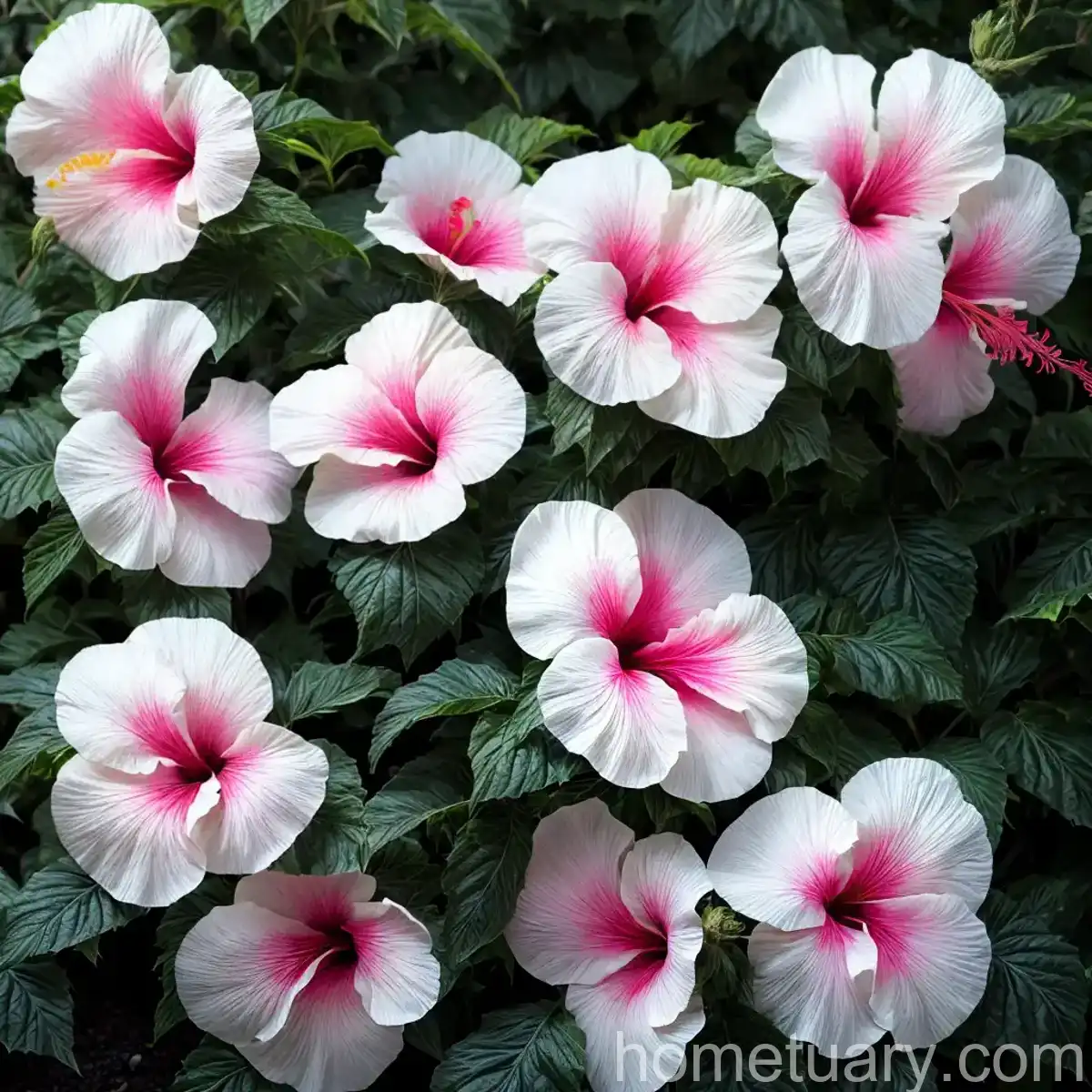
Hibiscus moscheutos, also known as rose mallow, swamp mallow, or swamp rose mallow, is a member of the Malvaceae family. It is native to wetland areas in the eastern and southern United States. The ‘Luna White’ cultivar is particularly cherished for its vigorous growth, large white flowers, and robust nature. This hardy perennial is characterized by its impressive height, often reaching 3 to 4 feet, and its ability to thrive in various growing conditions. The stunning, hibiscus-like flowers of ‘Luna White’ add a touch of elegance to gardens, making it a sought-after choice for landscaping and ornamental purposes.
Key Takeaways – Hibiscus moscheutos ‘Luna White’ (Hardy Hibiscus)
Before we delve into the specific care requirements and characteristics of the Hibiscus moscheutos ‘Luna White’, let’s take a look at some key takeaways that encapsulate the essence of this remarkable plant:
- The ‘Luna White’ variety is a hardy perennial Hibiscus that features large, white flowers.
- It belongs to the Luna series, known for its resilience and striking blooms.
- ‘Luna White’ is a vigorous grower, typically reaching a height of 3 to 4 feet.
- This Hibiscus cultivar is renowned for its ability to thrive in various soil and moisture conditions.
Now, let’s explore the essential aspects of cultivating and caring for the Hibiscus moscheutos ‘Luna White’ in greater detail.
Culture
The culture of Hibiscus moscheutos ‘Luna White’ encompasses various aspects of its growth, environmental preferences, and overall behaviors in different settings. Understanding the cultural requirements of this plant is pivotal for creating an environment that promotes its health and vitality.
Uses
The uses of ‘Luna White’ Hibiscus extend beyond its ornamental value, making it a versatile addition to landscapes and gardens. Here are some common uses of this captivating plant:
- Ornamental Purposes: The large, white flowers of ‘Luna White’ serve as a focal point in gardens, attracting attention and adding a touch of elegance to the landscape.
- Landscaping: This Hibiscus variety can be integrated into various landscaping designs, from borders and hedges to accentuating water features and creating eye-catching flower beds.
- Wildlife Attraction: ‘Luna White’ is known to attract pollinators such as butterflies and hummingbirds, contributing to the ecological diversity of garden spaces.
- Medicinal Uses: In some traditional medicinal practices, certain parts of the Hibiscus plant are utilized for their potential health benefits.
Water
Water is a crucial element in the successful cultivation of Hibiscus moscheutos ‘Luna White’. While this plant exhibits resilience in varying moisture conditions, providing consistent and adequate water is essential for its overall well-being.
- Watering Schedule: ‘Luna White’ Hibiscus benefits from regular watering, especially during periods of active growth and flowering. It is important to maintain moist, well-drained soil to support the plant’s vitality.
- Moisture Requirements: While the Hardy Hibiscus is tolerant of moist soil, it is susceptible to waterlogging. Therefore, it is advisable to ensure proper drainage to prevent water accumulation around the root system.
Sunlight
As with many plants, sunlight plays a pivotal role in the growth and blooming patterns of Hibiscus moscheutos ‘Luna White’. Understanding its sunlight requirements is essential for optimizing its performance in different environments.
- Optimal Sunlight: ‘Luna White’ thrives in full sun, benefiting from at least 6 to 8 hours of direct sunlight each day. Adequate exposure to sunlight promotes robust growth and prolific flowering.
- Shade Tolerance: While ‘Luna White’ prefers full sun conditions, it can tolerate partial shade, making it adaptable to various garden settings.
Fertilizer
Proper nutrition is essential for the healthy development and flowering of Hibiscus moscheutos ‘Luna White’. Implementing an effective fertilization regimen is crucial for providing the plant with essential nutrients to support its growth and blooming cycles.
- Fertilization Frequency: During the active growing season, ‘Luna White’ benefits from regular fertilization. Applying a balanced, slow-release fertilizer every 4 to 6 weeks can promote robust growth and abundant flowering.
- Nutrient Requirements: The use of a fertilizer with balanced NPK (nitrogen, phosphorus, and potassium) ratios, alongside micronutrients, can support the overall vigor and resilience of ‘Luna White’.
Soil
The soil preferences of Hibiscus moscheutos ‘Luna White’ play a significant role in its ability to thrive and flourish. Understanding its soil requirements enables gardeners to create an environment that is conducive to its growth and longevity.
- Well-Drained Soil: ‘Luna White’ Hibiscus thrives in well-drained soil, as it helps prevent waterlogging and potential root rot. Amending heavy or compacted soil with organic matter can improve its drainage capabilities.
- pH Range: This cultivar prefers slightly acidic to neutral soil with a pH range of 6.0 to 6.5. Conducting a soil test can provide valuable insights into the soil’s pH and nutrient levels, facilitating appropriate amendments if necessary.
Pruning
Pruning is an integral aspect of maintaining the health and aesthetic appeal of Hibiscus moscheutos ‘Luna White’. By implementing proper pruning techniques, gardeners can encourage new growth, shape the plant, and remove any damaged or overgrown foliage.
- Pruning Timing: The ideal time for pruning ‘Luna White’ Hibiscus is in late winter or early spring, before the onset of new growth. This allows for the removal of any dead or weak branches and prepares the plant for the upcoming growing season.
- Pruning Techniques: Utilizing sharp, clean pruning shears, gardeners can selectively prune the plant to promote a balanced and open structure. Removing spent flowers can also stimulate the production of new blooms.
Propagation
The propagation of Hibiscus moscheutos ‘Luna White’ enables gardeners to expand their collection of this exquisite plant and share its beauty with others. Understanding the various propagation methods facilitates the successful reproduction of ‘Luna White’ Hibiscus.
- Propagation Methods: ‘Luna White’ can be propagated through methods such as stem cuttings, division, or seed propagation. Each approach requires specific techniques and environmental conditions to ensure successful rooting and establishment.
- Propagating from Seeds: Collecting and sowing seeds from mature ‘Luna White’ flowers can yield new plants, though this method may take longer to produce mature, flowering specimens.
Container Popularity
The ‘Luna White’ Hibiscus variety is well-suited for container gardening, offering a versatile and eye-catching addition to patios, balconies, and outdoor living spaces.
- Container Size: When choosing a container for ‘Luna White’ Hibiscus, select a spacious and sturdy vessel that allows room for root development and stability.
- Soil Considerations: Utilize a well-draining potting mix suitable for perennial plants, ensuring that excess moisture can freely drain from the container.
Common Diseases
Despite its resilience, Hibiscus moscheutos ‘Luna White’ is susceptible to certain diseases that can impact its health and vigor. Recognizing and addressing common diseases is essential for maintaining the well-being of this plant.
- Leaf Spot: Fungal infections can lead to the development of leaf spot, characterized by dark, circular lesions on the foliage. Providing proper air circulation and avoiding overhead watering can help prevent this disease.
- Powdery Mildew: This fungal disease manifests as a powdery, white coating on the leaves, compromising the plant’s photosynthetic capabilities. Avoiding overcrowding and maintaining adequate spacing between plants can mitigate the risk of powdery mildew.
Disease Diagnosis
Promptly identifying and diagnosing diseases affecting Hibiscus moscheutos ‘Luna White’ is vital for implementing targeted control measures and preventing the spread of pathogens.
- Visual Symptoms: Carefully inspect the plant for any abnormal changes in leaf color, texture, or overall appearance. Spots, lesions, or powdery coatings may indicate the presence of disease.
- Professional Consultation: If there are uncertainties regarding disease diagnosis, seeking guidance from a plant health specialist or local extension service can facilitate accurate identification and treatment recommendations.
Common Pests
In addition to diseases, ‘Luna White’ Hibiscus is susceptible to pest infestations that can compromise its growth and flowering capabilities. Understanding the common pests enables proactive pest management strategies.
- Aphids: These tiny, sap-sucking insects can cluster on the tender shoots and buds of ‘Luna White’, causing distortion and yellowing of foliage. Encouraging natural predator populations and using insecticidal soaps can help control aphids.
- Japanese Beetles: These voracious beetles can feed on the leaves of Hibiscus plants, resulting in skeletonized foliage. Employing physical barriers and trapping methods can aid in managing Japanese beetle populations.
Botanist’s Tips
As a plant scientist, I have accumulated valuable insights and practical tips for cultivating and caring for Hibiscus moscheutos ‘Luna White’. Here are some of my expert recommendations for achieving success with this impressive plant:
- Adequate Watering: Monitor soil moisture regularly and ensure consistent watering, especially during dry spells, to support the robust growth and flowering of ‘Luna White’ Hibiscus.
- Promote Air Circulation: Providing ample air circulation around the plant can reduce the risk of fungal diseases, such as powdery mildew, and enhance overall plant vigor.
- Mulching Benefits: Applying a layer of organic mulch around the base of the plant can help conserve soil moisture, regulate soil temperature, and inhibit weed growth.
Fun Facts
In addition to its striking appearance and cultural significance, ‘Luna White’ Hibiscus boasts several captivating and intriguing qualities:
- The large flowers of ‘Luna White’ can span up to 8 inches in diameter, creating a dramatic display in garden settings.
- Hibiscus plants have a long history of traditional medicinal uses in various cultures, with certain species being valued for their potential health benefits and therapeutic properties.
- The Luna series, which includes ‘Luna White’, encompasses a selection of vibrant and resilient Hibiscus cultivars that have gained popularity among gardeners and horticulture enthusiasts.
As we continue to explore the remarkable attributes of Hibiscus moscheutos ‘Luna White’, let’s delve into valuable external resources and references that offer in-depth information on this captivating plant.
Links to External Resources
-
The American Hibiscus Society: The official website of the American Hibiscus Society provides a wealth of information, resources, and community forums dedicated to the cultivation and appreciation of various Hibiscus species, including Hibiscus moscheutos.
-
University of Florida IFAS Extension – Hibiscus Diseases: The University of Florida IFAS Extension offers comprehensive insights into common diseases that affect Hibiscus plants, equipping growers with valuable knowledge to identify and address disease issues effectively.
-
Missouri Botanical Garden – Plant Finder: Hibiscus moscheutos: The Missouri Botanical Garden’s Plant Finder provides detailed information on Hibiscus moscheutos, including its characteristics, growing requirements, and ideal uses in garden landscapes.
-
Royal Horticultural Society – Growing Hibiscus: The Royal Horticultural Society offers practical guidance on growing and caring for Hibiscus plants, encompassing essential cultural practices, propagation methods, and pest management strategies.
By utilizing these external resources, growers and enthusiasts can further enhance their understanding of the Hibiscus moscheutos ‘Luna White’ and leverage expert insights to optimize its cultivation and care.
In conclusion, Hibiscus moscheutos ‘Luna White’ stands as a remarkable perennial plant that embodies resilience, elegance, and horticultural significance. Its large, white flowers and versatile uses make it a cherished addition to gardens, landscapes, and outdoor settings. By embracing the culture, care practices, and valuable insights surrounding ‘Luna White’ Hibiscus, individuals can cultivate thriving and visually captivating displays, enriching their horticultural experiences and the natural beauty of their surroundings.