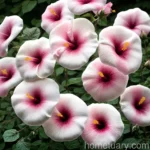
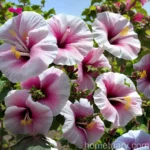
Hardy Hibiscus (Hibiscus ‘Turn of the Century’): A Comprehensive Guide
Welcome to our extensive guide on everything you need to know about the hardy hibiscus (Hibiscus ‘Turn of the Century’). This beautiful and versatile plant is a favorite among gardeners and horticulturists alike. In this guide, we will delve into the culture, uses, maintenance, and interesting facts about this stunning plant.
What is the Hardy Hibiscus (Hibiscus ‘Turn of the Century’)?
Hardy hibiscus, scientifically known as Hibiscus ‘Turn of the Century,’ is a herbaceous perennial plant that belongs to the mallow family, Malvaceae. This cultivar is celebrated for its large, showy flowers and its adaptability to a wide range of growing conditions. The striking floral display and ease of care have made the ‘Turn of the Century’ cultivar a popular choice for gardens, landscapes, and even containers.
Key Takeaways – Hardy Hibiscus (Hibiscus ‘Turn of the Century’)
Before we delve into the specifics of caring for the hardy hibiscus, let’s take a look at the key takeaways about this magnificent plant:
- Scientific Name: Hibiscus ‘Turn of the Century’
- Plant Type: Herbaceous perennial
- Family: Malvaceae
- Water Needs: Moderate to high
- Sunlight Requirements: Full sun to partial shade
- Soil Type: Well-draining, fertile soil
- Pruning: Prune in late winter or early spring
- Propagation: Can be propagated through seeds, division, or cuttings
- Common Diseases: Potential susceptibility to fungal diseases
- Common Pests: Japanese beetles, aphids
- Container Gardening: Suitable for large containers
- Popularity: Widely grown for its spectacular flowers
- Fragrance: Generally not fragrant
Now, let’s explore each of these aspects in detail to understand how to best care for and appreciate the hardy hibiscus.
Culture
Cultivating the hardy hibiscus involves understanding its specific cultural requirements, including watering, sunlight exposure, soil conditions, and more. Let’s examine each of these factors in detail.
Water
Proper watering is essential for the healthy growth and blooming of hardy hibiscus plants. These plants typically thrive in consistently moist soil, but they do not tolerate waterlogging. During the active growing season, ensure that the soil is kept uniformly moist, especially during periods of dry weather.
- Watering Needs: Moderate to high
- Watering Schedule: Water deeply 2-3 times per week, depending on the weather and soil moisture levels.
- Soil Moisture: Ensure the soil is consistently moist but not waterlogged.
- Watering Tips: Use mulch to retain soil moisture and reduce the frequency of watering.
- Winter Watering: Reduce the frequency of watering during the plant’s dormant winter phase, ensuring the soil remains slightly moist but not excessively wet.
Sunlight
In terms of sunlight requirements, hardy hibiscus plants thrive in full sun to partial shade. However, they tend to bloom more prolifically when grown in full sun. When planting or positioning hardy hibiscus in your garden, consider providing them with ample sunlight to encourage robust flowering.
- Sunlight Needs: Full sun to partial shade
- Sun Exposure: Position the plant in an area with at least 6-8 hours of direct sunlight per day for optimal blooming.
- Shade Tolerance: While they prefer full sun, hardy hibiscus can tolerate partial shade, especially in regions with intense heat.
Soil
The soil plays a crucial role in the overall health and vitality of hardy hibiscus plants. These plants prefer well-draining, fertile soil with a slightly acidic to neutral pH.
- Soil Type: Well-draining, fertile soil
- Soil pH: Preferably slightly acidic to neutral (pH 6.0-7.0)
- Soil Structure: Incorporate organic matter such as compost or well-rotted manure to improve soil structure and fertility.
- Soil Moisture: Maintain soil moisture to support the plant’s growth and blooming.
Fertilizer
Fertilizing hardy hibiscus plants is essential to promote healthy growth, abundant blooming, and overall vigor. A balanced and controlled-release fertilizer specifically formulated for flowering plants can provide the necessary nutrients for optimal performance.
- Fertilizing Schedule: Apply a balanced, slow-release fertilizer in early spring, following the manufacturer’s guidelines for application rates.
- Nutrient Requirements: Look for a fertilizer with a balanced NPK ratio, as well as essential micronutrients.
- Application Method: Evenly distribute the fertilizer around the root zone, avoiding direct contact with the stems or foliage.
- Additional Feedings: Consider supplementing with a liquid fertilizer during the growing season to support continuous flowering.
Pruning
Pruning is an important aspect of hardy hibiscus maintenance, contributing to the plant’s overall health, appearance, and blooming performance.
- Pruning Time: Perform pruning in late winter or early spring before new growth emerges.
- Pruning Techniques: Remove any dead, damaged, or weak stems, as well as old flower heads to encourage new growth and blooming.
- Rejuvenation Pruning: Every few years, consider rejuvenation pruning to maintain the plant’s vigor and shape by cutting back the stems more severely.
- Pruning Height: If desired, the plant can be pruned to control its height and promote a more compact form.
Propagation
Propagating hardy hibiscus can be achieved through various methods, including seeds, division, and cuttings. Each propagation method offers its own set of advantages and challenges, providing flexibility to suit different gardening preferences.
- Seed Propagation: While viable seeds can be obtained from spent flower heads, growing hardy hibiscus from seeds requires patience and specific germination conditions.
- Division: Established clumps of hardy hibiscus can be divided in early spring to create new plants and rejuvenate the parent plant.
- Cuttings: Propagating from stem cuttings allows for the production of genetically identical offspring and is often used for preserving specific cultivars.
Container Popularity
The hardy hibiscus is well-suited for container gardening, making it an excellent choice for individuals with limited garden space or those looking to create vibrant patio or balcony displays.
- Container Size: Choose large, sturdy containers with ample drainage holes to accommodate the plant’s mature size.
- Soil mix: Use a well-draining potting mix enriched with organic matter to provide the necessary nutrients and moisture retention.
- Placement: Position the container in a location that receives full sun to partial shade, ensuring the plant’s sunlight requirements are met.
Common Diseases
Protecting hardy hibiscus plants from common diseases is crucial to maintaining their health and vitality. While these plants are generally resilient, they can be susceptible to certain fungal infections under specific conditions.
Disease Diagnosis
- Leaf Spot: Characterized by circular brown spots with a distinct yellow halo on the leaves, typically caused by fungal pathogens.
- Powdery Mildew: Appears as a white powdery coating on the foliage, often affecting plants grown in humid or poorly ventilated conditions.
- Botrytis Blight: Occurs as gray mold on flowers and buds, particularly in damp and cool environments.
- Root Rot: Caused by excessively wet soil conditions, leading to root damage and decline in the overall health of the plant.
Common Pests
In addition to fungal diseases, hardy hibiscus plants can be vulnerable to certain pests, including insect pests that can impact their growth and blooming.
- Japanese Beetles: These voracious pests can feed on the foliage and flowers of the plant, causing visible damage if left unaddressed.
- Aphids: Commonly found clustered on the tender new growth, aphids can distort the leaves and excrete a sticky substance known as honeydew, leading to further issues.
Botanist’s Tips
As a botanist, here are some additional tips to ensure the successful cultivation and enjoyment of hardy hibiscus plants:
- Mulching: Apply a 2-3 inch layer of organic mulch, such as wood chips or shredded bark, around the base of the plant to retain soil moisture and suppress weed growth.
- Overwintering: In regions with cold winters, provide winter protection by mulching around the base and covering the plant with a layer of straw or leaves to insulate it from freezing temperatures.
- Deadheading: Remove spent flowers regularly to promote continuous blooming and prevent the plant from investing energy into seed production.
Fun Facts
To enrich your understanding and appreciation of the hardy hibiscus, here are some fascinating and delightful facts about this remarkable plant:
- Species Diversity: The genus Hibiscus encompasses hundreds of species, with a wide range of sizes, flower colors, and foliage characteristics.
- Edible Flowers: Some species of hibiscus produce edible flowers that are used in various culinary applications and herbal teas.
- Symbolism: In many cultures, hibiscus flowers are associated with symbolism, often representing delicate beauty, grace, and tropical allure.
Links to External Resources
For further information, inspiration, and practical guidance on hardy hibiscus care and cultivation, consider exploring the following external resources:
- Royal Horticultural Society (RHS) – Hardy Hibiscus Care
- University of Florida IFAS Extension – Hibiscus Production Guide
- American Society for the Prevention of Cruelty to Animals (ASPCA) – Toxic and Non-Toxic Plants: Hibiscus
With the insights gained from this comprehensive guide, you are well-equipped to nurture and enjoy the beauty of the hardy hibiscus (Hibiscus ‘Turn of the Century’). Whether you are a novice gardener or a seasoned horticulture enthusiast, the captivating allure of this stunning plant is sure to enhance any garden or landscape setting.
Remember to tailor the care practices to the specific needs of your location and microclimate, as environmental factors play a significant role in the success of hibiscus cultivation. By applying the principles of proper watering, sunlight exposure, soil preparation, and vigilant pest and disease management, you can cultivate thriving hardy hibiscus plants that reward you with an abundance of vibrant, attention-grabbing blooms.
Enjoy your journey of discovery and cultivation with the hardy hibiscus, an enchanting addition to any garden or landscape.
Disclaimer: The information provided in this guide is intended for educational and informational purposes. It is not a substitute for professional horticultural advice or specific plant care recommendations tailored to individual circumstances. When in doubt, consult with a local horticulturist, extension service, or plant care specialist for personalized guidance.
Keywords: Hardy hibiscus care, Hibiscus ‘Turn of the Century’ plant, Growing hardy hibiscus, Hibiscus ‘Turn of the Century’ tips, Best soil for hardy hibiscus, Hibiscus ‘Turn of the Century’ pruning, Hardy hibiscus varieties, Hibiscus ‘Turn of the Century’ care guide, How to propagate hardy hibiscus, Hibiscus ‘Turn of the Century’ watering needs, Hardy hibiscus planting guide, Hibiscus ‘Turn of the Century’ sunlight requirements, Pest control for hardy hibiscus, Hibiscus ‘Turn of the Century’ disease prevention, Winter protection for hardy hibiscus, Hibiscus ‘Turn of the Century’ fertilizing tips, Pruning techniques for hardy hibiscus, Hibiscus ‘Turn of the Century’ companion plants, Common problems with hardy hibiscus, Hibiscus ‘Turn of the Century’ blooming season, Hardy hibiscus container gardening, Hibiscus ‘Turn of the Century’ soil pH requirements, Transplanting hardy hibiscus, Hibiscus ‘Turn of the Century’ fragrance, Watering schedule for hardy hibiscus, Hibiscus ‘Turn of the Century’ leaf coloration, Organic pest control for hardy hibiscus, Hibiscus ‘Turn of the Century’ pollination, Hardy hibiscus pruning techniques, Hibiscus ‘Turn of the Century’ root system, Companion plants for hardy hibiscus, Hibiscus ‘Turn of the Century’ growth rate, Propagation methods for hardy hibiscus, Hibiscus ‘Turn of the Century’ sun exposure, Hardy hibiscus winter care, Hibiscus ‘Turn of the Century’ pet-friendly, Hardy hibiscus in containers, Hibiscus ‘Turn of the Century’ natural remedies, Hardy hibiscus soil requirements, Hibiscus ‘Turn of the Century’ drought tolerance, Hardy hibiscus disease management, Hibiscus ‘Turn of the Century’ mature size, Hardy hibiscus flower colors, Hibiscus ‘Turn of the Century’ soil drainage, Hardy hibiscus in full sun, Hibiscus ‘Turn of the Century’ water needs, Hardy hibiscus root depth, Hibiscus ‘Turn of the Century’ pruning schedule, Hardy hibiscus fertilizing schedule, Hibiscus ‘Turn of the Century’ container size