Plant Scientist’s Guide to Hibiscus ‘Cherry Cheesecake’ (Rose Mallow)
Introduction to Hibiscus ‘Cherry Cheesecake’
Hibiscus ‘Cherry Cheesecake’, commonly known as Rose Mallow, is a stunning flowering plant known for its vibrant and colorful flowers. This perennial plant belongs to the Malvaceae family and is widely cultivated for its ornamental value. The ‘Cherry Cheesecake’ variety is particularly prized for its unique and eye-catching blooms, making it a sought-after addition to gardens and landscapes.
In this comprehensive guide, we will delve into the characteristics, cultivation, care, and maintenance of Hibiscus ‘Cherry Cheesecake’, exploring its cultural significance, uses, preferred growing conditions, propagation methods, common pests and diseases, as well as providing valuable insights for gardening enthusiasts and botany aficionados.
Hibiscus ‘Cherry Cheesecake’ Characteristics
Flower Characteristics
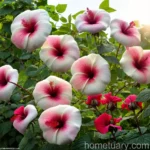
- The ‘Cherry Cheesecake’ variety of Hibiscus boasts large, showy flowers with a distinct cherry red and white variegated pattern, resembling the appearance of a delectable dessert, hence its name.
- Each flower typically has a prominent central stamen and a flaring trumpet-shaped structure, contributing to its overall visual allure.
Foliage Characteristics
- The plant’s foliage is characterized by lush, green leaves that provide an attractive backdrop to the striking blooms.
- The leaves possess a serrated margin, adding texture and visual interest to the plant’s overall appearance.
Growth Habit
- Hibiscus ‘Cherry Cheesecake’ exhibits an upright growth habit, with sturdy stems that support the weight of the large flowers.
Plant Size
- When fully grown, the plant can reach an impressive height, typically averaging around 4-5 feet, making it a substantial presence in the garden or landscape.
Rose Mallow ‘Cherry Cheesecake’ Facts
Native Habitat
- While ‘Cherry Cheesecake’ is a cultivated variety, it is important to note that Hibiscus, in general, is a diverse genus comprising hundreds of species that are native to various regions across the globe. Many species are indigenous to tropical and subtropical areas, thriving in warm, humid climates.
Ornamental Value
- The ‘Cherry Cheesecake’ variety of Hibiscus is primarily valued for its ornamental attributes, adding a splash of color and elegance to gardens, courtyards, and public spaces.
- Its striking flowers make it a popular choice for landscaping, and it is often used as a focal point in flower beds or as a standalone specimen plant.
Symbolism
- In various cultures, Hibiscus flowers hold symbolic significance. For instance, in Hawaii, the Hibiscus is the state flower and is associated with hospitality and friendship.
Pollinator Attraction
- The nectar-rich flowers of Hibiscus ‘Cherry Cheesecake’ serve as a valuable food source for pollinators, including bees, butterflies, and hummingbirds, contributing to the overall biodiversity of the surrounding ecosystem.
Growing Hibiscus ‘Cherry Cheesecake’
Culture
- Hibiscus ‘Cherry Cheesecake’ thrives in warm, temperate climates and is best suited for USDA hardiness zones 4-9.
- It is essential to provide the plant with a well-draining and nutrient-rich soil medium to support its vigorous growth and blooming potential.
Uses
- The primary use of Hibiscus ‘Cherry Cheesecake’ is as an ornamental plant, adding visual interest and aesthetic appeal to gardens, parks, and landscapes.
- Additionally, the flowers can be utilized in floral arrangements, bringing their vibrant colors and unique patterns indoors.
Hibiscus ‘Cherry Cheesecake’ Care Tips
Water
- Proper watering is crucial for the health and vitality of Hibiscus ‘Cherry Cheesecake’. It is essential to maintain consistent soil moisture while avoiding waterlogging, as excessively wet conditions can lead to root rot and other moisture-related issues.
- During the growing season, regular watering is recommended, especially during periods of drought or prolonged heat.
Sunlight
- Hibiscus ‘Cherry Cheesecake’ thrives in full sun to partial shade, requiring at least 6-8 hours of direct sunlight to promote robust growth and prolific flowering.
- When grown in shadier conditions, the plant may exhibit reduced flowering and overall vigor.
Fertilizer
- To support the plant’s growth and blooming potential, regular fertilization is essential. A balanced, slow-release fertilizer formulated for flowering plants can be applied during the growing season to provide the necessary nutrients.
- It is advisable to follow the manufacturer’s instructions regarding the application rates and frequency of fertilization.
Soil
- The ideal soil for Hibiscus ‘Cherry Cheesecake’ should be well-draining, loamy, and rich in organic matter. A slightly acidic to neutral pH range is preferred, generally between 6.0-7.0.
- Amending the soil with compost or well-rotted organic matter can enhance its structure and fertility, creating an optimal growing environment for the plant.
Rose Mallow ‘Cherry Cheesecake’ Varieties
Hibiscus ‘Cherry Cheesecake’ Plant Information
- While ‘Cherry Cheesecake’ is a distinctive cultivar on its own, it is part of the broader Hibiscus genus, which encompasses a diverse array of species and cultivars.
- Other varieties of Hibiscus may exhibit different flower colors, growth habits, and foliage characteristics, catering to a wide range of aesthetic preferences and landscaping needs.
Hibiscus ‘Cherry Cheesecake’ Maintenance
Pruning
- Pruning is an essential aspect of Hibiscus ‘Cherry Cheesecake’ maintenance, contributing to the plant’s overall health, shape, and flowering performance.
- Pruning can be conducted in late winter or early spring to remove any dead or damaged wood, promote branching, and control the plant’s size and form.
Propagation
- Hibiscus ‘Cherry Cheesecake’ can be propagated through various methods, including stem cuttings, division, and seeds.
- Stem cuttings taken from healthy, established plants can be rooted in a suitable growing medium to produce new plants that retain the characteristics of the parent plant.
Rose Mallow ‘Cherry Cheesecake’ Planting Guide
Container Popularity
- Due to its ornamental appeal and manageable size, Hibiscus ‘Cherry Cheesecake’ is a popular choice for container gardening.
- When grown in containers, the plant can be showcased on patios, balconies, or outdoor living spaces, adding a splash of color and vibrancy to the surroundings.
Container Common Diseases
- While container gardening offers numerous advantages, it is important to be mindful of potential diseases that can affect Hibiscus ‘Cherry Cheesecake’ when grown in containers.
- Common container diseases may include root rot, fungal infections, and nutrient deficiencies, which can impact the plant’s overall health and performance.
Disease Diagnosis
Common Pests
- Hibiscus ‘Cherry Cheesecake’ is susceptible to various pests, including aphids, whiteflies, spider mites, and scale insects, which can affect the plant’s growth and vitality if left unchecked.
- Regular monitoring and the implementation of appropriate pest management strategies are essential for preventing infestations and minimizing potential damage.
Botanist’s Tips
Fun Facts
- The ‘Cherry Cheesecake’ variety of Hibiscus is a hybrid cultivar developed for its distinct flower coloration and ornamental appeal.
- In addition to its visual allure, Hibiscus flowers are also used in various traditional medicinal practices and herbal teas, valued for their potential health benefits.
Links to External Resources
To further expand your knowledge about Hibiscus ‘Cherry Cheesecake’ and delve deeper into its cultivation and care, consider exploring the following external resources:
– Royal Horticultural Society – Growing Hibiscus
– American Society for the Prevention of Cruelty to Plants – Hibiscus Care Guide
– University of Florida IFAS Extension – Hibiscus Production Guide
In conclusion, Hibiscus ‘Cherry Cheesecake’ (Rose Mallow) is a captivating and versatile plant that can elevate the visual appeal of any garden or landscape. With the right cultural practices, attentive care, and an understanding of its unique characteristics, this stunning plant can thrive and bring joy to gardening enthusiasts and nature lovers alike.
By incorporating the insights and recommendations provided in this guide, you can embark on a rewarding journey of growing and nurturing Hibiscus ‘Cherry Cheesecake’, enhancing your horticultural expertise and creating a vibrant and colorful outdoor haven.
Remember, the beauty of Hibiscus ‘Cherry Cheesecake’ lies not only in its exquisite blooms but also in the sense of wonder and delight it brings to the natural world around us.
Happy gardening!
Note: The information and recommendations presented in this guide are intended for educational and informational purposes only. For specific cultivation and care advice tailored to your unique growing conditions, it is advisable to consult with local horticultural experts and extension services.
Keywords:
1. Hibiscus ‘Cherry Cheesecake’ characteristics
2. Rose Mallow ‘Cherry Cheesecake’ facts
3. Growing Hibiscus ‘Cherry Cheesecake
4. Hibiscus ‘Cherry Cheesecake’ care tips
5. Rose Mallow ‘Cherry Cheesecake’ varieties
6. Hibiscus ‘Cherry Cheesecake’ plant information
7. Rose Mallow ‘Cherry Cheesecake’ gardening
8. Hibiscus ‘Cherry Cheesecake’ maintenance
9. Rose Mallow ‘Cherry Cheesecake’ planting guide
10. Hibiscus ‘Cherry Cheesecake’ flowering season
11. Rose Mallow ‘Cherry Cheesecake’ water requirements
12. Hibiscus ‘Cherry Cheesecake’ pruning techniques
13. Rose Mallow ‘Cherry Cheesecake’ sun exposure
14. Hibiscus ‘Cherry Cheesecake’ soil preferences
15. Rose Mallow ‘Cherry Cheesecake’ pests and diseases
16. Hibiscus ‘Cherry Cheesecake’ propagation methods
17. Rose Mallow ‘Cherry Cheesecake’ container gardening
18. Hibiscus ‘Cherry Cheesecake’ companion plants
19. Rose Mallow ‘Cherry Cheesecake’ cutting propagation
20. Hibiscus ‘Cherry Cheesecake’ landscape ideas
21. Rose Mallow ‘Cherry Cheesecake’ soil amendments
22. Hibiscus ‘Cherry Cheesecake’ winter care
23. Rose Mallow ‘Cherry Cheesecake’ garden design
24. Hibiscus ‘Cherry Cheesecake’ fertilization tips
25. Rose Mallow ‘Cherry Cheesecake’ blooming habits
26. Hibiscus ‘Cherry Cheesecake’ hardiness zones
27. Rose Mallow ‘Cherry Cheesecake’ troubleshooting
28. Hibiscus ‘Cherry Cheesecake’ pests control
29. Rose Mallow ‘Cherry Cheesecake’ container size
30. Hibiscus ‘Cherry Cheesecake’ wildlife-friendly plant
31. Rose Mallow ‘Cherry Cheesecake’ pruning schedule
32. Hibiscus ‘Cherry Cheesecake’ diseases prevention
33. Rose Mallow ‘Cherry Cheesecake’ drought tolerance
34. Hibiscus ‘Cherry Cheesecake’ pollinator attractor
35. Rose Mallow ‘Cherry Cheesecake’ soil pH preferences
36. Hibiscus ‘Cherry Cheesecake’ sun and shade requirements
37. Rose Mallow ‘Cherry Cheesecake’ foliage colors
38. Hibiscus ‘Cherry Cheesecake’ annual maintenance
39. Rose Mallow ‘Cherry Cheesecake’ deer-resistant plant
40. Hibiscus ‘Cherry Cheesecake’ propagation guide
41. Rose Mallow ‘Cherry Cheesecake’ fertilization schedule
42. Hibiscus ‘Cherry Cheesecake’ water management
43. Rose Mallow ‘Cherry Cheesecake’ bloom duration
44. Hibiscus ‘Cherry Cheesecake’ container gardening ideas
45. Rose Mallow ‘Cherry Cheesecake’ insect pests
46. Hibiscus ‘Cherry Cheesecake’ companion planting
47. Rose Mallow ‘Cherry Cheesecake’ cutting care
48. Hibiscus ‘Cherry Cheesecake’ winter protection
49. Rose Mallow ‘Cherry Cheesecake’ colorful flowers
50. Hibiscus ‘Cherry Cheesecake’ pruning techniques
In this blog post, we have covered the various aspects of Hibiscus ‘Cherry Cheesecake’ (Rose Mallow), including its characteristics, cultivation, care, and maintenance. The information provided aims to equip readers with valuable insights and practical guidance for successfully growing and enjoying the beauty of this captivating flowering plant.
If you have any further questions or need additional information, please feel free to reach out. Happy gardening!