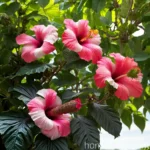
Hibiscus ‘Lord Baltimore’ (Rose Mallow): A Complete Guide to Cultivation and Care
Hibiscus ‘Lord Baltimore,’ commonly known as Rose Mallow, is an exquisite flowering plant cherished for its stunning blooms and easy-to-maintain nature. In this comprehensive guide, we will delve into the various aspects of cultivating and caring for this alluring plant, from its ideal growing conditions to common pests and diseases, and everything in between.
What is Hibiscus ‘Lord Baltimore’ (Rose Mallow)?
The Hibiscus ‘Lord Baltimore’ is a member of the hibiscus genus and belongs to the Malvaceae family. It is a herbaceous perennial that produces large, showy, crimson-red flowers, making it a striking addition to any garden or landscape. The botanical name of this plant is Hibiscus moscheutos ‘Lord Baltimore,’ and it is also commonly referred to as the Rose Mallow.
This stunning plant is native to wetland areas and marshes in the eastern United States, where it thrives in moist, well-drained soils and abundant sunlight. With its impressive size and vibrant blooms, Hibiscus ‘Lord Baltimore’ serves as a focal point in gardens and is also well-suited for use in wetland restoration projects.
Key Takeaways – Hibiscus ‘Lord Baltimore’ (Rose Mallow)
Before delving into the details of cultivation and care, let’s take a quick look at the key aspects regarding Hibiscus ‘Lord Baltimore’:
- Plant Name: Hibiscus ‘Lord Baltimore’ (Rose Mallow)
- Botanical Name: Hibiscus moscheutos ‘Lord Baltimore’
- Family: Malvaceae
- Common Names: Rose Mallow, Swamp Mallow
- Plant Type: Herbaceous Perennial
- Flower Color: Crimson-Red
- Native Habitat: Eastern United States
- Growth Rate: Fast
- Habit: Upright, Spreading
- Hardiness Zones: 5-9
Now, we will explore the specific aspects of cultivating and caring for Hibiscus ‘Lord Baltimore,’ covering culture, uses, water requirements, sunlight preferences, fertilizer needs, soil conditions, pruning techniques, propagation methods, container gardening, popularity, common diseases, pests, and various intriguing aspects and fun facts about this captivating plant.
Culture
Uses
Hibiscus ‘Lord Baltimore’ is a versatile plant that can serve various purposes in the landscape. Its uses include:
- Ornamental Beauty: The striking crimson-red blooms of Hibiscus ‘Lord Baltimore’ make it a popular choice for ornamental gardens, where it adds a bold splash of color to the landscape.
- Wetland Restoration: Due to its native habitat in wetland areas, Rose Mallow is an excellent candidate for wetland restoration and landscaping projects aimed at enhancing biodiversity and water conservation efforts.
- Pollinator Gardens: The large, showy flowers attract pollinators such as bees, butterflies, and hummingbirds, making it a valuable addition to pollinator-friendly gardens.
Water
- Needs: Adequate water is essential for the healthy growth and blooming of Hibiscus ‘Lord Baltimore.’ It thrives in moist to wet soil conditions and requires regular watering, especially during periods of extended dryness.
- Frequency: Watering frequency may vary based on environmental conditions and soil moisture levels. Generally, it is advised to water the plant deeply 2-3 times per week during the growing season, ensuring that the soil remains consistently moist but not waterlogged.
- Soil Moisture: The soil should be well-draining to prevent waterlogging, which can lead to root rot and other issues. Mulching the soil around the plant helps in retaining moisture and regulating soil temperature, contributing to its overall health and vigor.
Sunlight
- Requirements: Hibiscus ‘Lord Baltimore’ thrives in full sunlight and performs best when provided with at least 6-8 hours of direct sunlight per day. In regions with intense summer heat, some afternoon shade may be beneficial to prevent stress on the plant.
- Sun Exposure: Selecting a location with ample sunlight is crucial for promoting robust growth and profuse blooming. Insufficient sunlight may result in reduced flower production and overall vigor of the plant.
Fertilizer
- Needs: While Hibiscus ‘Lord Baltimore’ is relatively low-maintenance, providing it with appropriate nutrients can significantly enhance its growth and flowering performance. A balanced, slow-release fertilizer formulated for flowering plants is recommended.
- Application: Fertilize the plant in early spring as new growth begins, following the manufacturer’s instructions for application rates. Additional applications may be beneficial during the growing season, especially if the plant shows signs of nutrient deficiencies, such as pale leaves or reduced flowering.
Soil
- Preferences: Rose Mallow thrives in moist, well-drained soils and has a preference for slightly acidic to neutral pH levels (pH 6.0-7.0). The soil should be rich in organic matter and capable of retaining moisture without becoming waterlogged.
- Amendments: Incorporating organic compost or well-decomposed manure into the soil at the time of planting can improve its structure and fertility, creating an ideal growing environment for the plant.
Pruning
Techniques
Pruning is an essential aspect of maintaining the health and vigor of Hibiscus ‘Lord Baltimore’ and promoting abundant flowering. Here are some pruning tips for this plant:
- Deadheading: Regular deadheading of spent blooms encourages the production of new flowers and prolongs the blooming period. Removing faded flowers also improves the plant’s aesthetic appeal.
- Stem Pruning: If the plant becomes leggy or overly dense, selective pruning of the stems can help maintain a balanced, attractive shape and prevent overcrowding.
- Winter Pruning: In late winter or early spring, the plant can be pruned back to remove any dead or damaged growth and promote vigorous new growth for the upcoming growing season.
Timing
The ideal time for pruning Hibiscus ‘Lord Baltimore’ is in late winter or early spring, before the onset of new growth. Avoid pruning late in the growing season, as this can impact the formation of flower buds for the following year.
Propagation
Hibiscus ‘Lord Baltimore’ can be propagated through several methods, including:
- Seed Propagation: Collecting and sowing seeds is a viable method for propagating Rose Mallow, though it can take time for the plants to reach maturity and begin flowering.
- Division: Dividing established clumps of Rose Mallow during early spring or fall allows for the creation of new plants, each with a portion of the parent plant’s root system.
- Cuttings: Taking stem cuttings from healthy, actively growing shoots in early summer and propagating them in a suitable growing medium can yield new plants with characteristics identical to the parent plant.
Container Popularity
Hibiscus ‘Lord Baltimore’ is also well-suited for container gardening, where its vibrant blooms can brighten up patios, decks, and other outdoor spaces. When grown in containers, the following considerations should be kept in mind:
- Container Size: Select a sufficiently large container that provides ample room for the plant’s root system to establish and grow. A container with a diameter of at least 18-24 inches is advised to accommodate the plant’s mature size.
- Drainage: Ensure that the container has adequate drainage holes to prevent waterlogging, as excessive moisture retention can lead to root rot and other issues.
- Soil Quality: Choose a high-quality, well-draining potting mix suitable for flowering plants, and consider adding organic matter to enhance moisture retention and nutrient availability.
Common Diseases
Despite its overall resilience, Hibiscus ‘Lord Baltimore’ is susceptible to certain diseases that can affect its health and appearance. Common diseases that may affect this plant include:
- Leaf Spot: Fungal diseases such as anthracnose and cercospora leaf spot can cause dark, irregular spots or lesions on the foliage, leading to leaf drop and reduced vigor.
- Powdery Mildew: A fungal infection that results in a powdery, white coating on the leaves, stems, and buds, negatively impacting the plant’s overall health.
- Root Rot: Excessive soil moisture due to poor drainage can lead to root rot, causing the plant to exhibit wilting, yellowing leaves, and decline in growth.
Disease Diagnosis
Early detection and intervention are key to managing and preventing diseases in Hibiscus ‘Lord Baltimore.’ Careful monitoring of the plant for the following signs can aid in diagnosing and addressing potential diseases:
- Leaf Discoloration: Any unusual discoloration, spotting, or changes in the appearance of the leaves should be investigated promptly.
- Abnormal Growth: Stunted growth, wilting, or deformities in new growth are indicators of potential disease issues that warrant attention.
- Fungal Growth: The presence of powdery white mildew, spots, or lesions on the plant’s surfaces signals fungal infections that require management.
Common Pests
While generally resistant to most pests, Hibiscus ‘Lord Baltimore’ may occasionally face infestations by certain insects. Common pests to watch out for include:
- Aphids: These small, soft-bodied insects can cluster on the undersides of leaves, causing damage by sucking sap and excreting a sticky substance known as honeydew.
- Japanese Beetles: Adults feed on the foliage and blooms, causing skeletonization of leaves and severe aesthetic damage if left unchecked.
- Whiteflies: These tiny, winged insects congregate on the undersides of leaves and can cause yellowing, wilting, and reduced vigor in the plant.
Botanist’s Tips
Here are some expert tips for cultivating and caring for Hibiscus ‘Lord Baltimore’:
- Regular Moisture: Consistent soil moisture is essential for promoting healthy growth and prolific blooming. Mulching the soil helps in maintaining adequate moisture levels and regulates soil temperature.
- Focus on Sunlight: Providing ample sunlight is crucial for ensuring robust growth and profuse blooming. Choose a sunny location for planting and monitor the plant’s response to its light exposure.
- Pruning for Vigor: Regular pruning, deadheading, and selective stem removal contribute to maintaining the plant’s vigor and promoting the production of new flowers.
- Monitoring for Pests and Diseases: Regularly inspect the plant for signs of pest activity and disease issues, intervening promptly to prevent widespread damage.
Fun Facts
- The specific epithet “moscheutos” is derived from the Greek word “moscheutos,” meaning “like musk” or “musk-scented,” which refers to the pleasant scent emitted by its flowers.
- Hibiscus ‘Lord Baltimore’ is a preferred nectar source for several pollinator species, including bees and butterflies, making it a valuable addition to pollinator-friendly landscapes.
- In addition to its ornamental beauty, Rose Mallow has historical and cultural significance, with various indigenous communities utilizing its parts for medicinal and ceremonial purposes.
Links to External Resources
For further information on cultivating and caring for Hibiscus ‘Lord Baltimore’ (Rose Mallow), the following resources are invaluable:
- “Growing Hibiscus: Planting and Care”
- “Hibiscus Growing Guide”
- “Hibiscus Propagation: How to Propagate Hibiscus”
- “Common Hibiscus Diseases”
- “Controlling Pests on Hibiscus”
In conclusion, Hibiscus ‘Lord Baltimore’ (Rose Mallow) is a captivating and resilient plant that brings a burst of color and vibrancy to gardens and landscapes. With its impressive blooms, moisture-loving nature, and versatile uses, this plant stands out as a charismatic addition to any outdoor space, while also contributing to ecological conservation and pollinator support. By following the guidelines outlined in this comprehensive guide, enthusiasts can cultivate and care for Hibiscus ‘Lord Baltimore’ with confidence, ensuring its optimal health and blooming potential.
Remember, the key to successful cultivation lies in maintaining a balance of adequate moisture, sunlight, nutrient supplementation, and proactive pest and disease management. With a little attention and care, Hibiscus ‘Lord Baltimore’ rewards gardeners with its enduring beauty and impressive presence, season after season.