Hardy Hibiscus (Hibiscus ‘Lord Baltimore’): A Winter Survivor
Introduction
Hardy hibiscus, scientifically known as Hibiscus ‘Lord Baltimore’, is a stunning perennial plant that belongs to the Malvaceae family. This plant is prized for its large, showy, red flowers and its ability to thrive in colder climates, making it a favorite among gardeners in regions with harsh winters. In this comprehensive guide, we will explore the various aspects of hardy hibiscus, including its culture, uses, water and sunlight requirements, fertilizer needs, soil preferences, pruning, propagation, as well as common diseases and pests. Additionally, I will share some botanist’s tips, fun facts, and provide links to external resources for further reading. Whether you are a seasoned gardener or a beginner with a passion for plants, this article will equip you with the knowledge and techniques to successfully cultivate and care for this remarkable flowering species.
Key Takeaways – Hardy Hibiscus (Hibiscus ‘Lord Baltimore’)
Before we delve into the specifics of cultivating and caring for hardy hibiscus, let’s highlight the key takeaways of this resilient and exquisite plant:
– Hardy hibiscus, particularly the ‘Lord Baltimore’ variety, is prized for its ability to thrive in colder climates, making it a popular choice for gardeners in regions with harsh winters.
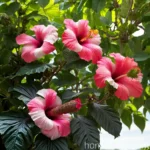
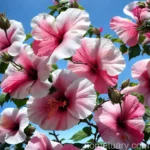
– The plant produces stunning, large, red flowers that add a vibrant pop of color to the garden landscape.
– When well-cared for, hardy hibiscus can be a low-maintenance addition to the garden, providing an abundance of blooms and attracting pollinators such as bees and butterflies.
Now, let’s explore the various aspects of cultivating and caring for hardy hibiscus.
What is Hardy Hibiscus (Hibiscus ‘Lord Baltimore’)?
Hardy hibiscus, also known as rose mallow or swamp hibiscus, is a perennial plant that is prized for its large, flamboyant flowers and its ability to thrive in colder climates. The specific variety ‘Lord Baltimore’ is particularly renowned for its vibrant, deep red flowers and its hardy nature. Unlike its tropical counterparts, hardy hibiscus can withstand freezing temperatures and is known for its resilience in northern gardens.
Culture
Cultivating hardy hibiscus involves understanding its specific cultural requirements to ensure optimal growth and blooming. Let’s delve into the cultural aspects of this remarkable plant:
Uses
Hardy hibiscus serves various purposes in the garden and landscape, making it a versatile and valued addition to outdoor spaces. Some common uses of hardy hibiscus include:
– Ornamental Purposes: The striking, large blooms of the ‘Lord Baltimore’ variety make it a popular choice for adding visual interest and color to gardens, borders, and landscaping.
– Wildlife Attraction: The nectar-rich flowers of hardy hibiscus attract pollinators such as bees, butterflies, and hummingbirds, contributing to the overall biodiversity of the garden.
Water
Proper watering is essential for the health and vigor of hardy hibiscus plants. Here are key considerations for watering this resilient species:
– Regular Watering: Hardy hibiscus generally benefits from regular watering, especially during dry spells or periods of drought. It is important to ensure consistent soil moisture without waterlogging the roots.
– Deep Watering: When watering, aim to provide deep soaks to encourage the development of a robust root system. Shallow watering may lead to shallow root growth, making the plant more susceptible to stress during periods of high heat or drought.
Sunlight
Sunlight plays a crucial role in the growth and blooming of hardy hibiscus. Understanding its sunlight requirements is essential for cultivating a flourishing plant:
– Full Sun: Hardy hibiscus thrives in full sun conditions, requiring at least 6 to 8 hours of direct sunlight daily. Planting it in a location that receives ample sunlight is vital for promoting abundant flowering and overall plant vitality.
Fertilizer
Fertilization contributes to the nourishment and healthy growth of hardy hibiscus, ensuring that it reaches its full blooming potential. Consider the following tips for fertilizing this cold-hardy species:
– Balanced Fertilizer: Use a balanced, slow-release fertilizer with an NPK ratio suited for flowering plants. A formulation such as 10-10-10 or 15-15-15 provides essential nutrients for robust growth and prolific flowering.
Soil
The soil in which hardy hibiscus is planted plays a significant role in its overall health and well-being. Understanding the soil preferences of this species is essential for successful cultivation:
– Moist, Well-Draining Soil: Hardy hibiscus thrives in moist, well-draining soil that is rich in organic matter. Amending the soil with compost or organic matter enhances its moisture retention capacity while promoting aeration and root health.
Pruning
Pruning is an important aspect of hibiscus care, contributing to plant aesthetics, health, and blooming. Consider the following guidelines for pruning hardy hibiscus:
– Spring Pruning: In late winter or early spring, prune hardy hibiscus to remove any dead or overwintered stems. This promotes new growth and encourages the development of vigorous flowering shoots.
– Deadheading: Regular deadheading, the removal of spent flowers, promotes continuous blooming and prevents the plant from expending energy on seed production.
Propagation
Propagating hardy hibiscus allows gardeners to expand their plant collection and share the beauty of this species with others. Consider the following methods for propagating Hibiscus ‘Lord Baltimore’:
– Division: Propagate hardy hibiscus through division by carefully separating the plant into smaller sections, each with its own roots and shoots. This is typically done in early spring before new growth emerges.
– Softwood Cuttings: Propagating from softwood cuttings is another viable method for creating new hibiscus plants. Select healthy, non-flowering shoots and root them in a well-draining rooting medium.
Container Popularity
While hardy hibiscus is commonly grown in garden beds and borders, it is also well-suited for container cultivation. Its striking flowers and adaptable nature make it a popular choice for container gardening, allowing gardeners to enjoy its beauty on patios, balconies, and other outdoor spaces.
Container
Cultivating hardy hibiscus in containers requires specific considerations to ensure the plant’s well-being and optimal growth:
– Container Size: Choose a large container that provides ample room for root development and accommodates the plant’s mature size. A container with drainage holes is essential to prevent waterlogging and root rot.
– Well-Draining Soil: Fill the container with a well-draining potting mix that retains moisture without becoming waterlogged. Incorporate organic matter to enhance the soil’s moisture retention capacity.
Common Diseases
While hardy hibiscus is relatively resilient, it is susceptible to certain diseases that can affect its overall health and blooming. Common diseases of hardy hibiscus include:
- Leaf Spot: Characterized by dark spots on the foliage, leaf spot can affect the aesthetics and vigor of the plant. Proper air circulation and avoiding overhead watering can help prevent this fungal disease.
- Powdery Mildew: A fungal infection that presents as a powdery white substance on the leaves, powdery mildew can weaken the plant. Adequate spacing, proper air circulation, and fungicidal treatments can assist in controlling this disease.
Disease Diagnosis
Diagnosing and addressing diseases in hardy hibiscus requires careful observation and prompt intervention. Look out for the following symptoms when diagnosing diseases in hibiscus plants:
– Leaf Discoloration: Yellowing, browning, or spotting on the leaves may indicate fungal or bacterial diseases.
– Abnormal Growth: Unusual growth patterns, such as distorted or stunted shoots, can be indicative of disease or pest infestation.
– Flower Abnormalities: Changes in flower color, size, or structure may signal underlying health issues in the plant.
Common Pests
Hardy hibiscus is generally resilient to most pests; however, it may occasionally face challenges from certain insects. Common pests that can affect hardy hibiscus include:
– Aphids: Small, sap-feeding insects that cluster on the undersides of leaves, aphids can cause leaf distortion and weaken the plant. Insecticidal soaps or horticultural oils can help control aphid infestations.
– Japanese Beetles: These voracious feeders can skeletonize hibiscus leaves and cause significant damage. Handpicking, neem oil, or insecticidal sprays can aid in managing Japanese beetle populations.
Botanist’s Tips
Armed with a deep understanding of hardy hibiscus and its unique requirements, here are some expert tips to enhance your success in cultivating and caring for this resilient species:
– Winter Protection: In regions with harsh winters, provide adequate winter protection for hardy hibiscus. Mulching around the base of the plant helps insulate the roots and protect them from freezing temperatures.
– Pruning Techniques: Employ proper pruning techniques to promote a strong, well-structured plant and encourage prolific flowering. Regular pruning and deadheading contribute to the overall vitality of the plant.
Fun Facts
To further appreciate the beauty and resilience of hardy hibiscus, consider these intriguing fun facts about this captivating plant:
– Floral Diversity: Hibiscus, including the ‘Lord Baltimore’ variety, showcases a remarkable diversity of flower colors, shapes, and sizes, captivating gardeners and plant enthusiasts worldwide.
– Pollinator Magnet: The nectar-rich flowers of hardy hibiscus attract a variety of pollinators, contributing to the ecological richness of garden landscapes.
Links to External Resources
For additional information on hardy hibiscus (Hibiscus ‘Lord Baltimore’) and related topics, explore the following external resources:
– The American Hibiscus Society: The official website of The American Hibiscus Society provides a wealth of information on hibiscus, including cultivation tips, varieties, and events.
– University of Maryland Extension – Hardy Hibiscus: The University of Maryland Extension offers valuable insights into the cultivation and care of hardy hibiscus, addressing common questions and concerns.
– Missouri Botanical Garden – Hibiscus: The Missouri Botanical Garden’s comprehensive plant database includes detailed information on various hibiscus species, including their cultural requirements and characteristics.
Embracing Hardy Hibiscus
Hardy hibiscus, particularly the revered ‘Lord Baltimore’ variety, stands as a testament to nature’s resilience and beauty. With its exceptional cold-hardiness and stunning visual appeal, this flowering species enriches garden landscapes and inspires admiration among plant enthusiasts. By understanding and implementing the best practices for its cultivation and care, gardeners can experience the joy of nurturing hardy hibiscus and witnessing its remarkable blooms grace their outdoor spaces.
Whether you seek to create a vibrant garden oasis in a challenging climate or simply appreciate the allure of cold-tolerant flowering plants, hardy hibiscus emerges as an exemplary choice for nature enthusiasts and garden aficionados alike. Through careful attention to its cultural needs, disease prevention strategies, and expert tips, you can foster the growth and flourishing of hardy hibiscus, ultimately experiencing the enduring beauty and resilience of this captivating plant. Here’s to the enduring allure of hardy hibiscus, a winter survivor that fills gardens with vibrant colors and captivates hearts with its unwavering tenacity.
In conclusion, the resilient nature of hardy hibiscus, especially the ‘Lord Baltimore’ variety, offers a testament to the adaptability and beauty of plant life. By embracing its unique charms and understanding its specific requirements, gardeners can cultivate thriving specimens that add a burst of color and vitality to their outdoor spaces, even in the face of challenging climates. I hope this comprehensive guide has equipped you with the knowledge and inspiration to embark on your journey of nurturing hardy hibiscus and reveling in its remarkable attributes.
Now that you have learned about hardy hibiscus (Hibiscus ‘Lord Baltimore’), including its culture, uses, water and sunlight requirements, fertilization, soil preferences, pruning techniques, propagation methods, common diseases, and pest management strategies, you are well-prepared to embark on your journey of cultivating and caring for this resilient and captivating flowering plant. Happy gardening!