Hibiscus Rosa-sinensis ‘Hula Girl’ (Tropical Hibiscus)
The Hibiscus rosa-sinensis, commonly known as Tropical Hibiscus, is a stunning plant admired for its vibrant and exotic flowers. Among its many varieties.
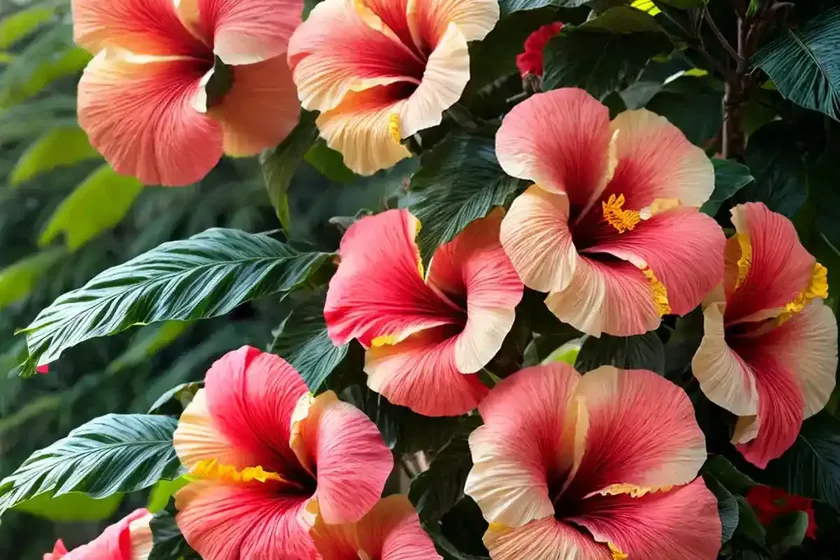
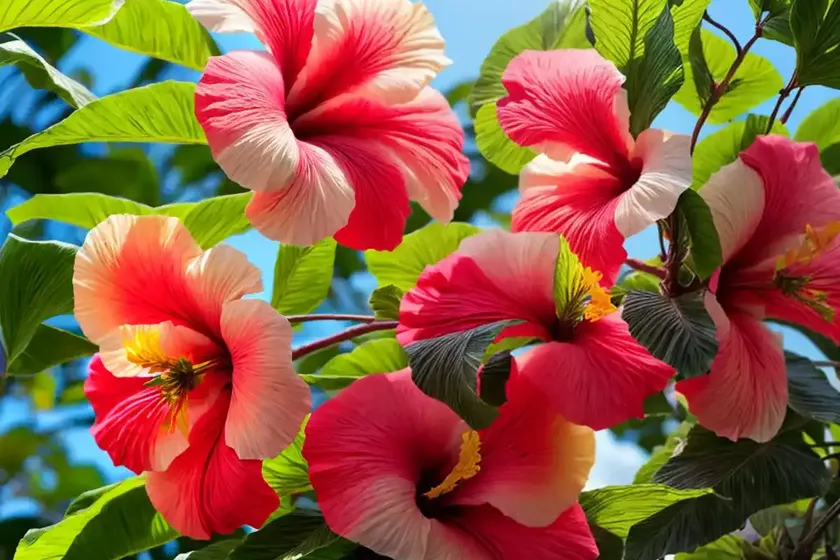
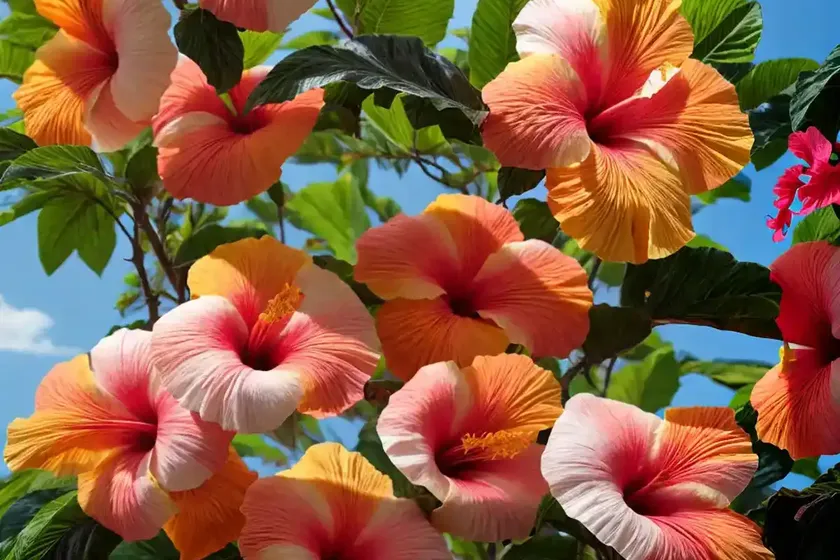
The Hibiscus rosa-sinensis, commonly known as Tropical Hibiscus, is a stunning plant admired for its vibrant and exotic flowers. Among its many varieties, the ‘Hula Girl’ stands out with its unique and eye-catching blooms. In this comprehensive care guide, we will delve into the fascinating world of Hibiscus rosa-sinensis ‘Hula Girl,’ exploring its culture, uses, care requirements, common diseases, and much more.
What is Hibiscus rosa-sinensis ‘Hula Girl’?
The Hibiscus rosa-sinensis ‘Hula Girl’ is a tropical flowering plant that belongs to the Malvaceae family. Originating from the tropical regions of Asia and the Pacific Islands, this stunning variety is prized for its large, colorful flowers and lush foliage. The ‘Hula Girl’ hibiscus cultivar is named for its enchanting blooms, which resemble the vibrant skirts worn by hula dancers, evoking a sense of joy and tropical beauty.
Key Takeaways – Hibiscus rosa-sinensis ‘Hula Girl’ (Tropical Hibiscus)
Before we delve into the specifics of caring for the ‘Hula Girl’ hibiscus plant, let’s take a look at some key takeaways that will guide us through this comprehensive care guide.
- Plant Name: Hibiscus rosa-sinensis ‘Hula Girl’ (Tropical Hibiscus)
- Hardiness: USDA zones 9-11
- Bloom Time: Spring, summer, and fall
- Watering: Regular watering to maintain consistently moist soil
- Sunlight: Full sun to partial shade
- Fertilization: Balanced, water-soluble fertilizer
- Soil: Well-draining, nutrient-rich soil
- Pruning: Regular pruning to maintain shape and encourage prolific blooming
- Propagation: Stem cuttings, air layering, or seeds
- Container: Well-draining pots or containers
- Common Diseases: Leaf spot, rust, and powdery mildew
- Common Pests: Aphids, spider mites, and whiteflies
Now that we have an overview of the key aspects of caring for the ‘Hula Girl’ hibiscus, let’s explore each of these elements in detail.
Culture
Uses
The ‘Hula Girl’ hibiscus boasts a range of uses, making it a versatile and valuable addition to any garden or landscape. Here are some common uses of this tropical beauty:
- Garden Feature: The striking blooms and lush foliage of the ‘Hula Girl’ hibiscus make it a standout feature in garden borders, tropical-themed landscapes, and coastal gardens.
- Container Plant: Its adaptability to container gardening makes it an excellent choice for patios, balconies, and outdoor living spaces.
- Hedging: With proper care and maintenance, the ‘Hula Girl’ hibiscus can be shaped into a beautiful, flowering hedge.
- Indoor Plant: In regions with harsh winters, the ‘Hula Girl’ hibiscus can be grown as a houseplant, bringing tropical beauty indoors.
Water
Proper watering is crucial for the health and vitality of the ‘Hula Girl’ hibiscus. This tropical beauty thrives in evenly moist soil, but it is essential to strike a balance and avoid waterlogging. Here are some key points to consider when watering your ‘Hula Girl’ hibiscus:
- Consistent Moisture: Aim to keep the soil consistently moist, particularly during the growing season and hot weather. However, avoid waterlogging the soil, as this can lead to root rot and other issues.
- Deep Watering: When watering, ensure that the water penetrates the root zone deeply, encouraging robust root development.
- Mulching: Applying a layer of organic mulch around the base of the plant can help retain soil moisture and reduce water evaporation.
Sunlight
The ‘Hula Girl’ hibiscus thrives in bright, sunny conditions, making it ideal for tropical and subtropical landscapes. When choosing a location for this plant, consider the following sunlight requirements:
- Full Sun: For optimal growth and abundant flowering, provide at least 6-8 hours of direct sunlight daily. In regions with intense afternoon sun, partial shade during the hottest part of the day may be beneficial.
- Indoor Lighting: When grown as a houseplant, place the ‘Hula Girl’ hibiscus near a sunny window where it can receive ample natural light.
Fertilizer
Proper fertilization is essential for encouraging healthy growth and prolific blooming in the ‘Hula Girl’ hibiscus. Here are some key points to keep in mind when fertilizing this tropical beauty:
- Balanced Fertilizer: Use a balanced, water-soluble fertilizer with an NPK ratio of 10-10-10 or similar formulation. Apply the fertilizer every 4-6 weeks during the growing season, following the manufacturer’s recommendations for dilution and application.
- Micronutrients: In addition to the primary macronutrients (nitrogen, phosphorus, and potassium), consider using a fertilizer that contains essential micronutrients such as iron, magnesium, and manganese to support overall plant health and vitality.
Soil
The ‘Hula Girl’ hibiscus thrives in well-draining, nutrient-rich soil that provides a supportive growing medium for its roots. Whether planted in the ground or in a container, consider the following soil requirements for this tropical beauty:
- Well-Draining Soil: Ensure that the soil has excellent drainage to prevent waterlogging and root rot. Amending heavy clay soils with organic matter such as compost or peat moss can improve drainage and aeration.
- pH Level: The ideal soil pH for ‘Hula Girl’ hibiscus is slightly acidic to neutral, ranging from 6.0 to 6.5. Conduct a soil test to determine the pH and make adjustments as necessary.
Pruning
Regular pruning is essential for maintaining the shape, size, and overall health of the ‘Hula Girl’ hibiscus. Additionally, proper pruning practices can stimulate new growth and encourage abundant flowering. Here are some key tips for pruning this tropical beauty:
- Deadheading: Remove spent flowers regularly to promote continuous blooming and prevent the formation of seeds, which can divert energy from flower production.
- Shape and Structure: Prune selectively to maintain a balanced and desirable shape for the plant. Remove any dead or overgrown branches to enhance airflow and sunlight penetration within the canopy.
- Timing: The best time to prune the ‘Hula Girl’ hibiscus is in late winter or early spring before the new growth emerges. Avoid heavy pruning during the active growing season, as this can reduce flowering.
Propagation
The ‘Hula Girl’ hibiscus can be propagated through various methods, including stem cuttings, air layering, and seeds. Here’s a closer look at each propagation method:
Stem Cuttings
Propagating the ‘Hula Girl’ hibiscus from stem cuttings is a reliable and efficient method to create new plants with identical characteristics to the parent plant. Follow these steps to propagate hibiscus from cuttings:
- Select a healthy, non-flowering stem measuring 4-6 inches in length.
- Prepare the cutting by making a clean, angled cut just below a leaf node.
- Remove the lower leaves from the cutting, leaving 1-2 sets of leaves at the tip.
- Dip the cut end of the stem in rooting hormone to encourage root development.
- Plant the cutting in a small pot filled with a well-draining rooting medium, such as perlite or vermiculite.
- Place the pot in a warm, bright location, and keep the soil consistently moist.
- After a few weeks, the cutting should form roots and can be transplanted into a larger pot or the garden.
Air Layering
Air layering is another effective propagation method that allows you to create new ‘Hula Girl’ hibiscus plants while they are still attached to the parent plant. Follow these steps for successful air layering:
- Select a healthy, straight stem with a section that you wish to air layer.
- Create a 1-inch-long wound on the stem by removing a small section of bark.
- Apply rooting hormone to the exposed area to stimulate root development.
- Wrap the wounded area with moist sphagnum moss, and cover it with a sheet of clear plastic. Secure the plastic with twist ties or rubber bands.
- Check the moisture level of the moss regularly, and mist it if it begins to dry out.
- After 6-8 weeks, roots should form within the moss, indicating that the air layering process is successful. Carefully remove the rooted section from the parent plant and plant it in a suitable growing medium.
Seeds
While propagating the ‘Hula Girl’ hibiscus from seeds is possible, it’s important to note that the resulting plants may not retain the exact characteristics of the parent plant. Here’s how you can propagate hibiscus from seeds:
- Obtain fresh hibiscus seeds from mature seed pods.
- Fill small seedling pots with a well-draining potting mix, and moisten the soil.
- Plant the hibiscus seeds on the soil surface, and cover them lightly with a thin layer of additional potting mix.
- Place the pots in a warm, bright location, and keep the soil consistently moist.
- Germination typically occurs within 1-2 weeks, at which point the seedlings can be cared for and grown into mature plants.
Container
Growing the ‘Hula Girl’ hibiscus in containers offers flexibility and convenience, allowing you to create a stunning display on patios, decks, or other outdoor spaces. Here are some container gardening tips for the ‘Hula Girl’ hibiscus:
- Pot Size: Choose a container that provides ample space for the hibiscus’ root system to spread and grow. A 12- to 16-inch diameter pot is typically suitable for a young plant, with the option to upsize as the plant grows.
- Drainage Holes: Ensure that the container has adequate drainage holes to prevent water accumulation at the bottom, which can lead to root rot.
- Soil Mix: Use a well-draining potting mix that retains moisture while allowing excess water to escape easily. Adding perlite or coarse sand to the mix can improve drainage.
Popularity
The ‘Hula Girl’ hibiscus has gained popularity among gardening enthusiasts and landscape designers for its stunning visual appeal and versatility. Its vivid, tropical blooms and lush foliage make it a sought-after addition to gardens, landscapes, and indoor plant collections. Whether grown as a potted specimen on a patio or as a focal point in a garden border, the ‘Hula Girl’ hibiscus never fails to captivate with its vibrant presence.
Common Diseases
Despite its resilience, the ‘Hula Girl’ hibiscus is susceptible to certain diseases that can impact its health and appearance. Here are some common diseases that may affect this tropical beauty:
- Leaf Spot: Characterized by the presence of dark, irregular spots on the leaves, leaf spot is often caused by fungal pathogens. Proper sanitation and adequate airflow can help prevent this issue.
- Rust: Rust appears as reddish-orange spores on the undersides of leaves and can lead to premature leaf drop. Treat affected plants with fungicidal sprays to control rust infections.
- Powdery Mildew: This fungal disease manifests as a powdery white coating on the leaves, stems, and flowers. Improving air circulation and avoiding overhead watering can help prevent powdery mildew.
Disease Diagnosis
When diagnosing diseases in the ‘Hula Girl’ hibiscus, it’s essential to closely examine the symptoms and assess potential contributing factors. Here are some steps to follow when diagnosing and addressing diseases in hibiscus plants:
- Symptom Identification: Take note of any visible symptoms, such as spots, discoloration, or unusual growth patterns on the leaves, stems, or flowers.
- Environmental Assessment: Evaluate the growing conditions, including watering practices, sunlight exposure, and air circulation, to identify any potential stress factors.
- Pest Inspection: Check for the presence of common pests, as their feeding activity can weaken the plant and make it more susceptible to diseases.
- Consultation: If the cause of the issue is unclear or if the symptoms persist despite your efforts, consider consulting with a plant specialist or horticulturist for further guidance.
Common Pests
In addition to diseases, the ‘Hula Girl’ hibiscus may encounter pest infestations that require attention and management. Here are some common pests that may affect this tropical beauty:
- Aphids: These small, soft-bodied insects feed on plant sap and can cause distorted growth and yellowing of leaves. Control aphids by spraying the plant with a strong stream of water or using insecticidal soap.
- Spider Mites: These tiny arachnids thrive in dry, dusty conditions and can cause stippling and webbing on the leaves. Boost humidity levels and apply horticultural oil to manage spider mite infestations.
- Whiteflies: Whiteflies are small, flying insects that congregate on the undersides of leaves and feed on plant juices. Introduce natural predators such as ladybugs or use yellow sticky traps to control whitefly populations.
Botanist’s Tips
To ensure the success and vitality of the ‘Hula Girl’ hibiscus, here are some valuable tips from botanists and gardening experts:
- Regular Monitoring: Routinely inspect your hibiscus plant for signs of pests, diseases, or nutrient deficiencies. Early detection and intervention can prevent issues from escalating.
- Consistent Care: Provide consistent watering, sunlight, and fertilization to support healthy growth and abundant flowering.
- Pruning Guidance: When pruning the ‘Hula Girl’ hibiscus, focus on maintaining an open, airy canopy to promote good airflow and minimize the risk of disease.
Fun Facts
Let’s explore some fascinating and lesser-known facts about the ‘Hula Girl’ hibiscus:
- The ‘Hula Girl’ hibiscus is also known by its botanical name, Hibiscus rosa-sinensis, which reflects its origins in China (rosa-sinensis translates to “rose of China”).
- In addition to their ornamental value, hibiscus flowers are used in various cultures for culinary and medicinal purposes. Hibiscus tea, made from the dried calyces of the flower, is celebrated for its vibrant color and tart, floral flavor.
Links to External Resources
For further information and resources on caring for the ‘Hula Girl’ hibiscus, consider exploring the following websites and publications:
- The American Hibiscus Society
- University of Florida IFAS Extension: Hibiscus Diseases
- Royal Horticultural Society: Hibiscus Care Guide
As we conclude our comprehensive care guide for the ‘Hula Girl’ hibiscus, we hope that you feel inspired and equipped to cultivate and enjoy the beauty of this tropical treasure. With the right care and attention, the ‘Hula Girl’ hibiscus will reward you with a spectacular display of vibrant blooms and lush foliage, adding a touch of tropical allure to your garden or living space.
Remember to share the joy of growing hibiscus with fellow plant enthusiasts, and celebrate the remarkable beauty and resilience of the ‘Hula Girl’ hibiscus in all its colorful glory.
Disclaimer: The contents of this care guide are for informational purposes only and do not constitute professional horticultural or botanical advice. Always consult with a qualified horticulturist or plant specialist for personalized guidance on caring for specific plant species and cultivars.


