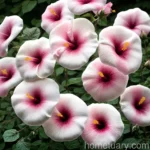
hibiscus (Hibiscus ‘Giant Maroon’): A Comprehensive Care Guide
Hibiscus is a popular and stunning flowering plant that adds a tropical touch to gardens and landscapes. Among the various cultivars of hibiscus, the ‘Giant Maroon’ stands out for its vibrant and large maroon-colored blooms. In this comprehensive care guide, we will explore the intricacies of nurturing and maintaining the beautiful hibiscus (Hibiscus ‘Giant Maroon’). From its cultural preferences to common diseases and pest management, this guide aims to equip plant enthusiasts with the knowledge and techniques needed to ensure the optimal growth and blooming of this captivating plant.
Key Takeaways – hibiscus (Hibiscus ‘Giant Maroon’)
- Sunlight: Requires full sun for optimal growth and abundant flowering.
- Watering: Needs regular watering to keep the soil consistently moist, especially during the growing season.
- Soil: Thrives in well-draining, slightly acidic soil rich in organic matter.
- Fertilizer: Benefits from regular applications of a balanced, slow-release fertilizer during the growing season.
- Pruning: Pruning is essential for shaping the plant, promoting new growth, and managing its size.
- Propagation: Can be propagated from cuttings or seeds, with each method having its own set of requirements.
- Container Popularity: ‘Giant Maroon’ hibiscus is a suitable choice for container gardening, offering versatility in placement.
- Common Diseases: Susceptible to fungal diseases such as powdery mildew and leaf spot, especially in humid conditions.
- Common Pests: Attracts pests like aphids, whiteflies, and spider mites, requiring vigilant pest management.
- Fun Facts: Hibiscus flowers are not only aesthetically pleasing but are also used in various cultural and culinary practices across the globe.
What is hibiscus (Hibiscus ‘Giant Maroon’)?
Hibiscus, part of the mallow family, is a diverse genus comprising hundreds of species that display an array of flower colors, shapes, and sizes. The ‘Giant Maroon’ cultivar, in particular, is recognized for its sizable, deep maroon flowers that make a striking visual impact. Its lush, green foliage and the sheer size of its blooms further contribute to its allure. Whether grown in gardens, containers, or as a centerpiece in landscapes, the ‘Giant Maroon’ hibiscus is a captivating addition that demands attention with its showy blossoms and rich coloration.
Culture
Successfully growing and nurturing hibiscus (Hibiscus ‘Giant Maroon’) requires an understanding of its cultural preferences. From water and sunlight requirements to fertilizer needs, providing the optimal growing conditions can significantly influence its overall health and blooming potential.
Uses
The ‘Giant Maroon’ hibiscus is a versatile plant with numerous applications in both landscaping and individual cultivation. Its uses include:
- Ornamental Display: The vibrant maroon flowers make it a visually appealing addition to gardens, patios, and balconies.
- Privacy Screening: Its dense foliage and substantial growth make it suitable for creating privacy screens or hedges.
- Container Gardening: Its adaptability to container growth allows for placement on decks, porches, or any confined spaces.
- Cut Flowers: The large, eye-catching blooms make for stunning cut flower arrangements, adding a touch of exotic elegance to indoor spaces.
Water
Proper watering is crucial for the health and vitality of hibiscus plants, including the ‘Giant Maroon’ cultivar. Achieving the right balance in watering practices can ensure the plant’s ability to thrive and produce an abundance of blooms.
- Watering Tips:
- Consistent Moisture: Maintain consistently moist, not waterlogged, soil for optimal growth. Water the plant deeply, ensuring that the water reaches the root zone.
- Frequency: Water the plant regularly, especially during hot and dry periods. Adjust the frequency based on weather conditions and the plant’s stage of growth.
- Avoid Overhead Watering: Minimize overhead watering, as wet foliage can increase the risk of fungal diseases.
Sunlight
Hibiscus plants, including the ‘Giant Maroon’ variety, are known for their preference for sunlight. Adequate exposure to sunlight is essential for promoting healthy growth and profuse flowering.
- Sun Requirements:
- Full Sun: Hibiscus ‘Giant Maroon’ thrives in full sun locations, receiving at least 6 to 8 hours of direct sunlight per day.
- Shade Considerations: While it requires ample sunlight, providing some protection from the intense midday sun in extremely hot climates can prevent stress on the plant.
Fertilizer
To support the robust growth and prolific flowering of hibiscus (Hibiscus ‘Giant Maroon’), the application of appropriate fertilizers forms an integral part of its care regimen.
- Fertilizer Needs:
- Balanced Fertilizer: Use a balanced, slow-release fertilizer with a higher ratio of potassium (K) to encourage flowering and overall plant vigor.
- Application Frequency: Apply fertilizer every 4 to 6 weeks during the growing season, reducing or halting applications during the plant’s dormant phase.
Soil
The right soil conditions are paramount to the health and performance of hibiscus plants. Understanding the ideal soil type and making necessary amendments contribute significantly to successful cultivation.
- Best Soil for Hibiscus ‘Giant Maroon’:
- Well-Draining: Requires well-draining soil to prevent waterlogging, which can lead to root rot.
- Acidic pH: Prefers slightly acidic soil with a pH range of 6.0 to 6.5. Amending soil with organic matter can help maintain these pH levels.
- Organic Matter: Enrich the soil with organic matter such as compost or well-rotted manure to enhance its fertility and texture.
Pruning
Pruning is an essential aspect of hibiscus care, catering to both aesthetic concerns and the plant’s overall health. Proper pruning enhances the plant’s shape, controls its size, and stimulates new growth and blooming.
- Pruning Techniques:
- Regular Maintenance: Remove spent flowers and wilted or damaged foliage promptly to encourage continuous blooming and maintain a tidy appearance.
- Size Management: Trim back overgrown or leggy branches to maintain the desired size and shape of the plant.
- Seasonal Pruning: Conduct more severe pruning, if needed, in early spring to stimulate vigorous growth and flowering during the growing season.
Propagation
Propagating hibiscus ‘Giant Maroon’ allows for the expansion of its presence in gardens and landscapes. Understanding the methods and best practices for propagation ensures successful reproduction of this captivating variety.
- Propagation Methods:
- Cuttings: Propagate from stem cuttings taken from healthy, mature plants. Ensure the cuttings have at least 2 nodes and remove any flowers or buds.
- Seeds: Sow seeds in well-draining, moist soil. Keep the soil consistently damp until germination occurs, typically within 2 to 3 weeks.
Container Popularity
Hibiscus (Hibiscus ‘Giant Maroon’) is well-suited for container gardening, offering versatility and the ability to thrive in confined spaces, such as patios, decks, or balconies.
- Benefits of Container Growth:
- Space Flexibility: Ideal for individuals with limited garden space, allowing them to enjoy the beauty of hibiscus in a container on patios, balconies, or even indoors.
- Mobility: Provides the convenience of moving the plant to different locations based on sunlight and temperature requirements.
Common Diseases
Like many plants, hibiscus ‘Giant Maroon’ is susceptible to certain diseases, primarily fungal infections such as powdery mildew and leaf spot.
- Disease Prevention:
- Air Circulation: Ensure good air circulation around the plant to prevent the development and spread of fungal diseases.
- Healthy Practices: Maintain cleanliness in the garden, removing fallen leaves and debris where pathogens can harbor.
Disease Diagnosis
Early detection and diagnosis of diseases are crucial in implementing effective control measures and preventing the spread of infections to other plants.
- Signs of Disease:
- Powdery Mildew: Characterized by a powdery, white coating on the leaves and stems.
- Leaf Spot: Appears as circular, dark spots on the leaves, often with yellow halos around them.
Common Pests
Pests can pose a threat to the overall health and aesthetics of hibiscus plants, including the ‘Giant Maroon’ variety. Vigilant pest management can help in preventing infestations and minimizing damage.
- Common Pests Affecting Hibiscus:
- Aphids: Small, sap-sucking insects that can cause leaf distortion and affect plant vigor.
- Whiteflies: Tiny, white insects found on the undersides of leaves, resulting in yellowing and wilting of foliage.
- Spider Mites: These pests can cause stippling and webbing on leaves, leading to a decline in plant health.
Botanist’s Tips
Hibiscus (Hibiscus ‘Giant Maroon’) can be a rewarding plant to grow, and following these botanist’s tips can contribute to its overall success and vitality.
- Tip 1: Regularly monitor and inspect the plant for any signs of pests or diseases, addressing issues promptly to prevent escalation.
- Tip 2: Encourage a healthy root system by ensuring adequate drainage and avoiding waterlogged soil.
- Tip 3: Research specific climate and soil suitability for the ‘Giant Maroon’ hibiscus, based on regional variations, to optimize its growth and flowering potential.
Fun Facts
Hibiscus is not only a beautiful flowering plant but also holds cultural and culinary significance in various regions worldwide. Here are some intriguing facts about the ‘Giant Maroon’ hibiscus:
- The hibiscus flower is the national flower of South Korea and Malaysia, symbolizing delicate beauty and fleeting moments.
- Hibiscus flowers are used for making traditional herbal teas, such as the vibrant red hibiscus tea, which is enjoyed for its refreshing taste and potential health benefits.
- In addition to its ornamental and culinary uses, hibiscus is associated with traditions and celebrations in different cultures, adding a sense of festivity and symbolism to various occasions.
Links to External Resources
For further information and detailed guidance on hibiscus (Hibiscus ‘Giant Maroon’) care, consider exploring the following resources:
- American Hibiscus Society: The American Hibiscus Society provides a wealth of knowledge on hibiscus cultivation, including specific care instructions for different varieties.
- Royal Horticultural Society (RHS): The RHS offers comprehensive plant profiles and expert advice on growing and caring for a wide range of plant species, including hibiscus.
- University Extension Services: Local university extension services often provide region-specific recommendations for horticultural practices, including soil amendments, pest management, and climate considerations.
As a statement on the importance of sharing accurate information, the above resources are provided to offer additional insights and expertise on hibiscus care, ensuring that enthusiasts can access reliable guidance for nurturing the ‘Giant Maroon’ hibiscus and other plant varieties.
As an enthusiast and cultivator of hibiscus (Hibiscus ‘Giant Maroon’), comprehending the plant’s specific care needs and growth requirements is fundamental to fostering its luxurious blooms and vibrant presence. With the insights and tips outlined in this comprehensive care guide, plant enthusiasts can embark on a journey of nurturing and enjoying the stunning beauty of the ‘Giant Maroon’ hibiscus, creating lush displays that captivate the senses and elevate the aesthetics of outdoor and indoor landscapes.