Hibiscus grandiflorus (Swamp Rose Mallow): A Complete Guide for Cultivation and Care
Hibiscus grandiflorus, commonly known as Swamp Rose Mallow, is a stunning perennial plant that is native to the wetlands and marshes of North America. Belonging to the Malvaceae family, this plant is admired for its large, showy flowers and its ability to thrive in wet or waterlogged soils.
In this comprehensive guide, we will explore all aspects of cultivating and caring for Hibiscus grandiflorus, including its cultural requirements, uses, pruning techniques, propagation methods, common diseases and pests, and much more. Whether you are an experienced gardener or a beginner looking to add a touch of elegance to your garden, this guide will provide you with valuable insights into the world of Swamp Rose Mallow.
What is Hibiscus grandiflorus (Swamp Rose Mallow)?
Hibiscus grandiflorus is a herbaceous perennial plant renowned for its striking, hibiscus-like flowers that bloom throughout the summer and into early fall. The plant typically reaches a height of 4-7 feet and has a spread of 3-4 feet, making it an excellent choice for adding height and color to garden borders, wetland areas, or naturalized landscapes.
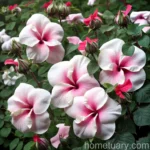
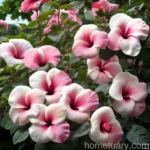
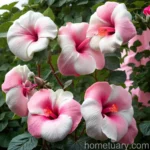
The leaves of Hibiscus grandiflorus are alternate, palmately veined, and have a deep green color, providing an attractive backdrop to the vibrant blooms. The flowers are relatively large, ranging from white to pale pink or rose, with a prominent crimson or maroon center. These eye-catching flowers are a magnet for pollinators, including bees, butterflies, and hummingbirds, adding an element of wildlife attraction to the garden.
Key Takeaways – Hibiscus grandiflorus (Swamp Rose Mallow)
Before delving into the specifics of cultivating and caring for Swamp Rose Mallow, let’s highlight some key takeaways that will guide our exploration of this captivating plant:
- Scientific Name: Hibiscus grandiflorus
- Common Name: Swamp Rose Mallow
- Family: Malvaceae
- Plant Type: Herbaceous perennial
- Native Habitat: North American wetlands and marshes
- Flowering Season: Summer to early fall
- Flower Colors: White, pale pink, rose, with a crimson or maroon center
- Height: 4-7 feet
- Spread: 3-4 feet
- Wildlife Attraction: Bees, butterflies, hummingbirds
- Cultural Requirements: Water, sunlight, soil, fertilizer, pruning, propagation
Now, let’s delve deeper into each of these aspects to understand how to best cultivate and care for Hibiscus grandiflorus.
Culture
Cultivating Hibiscus grandiflorus successfully requires an understanding of its specific cultural requirements. From water and sunlight to soil and fertilizer, providing the right conditions is crucial for the plant’s overall health and vigorous growth.
Water
As a plant that naturally thrives in wetland habitats, Hibiscus grandiflorus has a high affinity for moisture. Adequate water supply is essential for the plant to flourish, especially during its active growth and blooming periods. Here are some tips for ensuring proper water management for Swamp Rose Mallow:
- Watering Frequency: Regular watering is essential, especially during dry spells or prolonged periods of hot weather. Aim to keep the soil consistently moist but not waterlogged.
- Soil Moisture: The plant prefers moist to wet soils and is an excellent choice for gardens with poor drainage or water-logged areas.
- Mulching: Applying a layer of organic mulch around the base of the plant can help retain soil moisture and regulate the temperature of the root zone.
Sunlight
In addition to adequate moisture, Hibiscus grandiflorus requires ample sunlight to thrive and produce an abundance of flowers. Here’s what you need to know about meeting the plant’s sunlight needs:
- Full Sun: Provide the plant with full sun exposure, meaning at least 6-8 hours of direct sunlight per day. In cooler climates, the plant can tolerate partial shade, but it may result in reduced flowering.
- Morning Sun: While the plant can tolerate some afternoon shade, it thrives when it receives the morning sun, which helps dry off any dew or moisture on the foliage, reducing the risk of fungal diseases.
Fertilizer
Proper fertilization is essential for promoting healthy growth and prolific blooming in Hibiscus grandiflorus. Consider the following fertilizer recommendations for this plant:
- Balanced Fertilizer: Use a balanced, slow-release fertilizer with an N-P-K ratio of 10-10-10 or similar. Apply the fertilizer in early spring as new growth emerges, following the manufacturer’s instructions for the appropriate dosage.
- Organic Amendments: Incorporating organic matter, such as compost or well-rotted manure, into the soil during planting or as a top dressing in spring, can provide essential nutrients and improve soil structure.
Soil
Understanding the soil requirements of Hibiscus grandiflorus is crucial for establishing a thriving growing environment. Here’s what you need to know about the plant’s soil preferences:
- Moist, Well-Drained Soil: The plant thrives in moist to wet soils with good drainage. While it has a preference for water, it does not tolerate water-logged conditions for extended periods.
- pH Level: Swamp Rose Mallow prefers slightly acidic to neutral soil with a pH range of 6.0-6.8. Conduct a soil test to determine the pH of the planting site and amend the soil as needed.
- Organic Matter: Incorporating organic matter into the soil, such as peat moss or compost, can improve moisture retention and fertility, creating an optimal growing medium for the plant.
Pruning
Proper pruning is essential for maintaining the health, shape, and vigor of Hibiscus grandiflorus. Additionally, timely pruning can encourage the plant to produce more flowers and prevent the development of diseases. Consider the following guidelines for pruning Swamp Rose Mallow:
- Spring Pruning: In early spring, remove any dead or damaged stems, as well as any growth that appears weak or spindly. This encourages the plant to focus its energy on developing healthy new growth.
- Deadheading: Remove spent flowers regularly to promote continuous blooming and prevent the formation of seed pods, which can divert the plant’s energy away from flower production.
- Selective Pruning: As the plant grows, selectively prune to maintain a balanced and open framework, allowing air and sunlight to reach all parts of the plant.
Propagation
Propagating Hibiscus grandiflorus allows you to expand your collection of these beautiful plants or share them with fellow gardening enthusiasts. The following methods can be used to propagate Swamp Rose Mallow:
- Division: Divide mature plants in early spring before new growth emerges or in early fall. Use a sharp, clean knife to divide the clumps, ensuring that each division has a good root system and several growing points.
- Softwood Cuttings: In early summer, take 4-6 inch cuttings from the terminal growth of healthy plants. Remove the lower leaves, dip the cut end in rooting hormone, and plant the cuttings in a well-draining propagation medium.
- Seed Propagation: Collect mature seeds from the plant in the fall and sow them in a seed-starting mix in early spring. Provide bottom heat and consistent moisture to enhance germination.
Container Popularity
Hibiscus grandiflorus is gaining popularity as a container plant, allowing gardeners to enjoy its striking flowers and lush foliage in a versatile and mobile setting. When it comes to growing Swamp Rose Mallow in containers, consider the following tips for success:
- Container Size: Select a large container with adequate drainage holes, as the plant’s extensive root system requires ample space to grow and thrive.
- Soil Mix: Use a well-draining, moisture-retentive potting mix with a slightly acidic pH. Consider adding perlite or vermiculite to improve drainage and aeration.
- Watering: Container-grown plants may require more frequent watering, especially during hot weather. Monitor the moisture level of the soil and water when the top inch feels dry to the touch.
- Sunlight: Place the container in a location that receives 6-8 hours of direct sunlight per day, such as a sunny patio or balcony.
Swamp Rose Mallow can brighten up outdoor living spaces, patios, and balconies with its vibrant blooms, making it a popular choice for container gardening enthusiasts.
Common Diseases
While Hibiscus grandiflorus is generally resilient, it is susceptible to certain diseases that can impact its overall health and vigor. By being aware of these common diseases, you can take proactive measures to prevent and manage them effectively.
Disease Diagnosis
The following are some of the common diseases that may affect Hibiscus grandiflorus:
- Leaf Spot: This fungal disease can cause dark spots with yellow halos to form on the plant’s foliage. It is more prevalent during periods of high humidity and wet conditions.
- Powdery Mildew: A white, powdery growth on the leaves and stems of the plant indicates the presence of powdery mildew. This fungal disease can weaken the plant if left untreated.
- Root Rot: Excessive moisture and poor drainage can lead to root rot, characterized by the browning and decay of the plant’s root system. It can cause wilting and stunted growth.
Disease Prevention
To minimize the risk of disease and maintain the overall health of Hibiscus grandiflorus, consider the following preventive measures:
- Proper Air Circulation: Prune the plant to maintain an open, airy structure that allows for good air circulation, reducing the likelihood of fungal diseases.
- Mulching Care: Avoid piling mulch too close to the plant’s base, as excessive moisture retention around the stems can invite fungal infections.
- Water Management: Practice careful watering to avoid waterlogging the soil, as excessively wet conditions can lead to root rot and other fungal issues.
By remaining vigilant and addressing any signs of disease promptly, you can help protect your Hibiscus grandiflorus from common ailments that may affect its vitality.
Common Pests
Hibiscus grandiflorus is relatively resistant to pest infestations, but certain insects can still pose a threat to the plant’s well-being. Knowing which pests to watch out for and how to manage them is essential for maintaining the plant’s health.
Pests Identification
Keep an eye out for the following common pests that may affect Swamp Rose Mallow:
- Aphids: These small, soft-bodied insects can cluster on the undersides of the plant’s leaves and suck sap from the tender new growth, causing distortion and yellowing of the foliage.
- Japanese Beetles: These metallic green and bronze beetles can skeletonize the leaves of the plant if present in large numbers, leading to a significant reduction in the plant’s aesthetic appeal and vigor.
- Caterpillars: Certain caterpillars, such as those of the hibiscus sawfly, may feed on the leaves of the plant, causing visible damage and defoliation.
Pest Control
Implement the following pest management strategies to protect your Hibiscus grandiflorus from common invaders:
- Natural Predators: Encourage the presence of natural predators, such as ladybugs and lacewings, which feed on aphids and other small pests.
- Handpicking: If pest populations are limited, physically remove the insects from the plant by hand and dispose of them to prevent further infestations.
- Organic Sprays: Use organic insecticidal soaps or neem oil to control aphids, caterpillars, and other soft-bodied pests without harming beneficial insects and pollinators.
By taking proactive measures to monitor and manage pest activity, you can safeguard the health and beauty of Hibiscus grandiflorus.
Botanist’s Tips
In addition to the fundamental care practices and strategies discussed, here are some additional tips and insights from botanists and horticultural experts to help you cultivate and care for Hibiscus grandiflorus successfully:
- Mulching Benefits: Apply mulch around the base of the plant to conserve soil moisture, suppress weeds, and moderate soil temperature, enhancing the overall growing conditions for Swamp Rose Mallow.
- Watering Considerations: Although the plant favors moist conditions, avoid overwatering, as it can lead to root rot and other moisture-related issues.
- Fertilization Timing: In addition to spring fertilization, consider applying a balanced, slow-release fertilizer in early summer to support the plant’s continued growth and blooming.
- Winter Protection: In regions with cold winters, provide a layer of mulch or a frost blanket to protect the plant’s root zone and crown from freezing temperatures.
These expert tips can serve as valuable insights as you embark on the journey of caring for Hibiscus grandiflorus in your garden or landscape.
Fun Facts
Here are some intriguing and lesser-known facts about Hibiscus grandiflorus that highlight its unique characteristics and appeal:
- Swamp Rose Mallow is a magnet for pollinators, including bees, butterflies, and hummingbirds, adding a delightful sense of animation and vitality to the garden.
- The flowers of Hibiscus grandiflorus are not only breathtaking in appearance but are also used in traditional herbal medicine for their potential medicinal properties.
- The plant’s tolerance for wet soils makes it an excellent choice for rain gardens, pond edges, and other water feature settings, where it can thrive and enhance the natural ecosystem.
These fun facts add depth to our understanding of Swamp Rose Mallow and its intriguing attributes beyond its ornamental value.
Links to External Resources
For further information and resources on Hibiscus grandiflorus (Swamp Rose Mallow), as well as related topics such as plant care, garden design, and natural landscaping, consider exploring the following external links:
- American Meadows – Swamp Rose Mallow Plant Profile
- University of Florida IFAS Extension – Hibiscus grandiflorus Information
- Royal Horticultural Society – Gardening Advice for Hibiscus
These external resources can provide valuable insights, tips, and guidance for anyone seeking to enhance their knowledge of Swamp Rose Mallow and its cultivation.
Conclusion
In conclusion, Hibiscus grandiflorus (Swamp Rose Mallow) stands out as a remarkable and captivating perennial plant that excels in its ability to thrive in wetland environments and bring a vibrant touch to gardens and landscapes. By understanding and catering to its cultural requirements, including water, sunlight, soil, and fertilization, along with adopting proactive measures for pruning, propagation, and pest and disease management, gardeners can enjoy the beauty and resilience of Swamp Rose Mallow to the fullest.
Whether you are drawn to its show-stopping flowers, its role in supporting pollinators, or its capacity to thrive in water-logged soils, Hibiscus grandiflorus offers a range of compelling benefits for gardeners and nature enthusiasts. By applying the insights and tips provided in this guide, you can cultivate and care for Swamp Rose Mallow with confidence and success, bringing a touch of elegance and natural beauty to your outdoor spaces.
Remember, the journey of cultivating Hibiscus grandiflorus is a rewarding and enriching experience, offering a deeper connection to the wonders of nature and the intrinsic pleasures of garden stewardship.
With this comprehensive guide, you are well-equipped to embark on the adventure of growing and nurturing Hibiscus grandiflorus, appreciating its nuances, and marveling at its ever-enchanting display of flowers against a backdrop of lush green foliage.
Happy gardening and may your landscapes thrive with the allure of Hibiscus grandiflorus!
With this comprehensive guide, you are well-equipped to embark on the adventure of growing and nurturing Hibiscus grandiflorus, appreciating its nuances, and marveling at its ever-enchanting display of flowers against a backdrop of lush green foliage.
Happy gardening and may your landscapes thrive with the allure of Hibiscus grandiflorus!