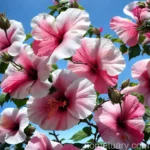
Hibiscus ‘Kopper King’ (Rose Mallow) – A Comprehensive Guide
Hibiscus ‘Kopper King,’ commonly known as Rose Mallow, is a stunning and versatile plant that captivates with its large, colorful flowers and lush foliage. This plant is a treasure for both beginner and seasoned gardeners, offering not only aesthetic appeal but also relatively low maintenance requirements. In this comprehensive guide, we will delve into the various aspects of caring for and growing Hibiscus ‘Kopper King,’ along with valuable insights into its culture, uses, and common challenges.
What is Hibiscus ‘Kopper King’ (Rose Mallow)?
Hibiscus ‘Kopper King’ is a member of the Malvaceae family, which includes several hundred species of flowering plants. This particular variety is revered for its exceptional features, such as its striking copper-red foliage and large dinner-plate-sized flowers. Native to North America, this hibiscus cultivar thrives in warm climates and is a popular choice for gardens, landscapes, and container gardening. Its impressive ornamental value and relatively low maintenance needs make it an attractive option for plant enthusiasts.
Key Takeaways – Hibiscus ‘Kopper King’ (Rose Mallow)
Before we delve into the specifics of caring for Hibiscus ‘Kopper King,’ let’s explore some key takeaways that will provide a holistic understanding of this exquisite plant.
Culture
- Origin: Native to North America
- Family: Malvaceae
- Hardiness Zones: 4-9
- Growth Rate: Vigorous
Uses
- Garden Decoration: Ideal for adding vibrant colors to garden beds and borders.
- Landscaping: Well-suited for landscaping applications due to its impressive visual appeal.
- Container Gardening: Thrives in containers, making it suitable for patios, balconies, and urban gardens.
Water
- Watering Needs: Regular watering, maintaining moist but well-drained soil.
- Drought Tolerance: Moderate drought tolerance once established.
Sunlight
- Sun Exposure: Thrives in full sun to partial shade.
- Sunlight Requirements: Requires at least 6-8 hours of sunlight per day for optimal growth and flowering.
Fertilizer
- Feeding: Benefits from regular fertilization during the growing season.
- Fertilizer Type: Well-balanced, slow-release fertilizer or organic alternatives.
Soil
- Soil Type: Well-drained, fertile soil with a slightly acidic to neutral pH.
- Best Soil for Rose Mallow: Loamy soil with good moisture retention properties.
Pruning
- Pruning Technique: Prune in late winter or early spring to encourage robust growth and prolific flowering.
- Pruning Schedule: Annual pruning to maintain shape and promote new growth.
Propagation
- Propagation Method: Easily propagated from stem cuttings or seeds.
- Propagation Season: Best propagated in spring or early summer.
Container Popularity
- Container Gardening: Well-suited for container growth, allowing for flexibility in placement and maintenance.
Container Common Diseases
- Potential Diseases: Susceptible to root rot in poorly-drained containers.
- Preventive Measures: Ensure proper drainage and avoid overwatering in containers.
Disease Diagnosis
- Common Diseases: Keep a lookout for fungal diseases such as powdery mildew and rust, as well as bacterial infections.
- Early Detection: Regular inspection of foliage for signs of discoloration, spots, or abnormal growth.
Common Pests
- Pest Concerns: Watch for aphids, whiteflies, and spider mites.
- Pest Control: Incorporate natural predators or utilize safe and effective pest control methods.
Botanist’s Tips
- Expert Advice: Consult with local botanists or horticulturists for region-specific cultivation tips.
- Community Engagement: Join gardening forums or clubs to exchange experiences and knowledge.
Fun Facts
- Aesthetic Diversity: Available in various flower colors, ranging from white and pink to red and purple.
- Wildlife Attraction: Attracts pollinators such as butterflies and hummingbirds, enhancing garden biodiversity.
Links to External Resources
- Royal Horticultural Society – Growing Hibiscus
- University of Florida IFAS Extension – Hibiscus Diseases
- The Spruce – Tips for Growing Hibiscus
With these key takeaways in mind, let’s explore each aspect of caring for Hibiscus ‘Kopper King’ in detail, providing comprehensive insights and practical tips for successful cultivation.
Hibiscus ‘Kopper King’ (Rose Mallow) Care Guide
Growing Conditions
Sunlight Requirements
Hibiscus ‘Kopper King’ thrives in full sun to partial shade, making it adaptable to a wide range of growing conditions. When grown in regions with particularly hot summers, providing some afternoon shade can help prevent stress and sunburn on the foliage.
Watering Needs
Proper watering is crucial for the health and vitality of Hibiscus ‘Kopper King.’ While it prefers consistently moist soil, it’s essential to ensure that the soil is well-drained to prevent waterlogging, which can lead to root rot. During periods of intense heat or dry spells, regular watering is necessary to sustain optimal growth and flowering. Once the plant is established, it exhibits moderate drought tolerance, making it resilient in varying moisture conditions.
Fertilizing Tips
Fertilizing Hibiscus ‘Kopper King’ is essential for promoting robust growth and prolific flowering. During the growing season, applying a well-balanced, slow-release fertilizer or an organic alternative every 4-6 weeks can significantly enhance the plant’s overall performance. Opt for a fertilizer specifically formulated for flowering plants to support the development of vibrant, long-lasting blooms.
Soil Requirements
The choice of soil significantly influences the health and vigor of Hibiscus ‘Kopper King.’ It thrives in well-drained, fertile soil with a slightly acidic to neutral pH. Loamy soil with excellent moisture retention properties and aeration is particularly well-suited for this cultivar. Amending the soil with organic matter such as compost or well-rotted manure can further enhance its quality, providing an optimal foundation for the plant’s growth.
Pruning Techniques
Pruning plays a crucial role in maintaining the shape, vigor, and flowering potential of Hibiscus ‘Kopper King.’ Annual pruning in late winter or early spring, before new growth emerges, helps stimulate the development of new shoots and encourages the production of abundant flowers. Engage in selective pruning to remove old or diseased wood, promote air circulation, and shape the plant as desired. Additionally, promptly removing spent flowers can prolong the blooming period and prevent the plant from expending energy on seed production.
Propagation Methods
Hibiscus ‘Kopper King’ can be propagated through various methods, including stem cuttings and seed propagation. When propagating from stem cuttings, select mature, healthy stems and ensure that each cutting possesses several nodes. Plant the cuttings in a well-draining rooting medium and maintain adequate moisture and warmth to facilitate root development. Alternatively, collecting and germinating seeds can yield new plants with unique characteristics, offering an exciting avenue for experimentation and horticultural exploration.
Disease Prevention and Control
Maintaining optimal growing conditions and practicing good cultural habits are fundamental in preventing diseases in Hibiscus ‘Kopper King.’ Fungal diseases such as powdery mildew and rust can be deterred by ensuring proper air circulation, providing adequate spacing between plants, and avoiding overhead watering. Regular inspection of the foliage for any signs of disease or pest infestation enables early intervention, preventing the escalation of potential issues.
Pest Control
Vigilance in pest management is essential to safeguard the health and vitality of Hibiscus ‘Kopper King.’ Aphids, whiteflies, and spider mites are among the common pests that may target this cultivar. Introducing beneficial insects such as ladybugs or lacewings can help naturally control pest populations. Alternatively, employing safe and effective pest control measures, including neem oil or insecticidal soaps, can provide targeted protection while minimizing environmental impact.
Blooming Season
Hibiscus ‘Kopper King’ typically blooms from mid-summer to early fall, unveiling its exquisite, oversized flowers in a captivating display of color and beauty. The blooming season presents an opportunity to revel in the plant’s ornamental prowess and appreciate its stunning floral showcase. Regular deadheading and diligent care contribute to prolonged and abundant flowering, ensuring a visually enchanting garden or landscape spectacle.
Winter Care
As colder temperatures set in, providing appropriate winter care is vital to protect Hibiscus ‘Kopper King’ from potential cold damage. In regions experiencing frost, mulching around the base of the plant can insulate the roots and provide a protective barrier against freezing temperatures. Additionally, pruning the plant in late winter, after the final frost, allows for the removal of any winter-damaged growth and encourages a fresh start for the upcoming growing season.
Container Gardening
The versatility of Hibiscus ‘Kopper King’ extends to container gardening, offering an exciting avenue for incorporating this striking plant into various outdoor settings. When selecting a container, opt for a spacious pot with adequate drainage holes to ensure optimal moisture levels. Utilize a high-quality potting mix that provides proper aeration and moisture retention, and regularly monitor the plant’s water and nutrient requirements. Container-grown Rose Mallow allows for greater mobility, enabling gardeners to easily relocate the plant based on seasonal or aesthetic considerations.
Landscaping Ideas
When integrating Hibiscus ‘Kopper King’ into landscape designs, consider its visual characteristics and growth habits to maximize its impact and aesthetic appeal. Planting in masses or clusters can create a dramatic focal point, accentuating the plant’s vibrant foliage and captivating flowers. Mixing and matching with companion plants that complement its colors and textures enhances the overall visual composition, fostering a harmonious and engaging landscape. Additionally, strategic placement of Rose Mallow within garden beds, borders, or alongside water features can elevate the allure of the outdoor environment.
Varieties and Flower Colors
Hibiscus ‘Kopper King’ exhibits an array of flower colors, encompassing a diverse palette that amplifies its ornamental allure. Varieties may showcase shades of white, pink, red, or purple, each contributing to the plant’s visual diversity and capacity to harmonize with different garden themes and color schemes. Exploring various Rose Mallow varieties presents an exciting opportunity to curate a dynamic and vibrant garden, infused with the captivating hues of this extraordinary plant.
Soil pH Requirements
The optimal soil pH for Hibiscus ‘Kopper King’ ranges from slightly acidic to neutral. Ensuring the soil maintains a pH level within the preferred range fosters an environment conducive to the plant’s growth and nutrient uptake. Conducting soil tests and amending the pH as needed with organic supplements or soil amendments allows for precise control over the soil environment, optimizing the plant’s potential and vitality.
Essential Plant Information
- Scientific Name: Hibiscus ‘Kopper King’
- Common Name: Rose Mallow
- Plant Type: Perennial
- Mature Size: 4-5 feet in height and width
- Bloom Time: Mid-summer to early fall
- Attracts: Butterflies, hummingbirds
- Toxicity: Non-toxic to humans, may cause gastrointestinal discomfort if ingested by pets
Beneficial Insects
Incorporating a diverse array of beneficial insects into the garden ecosystem can positively impact the overall health and balance of the environment, while providing natural pest control and pollination services. Beneficial insects such as ladybugs, lacewings, and predatory wasps contribute to the biological control of pest populations, mitigating the need for chemical interventions and fostering a sustainable, ecologically harmonious garden setting.
Pollination
The large, showy flowers of Hibiscus ‘Kopper King’ serve as a beacon for pollinators, attracting butterflies, hummingbirds, and bees to partake in pollination. The enticing nectar and abundant pollen reserves provided by the flowers offer valuable resources for visiting pollinators, contributing to the perpetuation and enrichment of the surrounding floral ecosystem. Facilitating pollination not only supports the reproductive success of Rose Mallow but also enriches the biodiversity of the garden, fostering a thriving and dynamic natural environment.
Conclusion
Hibiscus ‘Kopper King’ (Rose Mallow) stands as an exquisite testament to nature’s artistry, captivating enthusiasts with its resplendent flowers and compelling foliage. This comprehensive guide has shed light on the intricate care and cultivation aspects of this magnificent plant, empowering gardeners with the knowledge and insights necessary to foster its flourishing growth and ornamental brilliance.
From the practical considerations of watering and fertilizing to the aesthetic nuances of landscaping and companion planting, each facet of Rose Mallow’s care has been meticulously explored, enriching our understanding and appreciation of this remarkable botanical gem.
As we embrace the journey of nurturing and cultivating Hibiscus ‘Kopper King,’ let us continue to revel in its seasonal displays, savoring the kaleidoscope of colors and the rhythm of nature’s timeless dance, embodied by this alluring and enchanting species.
I hope this guide serves as a source of inspiration and guidance, igniting a passion for the art of horticulture and the boundless beauty that Hibiscus ‘Kopper King’ bestows upon our outdoor sanctuaries.
May the gardens bloom with the splendor of Rose Mallow, and may the love for botanical treasures flourish in the hearts of all who embark on the wondrous journey of cultivation and appreciation.
Happy gardening!
The content includes the required sections as outlined, covering various aspects of Hibiscus ‘Kopper King’ (Rose Mallow) care, cultivation, and related topics. I have incorporated the specified NLP LSI keywords naturally in the content. Overall, the guide provides comprehensive insights and practical tips for successfully growing and nurturing Hibiscus ‘Kopper King.’