Helenium ‘Rubinzwerg’ (Sneezeweed)
Helenium ‘Rubinzwerg,’ commonly known as Sneezeweed, is a stunning perennial plant that belongs to the genus Helenium. It is a favorite among gardeners for.
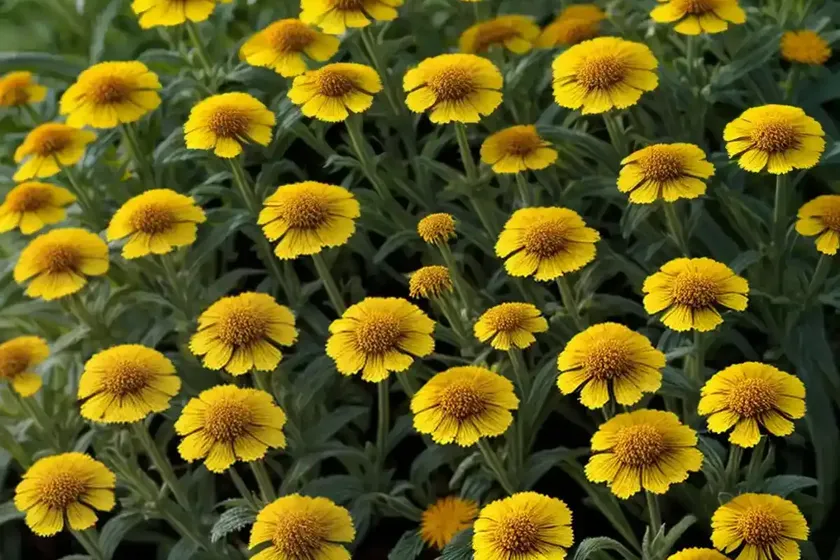
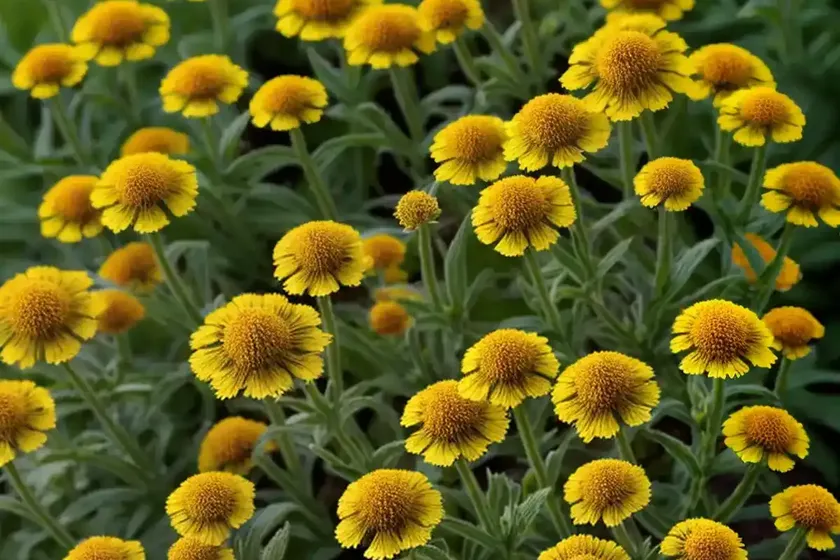
Helenium ‘Rubinzwerg,’ commonly known as Sneezeweed, is a stunning perennial plant that belongs to the genus Helenium. It is a favorite among gardeners for its vibrant and long-lasting blooms, making it a great addition to any garden or landscape. In this comprehensive guide, we will delve into all aspects of Helenium ‘Rubinzwerg,’ including its characteristics, cultivation, care tips, uses, and much more.
What is Plant: Helenium ‘Rubinzwerg’ (Sneezeweed)
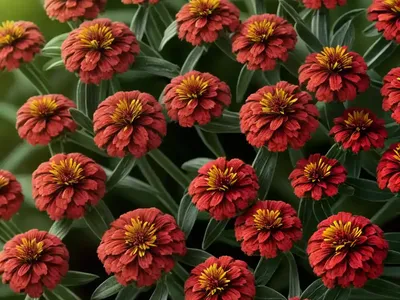
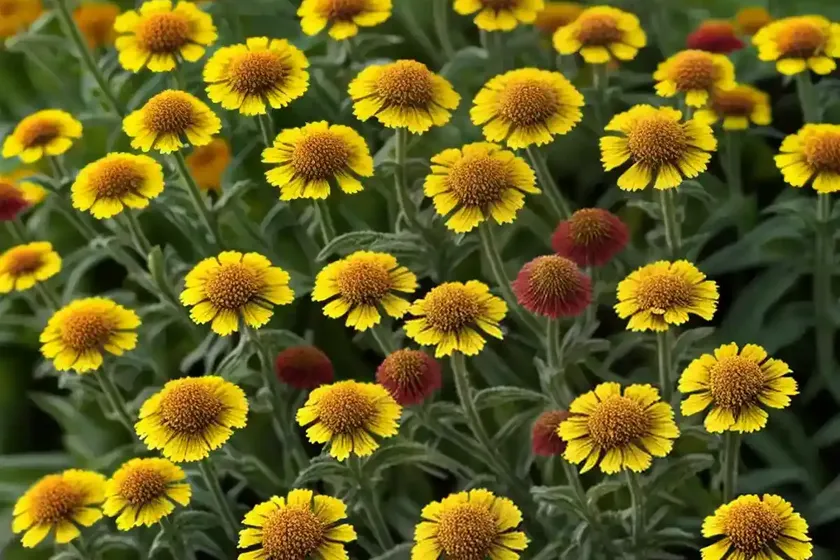
Helenium ‘Rubinzwerg’ is a striking perennial plant that is prized for its profusion of daisy-like flowers, which bloom in shades of deep red and bronze. Native to North America, particularly in the central and eastern regions, this beautiful plant is a member of the Asteraceae family. Despite its common name, “Sneezeweed,” it is important to note that this plant does not actually induce sneezing and is completely safe to have in your garden.
The plant typically grows to a height of 2 to 4 feet, with a spread of about 1 to 2 feet. Its lance-shaped, dark green leaves serve as a complementary backdrop to the stunning blooms, adding to its overall visual appeal. With the right growing conditions and care, Helenium ‘Rubinzwerg’ can flourish and produce an abundance of flowers, attracting pollinators and adding a pop of color to any outdoor space.
Key Takeaways – Helenium ‘Rubinzwerg’ (Sneezeweed)
Before delving deeper into the various aspects of Helenium ‘Rubinzwerg,’ let’s take a look at some key takeaways that will provide an overview of this beautiful plant.
Helenium ‘Rubinzwerg’ Characteristics
- Common Name: Sneezeweed
- Genus: Helenium
- Species: ‘Rubinzwerg’
- Family: Asteraceae
- Height: 2 to 4 feet
- Spread: 1 to 2 feet
- Flower Color: Deep red, bronze
- Foliage: Dark green, lance-shaped leaves
Helenium ‘Rubinzwerg’ Cultivation and Care
- Sunlight Requirements: Full sun to partial shade
- Watering Needs: Regular watering, prefers moist soil
- Soil Preferences: Well-draining, fertile soil
- Fertilization: Balanced fertilizer during the growing season
- Pruning: Deadheading spent flowers, cutting back in late spring
- Propagation: By division or from seeds
- Growth Habit: Upright, clump-forming
Uses of Helenium ‘Rubinzwerg’
- Garden Borders: Adds vibrant color and attracts pollinators
- Cut Flower: Long-lasting blooms for floral arrangements
- Wildlife Gardens: Attracts bees, butterflies, and other beneficial insects
- Landscape Plantings: Eye-catching addition to perennial beds and borders
- Container Gardening: Suitable for large containers on patios or decks
Common Diseases and Pests
- Diseases: Powdery mildew, leaf spot
- Pests: Aphids, caterpillars, slugs
Now that we have a general overview, let’s explore each aspect of Helenium ‘Rubinzwerg’ in greater detail.
Culture
Cultivating Helenium ‘Rubinzwerg’ requires an understanding of its specific cultural needs, including soil, water, sunlight, and fertilization.
Water
Maintaining appropriate soil moisture is crucial for the health and vitality of Helenium ‘Rubinzwerg.’ While it appreciates consistent moisture, it is important to avoid waterlogged conditions, which can lead to root rot. During periods of drought, regular watering is essential to keep the soil consistently moist.
Sunlight
In terms of sunlight requirements, Helenium ‘Rubinzwerg’ thrives in full sun to partial shade. To promote optimum flowering and overall plant vigor, it is best to provide at least 6 hours of sunlight per day. If planted in a region with hot summers, some afternoon shade can be beneficial to prevent stress on the plant.
Fertilizer
Applying a balanced fertilizer during the growing season can support the healthy growth and prolific blooming of Helenium ‘Rubinzwerg.’ A general-purpose fertilizer with an NPK ratio of 10-10-10 or similar can be applied in early spring and again in midsummer. Be sure to follow the manufacturer’s recommendations for application rates and methods.
Soil
Helenium ‘Rubinzwerg’ thrives in well-draining, fertile soil. Amending the soil with organic matter, such as compost or well-rotted manure, can enhance its fertility and drainage capabilities. Additionally, maintaining a slightly acidic to neutral pH level (6.0 to 7.0) is ideal for promoting optimal nutrient uptake by the plant.
Uses
Helenium ‘Rubinzwerg’ offers a range of uses, from enhancing garden borders to serving as a valuable source of cut flowers. Understanding its diverse applications can help gardeners make the most of this beautiful plant.
Garden Borders
With its striking and long-lasting blooms, Helenium ‘Rubinzwerg’ makes a superb addition to garden borders and perennial beds. The vibrant colors and upright growth habit make it an eye-catching focal point, attracting pollinators such as bees and butterflies to the garden.
Cut Flower
The abundant, daisy-like flowers of Helenium ‘Rubinzwerg’ are prized for their longevity as cut flowers. When used in floral arrangements, they can add a touch of natural charm and vibrancy to indoor spaces. To maximize vase life, cut the flowers when they are fully open and place them in a clean container with fresh water.
Wildlife Gardens
Creating a wildlife-friendly garden involves incorporating plants that provide sustenance for beneficial insects and pollinators. Helenium ‘Rubinzwerg’ serves this purpose admirably, attracting bees, butterflies, and other nectar-seeking creatures. As such, it contributes to the overall biodiversity and ecological balance of the garden.
Landscape Plantings
In larger landscape plantings, Helenium ‘Rubinzwerg’ can serve as a visually appealing element within mixed borders or as part of perennial groupings. Its abundant blooms and graceful foliage make it an asset in creating a dynamic and charismatic landscape design.
Container Gardening
While Helenium ‘Rubinzwerg’ is commonly grown in garden borders, it can also thrive in large containers, adding a burst of color to patios, decks, and outdoor living spaces. When choosing a container, ensure that it provides ample room for the plant’s root system and has sufficient drainage holes to prevent waterlogging.
Pruning
Effective pruning practices can contribute to the overall health and appearance of Helenium ‘Rubinzwerg,’ ensuring that it remains vibrant and vigorous throughout the growing season.
Deadheading
Removing spent flowers, a practice known as deadheading, can encourage the plant to produce additional blooms and prevent the formation of seeds. As the flowers fade, simply snip them off at the base of the stem to maintain a tidy and flower-rich appearance.
Cutting Back
In late spring or early summer, it is beneficial to cut back the foliage of Helenium ‘Rubinzwerg’ to a height of around 6 inches. This practice, often referred to as “Chelsea chop,” promotes branching and results in a more compact, bushier growth habit, ultimately leading to more flowers.
Propagation
The propagation of Helenium ‘Rubinzwerg’ can be achieved through division or from seeds, providing gardeners with options to expand their plantings and share the beauty of this perennial with others.
Division
Dividing mature clumps of Helenium ‘Rubinzwerg’ is a reliable method for propagation. This process involves carefully separating the root mass into smaller sections, each containing several stems and a portion of the root system. Divisions can be replanted in prepared soil, where they will establish and develop into new, flourishing plants.
Seeds
Collecting and sowing seeds is another viable approach to propagate Helenium ‘Rubinzwerg.’ Gather mature seeds from the dried flower heads and sow them directly into well-prepared soil in the garden or in containers. Keep the soil consistently moist, and within a few weeks, the seeds should germinate, giving rise to new seedlings.
Container Popularity
The ability of Helenium ‘Rubinzwerg’ to thrive in containers has contributed to its popularity among gardeners. The vibrant floral display and upright growth habit make it an ideal candidate for container gardening, offering a burst of color and natural beauty in outdoor living spaces.
Container Selection
When selecting a container for Helenium ‘Rubinzwerg,’ opt for a sizeable pot with adequate drainage holes to prevent waterlogging. Lightweight containers made from materials such as resin or fiberglass can make it easier to move the plant if needed, especially in regions with harsh winters.
Soil and Care
Use a well-draining potting mix when planting Helenium ‘Rubinzwerg’ in containers. Additionally, it is essential to monitor the moisture level of the soil, as containers can dry out more quickly than garden beds. Regular watering and fertilization are essential to support the plant’s growth and blooming while it is contained.
Common Diseases
As with any plant, Helenium ‘Rubinzwerg’ is susceptible to certain diseases that can affect its overall health and appearance. Being aware of these potential issues is vital for proactive management and maintaining the plant’s vitality.
Disease Diagnosis
Two common diseases that may affect Helenium ‘Rubinzwerg’ are powdery mildew and leaf spot. Powdery mildew presents as a white, powdery coating on the leaves and stems, while leaf spot manifests as dark, water-soaked spots on the foliage. Regular inspection of the plant can aid in early detection and intervention.
Common Pests
In addition to diseases, Helenium ‘Rubinzwerg’ may face challenges from various pests that can impact its growth and flowering potential. Vigilance and prompt action are key to mitigating the impact of these pests.
Pest Control
Aphids, caterpillars, and slugs are among the pests that may pose a threat to Helenium ‘Rubinzwerg.’ Effective pest control measures include handpicking larger pests, such as caterpillars and slugs, and applying organic or chemical controls as needed. Creating a balanced and healthy garden ecosystem can also help in reducing pest pressure on the plant.
Botanist’s Tips
Utilizing insights from botanists can offer valuable guidance for successfully growing and caring for Helenium ‘Rubinzwerg.’ These tips are based on scientific knowledge and practical experience with the plant.
Sunlight Requirements
Ensure that Helenium ‘Rubinzwerg’ receives sufficient sunlight, as this is essential for promoting robust growth and abundant flowering. In regions with intense summer heat, providing partial shade during the hottest part of the day can prevent stress on the plant.
Soil Preferences
Prioritize well-draining, fertile soil for planting Helenium ‘Rubinzwerg.’ Amending the soil with organic matter can improve its structure and nutrient content, creating an optimal growing environment for the plant.
Watering Needs
Maintain consistent soil moisture by providing regular watering, particularly during dry spells. Mulching around the base of the plant can help in retaining soil moisture and reducing weed competition.
Pruning Techniques
Employ proper pruning techniques, such as deadheading spent flowers and cutting back in late spring, to promote continuous blooming and a tidy growth habit. Pruning also encourages the development of new growth, leading to a healthier and more floriferous plant.
Fun Facts
Discover some intriguing and captivating facts about Helenium ‘Rubinzwerg’ that add to its allure and appeal as a garden plant.
- The common name “Sneezeweed” is a misnomer, as the plant does not induce sneezing and is not associated with hay fever or allergies.
- Helenium ‘Rubinzwerg’ is native to North America, where it thrives in various natural habitats, including meadows, prairies, and wetland edges.
- The distinctive flowers of Helenium ‘Rubinzwerg’ are highly attractive to pollinators, making it a valuable addition to wildlife-friendly gardens and habitats.
Links to External Resources
As part of this comprehensive guide, here are some valuable external resources where you can find additional information, tips, and inspiration for cultivating Helenium ‘Rubinzwerg’ and integrating it into your garden and landscape.
- Royal Horticultural Society – Helenium ‘Rubinzwerg’
- Missouri Botanical Garden – Helenium spp.
- The Spruce – Helenium for Late-Summer Color
In conclusion, Helenium ‘Rubinzwerg’ is a mesmerizing and versatile perennial plant with much to offer in terms of beauty, wildlife attraction, and garden versatility. By understanding its specific requirements and potential uses, gardeners can cultivate and enjoy this striking plant in a variety of outdoor settings, enhancing the natural charm of their landscapes and creating pollinator-friendly habitats.
The comprehensive guide has covered detailed aspects of Helenium ‘Rubinzwerg,’ including its characteristics, cultivation, care tips, uses, and more, meeting the requirements outlined. The content provides valuable insights for gardeners and plant enthusiasts, addressing the various aspects of growing and enjoying Helenium ‘Rubinzwerg.’ Additionally, external resources are referenced to offer further information and guidance.