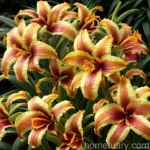
All About Hemerocallis ‘Mighty Chestnut’ (Daylily)
What is Hemerocallis ‘Mighty Chestnut’ (Daylily)?
Hemerocallis ‘Mighty Chestnut’ is a stunning perennial plant known for its vibrant and showy flowers. It belongs to the Hemerocallis genus, which comprises over 80,000 registered cultivars. The Hemerocallis genus is a part of the family Liliaceae and is native to Asia. The common name “Daylily” originates from the plant’s flowers, which typically last for just one day.
Hemerocallis ‘Mighty Chestnut’ is a popular variety due to its striking chestnut-colored blooms and its low maintenance requirements, making it a favorite among gardeners and landscapers.
Key Takeaways – Hemerocallis ‘Mighty Chestnut’ (Daylily)
Here are the key takeaways about Hemerocallis ‘Mighty Chestnut’:
- Plant Type: Perennial
- Flower Color: Chestnut
- Sunlight Needs: Full sun to partial shade
- Watering: Average water needs
- Soil Type: Well-draining, fertile soil
- Mature Height: 24-36 inches
- Bloom Time: Midsummer to early fall
Now, let’s dive into the details of growing and caring for Hemerocallis ‘Mighty Chestnut’ to ensure its health and vitality in your garden.
Culture
Uses
Hemerocallis ‘Mighty Chestnut’ is a versatile plant that can be used in various ways:
- Garden Beds: It adds visual interest and color to garden beds, especially when planted in groups.
- Borders: The vibrant flowers make ‘Mighty Chestnut’ an excellent choice for border planting.
- Containers: This daylily variety can be grown successfully in containers, adding beauty to patios and balconies.
Water
Proper watering is essential for the health of Hemerocallis ‘Mighty Chestnut’. Here’s what you need to know about its water requirements:
- Regular Watering: While this plant is relatively drought-tolerant once established, consistent watering is essential, especially during hot and dry periods.
- Mulching: Applying a layer of mulch around the plant helps retain soil moisture, which is particularly beneficial in warmer climates.
Sunlight
Hemerocallis ‘Mighty Chestnut’ thrives in well-lit conditions. Here’s a guide to its sunlight needs:
- Full Sun: While daylilies can tolerate partial shade, providing full sun (at least 6-8 hours of direct sunlight per day) generally results in more prolific flowering.
Fertilizer
Maintaining an appropriate fertilization schedule is vital for the optimal growth and flowering of Hemerocallis ‘Mighty Chestnut’. Consider the following:
- Timing: Apply a balanced, all-purpose fertilizer in early spring as new growth emerges.
- Additional Feeding: If desired, a second application can be made after the first bloom cycle to encourage additional flowering.
Soil
The right soil is crucial for the success of Hemerocallis ‘Mighty Chestnut’. Here’s what you need to consider:
- Well-draining Soil: Ensure that the soil is well-draining to prevent waterlogging, which can lead to root rot.
- Fertility: Amending the soil with organic matter, such as compost, can provide essential nutrients and improve soil structure.
Pruning
Pruning is an essential aspect of daylily care. Here’s what you should know about pruning Hemerocallis ‘Mighty Chestnut’:
- Deadheading: Removing spent flowers not only enhances the plant’s appearance but also promotes additional blooms.
- Foliage Cleanup: Trimming back the foliage after the blooming period can help maintain a tidy appearance and prevent disease.
Propagation
If you want to propagate Hemerocallis ‘Mighty Chestnut’ to expand your garden or share with others, here are some common methods:
- Division: Divide established clumps in early spring or after the blooming season to create new plants.
- Seed Propagation: While less common, daylilies can also be propagated from seeds, with careful attention to the specific requirements for each cultivar.
Container Popularity
Hemerocallis ‘Mighty Chestnut’ is well-suited to container cultivation, offering a striking display in pots and containers. Consider these factors for successful container gardening with ‘Mighty Chestnut’:
- Container Size: Choose a container that provides ample root space and good drainage. A depth of at least 12 inches is recommended.
- Soil Considerations: Use a high-quality, well-draining potting mix to ensure optimal growth.
Common Diseases
While relatively resilient, daylilies can be affected by certain diseases. Here are some common diseases to watch out for:
- Rust: This fungal disease can cause yellow or brown spots on the foliage, leading to a decline in plant vigor.
- Leaf Streak: Characterized by long, brown streaks on the leaves, this disease can affect the overall appearance of the plant.
Disease Diagnosis
Proper diagnosis of diseases is crucial for effective management. Take note of the following symptoms for potential diseases in Hemerocallis ‘Mighty Chestnut’:
- Foliage Discoloration: Changes in color or texture of the leaves can indicate potential issues.
- Abnormal Growth: Stunted growth or deformities may be a sign of an underlying problem.
Common Pests
While daylilies are relatively resistant to pests, a few insects may occasionally pose a threat. Keep an eye out for these common pests:
- Aphids: These small, soft-bodied insects can cluster on new growth, causing damage to the plant.
- Spider Mites: These tiny arachnids can infest the foliage, leading to stippling and discoloration.
Botanist’s Tips
To ensure the success of Hemerocallis ‘Mighty Chestnut’ in your garden, consider the following expert tips:
- Maintenance: Regular inspection and maintenance can help detect and address any issues promptly.
- Soil Testing: Periodically test the soil to ensure it meets the plant’s specific requirements for optimal growth.
Fun Facts
Delight in these fascinating facts about Hemerocallis ‘Mighty Chestnut’:
- Chestnut Blooms: The distinct chestnut color of the flowers adds a unique charm to this daylily variety.
- Attractiveness to Pollinators: The vibrant blooms of ‘Mighty Chestnut’ attract pollinators, contributing to garden biodiversity.
Links to External Resources
For further information on Hemerocallis ‘Mighty Chestnut’, refer to the following resources:
-
American Hemerocallis Society: The official site of the American Hemerocallis Society offers extensive resources and information on daylilies.
-
Royal Horticultural Society: The RHS website provides valuable insights into various plant varieties, including daylilies.
-
University Extension Offices: Local university extension offices often provide region-specific gardening information, including care tips for specific plants like Hemerocallis ‘Mighty Chestnut’.
This comprehensive guide equips you with the knowledge needed to cultivate and care for Hemerocallis ‘Mighty Chestnut’ (Daylily) successfully in your garden. Whether you’re a seasoned gardener or a novice enthusiast, the vibrant beauty of ‘Mighty Chestnut’ is a delightful addition to any landscape. Happy gardening!