Hemerocallis ‘Ice Carnival’ (Reblooming Daylily): A Complete Growing Guide
Hemerocallis, commonly known as daylilies, is a diverse and vibrant group of ornamental plants that grace gardens with their stunning flowers. One particular variety, Hemerocallis ‘Ice Carnival’, or the Reblooming Daylily, is especially esteemed for its exquisite beauty and its ability to bloom multiple times in a season.

What is Hemerocallis ‘Ice Carnival’?
Hemerocallis ‘Ice Carnival’ is a member of the Hemerocallis genus, which comprises more than 80,000 registered cultivars. This perennial plant has won the hearts of gardeners and horticulturists with its captivating blossoms and easy care. It is a part of the daylily family that offers a wide array of flower colors, shapes, and sizes.
Hemerocallis ‘Ice Carnival’ Characteristics
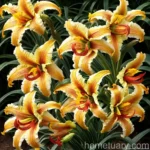
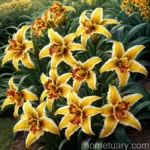
- Flower Color: White with a hint of cream
- Flower Shape: Ruffled
- Blooming Period: Reblooms multiple times in a season
- Foliage: Semi-evergreen
- Height: 20-24 inches
- Spread: 18-23 inches
Key Takeaways – Hemerocallis ‘Ice Carnival’ (Reblooming Daylily)
Culture
- Hardiness Zone: 3-9
- Soil: Well-drained, fertile soil
- Water: Regular watering, especially during the flowering period
- Sunlight: Full sun to partial shade
- Maintenance: Low maintenance, deadheading spent blooms to encourage reblooming
Uses
- Landscape: Excellent choice for borders, mass plantings, or mixed perennial beds
- Containers: Suitable for container gardening
- Cut Flowers: Stunning in floral arrangements
Water
Hemerocallis ‘Ice Carnival’ prefers regular watering, especially during dry spells and the blooming season. It is essential to keep the soil consistently moist, but not waterlogged, to support healthy growth and abundant flowering.
Sunlight
This variety thrives in full sun to partial shade. It is crucial to ensure that it receives at least 6 hours of sunlight daily. In warmer climates, providing some afternoon shade can help protect the plant from excessive heat.
Fertilizer
To promote vigorous growth and prolific flowering, fertilize Hemerocallis ‘Ice Carnival’ with a balanced, slow-release fertilizer in the spring. Additionally, a light application of fertilizer in midsummer can support the plant’s energy reserves for its reblooming cycles.
Soil
The ideal soil for Hemerocallis ‘Ice Carnival’ is well-drained and fertile. Amending the soil with organic matter such as compost or well-rotted manure can enhance its quality, providing an optimal environment for the plant to thrive.
Pruning
Regular deadheading is a key practice for maintaining the plant’s appearance and encouraging reblooming. Removing spent flowers not only improves the overall aesthetic but also redirects the plant’s energy into producing new blooms.
Propagation
Hemerocallis ‘Ice Carnival’ can be propagated through division. Dividing the clumps every 3-5 years not only rejuvenates the plant but also allows for the creation of new plants, expanding the beautiful display of daylilies in the garden.
Container Popularity
Due to its moderate size and stunning blooms, Hemerocallis ‘Ice Carnival’ is an excellent choice for container gardening. Its adaptability to container growth makes it a versatile option for those with limited garden space or for adding visual interest to patios and balconies.
Container Common Diseases
When grown in containers, Hemerocallis ‘Ice Carnival’ may be susceptible to certain diseases, including root rot and powdery mildew. Regular monitoring and proper care practices can help mitigate these risks.
Disease Diagnosis
Early detection and accurate diagnosis of plant diseases are crucial for implementing effective treatment strategies. Common signs of diseases in Hemerocallis ‘Ice Carnival’ may include discolored or distorted foliage, stunted growth, or unusual spots or mold on leaves.
Common Pests
While generally resilient, daylilies, including Hemerocallis ‘Ice Carnival’, can be affected by pests such as aphids, spider mites, and thrips. Regular inspection and, if necessary, targeted pest control measures can help protect the plants from infestations.
Botanist’s Tips
For optimal growth and abundant flowering, consider the following tips:
– Regularly monitor soil moisture and water consistently, especially during hot and dry periods.
– Apply a balanced fertilizer in the spring to support healthy growth.
– Deadhead spent blooms promptly to encourage continued flowering.
– Divide clumps every few years to rejuvenate the plant and create new plants.
Fun Facts
- The name “Hemerocallis” is derived from two Greek words, “hēmera,” meaning “day,” and “kallos,” meaning “beauty,” a fitting description of the transient yet stunning beauty of daylily blooms.
- Hemerocallis ‘Ice Carnival’ is known for its ability to rebloom, providing extended periods of floral display and adding continual interest to the garden.
Links to External Resources
For further information on Hemerocallis ‘Ice Carnival’ and daylily care, you may find the following resources helpful:
– The American Daylily Society
– University of Illinois Extension: Daylilies – Easy Perennials
Conclusion
Hemerocallis ‘Ice Carnival’ exemplifies the beauty and resilience of daylilies, making it a prized addition to gardens and landscapes. With its remarkable reblooming ability and charming flowers, this variety captivates the hearts of gardeners and enriches outdoor spaces with its enduring grace. By understanding its specific care needs and unique characteristics, gardeners can cultivate vibrant displays of Hemerocallis ‘Ice Carnival’, ushering in enduring beauty and joy with each returning bloom.