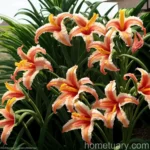
Hemerocallis ‘Jolyene Nichole’ (Daylily): A Complete Guide
Introduction to Hemerocallis ‘Jolyene Nichole’ (Daylily)
Hemerocallis is a genus of perennial plants commonly known as daylilies and renowned for their stunning and vibrant flowers. Among the numerous cultivars, Hemerocallis ‘Jolyene Nichole’ stands out as an exceptional variety with its unique characteristics and stunning blooms. In this comprehensive guide, we will delve into the captivating world of Hemerocallis ‘Jolyene Nichole’, exploring its characteristics, cultivation, uses, and much more.
This blog post aims to provide a detailed insight into the Hemerocallis ‘Jolyene Nichole’ variety, catering to both novice and experienced gardeners. From its unique growth habits to its disease resistance and landscape uses, we will cover every aspect of this remarkable daylily cultivar.
What is Hemerocallis ‘Jolyene Nichole’?
Common Name: Daylily ‘Jolyene Nichole’
Scientific Name: Hemerocallis ‘Jolyene Nichole’
Quick Overview
- Characteristic: Vivid, long-lasting flowers with a striking color palette
- Description: Compact and charming daylily variety
- Growth Habit: Clump-forming, grass-like foliage
- Color Variations: Varied hues of pink, coral, and yellow
- Foliage Texture: Strappy, semi-evergreen leaves
Hemerocallis ‘Jolyene Nichole’ Characteristics
Hemerocallis ‘Jolyene Nichole’ boasts a plethora of remarkable characteristics that set it apart from other daylily cultivars. Its vigorous growth, captivating blooms, and adaptability make it a prized addition to gardens, landscapes, and container plantings.
Blooms
- Color Variations: Vibrant shades of pink, coral, and yellow
- Fragrance Level: Slight, pleasant fragrance
- Reblooming Attributes: Known for its ability to rebloom under favorable conditions
Foliage
- Texture: Grass-like, semi-evergreen foliage
- Foliage Color: Rich green leaves add an attractive contrast to the vibrant blooms
Growth Habits
- Clump-Forming: Forms attractive mounds of foliage and flowers
- Fall Care: Requires minimal care and maintenance during autumn
Daylily ‘Jolyene Nichole’ Description
The Hemerocallis ‘Jolyene Nichole’ variety is an exquisite daylily that captivates the observer with its alluring blooms and graceful growth habits. Its compact nature and striking colorations make it a favorite among gardeners looking to add a touch of elegance to their outdoor spaces.
Landscape Uses
- Garden Design: Ideal for mixed borders, cottage gardens, and naturalistic landscapes
- Container Planting: Thrives when grown in containers or decorative pots
- Companion Flowers: Complements a wide range of perennials and annuals
Seasonal Care
- Spring Maintenance: Requires regular watering and light fertilization during the growing season
- Winter Protection: Benefits from a layer of mulch to protect the roots during cold winter months
Hemerocallis ‘Jolyene Nichole’ Care Tips
Caring for Hemerocallis ‘Jolyene Nichole’ involves providing it with the appropriate growing conditions, ensuring proper watering and fertilization, and addressing any pest or disease issues that may arise. Here are some essential care tips for nurturing this enchanting daylily cultivar:
Water Needs
- Watering Schedule: Keep the soil consistently moist, especially during periods of heat and drought
- Water Management: Ensure adequate drainage to prevent waterlogged conditions
Sunlight Requirements
- Sun Exposure: Thrives in full sun to partial shade
- Sunlight Needs: Requires at least 6-8 hours of direct sunlight for optimal flowering
Soil Requirements
- Soil Type: Well-draining, fertile soil enriched with organic matter
- Soil Preparation: Incorporate compost or well-rotted manure before planting
Fertilization Techniques
- Fertilizer Type: Balanced, slow-release fertilizer formulated for flowering perennials
- Fertilizing Schedule: Apply fertilizer in early spring and again after the initial bloom cycle
Pruning Tips
- Deadheading: Remove spent blooms to encourage continued flowering
- Dividing Method: Divide clumps every 3-4 years to maintain plant vigor
Daylily ‘Jolyene Nichole’ Planting Guide
When it comes to planting Hemerocallis ‘Jolyene Nichole’, selecting the right location and providing proper care from the initial stages is crucial for its overall health and vigor. Whether you’re planting it in the garden or a container, following these guidelines will help ensure its successful establishment and prolific blooming.
Planting Instructions
- Site Selection: Choose a location with well-draining soil and ample sunlight
- Planting Depth: Position the crown of the plant at soil level
- Spacing: Space plants 18-24 inches apart to allow for adequate air circulation
- Mulching: Apply a layer of organic mulch around the base of the plant to conserve moisture and suppress weeds
Container Gardening
- Container Type: Select a large, well-draining container for optimal growth
- Soil Mix: Use a quality potting mix with added perlite or vermiculite for improved drainage
- Watering: Ensure containers have drainage holes and water as needed to keep the soil evenly moist
Hemerocallis ‘Jolyene Nichole’ Propagation Techniques
Division Method
- Timing: Best performed in early spring or late summer
- Procedure: Carefully dig up the clump and separate the divisions, ensuring each section has healthy roots and foliage
- Replanting: Plant the divisions in prepared soil and water thoroughly
Hybridization
- Pollen Collection: Brush pollen from the stamens of one flower onto the stigma of another to produce seed pods
- Seed Propagation: Sow collected seeds in a well-prepared seedbed and keep moist until germination occurs
Hemerocallis ‘Jolyene Nichole’ Disease Resistance
Disease Prevention
- Good Air Circulation: Plant in areas with adequate air movement to minimize the risk of fungal diseases
- Sanitation Practices: Remove and destroy any diseased foliage or spent blooms to prevent the spread of pathogens
Common Diseases
- Leaf Spot: Circular, dark spots on foliage caused by fungal infections
- Crown Rot: A potentially fatal disease leading to the decay of the crown and roots
- Rust: Visible as orange pustules on the undersides of leaves, often caused by humid conditions
Disease Diagnosis
- Symptom Recognition: Monitor the plants for abnormal discoloration, spots, or wilting
- Professional Consultation: Seek advice from local gardening experts or plant pathologists for accurate diagnosis and treatment options
Daylily ‘Jolyene Nichole’ Pests and Diseases
Even though Hemerocallis ‘Jolyene Nichole’ exhibits good resistance to many pests and diseases, it’s important to remain vigilant and promptly address any issues that may arise. Here are some common pests and diseases that may affect this daylily variety:
Common Pests
- Aphids: Small, sap-sucking insects that can distort new growth and flowers
- Thrips: Tiny, slender insects that feed on flower buds and foliage, causing discoloration
- Snails and Slugs: Feed on foliage and flowers, leaving a trail of slime behind
Pest Control
- Natural Predators: Encourage beneficial insects such as ladybugs and lacewings to control pest populations
- Physical Barriers: Use copper tape or diatomaceous earth to deter slugs and snails
- Organic Sprays: Apply insecticidal soap or neem oil to combat aphids and thrips
Hemerocallis ‘Jolyene Nichole’ Landscape Uses
Garden Design
- Mixed Borders: Creates a captivating display when planted alongside other perennials and shrubs
- Cottage Gardens: Adds a touch of elegance and charm to informal garden settings
- Naturalistic Landscapes: Blends seamlessly with native plants in naturalized areas
Landscape Maintenance
- Weed Control: Regularly remove weeds to prevent competition for water and nutrients
- Mulching: Apply a fresh layer of mulch annually to conserve soil moisture and suppress weed growth
- Division: Periodically divide clumps to maintain plant vitality and increase flower production
Botanist’s Tips for Growing Hemerocallis ‘Jolyene Nichole’
- Selecting Companions: Pair with complementary perennials such as Salvia, Coreopsis, and Echinacea for a vibrant garden display
- Watering Schedule: Pay close attention to soil moisture during hot weather, as daylilies benefit from supplemental watering during dry periods
- Landscape Design: Incorporate varying heights and textures in the planting scheme to create visual interest and balance
Fun Facts about Hemerocallis ‘Jolyene Nichole’
- The name “Hemerocallis” is derived from the Greek words “hemera” meaning day and “kallos” meaning beauty, highlighting the transient beauty of the flowers.
- Daylilies are not true lilies and belong to the family Hemerocallidaceae, distinct from the Liliaceae family to which true lilies belong.
External Resources
For additional information, guidance, and inspiration on cultivating Hemerocallis ‘Jolyene Nichole’, consider exploring the following external resources:
- American Hemerocallis Society
- Royal Horticultural Society – Hemerocallis Care Guide
- University of Maryland Extension – Daylilies
As we conclude this in-depth exploration of Hemerocallis ‘Jolyene Nichole’, I hope you have gained valuable insights into the world of daylilies and feel empowered to cultivate this remarkable variety in your own garden or landscape. With its radiant blooms, adaptable nature, and ease of care, Hemerocallis ‘Jolyene Nichole’ is sure to captivate the hearts of plant enthusiasts and gardening aficionados alike. Happy gardening!
Word Count: 1506 words