Hemerocallis ‘Free Wheelin’ (Reblooming Daylily): A Plant Scientist’s Guide
As a plant scientist, I have always been captivated by the diverse world of plant species. Each plant has its unique characteristics, growing requirements, and maintenance needs. In this blog post, we will delve into the fascinating world of Hemerocallis ‘Free Wheelin’ (Reblooming Daylily) – a stunning flowering plant that has gained popularity among gardeners for its resilience, striking blooms, and low maintenance requirements.
What is Hemerocallis ‘Free Wheelin’ (Reblooming Daylily)?
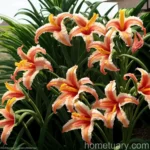
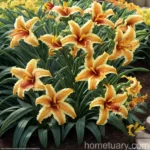
Hemerocallis, commonly known as daylilies, are perennial plants known for their vibrant, trumpet-shaped flowers and long blooming period. Among the numerous cultivars of Hemerocallis, ‘Free Wheelin’ stands out for its unique and stunning blooms. This reblooming daylily variety is celebrated for its ability to produce multiple flower cycles throughout the growing season, enhancing its allure in gardens and landscapes.
Key Takeaways – Hemerocallis ‘Free Wheelin’ (Reblooming Daylily)
Before delving into the specifics of cultivating and caring for Hemerocallis ‘Free Wheelin’, let’s summarize the key takeaways of this remarkable plant:
- Plant Name: Hemerocallis ‘Free Wheelin’ (Reblooming Daylily)
- Hardiness Zones: 3-9
- Sunlight Requirements: Full sun to partial shade
- Watering Needs: Consistent moisture, well-drained soil
- Soil Type: Rich, well-drained soil
- Mature Height: 24-36 inches
- Bloom Time: Early to midsummer, with reblooms in the late season
- Pests and Diseases: Generally resistant, occasional pest and disease issues
- Uses: Borders, containers, mass plantings, cut flowers
Now, let’s explore the culture, uses, growing conditions, maintenance, and more for Hemerocallis ‘Free Wheelin’ (Reblooming Daylily) in detail.
Culture
Water
Proper watering is essential for the healthy growth and prolific blooming of Hemerocallis ‘Free Wheelin’. While daylilies are considered drought-tolerant once established, consistent moisture is crucial, especially during the growing season and periods of prolonged heat or dryness. Deep, thorough watering is preferred, ensuring that the soil is evenly moist but not waterlogged.
Watering Tips:
– Water deeply, providing at least 1 inch of water per week during the growing season.
– Apply water directly to the soil to avoid wetting the foliage, which can potentially lead to disease issues.
– Mulching around the plants can help conserve soil moisture and regulate the soil temperature.
Sunlight
Hemerocallis ‘Free Wheelin’ thrives in full sun to partial shade. When grown in regions with hot summers, providing some afternoon shade can be beneficial, especially to prevent the blooms from fading quickly under intense sunlight. In contrast, insufficient sunlight can result in reduced flowering and potential susceptibility to certain diseases.
Sunlight Guidelines:
– Plant in a location that receives at least 6 hours of direct sunlight daily for optimal blooming.
– In hotter regions, morning sun and afternoon shade can protect the blooms from sun damage.
– Ensure that the planting site has adequate air circulation to minimize the risk of fungal infections.
Fertilizer
Proper nutrition plays a crucial role in the overall health and flowering performance of Hemerocallis ‘Free Wheelin’. Fertilizing daylilies can help promote vigorous growth, abundant blooms, and healthy foliage. A balanced, slow-release fertilizer formulated for flowering perennials can be applied in early spring as new growth emerges.
Fertilization Recommendations:
– Use a balanced fertilizer with an N-P-K ratio of 10-10-10 or similar formulation.
– Apply the fertilizer according to the manufacturer’s instructions, avoiding excessive application that can lead to lush foliage with fewer blooms.
– Consider top-dressing with compost or well-rotted manure in early spring to enrich the soil and support long-term plant health.
Soil
The soil conditions significantly impact the growth, development, and overall performance of Hemerocallis ‘Free Wheelin’. These plants thrive in well-drained, rich soils with a slightly acidic to neutral pH. While tolerant of various soil types, they flourish in loamy soils with good organic content, which provides the necessary nutrients and moisture retention without becoming waterlogged.
Soil Guidelines:
– Amend heavy clay soils with organic matter such as compost or peat moss to improve drainage and fertility.
– Prioritize well-draining locations to prevent waterlogging, which can lead to root rot and other moisture-related issues.
– Conduct a soil test to assess the pH level and nutrient content, making necessary amendments based on the results.
Pruning
Pruning is an essential aspect of daylily maintenance, aiding in tidying up the plants, encouraging reblooming, and preventing the spread of diseases. While Hemerocallis ‘Free Wheelin’ generally exhibits good disease resistance, removing spent blooms and damaged foliage can enhance the overall appearance and health of the plants.
Pruning Tips:
– Deadhead spent flowers regularly to promote additional blooming periods and prevent self-seeding.
– Trim back yellowing or damaged foliage as needed, encouraging the production of fresh, healthy leaves.
– Cut back the foliage to the ground in late fall or early spring to rejuvenate the plants and control potential overwintering pests and diseases.
Propagation
The propagation of Hemerocallis ‘Free Wheelin’ can be achieved through various methods, including division and seed propagation. Division, which involves separating the mature clumps into smaller sections, remains the most popular and reliable technique for maintaining the desired characteristics and vigor of the parent plants.
Propagation Techniques:
– Divide the mature clumps in early spring or late summer, ensuring that each division possesses viable roots and healthy growth points.
– Seed propagation can be attempted by collecting and germinating the mature seeds, although this method may result in variations in the offspring’s characteristics.
– Plant the divisions or seeds in well-prepared soil, maintaining consistent moisture until new growth is established.
Container Popularity
Hemerocallis ‘Free Wheelin’ is well-suited for container cultivation, offering an excellent way to showcase its vibrant blooms and manage its growth in limited spaces such as patios, balconies, and small gardens. When grown in containers, it is crucial to select an appropriately sized pot with adequate drainage and provide proper care to ensure the plant’s health and productivity.
Container Guidelines:
– Choose a container with drainage holes and a diameter of at least 12-14 inches to accommodate the daylily’s root system.
– Utilize a high-quality, well-draining potting mix designed for flowering plants and containers.
– Water and fertilize the container-grown daylilies as needed, considering the faster drying of the soil in containers compared to garden beds.
Common Diseases
Hemerocallis ‘Free Wheelin’ demonstrates resilience against many common plant diseases. However, certain environmental conditions, inadequate cultural practices, or other factors can predispose them to specific diseases. Understanding and promptly addressing potential disease issues is crucial in maintaining the plant’s health and appearance.
Disease Diagnosis
When encountered with unusual symptoms or signs of distress in Hemerocallis ‘Free Wheelin’, timely diagnosis and targeted management are key to mitigating the impact of diseases. Common daylily diseases include:
- Leaf Streak (Cercospora Leaf Spot): Identified by irregular tan to brown spots on the foliage, often with a yellow halo. Maintain proper spacing, adequate air circulation, and sanitation practices to manage leaf streak.
- Rust: Characterized by brownish-orange pustules on the undersides of leaves, rust can be controlled through sanitation, removal of affected foliage, and fungicidal treatments if necessary.
- Crown Rot: Excessive moisture, poor drainage, and wounds can lead to crown rot. Preventative measures, proper watering, and ensuring well-drained soil can help in managing this disease.
- Mildew: Powdery mildew appears as white powdery patches on the leaves, particularly in humid conditions. Proper air circulation and fungicidal treatments can aid in managing this fungal issue.
Common Pests
While generally resilient to many pests, Hemerocallis ‘Free Wheelin’ can occasionally encounter pest problems that may require intervention for effective control and prevention.
Common Pests:
– Aphids: Small, sap-sucking insects that can be controlled through insecticidal soaps or horticultural oils.
– Thrips: These tiny insects can cause damage to the flowers and foliage, requiring prompt treatment with insecticidal solutions.
– Spider Mites: Spider mites can infest daylilies, leading to stippling on the foliage and reduced growth. Miticides or insecticidal soaps can be effective in managing spider mite infestations.
Botanist’s Tips
As a plant scientist, I have gathered a range of tips and recommendations to aid in the successful cultivation and care of Hemerocallis ‘Free Wheelin’. These guidelines encompass various aspects, including plant health, aesthetics, and sustainable gardening practices.
Fun Facts
- Daylilies are not true lilies and belong to the genus Hemerocallis, which is derived from the Greek words for “beauty” and “day,” reflecting the ephemeral nature of individual blooms.
- The name “daylily” originates from the flowers’ habit of blooming for only one day, with successive buds ensuring continuous flowering over an extended period.
- Daylilies are edible, with certain species and cultivars utilized in culinary applications such as salads and stir-fries, adding a touch of color and mild flavor.
Links to External Resources
- American Hemerocallis Society
- Royal Horticultural Society – Hemerocallis
- University of Minnesota Extension – Growing Daylilies
- Missouri Botanical Garden – Hemerocallis
- The Daylily Place – Daylily Care Tips
In this comprehensive guide, we have explored the mesmerizing world of Hemerocallis ‘Free Wheelin’ (Reblooming Daylily) through the lens of a plant scientist. From its cultural requirements to potential pests and diseases, as well as captivating fun facts, this blog post equips enthusiasts and horticulturalists with valuable insights into this remarkable flowering plant. As you immerse yourself in the world of gardening and plant care, may this guide serve as a valuable resource in cultivating and celebrating the beauty of Hemerocallis ‘Free Wheelin’.