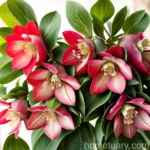
Helleborus x ballardiae HGC Maestro (Hellebore): A Complete Guide for Plant Enthusiasts
Helleborus x ballardiae HGC Maestro, also known as Hellebore, is a stunning and versatile perennial plant that has captured the hearts of many gardeners and plant enthusiasts around the world. In this comprehensive guide, we will explore everything there is to know about this exquisite plant, from its cultural requirements and uses to its propagation and maintenance. Whether you are an experienced horticulturist or a novice green thumb, this article will provide you with valuable insights into the captivating world of Helleborus x ballardiae HGC Maestro.
What is Helleborus x ballardiae HGC Maestro (Hellebore)?
Helleborus x ballardiae HGC Maestro, a member of the Ranunculaceae family, is a hybrid hellebore that boasts a striking display of blooms and foliage. This exceptional plant is renowned for its early flowering period, often gracing the garden with delicate blossoms at a time when most plants are still in their winter slumber.
Key Takeaways – Helleborus x ballardiae HGC Maestro (Hellebore)
Before delving into the specifics of caring for Helleborus x ballardiae HGC Maestro, let’s highlight some key takeaways about this enchanting plant:
- Helleborus x ballardiae HGC Maestro is a hybrid hellebore known for its early bloom and unique flower colors.
- The plant belongs to the Ranunculaceae family and is prized for its resilience and adaptability.
- Helleborus x ballardiae HGC Maestro can thrive in various cultural conditions, making it a versatile addition to gardens and landscapes.
Now that we have established a brief overview of Helleborus x ballardiae HGC Maestro, let’s dive into the intricacies of cultivating and caring for this remarkable plant.
Culture
The cultural requirements of Helleborus x ballardiae HGC Maestro play a pivotal role in determining its overall health and vitality. Understanding the plant’s preferences for water, sunlight, and soil conditions is essential for providing it with an environment in which it can flourish.
Uses
In addition to its aesthetic appeal, Helleborus x ballardiae HGC Maestro serves various practical and ornamental purposes in horticulture. The plant is often utilized for:
- Adding early season color and interest to gardens and landscapes.
- Creating visually appealing container displays.
- Attracting pollinators, such as bees and butterflies, due to its abundant nectar production.
Water
Proper irrigation is crucial for the well-being of Helleborus x ballardiae HGC Maestro. While the plant does not require excessive watering, it is important to ensure that the soil remains consistently moist, especially during prolonged dry spells. However, it is equally important to avoid waterlogging, as excessive moisture can lead to root rot and other detrimental conditions.
Sunlight
Helleborus x ballardiae HGC Maestro thrives in partial to full shade, making it an excellent choice for woodland gardens or shaded naturalized areas. While the plant can tolerate some dappled sunlight, it generally prefers sheltered conditions and will benefit from protection against intense midday sun, particularly in warmer climates.
Fertilizer
Appropriate fertilization can significantly enhance the growth and blooming capabilities of Helleborus x ballardiae HGC Maestro. Applying a balanced, slow-release fertilizer in early spring can provide the plant with the necessary nutrients to support healthy foliage and vibrant blooms throughout the growing season.
Soil
The soil requirements of Helleborus x ballardiae HGC Maestro are relatively undemanding, as the plant can adapt to a wide range of soil types. However, it thrives in well-draining, humus-rich soil with a slightly acidic to neutral pH. Amending the soil with organic matter, such as compost or leaf mold, can improve its texture and fertility, creating an ideal growing medium for Helleborus x ballardiae HGC Maestro.
Pruning
Pruning is an essential aspect of Helleborus x ballardiae HGC Maestro maintenance, contributing to the plant’s overall health and aesthetic appeal. Proper pruning can help remove spent foliage, improve air circulation, and shape the plant to maintain a tidy and attractive appearance.
Propagation
The propagation of Helleborus x ballardiae HGC Maestro can be achieved through various methods, including division, seed sowing, and tissue culture. While division and seed sowing are commonly practiced by gardeners, tissue culture is often utilized for large-scale propagation in commercial nurseries and breeding programs.
Container Popularity
The adaptable nature of Helleborus x ballardiae HGC Maestro makes it a popular choice for container gardening. The plant’s compact growth habit and early blooming period allow it to thrive in containers, providing a stunning display of color and foliage for outdoor living spaces, patios, and decks.
Common Diseases
Although Helleborus x ballardiae HGC Maestro is generally resilient to most diseases, it can be susceptible to certain fungal infections and foliar diseases. Being aware of common diseases affecting the plant and implementing preventive measures is essential for maintaining its health and vigor.
Disease Diagnosis
Diagnosing diseases in Helleborus x ballardiae HGC Maestro requires careful observation of symptoms such as leaf spots, wilting, or discoloration. Utilizing proper sanitation practices and providing optimal cultural conditions can help mitigate the risk of disease development in the plant.
Common Pests
While Helleborus x ballardiae HGC Maestro is relatively resistant to pest infestations, it may occasionally encounter challenges from aphids, slugs, and snails. Monitoring the plant for signs of pest activity and implementing appropriate control measures can help protect it from potential damage.
Botanist’s Tips
As a plant enthusiast or horticulturalist, incorporating the following tips into your care routine for Helleborus x ballardiae HGC Maestro can enhance its overall growth and blooming performance:
- Encourage a natural woodland aesthetic by pairing Helleborus x ballardiae HGC Maestro with companion plants such as ferns, pulmonaria, and epimediums.
- Prioritize good air circulation and adequate spacing when planting Helleborus x ballardiae HGC Maestro to minimize the risk of foliar diseases.
Fun Facts
Here are some fascinating and little-known facts about Helleborus x ballardiae HGC Maestro:
- The unique flower colors of Helleborus x ballardiae HGC Maestro range from creamy white to soft pink and deep burgundy, creating an array of captivating hues in the garden.
- Helleborus x ballardiae HGC Maestro is known for its medicinally valuable properties and has been used in traditional herbal remedies for treating various ailments.
Links to External Resources
For further information and in-depth insights into Helleborus x ballardiae HGC Maestro, consider exploring the following external resources:
- The Royal Horticultural Society (RHS) – Helleborus x ballardiae HGC Maestro
- American Society for the Prevention of Cruelty to Animals (ASPCA) – Toxic and Non-Toxic Plants: Helleborus
- Missouri Botanical Garden – Helleborus x ballardiae HGC Maestro Plant Profile
With its captivating beauty and versatile nature, Helleborus x ballardiae HGC Maestro continues to captivate the hearts of plant enthusiasts and gardeners worldwide. By understanding and implementing the essential care guidelines outlined in this guide, you can cultivate and enjoy the remarkable attributes of this exceptional plant in your own garden or landscape. Whether you are drawn to its early seasonal blooms, lustrous foliage, or medicinal properties, Helleborus x ballardiae HGC Maestro undoubtedly holds a special place in the realm of horticulture and plant appreciation.
References:
– Baker, F. (2020). A Guide to the Medicinal Plants of the Southern Appalachians. UNC Press Books.
– Chen, C., & Chen, Y. (2016). Edible Medicinal and Non-Medicinal Plants: Volume 11, Modified Stems, Roots, Bulbs. Springer.
– Grey-Wilson, C., & Mathew, B. (1981). Hellebores. Timber Press.