Lycoris radiata (Red Spider Lily): A Fascinating and Culturally Rich Plant
Lycoris radiata, commonly known as Red Spider Lily, is a striking and culturally significant plant with a rich history and a range of uses. From garden enthusiasts and botanists to folklore enthusiasts and cultural researchers, this plant has captivated the interest of many. In this comprehensive guide, we will delve into the fascinating world of Lycoris radiata, exploring its cultural significance, landscaping potential, care requirements, and much more.
What is Lycoris radiata (Red Spider Lily)?
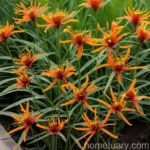
Lycoris radiata is a perennial plant species belonging to the Amaryllidaceae family. It is native to China, Korea, and Nepal, and has been widely cultivated and naturalized in various regions around the world. The plant is known for its striking appearance, featuring vibrant red flowers that bloom on tall stalks in late summer or early fall, even before the leaves emerge. The striking appearance of the Red Spider Lily has made it a popular choice for landscaping and ornamental gardening.
Given its unique characteristics and deep cultural significance, Lycoris radiata has garnered attention across various disciplines, from horticulture and botany to folklore, art, and literature. Its symbolic importance in different cultures, along with its landscape design potential, makes it a subject of interest and intrigue.
Key Takeaways – Lycoris radiata (Red Spider Lily)
Before delving deeper into the specifics of growing and caring for Lycoris radiata, let’s touch upon some key takeaways about this fascinating plant:
- Cultivation: Lycoris radiata is a hardy and low-maintenance plant that thrives in well-drained soil and prefers partial to full sunlight.
- Uses: It is primarily used for ornamental and landscaping purposes, and it holds significant cultural and symbolic value in various traditions and folklore.
- Water: While it doesn’t require excessive watering, it is essential to keep the soil consistently moist, especially during the growing season.
- Sunlight: Lycoris radiata thrives in partial to full sunlight and should be planted in a location that receives adequate light.
- Fertilizer: Minimal fertilization is needed, primarily during the growing season in spring and early summer.
- Soil: Well-drained, loamy soil is optimal for this plant, and it should be planted at a suitable depth to ensure healthy growth.
- Pruning: Minimal pruning is required, primarily to remove old foliage and spent flower stalks.
- Propagation: Red Spider Lily can be propagated through offsets or seeds, although the former is more commonly practiced.
- Container Popularity: It is well-suited for container gardening and can bring a splash of vibrant color to patios and balconies.
- Common Diseases: Proper care and maintenance can help prevent diseases, with bulb rot being one of the primary concerns.
- Common Pests: While relatively pest-resistant, it can occasionally encounter issues with aphids and spider mites.
Now that we’ve covered the essential points, let’s delve into the specifics of Lycoris radiata cultivation and care.
Lycoris radiata Cultivation
When it comes to growing Lycoris radiata, paying attention to its specific requirements and cultural significance is crucial. Let’s explore the key aspects of cultivating and caring for this extraordinary plant.
Planting Location
Selecting an appropriate planting location is critical for the successful growth of Lycoris radiata. Here are some key considerations:
- Sunlight: Red Spider Lily thrives in partial to full sunlight. When selecting a planting site, ensure that it receives a minimum of 6 hours of sunlight per day.
- Soil Quality: Well-drained, loamy soil is essential for the healthy growth of Lycoris radiata. The soil should be rich in organic matter and have excellent drainage to prevent waterlogging.
Planting Depth
Proper planting depth is crucial for the growth and bloom of Red Spider Lily. The bulbs should be planted at a depth of about 2 to 3 times their diameter. For example, if a bulb has a diameter of 2 inches, it should be planted at a depth of 4 to 6 inches.
Watering
While Lycoris radiata does not require excessive watering, it is essential to keep the soil consistently moist, especially during the growing season. However, it is crucial to avoid overwatering, as excessive moisture can lead to bulb rot and other issues.
Fertilization
Minimal fertilization is sufficient for Lycoris radiata, primarily during the growing season in spring and early summer. A balanced, all-purpose fertilizer can be applied to promote healthy growth and vibrant blooms. It is crucial to follow the recommended application rates to prevent overfertilization, which can be detrimental to the plant.
Pruning and Maintenance
Red Spider Lily requires minimal pruning and maintenance. Removing old foliage and spent flower stalks can help redirect the plant’s energy and resources towards healthy growth. Additionally, removing faded flowers can enhance the plant’s appearance and prevent the formation of seeds, which can divert energy from bulb development.
Propagation
Propagation of Lycoris radiata can be achieved through offsets or seeds. Offset propagation involves separating and planting the smaller bulbs produced by the parent plant. This method is commonly practiced and can yield new plants with characteristics similar to the parent. Seed propagation is also possible, although it requires more time and effort compared to offset propagation.
Growing Red Spider Lily
The process of growing Red Spider Lily encompasses various elements, from selecting the right location to providing adequate care and maintenance. Here’s a comprehensive overview of the essential aspects of growing this captivating plant.
Sunlight Requirements
Lycoris radiata thrives in partial to full sunlight and should be planted in a location that receives adequate light. When selecting a planting site, ensure that it receives a minimum of 6 hours of sunlight per day. Adequate sunlight is essential for promoting healthy growth and vibrant blooms.
Watering Guidelines
While Red Spider Lily does not require excessive watering, it is essential to keep the soil consistently moist, especially during the growing season. Adequate moisture is crucial for the growth and development of the plant, and it is important to strike a balance to prevent both under- and overwatering.
Soil Requirements
Well-drained, loamy soil is optimal for the healthy growth of Lycoris radiata. It is essential to ensure that the soil is rich in organic matter and has excellent drainage to prevent waterlogging. Soil quality plays a significant role in the overall health and vitality of the plant.
Fertilization Best Practices
Minimal fertilization is needed for Lycoris radiata, primarily during the growing season in spring and early summer. A balanced, all-purpose fertilizer can be applied to promote healthy growth and vibrant blooms. It is crucial to follow the recommended application rates to prevent overfertilization, which can negatively impact the plant’s health.
Pruning and Maintenance Tips
Red Spider Lily requires minimal pruning and maintenance. Removing old foliage and spent flower stalks can help redirect the plant’s energy towards healthy growth. In addition, it is important to remove faded flowers to enhance the plant’s appearance and prevent the formation of seeds, which can divert energy from bulb development.
Propagation Methods
Propagation of Lycoris radiata can be achieved through offsets or seeds. Offset propagation involves separating and planting the smaller bulbs produced by the parent plant. This method is commonly practiced and can yield new plants with characteristics similar to the parent. Seed propagation is also possible but requires more time and effort compared to offset propagation.
Lycoris radiata Plant Care
Proper care and attention are essential for the optimal growth and blooming of Lycoris radiata. Let’s delve into the specific care requirements and best practices for cultivating this captivating plant.
Watering Schedule
Lycoris radiata requires a consistent level of moisture, especially during the growing season. While it doesn’t require excessive watering, it is essential to keep the soil consistently moist. Adequate moisture is crucial for promoting healthy growth and vibrant blooms.
Soil Moisture Management
Maintaining proper soil moisture levels is critical for the health of Red Spider Lily. Ensure that the soil is well-drained and consistently moist, without being waterlogged. Proper soil moisture management can prevent issues such as bulb rot and other moisture-related diseases.
Fertilization Frequency
Minimal fertilization is sufficient for Lycoris radiata, primarily during the growing season in spring and early summer. A balanced, all-purpose fertilizer can be applied to promote healthy growth and vibrant blooms. It is important to adhere to the recommended fertilization frequency and application rates.
Pruning and Deadheading
Minimal pruning is required for Lycoris radiata. Removing old foliage and spent flower stalks can help redirect the plant’s energy towards healthy growth. Deadheading, or the removal of faded flowers, is also beneficial for enhancing the plant’s appearance and preventing seed formation.
Pest and Disease Management
While relatively pest-resistant, Lycoris radiata can occasionally encounter issues with aphids and spider mites. Vigilant monitoring and prompt intervention can help manage pest infestations. Additionally, proper care and maintenance are essential for preventing diseases such as bulb rot.
Seasonal Care Tips
Adjusting care practices based on the season is crucial for the overall health and vitality of Lycoris radiata. Whether it’s providing ample moisture during the growing season or preparing the plant for dormancy, understanding seasonal care requirements is essential for successful cultivation.
Red Spider Lily Bulbs
Lycoris radiata bulbs form the foundation of this captivating plant’s growth and blooming cycle. Understanding the unique characteristics and requirements of its bulbs is essential for successful cultivation. Let’s explore the specific aspects of Red Spider Lily bulbs and their role in the plant’s life cycle.
Characteristics of Bulbs
Lycoris radiata bulbs exhibit unique characteristics that play a crucial role in the plant’s growth and blooming cycle. From their size and structure to their ability to store nutrients, understanding the specific traits of Red Spider Lily bulbs is essential for effective cultivation.
Bulb Planting Depth
Proper planting depth is crucial for the healthy growth and blooming of Red Spider Lily. The bulbs should be planted at a depth of about 2 to 3 times their diameter to ensure optimal development and flowering. Ensuring the correct planting depth is essential for the successful establishment of the bulbs.
Bulb Propagation
The propagation of Lycoris radiata bulbs can be achieved through offset division. This method involves separating and planting the smaller bulbs produced by the parent plant. Proper handling and planting of bulbs and offsets are essential for ensuring successful propagation and the establishment of new plants.
Bulb Dormancy
Understanding the dormancy cycle of Lycoris radiata bulbs is crucial for their long-term health and vitality. Proper care during dormancy, including providing adequate storage conditions and managing moisture levels, is essential for ensuring the successful emergence and blooming of the bulbs in the following growing season.
Lycoris radiata Flowers
The vibrant red blooms of Lycoris radiata are a defining feature of this captivating plant. Understanding the unique characteristics and blooming patterns of Red Spider Lily flowers is essential for appreciating their beauty and ensuring optimal care. Let’s explore the fascinating world of Lycoris radiata flowers.
Blooming Season
The blooming season of Lycoris radiata typically occurs in late summer or early fall, with the vivid red flowers making a striking appearance before the emergence of the plant’s leaves. Understanding the specific blooming season of Red Spider Lily is essential for planning and enjoying its vibrant display.
Flower Characteristics
The vibrant red flowers of Lycoris radiata exhibit unique characteristics, from their shape and color to their overall structure. Appreciating the specific traits of Red Spider Lily flowers can deepen one’s understanding of the plant’s beauty and significance in various cultural and horticultural contexts.
Symbolism and Cultural Significance
Red Spider Lily holds significant cultural and symbolic value in various traditions and folklore. Understanding the symbolism and cultural significance of Lycoris radiata flowers can provide valuable insights into their role in art, literature, and traditional practices across different cultures.
Fragrance and Aesthetics
While not known for a strong fragrance, the vibrant blooms of Lycoris radiata exude a unique and captivating charm. Understanding the aesthetic appeal of Red Spider Lily flowers, including their visual impact in garden settings and floral arrangements, can deepen one’s appreciation for this remarkable plant.
Red Spider Lily Propagation
Propagating Lycoris radiata can be an enriching and rewarding endeavor, allowing enthusiasts to expand their collection and share the beauty of Red Spider Lily with others. Let’s explore the various methods of propagating Lycoris radiata and the essential considerations for successful propagation.
Offset Division
One of the most common methods of propagating Lycoris radiata is through offset division. This process involves separating and planting the smaller bulbs, or offsets, produced by the parent plant. Proper handling and planting of offsets are essential for ensuring successful propagation and the establishment of new plants.
Seed Propagation
While less common than offset propagation, seed propagation of Lycoris radiata is also possible. This method involves collecting and sowing the plant’s seeds, which requires careful nurturing and patience as the seeds develop into mature bulbs. Seed propagation can be an intriguing process for enthusiasts seeking to expand their collection of Red Spider Lily.
Propagation Timing
Understanding the optimal timing for propagating Lycoris radiata is crucial for achieving successful results. Whether it’s dividing offsets during the dormant season or sowing seeds at the appropriate time, aligning the propagation process with the plant’s natural cycle is key to promoting healthy growth and development.
Propagation Best Practices
Ensuring proper care and attention during the propagation process is essential for the successful establishment of new Lycoris radiata plants. From selecting healthy bulbs and offsets to providing suitable planting conditions, following best practices can significantly impact the outcome of propagation efforts.
Lycoris radiata Varieties
The captivating appeal of Lycoris radiata is further enriched by the existence of different varieties and cultivars, each with its own unique characteristics and visual appeal. Let’s explore some of the notable varieties of Red Spider Lily and their distinct traits.
Lycoris radiata ‘Pumila’
This compact variety of Lycoris radiata features smaller blooms and a more petite stature compared to the standard species. The ‘Pumila’ variety is well-suited for smaller garden spaces and container planting, offering a charming and vibrant display of red flowers.
Lycoris radiata ‘Albiflora’
In contrast to the classic red blooms of Lycoris radiata, the ‘Albiflora’ variety showcases stunning white flowers, adding a touch of elegance and contrast to garden settings. The white blooms of this variety create a striking visual impact and offer a unique take on the captivating allure of Red Spider Lily.
Lycoris radiata ‘Flava’
The ‘Flava’ variety of Lycoris radiata exhibits a distinctive yellow hue in its blooms, providing a captivating variation of color and visual appeal. This unique variety adds a cheerful and vibrant touch to garden landscapes, offering an alternative to the traditional red blooms of the species.
Red Spider Lily Culture
The cultural significance of Lycoris radiata transcends geographical boundaries, captivating the hearts and imaginations of people around the world. From traditional practices and folklore to artistic representations and symbolic meanings, Red Spider Lily holds a cherished place in various cultures. Let’s explore the rich cultural connections of Lycoris radiata.
Symbolism in Folklore and Legends
Red Spider Lily holds deep symbolic significance in various folklore and legends, often associated with themes of death, reincarnation, and remembrance. Understanding the symbolic narratives and cultural interpretations of Lycoris radiata in different traditions can provide valuable insights into its enduring allure.
Red Spider Lily in Asian Traditions
The cultural importance of Lycoris radiata is particularly pronounced in Asian traditions, where it is often associated with themes of death, reincarnation, and the afterlife. The plant’s striking red blooms have inspired numerous artistic and literary representations across different Asian cultures.
Lycoris radiata in Japanese Gardens
Red Spider Lily is a beloved feature in traditional Japanese gardens, where its vibrant blooms create a visually stunning display, particularly when juxtaposed against the greenery of the surroundings. Understanding the role of Lycoris radiata in Japanese gardens can provide a deeper appreciation of its cultural significance.
Red Spider Lily in Traditional Ceremonies
Lycoris radiata holds symbolic importance in traditional ceremonies and rituals, where it is often used to evoke themes of remembrance and reflection. The plant’s visual appeal and cultural significance make it a fitting presence in various ceremonial contexts.
Red Spider Lily in Art and Paintings
The captivating beauty of Lycoris radiata has inspired artists and painters throughout history, leading to numerous depictions of the plant in various artistic mediums. Exploring the artistic representations of Red Spider Lily can offer a unique perspective on its cultural resonance and visual allure.
Red Spider Lily Landscape
The vibrant and captivating blooms of Lycoris radiata make it a valuable addition to landscape design, allowing for the creation of striking visual displays and inviting garden spaces. Let’s explore the landscape design potential of Red Spider Lily and its role in shaping garden settings.
Landscape Design Ideas
Incorporating Lycoris radiata into landscape designs offers a range of creative possibilities, from creating vibrant focal points in garden beds to adding colorful accents along pathways or water features. The striking visual impact of Red Spider Lily enhances the overall aesthetics of landscape designs.
Companion Plants
Selecting suitable companion plants to accompany Lycoris radiata can further complement its visual appeal and create harmonious garden compositions. From decorative foliage plants to other flowering species, pairing Red Spider Lily with compatible companions can result in captivating landscape arrangements.
Seasonal Care and Maintenance
Adapting care and maintenance practices based on the seasonal characteristics of Red Spider Lily is essential for preserving its visual appeal and overall health in landscape settings. Understanding and addressing the plant’s specific seasonal requirements is crucial for successful integration into landscape designs.
Habitat and Landscape Integration
Lycoris radiata’s natural habitat and ecological attributes can offer valuable insights into its optimal integration within landscape settings. Incorporating elements of the plant’s native environment can contribute to the creation of harmonious and ecologically conscious landscape designs.
Red Spider Lily Symbolism
The symbolic significance of Lycoris radiata holds a profound and enduring presence in various cultural traditions and artistic expressions. From themes of reincarnation and remembrance to representations in literature, the plant’s symbolism offers a rich tapestry of meaning and interpretation. Let’s explore the captivating symbolism of Red Spider Lily.
Symbolism in Different Cultures
The symbolic interpretations of Lycoris radiata vary across different cultures, often encompassing themes of transition, rebirth, and commemoration. Exploring the diverse cultural symbolism associated with Red Spider Lily can offer valuable insights into its universal resonance.
Mythological Connections
Red Spider Lily is often intertwined with mythological narratives and folklore, where its vibrant blooms are imbued with symbolic connotations related to themes of transformation and the cycle of life. Understanding the plant’s mythological connections can enrich one’s appreciation of its enduring allure.
Significance in Flower Language
In the language of flowers, Lycoris radiata holds specific meanings and connotations, often expressing sentiments related to remembrance, farewell, and the enduring nature of the soul. Delving into the plant’s significance in flower language offers a deeper understanding of its symbolic import.
Spiritual and Cultural Significance
Red Spider Lily’s spiritual and cultural significance extends across various traditions, where it serves as a potent symbol of remembrance, transition, and the cyclical nature of existence. Exploring the multi