Helleborus x Ballardiae ‘Candy Love’ (Hellebore): A Plant Scientist’s Guide
Helleborus x Ballardiae ‘Candy Love’ is a stunning and unique perennial plant that has gained popularity among gardeners and plant enthusiasts. As a plant scientist with a passion for horticulture, I am excited to delve into the intricacies of this beautiful plant, providing valuable insights into its culture, uses, maintenance, and much more. From exploring its botanical characteristics to discussing its propagation and common diseases, this comprehensive guide aims to serve as a go-to resource for anyone interested in cultivating and appreciating the beauty of Helleborus x Ballardiae ‘Candy Love’.

What is Helleborus x Ballardiae ‘Candy Love’ (Hellebore)?
Helleborus x Ballardiae ‘Candy Love’, commonly known as Hellebore, is a hybrid evergreen perennial that belongs to the Ranunculaceae family. Its unique characteristics and enchanting flowers make it a sought-after addition to gardens and landscapes. Originating from a cross between two Hellebore species, this plant exhibits an exquisite combination of traits that contribute to its allure and desirability.
Key Takeaways
Before we delve deeper into the specifics, let’s take a look at the key takeaways associated with Helleborus x Ballardiae ‘Candy Love’:
- Scientific Name: Helleborus x Ballardiae ‘Candy Love’
- Common Name: Hellebore
- Family: Ranunculaceae
- Type: Evergreen perennial
With these key points in mind, let’s explore the various aspects of Helleborus x Ballardiae ‘Candy Love’, ranging from its culture and uses to maintenance and care.
Culture
The culture of Helleborus x Ballardiae ‘Candy Love’ encompasses its preferred growing conditions, including soil, sunlight, water, and fertilizer requirements. Understanding the plant’s culture is essential for promoting its healthy growth and enhancing its ornamental value.
Soil
Helleborus x Ballardiae ‘Candy Love’ thrives in well-draining, fertile soil with a slightly acidic to neutral pH range. A soil mix rich in organic matter provides the ideal foundation for the plant’s root development and overall health. When planting Hellebores, incorporating compost or well-rotted manure into the soil can significantly benefit their long-term vitality.
Sunlight
This perennial plant favors partial to full shade, making it an excellent choice for shaded or woodland garden settings. While it can tolerate some dappled sunlight, it generally performs best in locations with filtered light and protection from intense midday sun. Ensuring adequate shade is crucial for preventing leaf scorch and promoting robust flower production.
Water
Maintaining moderate soil moisture is key to supporting the growth and vigor of Helleborus x Ballardiae ‘Candy Love’. While it is important to avoid waterlogged conditions, the plant benefits from regular watering, especially during dry spells. Applying a layer of organic mulch around the base of the plant helps retain soil moisture and provides insulation against extreme temperatures.
Fertilizer
Applying a balanced, slow-release fertilizer in early spring can contribute to the overall health and blooming capacity of Helleborus x Ballardiae ‘Candy Love’. Selecting a fertilizer with an N-P-K ratio suited to flowering perennials can supply essential nutrients without triggering excessive vegetative growth. Following the recommended application rates and timing is crucial for preventing potential fertilizer-related issues.
Uses
Helleborus x Ballardiae ‘Candy Love’ offers a myriad of uses in both ornamental and landscape contexts. Its versatile nature and enchanting aesthetic appeal make it a valuable asset in various gardening and design applications.
Garden Ornament
The exquisite blooms of Helleborus x Ballardiae ‘Candy Love’ make it a captivating addition to garden borders, woodland plantings, and shaded areas. Its evergreen foliage provides year-round interest, while its early flowering period adds a welcome burst of color to late winter and early spring landscapes. Whether planted in groups or as a standout solitary specimen, Hellebores bring elegance and charm to outdoor spaces.
Cut Flower
The long-lasting blooms of Helleborus x Ballardiae ‘Candy Love’ make it an ideal candidate for cut flower arrangements. When carefully harvested and conditioned, its flowers can be showcased in floral displays, adding a touch of sophistication and natural beauty to indoor settings. Additionally, the unique appearance and color variations of Hellebore blooms make them highly desirable for floral designers and enthusiasts.
Medicinal Significance
Hellebores have a rich historical association with medicinal uses, although it is important to note that they contain toxic compounds and should be handled with caution. In traditional herbal medicine, certain species of Helleborus were used for their purported therapeutic properties, although their usage in contemporary medicine is limited. As with any plant with potential medicinal attributes, it is essential to seek guidance from qualified healthcare professionals before considering any form of usage.
Pruning
Pruning plays a vital role in maintaining the overall appearance and health of Helleborus x Ballardiae ‘Candy Love’. By understanding the best pruning practices, gardeners can ensure that the plant remains tidy and vigorous, promoting optimal flowering and foliage development.
Pruning Timing: The ideal time for pruning Helleborus x Ballardiae ‘Candy Love’ is in late winter to early spring, just before new growth emerges. This timing allows for the removal of spent blooms and damaged or unsightly foliage without interfering with the plant’s natural growth cycle.
Removing Spent Flowers: As Hellebores are known for their extended blooming period, it is beneficial to deadhead the plants regularly to encourage continuous flower production. To deadhead Helleborus x Ballardiae ‘Candy Love’, simply trim the faded flowers close to the base of the stem, promoting the emergence of new buds and blooms.
Foliage Clean-Up: Clearing away old, tattered foliage can rejuvenate the plant’s appearance and prevent the potential spread of diseases or pests. Carefully removing any discolored or damaged leaves contributes to a tidy and healthy overall presentation.
Propagation
Propagating Helleborus x Ballardiae ‘Candy Love’ allows for the expansion of its presence in the garden and the sharing of its beauty with others. Understanding the various methods of propagation equips gardeners with the knowledge to successfully reproduce and cultivate this exquisite perennial.
Division
Dividing established clumps of Helleborus x Ballardiae ‘Candy Love’ presents an effective means of propagation. Perform division in early spring or late summer, carefully separating the rhizomes or root sections and ensuring that each division possesses viable roots and shoots. Plant the divisions at the appropriate depth in prepared soil, and provide consistent moisture to support their establishment.
Seed Propagation
Growing Helleborus x Ballardiae ‘Candy Love’ from seeds requires patience and attention to specific germination requirements. Collect mature seeds from existing plants and sow them in well-draining, sterile growing medium. Providing consistent moisture and placing the seed trays in a location with indirect light can promote successful germination. Bear in mind that seed-grown plants may take several years to reach maturity and produce flowers.
Stem Cuttings
Taking stem cuttings from healthy, non-flowering shoots offers another avenue for propagating Helleborus x Ballardiae ‘Candy Love’. Selecting young, vigorous stems and preparing them for rooting in a well-draining, sterile growing medium can yield new plants with genetic resemblance to the parent. Maintaining the appropriate humidity levels and monitoring the development of roots are critical factors for successful propagation via stem cuttings.
Container Popularity
Helleborus x Ballardiae ‘Candy Love’ has garnered significant popularity as a container plant, offering the opportunity to showcase its beauty in a portable and versatile manner. Cultivating Hellebores in containers enables individuals with limited garden space to enjoy their enticing blooms and evergreen foliage, all while providing flexibility in placement and display.
Container Selection
When choosing containers for Helleborus x Ballardiae ‘Candy Love’, opt for spacious, well-draining pots or planters that accommodate the plant’s mature size and provide ample room for root growth. Additionally, containers with drainage holes are essential for preventing waterlogging and maintaining optimal soil moisture levels.
Decorative Appeal
The captivating charm of Helleborus x Ballardiae ‘Candy Love’ makes it a captivating choice for container displays on patios, balconies, and other outdoor settings. Its early blooming period lends itself to serving as a focal point in seasonal container arrangements, adding a touch of elegance and natural allure to any space.
Care Considerations
Container-grown Hellebores require attentive care to thrive in their confined growing environment. Monitoring soil moisture, providing sufficient shade, and ensuring appropriate fertilization are essential aspects of container maintenance. Regular inspection for pests and diseases is also crucial for preserving the health and vigor of Helleborus x Ballardiae ‘Candy Love’ in container settings.
Common Diseases
Despite being resilient in many aspects, Helleborus x Ballardiae ‘Candy Love’ is susceptible to certain diseases that can impact its growth and overall vitality. Recognizing common diseases and understanding their respective symptoms and management approaches is instrumental in safeguarding the health of the plant.
Leaf Spot
Leaf spot, caused by fungal pathogens, can manifest as dark, circular lesions on the foliage of Helleborus x Ballardiae ‘Candy Love’. These spots may exhibit a concentric ring pattern and can lead to leaf yellowing and defoliation if left unaddressed. Pruning affected foliage and promoting good air circulation can help prevent the spread of leaf spot. Additionally, applying fungicidal treatments as a preventive measure can mitigate the risk of infection.
Crown Rot
Excessive soil moisture and poor drainage can create conditions conducive to crown rot, a potentially devastating disease for Helleborus x Ballardiae ‘Candy Love’. Symptoms of crown rot include wilting, yellowing, and the collapse of the plant’s crown and roots. Implementing proper watering practices and ensuring well-draining soil are critical for preventing this disease. Promptly removing and disposing of infected plants can help contain the spread of the pathogen.
Botrytis Blight
Botrytis blight, caused by the fungal pathogen Botrytis cinerea, can affect the flower buds, stems, and foliage of Helleborus x Ballardiae ‘Candy Love’ in conditions of high humidity and poor air circulation. Infected plant parts may display a fuzzy gray mold, and affected tissues can become mushy and decayed. Maintaining adequate spacing between plants, promoting ventilation, and avoiding overhead irrigation can mitigate the risk of botrytis blight.
Disease Diagnosis
Accurate diagnosis of diseases affecting Helleborus x Ballardiae ‘Candy Love’ is pivotal for implementing targeted management strategies and preventing the escalation of potential issues. By familiarizing oneself with the distinctive symptoms of common diseases, gardeners can efficiently identify and address problems as they arise.
Visual Symptoms
Visual symptoms serve as primary indicators of disease presence in Helleborus x Ballardiae ‘Candy Love’. These may include leaf spots, discoloration, wilting, distorted growth, and abnormal patterns on the foliage and stems. Observing any deviation from the plant’s normal appearance can prompt further investigation and diagnostic measures.
Laboratory Analysis
In instances where visual inspection alone cannot definitively determine the nature of a plant disease, conducting laboratory analysis through reputable diagnostic facilities can offer conclusive identification. Submitting samples of affected plant tissues or soil for analysis by trained professionals can yield valuable insights into the specific pathogens or causes responsible for the observed symptoms.
Professional Consultation
Seeking guidance from qualified plant health specialists and extension services can provide expert support in diagnosing diseases affecting Helleborus x Ballardiae ‘Candy Love’. Leveraging the knowledge and experience of professionals in the field of plant pathology and horticulture can assist in formulating effective disease management and prevention strategies tailored to the specific needs of the plant.
Common Pests
While Helleborus x Ballardiae ‘Candy Love’ possesses inherent resistance to many pests, certain insects and critters can pose potential threats to its well-being. Familiarizing oneself with common pests and their associated damage symptoms empowers gardeners to protect their Hellebores from infestations and the resulting detrimental effects.
Aphids
Aphids are small, soft-bodied insects that can infest the tender new growth and foliage of Helleborus x Ballardiae ‘Candy Love’. Feeding on plant sap, aphids can cause curling, distortion, and yellowing of leaves, as well as the secretion of sticky honeydew. Implementing measures to deter aphids, such as introducing natural predators or applying insecticidal soaps, can help manage infestations.
Slugs and Snails
Slugs and snails are notorious for their voracious appetite for Hellebore foliage, often leaving behind ragged, chewed edges on leaves and stems. Their presence is particularly noticeable during periods of high moisture and humidity. Employing physical barriers, such as copper tape or diatomaceous earth, and deploying slug and snail baits can aid in minimizing damage caused by these pests.
Weevils
Certain species of weevils, such as the vine weevil (Otiorhynchus sulcatus), can pose a threat to Helleborus x Ballardiae ‘Candy Love’ by targeting the plant’s roots and causing root damage. Adults and larvae of weevils can contribute to weakened growth, wilting, and decline in affected plants. Monitoring for early signs of weevil activity and utilizing targeted insecticides when necessary can assist in mitigating their impact.
Botanist’s Tips
As a plant scientist with a deep appreciation for Helleborus x Ballardiae ‘Candy Love’, I offer the following specialized tips to enrich the experience of cultivating and caring for this remarkable perennial:
Specialized Pollination
Engaging in specialized pollination techniques, such as hand pollination, can offer enthusiasts the opportunity to explore hybridization and the development of unique Hellebore varieties. By carefully selecting parent plants and controlling cross-pollination, individuals can participate in the creation of novel Hellebore cultivars with desirable traits.
Gardening Understory
Leveraging the shade-tolerant nature of Helleborus x Ballardiae ‘Candy Love’, gardeners can utilize it as a prominent component in understory plantings. Integrating Hellebores within woodland gardens, alongside companion plants that thrive in shaded environments, contributes to the establishment of inviting and visually captivating garden spaces.
Foliage Showcases
Appreciating the enduring appeal of Helleborus x Ballardiae ‘Candy Love’s evergreen foliage, consider highlighting its graceful leaves and architectural form in container displays and ornamental arrangements. Incorporating contrasting textures and forms can accentuate the charming presence of the plant, elevating its ornamental significance beyond its enchanting blooms.
Fun Facts
Exploring the fascinating aspects of Helleborus x Ballardiae ‘Candy Love’ through fun facts sheds light on its unique attributes and historical significance, deepening our admiration for this exceptional plant:
- The genus name “Helleborus” is derived from the Greek words “hellein” (to injure) and “bora” (food), reflecting the potential toxic properties historically associated with certain Hellebore species.
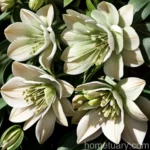
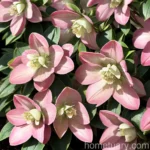
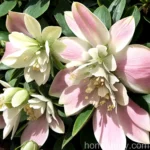
- Helleborus x Ballardiae ‘Candy Love’ is known for its captivating nodding flowers, which can bloom in various shades, including hues of pink, purple, and cream.
- In folklore and traditional symbolism, Hellebores have been linked to various meanings, ranging from protection and healing to enchantment and rebirth, contributing to their enduring allure throughout history.
Links to External Resources
For further exploration and in-depth information on Helleborus x Ballardiae ‘Candy Love’ and related subjects, consider the following external resources:
- The Royal Horticultural Society (RHS)
- American Society for the Prevention of Cruelty to Animals (ASPCA) – Hellebore Toxicity
- University of California Statewide Integrated Pest Management Program (UC IPM) – Hellebore Diseases
- Missouri Botanical Garden – Helleborus x Ballardiae ‘Candy Love Factsheet
As we conclude our comprehensive exploration of Helleborus x Ballardiae ‘Candy Love’, I hope that this guide has illuminated the captivating allure and horticultural significance of this extraordinary perennial. May its enduring charm and enchanting blooms continue to inspire and delight gardening enthusiasts and aficionados across the globe.
In closing, I would like to express my gratitude for the opportunity to share my insights and enthusiasm for the captivating world of Helleborus x Ballardiae ‘Candy Love’, a botanical treasure cherished for its unparalleled beauty and rich historical legacy.
This blog post is intended for informational purposes only and does not serve as professional horticultural or medical advice. For specific guidance regarding plant care, health, or usage, consult with qualified professionals and reputable sources.