Lantana Involucrata (Buttonsage)
Lantana involucrata, commonly known as Buttonsage, is a vibrant and versatile plant that belongs to the Verbenaceae family. This species is native to the.
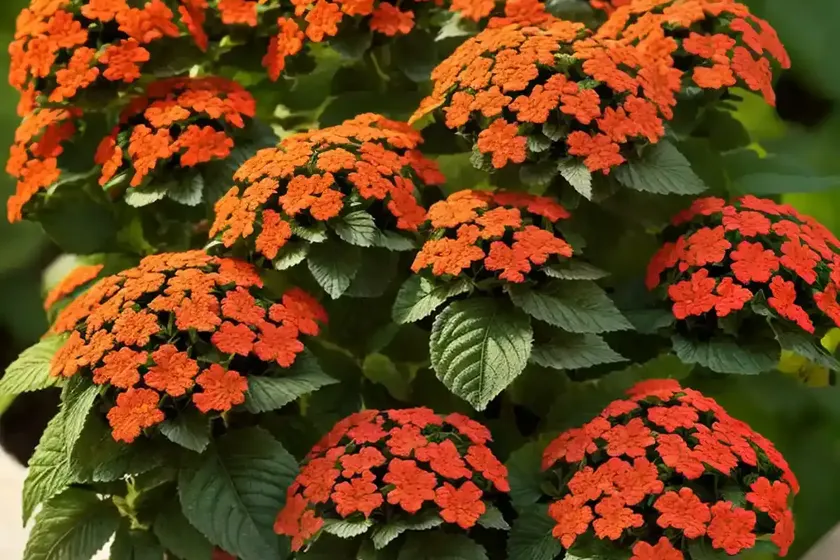
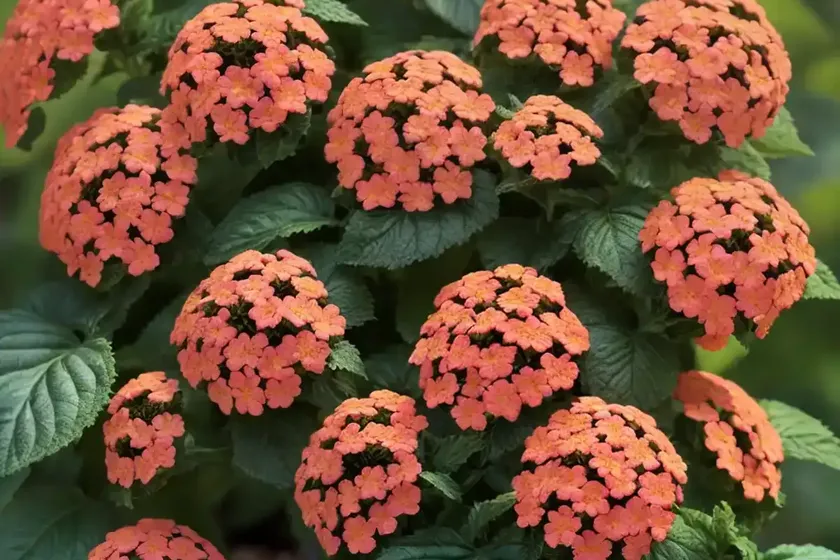
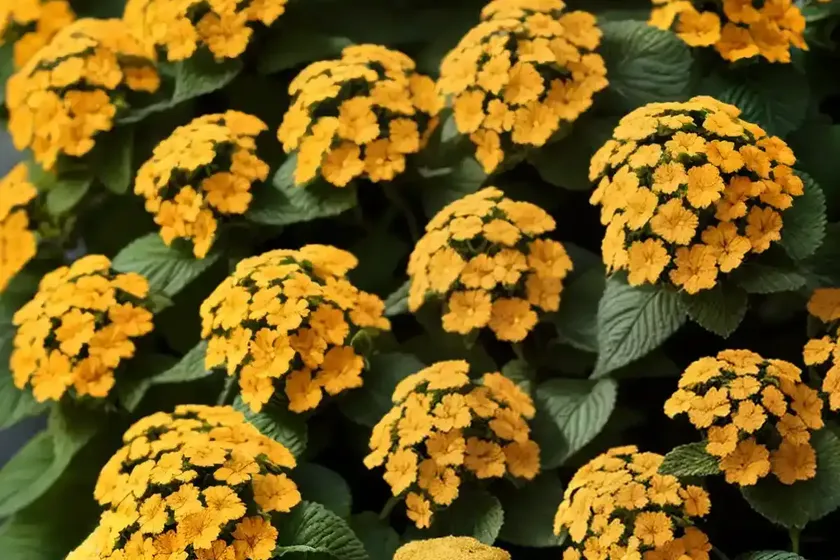
Lantana involucrata, commonly known as Buttonsage, is a vibrant and versatile plant that belongs to the Verbenaceae family. This species is native to the Caribbean, Central America, and parts of South America and is favored for its colorful and aromatic blooms. In this comprehensive guide, we will delve into the characteristics, uses, cultivation, care tips, and various aspects of Lantana involucrata, providing valuable insights for both gardening enthusiasts and horticultural professionals.
What is Lantana involucrata (Buttonsage)?
Before diving into the specifics, let’s explore the fundamental attributes of Lantana involucrata. The botanical description, habitat, and general characteristics provide a solid foundation for understanding this plant in its natural and cultivated environments.
Botanical Description
Lantana involucrata is a perennial shrub known for its dense foliage, vibrant flowers, and robust growth habits. The plant typically reaches a height of 3 to 6 feet, forming a bushy and slightly spreading structure. Its leaves are elliptic or ovate, textured, and emit a distinctive aroma when crushed. The inflorescence consists of tight clusters of small, tubular flowers that exhibit a captivating range of colors, including shades of pink, purple, yellow, orange, or red.
Habitat and Natural Range
As mentioned earlier, Lantana involucrata thrives in tropical and subtropical regions, with its native range encompassing the Caribbean islands, Central America, and specific parts of South America. It is often found in open woodlands, disturbed habitats, and along roadsides, showcasing its adaptability to a variety of environmental conditions.
General Characteristics
Here are some key traits that define Lantana involucrata:
- Flowering Period: This species tends to bloom continuously throughout the warm seasons, with its clusters of flowers attracting pollinators and adding a burst of color to the landscape.
- Aromatic Foliage: The leaves of Lantana involucrata emit a pleasant fragrance when handled, contributing to its sensory appeal.
- Wildlife Attraction: The flowers of Lantana involucrata are known to attract butterflies, bees, and other pollinators, enhancing biodiversity in the local ecosystem.
- Potential Allergies: While the plant’s nectar and pollen are beneficial for pollinators, it’s important to note that some individuals may experience allergies upon contact with the plant, particularly through its sap or its crushed leaves.
Now that we’ve gained an overview of Lantana involucrata, let’s delve into its various aspects, including its culture, uses, care requirements, and more.
Key Takeaways – Lantana involucrata (Buttonsage)
To gain a comprehensive understanding of Lantana involucrata, it’s essential to explore its culture, uses, and the key factors influencing its growth and maintenance. Whether you’re considering incorporating this plant into your landscape or aiming to optimize its cultivation, the following sections will provide valuable insights into these aspects.
Culture
The culture of Lantana involucrata encompasses the environmental conditions, including water, sunlight, soil, and fertilizer requirements necessary for its optimal growth. Understanding these cultural nuances is crucial for providing the plant with an environment conducive to its flourishing.
Water
- Water Needs: Lantana involucrata is known for its tolerance to dry conditions once established. However, consistent watering is essential during its establishment phase and prolonged dry spells.
- Watering Frequency: While the plant demonstrates some drought tolerance, regular watering is recommended, especially during periods of extended heat or limited rainfall.
- Drainage: Ensuring well-drained soil is vital to prevent waterlogging, which can adversely affect the plant’s root system.
Sunlight
- Sun Requirements: Lantana involucrata thrives in full sunlight, exhibiting vigorous growth and abundant flowering when provided with at least 6 to 8 hours of direct sunlight daily.
- Partial Shade: While the plant can tolerate partial shade, it may lead to decreased flowering and overall vitality.
Soil
- Soil Preferences: This species prefers well-draining soil with a slightly acidic to neutral pH. Amending heavy clay soils with organic matter can improve drainage and provide an optimal growing medium for Lantana involucrata.
- Soil Moisture: While the plant is tolerant of periods of dryness, maintaining consistent soil moisture, especially during its establishment and active growth phases, is crucial.
Fertilizer
- Nutrient Requirements: Lantana involucrata benefits from a balanced, slow-release fertilizer applied during the growing season. A formulation with a higher phosphorus content can promote prolific flowering and overall plant vigor.
- Application Frequency: Applying fertilizer every 4 to 6 weeks during the growing season can support the plant’s nutritional needs without the risk of excessive nutrient buildup.
Uses
Lantana involucrata boasts a wide range of landscape and garden uses, owing to its ornamental appeal, wildlife attraction, and potential utility in various settings. Understanding its diverse uses allows for strategic integration into different landscapes and horticultural contexts.
Garden and Landscape Ornamentation
- Floral Display: The vibrant and long-lasting clusters of flowers make Lantana involucrata an excellent choice for adding splashes of color to garden borders, mixed beds, or container plantings.
- Flowering Period: With its extended flowering season, the plant serves as a reliable and eye-catching component in landscapes, providing visual interest for an extended duration.
Wildlife Attraction
- Pollinator Magnet: The nectar-rich flowers of Lantana involucrata are highly attractive to butterflies, bees, and other pollinators, contributing to the support of local ecosystems and beneficial insect populations.
Medicinal Properties
- Traditional Uses: In some regions, Lantana species have been historically utilized for their medicinal properties, with preparations derived from the plant believed to possess healing and therapeutic properties.
Pruning
Proper pruning techniques are essential for maintaining the health, shape, and floral abundance of Lantana involucrata. Understanding the pruning requirements and strategies can contribute to the plant’s longevity and aesthetic appeal.
Pruning Techniques
- Deadheading: Regular removal of spent flowers encourages continuous blooming and prevents the formation of seeds, directing the plant’s energy towards new growth and flower production.
- Thinning: To promote better air circulation and prevent overcrowding, selective thinning of branches and stems can be conducted, particularly in denser growth areas.
Propagation
Engaging in the propagation of Lantana involucrata allows for the expansion of its presence within a landscape or the sharing of its genetic heritage with other enthusiasts. Exploring the plant’s propagation methods and best practices is an essential aspect of its cultivation.
Seeds
- Propagation from Seeds: Lantana involucrata can be grown from seeds, with the collected seeds requiring proper treatment, such as scarification, to enhance germination rates.
- Germination Period: Germination typically occurs within 1 to 3 weeks under favorable conditions, yielding seedlings that can be nurtured for future planting.
Cuttings
- Vegetative Propagation: Utilizing stem cuttings from healthy and established plants offers a reliable method for cloning desirable Lantana involucrata specimens.
- Rooting Process: Preparing and rooting cuttings in a well-draining media under controlled moisture and light conditions can lead to successful establishment of new plants.
Container Popularity
The suitability of Lantana involucrata for container cultivation opens up possibilities for its incorporation into diverse urban and small-space settings, expanding its horticultural relevance beyond traditional landscapes and gardens.
Advantages of Container Cultivation
- Space Optimization: Growing Lantana involucrata in containers allows for flexibility in positioning, enabling its placement on patios, balconies, and other confined areas.
- Portability: Containers provide the option to move the plant to optimal lighting conditions or shelter it during inclement weather, enhancing its adaptability to varying environmental factors.
Common Diseases
Lantana involucrata, like many plants, is susceptible to certain diseases that can impact its health and appearance. Recognizing and understanding these common diseases is integral to implementing preventative measures and targeted management strategies.
Disease Diagnosis
- Powdery Mildew: A common fungal disease affecting Lantana species, characterized by the development of powdery white growth on the leaves and stems, potentially leading to leaf distortion and reduced vitality.
- Leaf Spot: The presence of circular or irregularly shaped lesions on the leaves, often accompanied by discoloration, indicates the onset of this fungal disease, which can be exacerbated by prolonged leaf wetness.
Common Pests
In addition to diseases, Lantana involucrata is vulnerable to certain pests that can compromise its health and aesthetic appeal. Understanding these common pests and their impact is essential for implementing appropriate control measures.
Pest Identification
- Aphids: These small, sap-sucking insects can cause distortion of new growth and the development of sticky honeydew, potentially leading to the spread of sooty mold and reduced photosynthetic efficiency.
- Whiteflies: The presence of white, winged insects upon disturbance of the plant indicates infestation by whiteflies, which can cause leaf yellowing, premature leaf drop, and reduced vigor through excessive sap removal.
Botanist’s Tips
To round out our insights into Lantana involucrata, let’s consider additional recommendations and tips from a botanical perspective, providing practical advice for effectively growing and appreciating this captivating species.
Growth Habits and Habitats
- Vigorous Growth: Lantana involucrata is known for its robust and fast-growing nature, requiring adequate space and periodic maintenance to prevent overcrowding and maintain aesthetic appeal.
- Natural Habitats: Observing the plant in its natural habitats can provide valuable insights into its preferred growing conditions, seasonal variations, and potential interactions with native flora and fauna.
Fun Facts
Exploring some intriguing and lesser-known facts about Lantana involucrata adds an element of fascination to our understanding of this versatile plant, highlighting its unique traits and enriching our appreciation for its horticultural value.
- Color Variations: Lantana involucrata exhibits a remarkable array of color variations among its flowers, ranging from soft pastels to vibrant and contrasting hues, contributing to its visual allure.
- Wildlife Interaction: In addition to attracting pollinators, Lantana involucrata may serve as a host plant for the larvae of certain butterfly species, further underscoring its ecological significance.
Now that we’ve covered the fundamental aspects of Lantana involucrata, including its culture, uses, care tips, and various nuances, it’s important to delve into the additional details that enrich our understanding of this captivating plant.
Plant Name: “Lantana involucrata (Buttonsage)”
To further expound on the botanical aspects of Lantana involucrata, let’s delve into the various categories and dimensions associated with this species, elucidating its characteristics, propagation methods, land use potential, and much more, providing a holistic perspective on its significance in horticulture and its broader ecological relevance.
Lantana involucrata Benefits
Ornamental Appeal and Ecological Contributions
Lantana involucrata is prized for its ornamental value, contributing to the aesthetic enhancement of landscapes and gardens through its vibrant and long-lasting floral displays. Additionally, its role in supporting pollinators and beneficial insects adds to its ecological importance, promoting biodiversity and functional ecosystem dynamics.
Medicinal and Folk Uses
The historical and cultural applications of Lantana involucrata as a medicinal and folk remedy plant further underscore its utility and value beyond its ornamental attributes. From potential healing properties to symbolic associations, these benefits enrich the multifaceted significance of this species.
Buttonsage Uses
Landscaping and Horticultural Integration
Lantana involucrata finds diverse applications in landscaping, serving as a versatile and resilient plant for border plantings, mass displays, and container arrangements. Its adaptability to varying soil and moisture conditions, coupled with its attractive flowers, solidifies its role in horticultural design and cultivation.
Wildlife Support and Habitat Enrichment
Given its capacity to attract pollinators and potentially serve as a larval host plant, Lantana involucrata contributes to the habitat enrichment and wildlife support within gardens, naturalized areas, and managed landscapes, fostering interactions between plants and beneficial fauna.
Lantana involucrata Characteristics
Floral Coloration and Morphology
The diversity in floral coloration and morphology within Lantana involucrata underscores the genetic variability and ornamental appeal of this species, showcasing an assortment of flower forms and hues that captivate the eye and contribute to its desirability in horticulture.
Aromatic Foliage and Sensory Attributes
The characteristic aromatic foliage of Lantana involucrata, often described as pungent or citrus-like, adds a sensory dimension to its appeal, further enriching the overall experience of engaging with this plant through tactile and olfactory stimulation.
Buttonsage Care
Cultivation and Environmental Adaptation
Understanding the cultivation and environmental preferences of Lantana involucrata is essential for effectively caring for this species, encompassing aspects such as water needs, sunlight requirements, soil preferences, and fertilizer applications to optimize its growth and vitality.
Pruning and Maintenance Practices
Implementing appropriate pruning and maintenance practices ensures the longevity and aesthetic integrity of Lantana involucrata, encompassing techniques such as deadheading, selective thinning, and preventative measures against disease and pest incidence.
Lantana involucrata Cultivation
Growing Conditions and Habitat Imitation
Recreating the optimal growing conditions and habitats of Lantana involucrata within cultivated landscapes involves strategic site selection, soil amendment, and environmental manipulation to create an environment conducive to its establishment and flourishing.
Propagation and Population Expansion
Engaging in the propagation of Lantana involucrata not only contributes to its broader availability within horticulture but also allows for the preservation of specific genetic variations and the dissemination of desirable traits across different growing regions.
Buttonsage Plant Care Tips
Nurturing and Landscape Integration
Offering specific care tips for the successful cultivation and integration of Lantana involucrata within landscapes and gardens assists enthusiasts and horticultural practitioners in maximizing the potential of this species, creating visually appealing and ecologically supportive plantings.
Seasonal Considerations and Adaptation
Understanding the seasonal variations and considerations specific to Lantana involucrata’s care, such as winter protection, summer watering adjustments, and spring rejuvenation techniques, facilitates the provision of targeted and seasonally appropriate nurturing.
Lantana involucrata Varieties
Genetic Diversity and Horticultural Selection
The range of varieties and cultivars within Lantana involucrata showcases the genetic diversity and horticultural adaptability of this species, offering a spectrum of flower colors, growth habits, and environmental tolerances to suit different landscape applications and preferences.
Landscaping and Design Potential
Exploring the various Lantana involucrata varieties broadens the scope of landscape design and horticultural creativity, allowing for the strategic selection and integration of specific cultivars to achieve desired visual impact and functional outcomes within different settings.
Buttonsage Plant Species
Ecological Role and Conservation Considerations
Understanding the broader ecological role and potential conservation significance of Lantana involucrata as a plant species contributes to the appreciation of its contribution to ecosystem dynamics, habitat support, and regional biodiversity conservation efforts.
Habitat Preservation and Restoration
Recognizing the natural habitats and regional associations of Lantana involucrata emphasizes the importance of habitat preservation and thoughtful restoration practices that facilitate the maintenance and enhancement of its ecological relevance within its native range.
With a thorough exploration of the various facets of Lantana involucrata, ranging from its cultural requirements to its broader ecological implications, we’ve gained a comprehensive understanding of the significance and utility of this captivating species.
Links to External Resources
To further enrich your knowledge of Lantana involucrata and its various dimensions, here are some valuable external resources that offer additional insights, research findings, and practical recommendations:
- Royal Horticultural Society – Lantana involucrata
- University of Florida IFAS Extension – Lantana Involucrata L.
- Missouri Botanical Garden – Lantana Involucrata
- North Carolina State University – Lantana Involucrata
These resources offer a wealth of information, ranging from botanical descriptions to cultivation guidelines, enriching your understanding and appreciation of Lantana involucrata.
In conclusion, Lantana involucrata (Buttonsage) stands as a plant of immense horticultural and ecological significance, offering ornamental allure, wildlife support, and potential utility across diverse landscapes and settings. By delving into its culture, uses, care requirements, and broader ecological implications, we’ve gained a holistic perspective on this captivating species, fostering a deeper appreciation for its multifaceted value within the realm of plants and gardening.
References:
– Royal Horticultural Society. (n.d.). Lantana involucrata. [Link]
– University of Florida IFAS Extension. (n.d.). Lantana Involucrata L. [Link]
– Missouri Botanical Garden. (n.d.). Lantana Involucrata. [Link]
– North Carolina State University. (n.d.). Lantana Involucrata. [Link]


