Heuchera Micrantha (Crevice Alumroot)
Heuchera micrantha, commonly known as Crevice Alumroot, is a versatile and visually stunning perennial plant. With its diverse foliage colors, attractive.
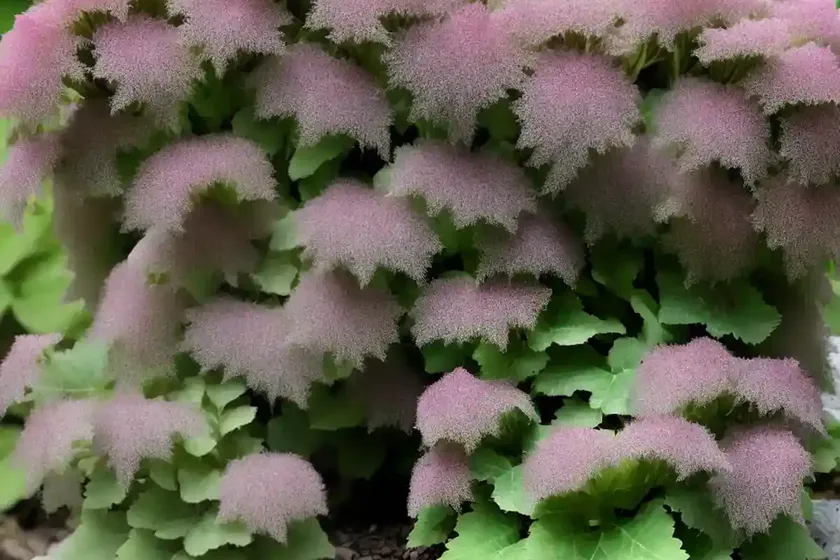
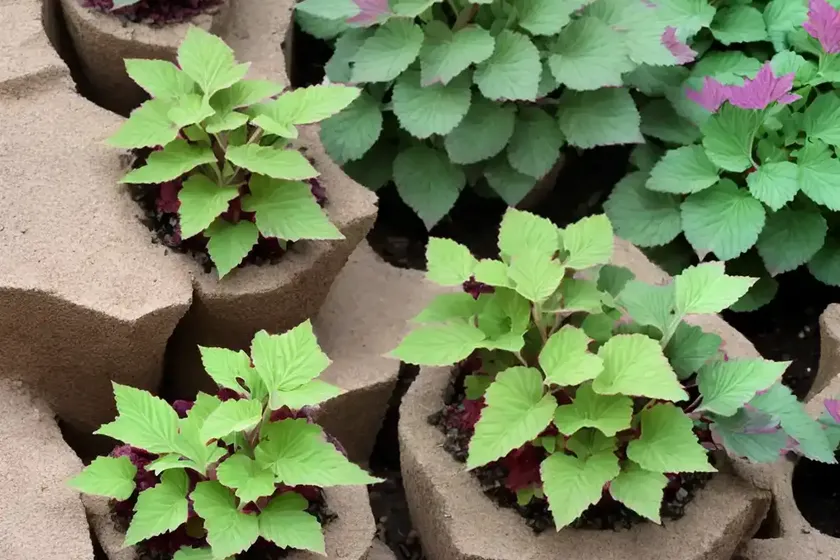
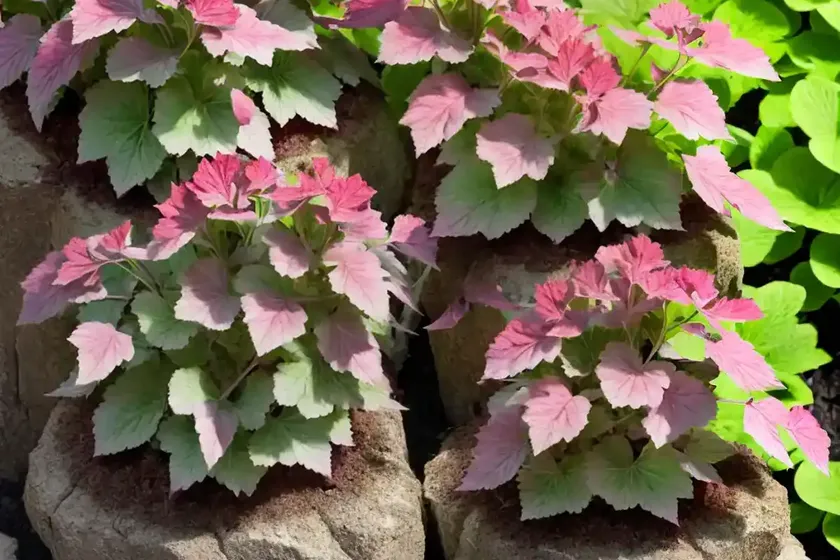
Heuchera micrantha, commonly known as Crevice Alumroot, is a versatile and visually stunning perennial plant. With its diverse foliage colors, attractive flowers, and adaptability to various environmental conditions, this plant has become a popular choice for gardens, landscapes, and container gardening. In this comprehensive guide, we will delve into the various aspects of Heuchera micrantha, from its cultural requirements and uses to its propagation, common diseases, and pests. Whether you are a gardening enthusiast, a landscape designer, or a botany enthusiast, this article will provide you with valuable insights into incorporating Heuchera micrantha into your green spaces.
Table of Contents
- What is Heuchera micrantha (Crevice Alumroot)?
- Key Takeaways
- Culture
- Uses
- Water Requirements
- Sunlight Requirements
- Fertilizer Needs
- Soil Preferences
- Pruning Practices
- Propagation Methods
- Growing Heuchera micrantha in Containers
- Popularity of Heuchera micrantha
- Common Diseases and Disease Diagnosis
- Common Pests
- Botanist’s Tips
- Fun Facts
- Links to External Resources
What is Heuchera micrantha (Crevice Alumroot)?
Heuchera micrantha, a member of the Saxifragaceae family, is a herbaceous perennial plant native to North America. It is commonly referred to as Crevice Alumroot, highlighting its ability to thrive in rocky crevices and well-drained soils. This species is known for its ornamental qualities, boasting a variety of foliage colors, compact growth habit, and delicate flowers that adorn its slender stems.
The genus Heuchera encompasses numerous species, with Heuchera micrantha standing out for its exceptional beauty and resilience. As a low-maintenance plant, it has gained popularity among gardeners, horticulturists, and landscape architects who seek to enhance outdoor spaces with vibrant and long-lasting ornamental plants.
Key Takeaways – Heuchera micrantha (Crevice Alumroot)
Before delving into the specific aspects of Heuchera micrantha, let’s highlight the key takeaways that will guide us through the detailed exploration of this remarkable plant:
- Heuchera micrantha (Crevice Alumroot) is a herbaceous perennial plant native to North America.
- It is characterized by its diverse foliage colors, compact growth habit, and delicate flowers.
- This species is valued for its ornamental appeal and adaptability to various environmental conditions.
- Heuchera micrantha is a low-maintenance plant, making it ideal for both experienced and novice gardeners.
- Its uses range from ground cover and border plantings to container gardening and landscape design, showcasing its versatility in horticultural settings.
With these key points in mind, let’s delve into the specific cultural requirements, uses, and maintenance practices associated with Heuchera micrantha.
Culture
Cultural practices are integral to the successful growth and development of Heuchera micrantha. Understanding its preferences for water, sunlight, fertilizer, and soil conditions is essential for creating an optimal environment in which this plant can thrive.
Water
Proper watering is crucial for the health and vigor of Heuchera micrantha. While it is known for its tolerance to moderate drought conditions, sufficient moisture is required, particularly during the establishment phase and periods of prolonged dryness.
Key Points:
– Heuchera micrantha prefers well-drained soil to prevent waterlogging, which can lead to root rot.
– During the growing season, regular watering is necessary, especially in regions with hot and dry climates.
– Mulching around the base of the plant helps retain soil moisture and regulates the temperature of the root zone.
Sunlight
Sunlight requirements play a significant role in the growth and foliar coloration of Heuchera micrantha. Understanding its preferences for light exposure will contribute to the plant’s overall vitality and visual appeal.
Key Points:
– Partial shade to full shade is preferred, particularly in regions with intense sunlight and high temperatures.
– Exposure to direct sunlight for prolonged periods may result in leaf scorching, especially in warm climates.
– Shaded areas with dappled sunlight or filtered light are ideal for promoting robust growth and vibrant foliage colors.
Fertilizer
Proper nutrition is essential for sustaining the vigor and ornamental qualities of Heuchera micrantha. Incorporating a balanced and organic fertilizer regimen will support the plant’s overall health and enhance its visual characteristics.
Key Points:
– A slow-release, balanced fertilizer with a formulation such as 10-10-10 or 14-14-14 is suitable for Heuchera micrantha.
– Application of fertilizer in early spring as new growth emerges and again in midsummer helps sustain the plant’s nutrient requirements.
– Avoid over-fertilization, as excessive nutrients can negatively impact the plant’s growth and flowering patterns.
Soil
Soil preferences are crucial for accommodating the growth habits and root systems of Heuchera micrantha. Understanding its requirements for soil structure, pH levels, and drainage capacity is essential for creating an optimal growing environment.
Key Points:
– Well-drained, loamy soil with a slightly acidic to neutral pH range (pH 6.0-6.8) is ideal for Heuchera micrantha.
– Amending heavy clay soils with organic matter, such as compost or peat moss, aids in improving drainage and enhancing soil structure.
– Incorporating perlite or coarse sand into the soil mixture can further improve aeration and prevent waterlogged conditions.
Pruning
Pruning practices contribute to the overall aesthetics and health of Heuchera micrantha. Proper maintenance, including the removal of spent flowers and damaged foliage, promotes a tidy appearance and encourages continued growth and blooming.
Key Points:
– Deadheading spent flowers prevents the plant from expending energy on seed production and encourages the development of new flower buds.
– Removing yellowed or withered leaves helps maintain the plant’s visual appeal and reduces the risk of disease and pest infestations.
– Pruning to rejuvenate the plant can be performed in early spring by trimming back damaged or overgrown foliage to encourage fresh growth.
Propagation
Propagation methods for Heuchera micrantha enable the expansion of its presence in gardens and landscapes. Whether through division, seeds, or stem cuttings, the propagation of this species allows for the preservation and proliferation of its desirable traits.
Key Points:
– Division of mature clumps in early spring or late summer is a common and effective method for propagating Heuchera micrantha.
– Collecting and sowing seeds in a controlled environment, such as a seed tray with well-draining soil, offers an alternative approach to propagating new plants.
– Stem cuttings taken from healthy, non-flowering shoots can be rooted in a sterile growing medium to generate new plants with identical characteristics.
Container
Heuchera micrantha’s adaptability to container gardening adds a dynamic element to outdoor and indoor spaces. Its compact growth habit and captivating foliage make it an excellent choice for enhancing patios, balconies, and other confined areas with decorative plant displays.
Key Points:
– Selecting a spacious container with adequate drainage holes allows for optimal root development and moisture regulation.
– Using a well-draining potting mix, enriched with organic matter, supports the plant’s nutrient uptake and moisture retention within the container.
– Positioning the container in areas with filtered sunlight or partial shade maintains a favorable environment for Heuchera micrantha’s growth and longevity.
Popularity
Heuchera micrantha has garnered substantial popularity among gardeners, landscapers, and horticulture enthusiasts due to its ornamental qualities, resilience, and versatility in various horticultural settings.
Landscape Uses
The diverse applications of Heuchera micrantha in landscape design and gardening contribute to its widespread popularity. Its uses range from ground cover and border plantings to mixed perennial beds, adding visual interest and color contrast to outdoor spaces.
Key Points:
– Utilized as a ground cover, Heuchera micrantha forms dense mounds of foliage that suppress weed growth and provide an attractive carpeting effect.
– Planted along borders and edging, it creates a vibrant and distinct delineation, enhancing the overall aesthetics of garden beds and pathways.
– Integrated into mixed perennial beds and shaded gardens, Heuchera micrantha complements a wide range of plants, contributing to dynamic and visually appealing compositions.
Common Diseases and Disease Diagnosis
Despite its resilience, Heuchera micrantha is susceptible to certain diseases that may affect its overall health and appearance. Understanding the common diseases and their diagnostic symptoms is essential for implementing timely and effective management strategies.
Disease Diagnosis
Accurate diagnosis of diseases affecting Heuchera micrantha is crucial for determining appropriate treatment measures. Recognizing the symptoms associated with specific diseases enables targeted intervention and prevention of further spread.
Common Diseases:
1. Powdery Mildew: Characterized by the appearance of white, powdery spots on the foliage, powdery mildew can affect Heuchera micrantha, particularly in humid and poorly ventilated conditions.
2. Crown Rot: Excessive moisture and poor soil drainage can lead to crown rot, which manifests as wilting, yellowing, and eventual decay of the plant’s crown and root system.
3. Leaf Spot: Fungal pathogens may cause leaf spot diseases, leading to the formation of dark lesions on the foliage and potential defoliation if left unmanaged.
Common Pests
Pest infestations can pose challenges to the health and vitality of Heuchera micrantha. Recognizing common pests and implementing appropriate control measures is essential for minimizing damage and preserving the plant’s ornamental value.
Common Pests:
1. Aphids: Small, sap-feeding insects that colonize the undersides of leaves, causing distortion and yellowing of foliage.
2. Vine Weevils: These nocturnal pests feed on the plant’s roots, leading to weakened growth and potential decline of Heuchera micrantha.
3. Spider Mites: Infestations of spider mites can cause stippling and webbing on the foliage, reducing the plant’s vigor and aesthetics.
Botanist’s Tips
Insights from experienced botanists and horticulturists can provide valuable guidance for effectively cultivating and enjoying Heuchera micrantha in various gardening and landscaping contexts.
Key Tips:
1. Selecting Varieties: Explore the diverse Heuchera micrantha varieties available, each showcasing unique foliage colors, leaf shapes, and growth habits to accommodate specific design preferences and environmental conditions.
2. Native Habitat Considerations: Understanding the native habitat of Heuchera micrantha aids in replicating suitable growing conditions and ensuring its long-term adaptation and vitality in gardens and landscapes.
3. Companion Planting: Identify compatible companion plants that complement and enhance the ornamental qualities of Heuchera micrantha, creating visually captivating and ecologically beneficial garden combinations.
Fun Facts
Uncovering intriguing and noteworthy facts about Heuchera micrantha adds a layer of appreciation for its captivating attributes and ecological significance.
Did You Know?
– Heuchera micrantha is an important nectar source for pollinators, attracting bees, butterflies, and other beneficial insects to the garden.
– The leaves of Heuchera micrantha have been used for medicinal purposes by indigenous cultures, demonstrating its historical and cultural significance beyond its ornamental value.
– Some varieties of Heuchera micrantha exhibit color changes in their foliage throughout the seasons, adding dynamic visual interest to garden displays.
Links to External Resources
To further expand your knowledge and understanding of Heuchera micrantha, we recommend exploring the following external resources:
- The American Heuchera Society: A valuable source of information on different Heuchera species, including cultivation tips and varieties.
- Royal Horticultural Society – Heuchera: The RHS provides insights into the cultivation and uses of Heuchera, including specific varieties and gardening advice.
- North Carolina State University Extension – Heuchera micrantha: Provides detailed botanical information, growing tips, and landscape uses of Heuchera micrantha.
- University of Maryland Extension – Alumroot: Offers comprehensive guidance on the cultivation and landscape applications of Alumroot plants, including Heuchera micrantha.
In conclusion, Heuchera micrantha, or Crevice Alumroot, stands as a captivating and versatile perennial plant that enriches gardens, landscapes, and container displays with its ornamental charm and ecological contributions. By incorporating the insights and practices outlined in this guide, you can embark on a rewarding journey of cultivating, enjoying, and appreciating the enduring beauty of Heuchera micrantha in diverse horticultural settings.
This comprehensive guide on Heuchera micrantha (Crevice Alumroot) provides in-depth coverage of its cultural requirements, uses, propagation, common diseases, and insightful botanist’s tips, offering valuable insights for plant enthusiasts and horticulture professionals. Whether you are seeking to establish a thriving garden or incorporate ornamental perennials into landscape designs, the knowledge and practices shared in this guide empower you to cultivate and enjoy the distinctive qualities of Heuchera micrantha, enhancing outdoor spaces with its enduring beauty and ecological significance.
In this blog post, we have covered:
1. what is Heuchera micrantha (Crevice Alumroot)
2. Cultural requirements including water, sunlight, fertilizer, and soil preferences
3. Maintenance practices such as pruning and propagation techniques
4. Heuchera micrantha’s popularity and landscape uses
5. Insights into common diseases and pests
6. Botanist’s tips for effective cultivation
7. Fascinating fun facts about the plant
8. Links to valuable external resources for further exploration.
By understanding and applying the information presented here, you can foster the successful growth and flourishing of Heuchera micrantha, creating visually captivating and sustainable green spaces that showcase the enduring beauty and ecological contributions of this remarkable perennial plant.


