Helianthus Decapetalus (Ten-Petaled Sunflower)
Sunflowers are some of the most beloved and recognizable flowers in the world. Their vibrant petals and impressive stature make them a popular choice for.
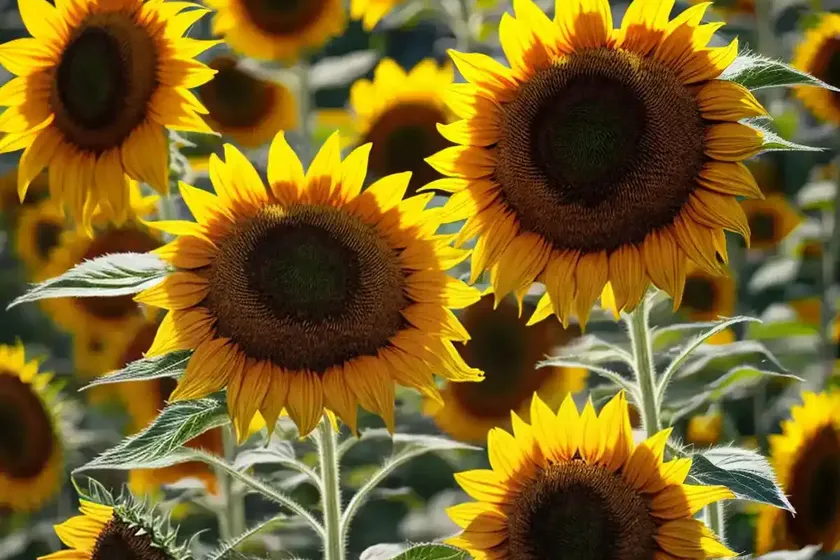
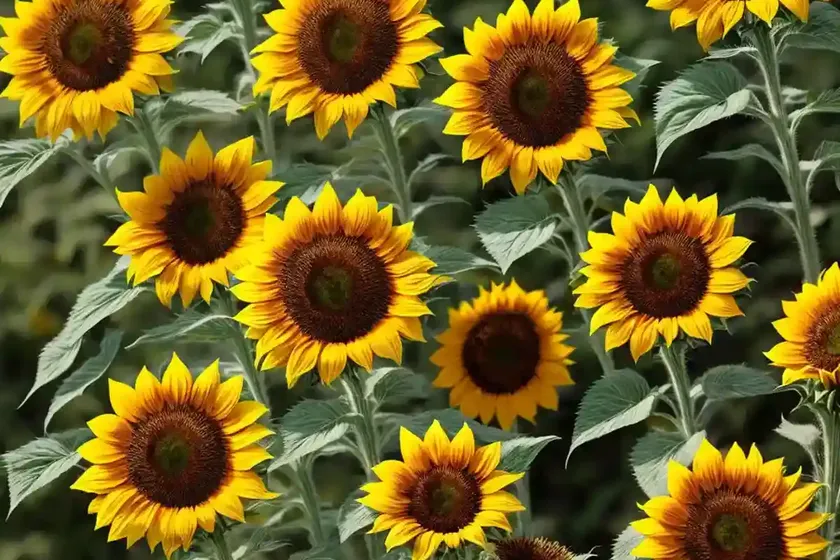
Sunflowers are some of the most beloved and recognizable flowers in the world. Their vibrant petals and impressive stature make them a popular choice for gardens, landscapes, and even cut flower arrangements. Among the diverse species of sunflowers, Helianthus decapetalus stands out for its distinct features and exceptional characteristics. In this comprehensive guide, we will explore the cultivation, uses, care tips, and interesting facts about Helianthus decapetalus (Ten-Petaled Sunflower).
What is Helianthus decapetalus?
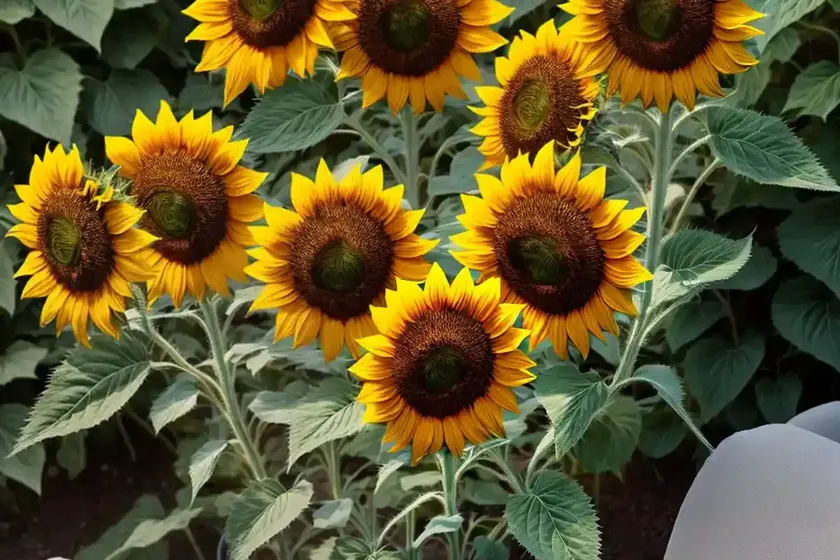
Helianthus decapetalus, commonly known as Ten-Petaled Sunflower, is a species of sunflower native to North America. It is a perennial plant belonging to the Asteraceae family, known for its bright yellow flowers with a distinct number of petals.
Key Takeaways – Helianthus decapetalus (Ten-Petaled Sunflower)
Before delving into the specifics of cultivating and caring for Helianthus decapetalus, let’s take a look at the key takeaways about this fascinating sunflower species:
- Scientific Name: Helianthus decapetalus
- Common Name: Ten-Petaled Sunflower
- Family: Asteraceae
- Native Range: North America
- Flower Characteristics: Bright yellow flowers with ten petals
- Habitat: Thrives in a variety of environments, including meadows, prairies, and open woodlands
- Cultivation: Adaptable and relatively low-maintenance
- Uses: Ornamental garden plant, wildlife support, ecological importance
Cultivation of Helianthus decapetalus
Cultivating Helianthus decapetalus can be a rewarding experience, as this sunflower species brings a touch of natural beauty to gardens and landscapes. Here’s a detailed overview of the cultivation requirements for Helianthus decapetalus:
Water
Helianthus decapetalus typically thrives in moist to moderately dry soil conditions. While it can tolerate periods of drought, consistent watering is essential during its early growth stages and flowering period. Adequate moisture in the soil is crucial for promoting healthy root development and robust flower production.
Sunlight
As with most sunflowers, Helianthus decapetalus thrives in full sunlight. It requires at least six hours of direct sunlight daily to ensure healthy growth and prolific flowering. When selecting a site for planting Helianthus decapetalus, choose an area that receives ample sunlight throughout the day.
Fertilizer
Helianthus decapetalus is a relatively low-maintenance plant when it comes to fertilization. In most cases, it thrives in moderately fertile soil and may not require heavy feeding. However, incorporating organic matter, such as compost, into the soil during planting can provide the necessary nutrients for healthy growth. Additionally, a balanced, slow-release fertilizer can be applied in spring to support optimal flowering.
Soil
This sunflower species adapts well to various soil types, including loamy, sandy, and clay soils. However, well-draining soil is essential to prevent waterlogging, which can lead to root rot and other issues. Prior to planting Helianthus decapetalus, ensure that the soil is well-draining and has a neutral to slightly acidic pH (6.0-7.5).
Pruning
Helianthus decapetalus generally requires minimal pruning, especially in garden settings. Deadheading spent flowers can encourage prolonged blooming and prevent the plant from reseeding excessively. Additionally, removing dead or damaged foliage can help maintain the plant’s overall health and appearance.
Propagation
The propagation of Helianthus decapetalus is commonly achieved through division or seed sowing. When dividing established plants, ensure that each division has a sufficient root system and several shoots to promote successful establishment. Alternatively, seeds can be sown directly in the garden or started indoors before the last frost date in spring.
Container Popularity
While Helianthus decapetalus is often grown in garden beds and naturalistic landscapes, it can also thrive in large containers. The striking yellow flowers and tall, upright growth habit of this sunflower species make it a captivating addition to container gardens, balconies, and patios.
Uses of Helianthus decapetalus
Helianthus decapetalus serves several purposes in horticulture, landscaping, and ecological conservation. Understanding its diverse uses can provide valuable insights into the versatility and significance of this captivating sunflower species:
Ornamental Garden Plant
One of the primary uses of Helianthus decapetalus is as an ornamental garden plant. Its bright yellow flowers and sturdy stems make it a visually appealing addition to perennial borders, wildflower gardens, and naturalistic landscapes. When massed together, Helianthus decapetalus creates a stunning display of golden blooms, attracting pollinators and delighting garden enthusiasts.
Wildlife Support
As a native plant species, Helianthus decapetalus plays a vital role in supporting local wildlife, particularly pollinators and seed-eating birds. The nectar-rich flowers attract butterflies, bees, and other beneficial insects, contributing to the overall biodiversity of the garden or natural habitat. Furthermore, the seeds produced by Helianthus decapetalus serve as a valuable food source for birds, including finches and sparrows.
Ecological Importance
Beyond its aesthetic value, Helianthus decapetalus contributes to the ecological integrity of its native habitats. It helps stabilize soil, provides erosion control, and contributes to the overall biodiversity of meadows, prairies, and open woodlands. By planting Helianthus decapetalus in suitable habitats, gardeners and conservationists can support the preservation of native plant communities and the organisms that depend on them.
Ten-Petaled Sunflower: Care Tips and Maintenance
Successfully growing and caring for Helianthus decapetalus requires understanding its specific care needs and implementing appropriate maintenance practices. Here are some essential care tips to ensure the health and longevity of Helianthus decapetalus in various garden settings:
Sunflower Characteristics
Helianthus decapetalus exhibits several distinctive characteristics that contribute to its appeal and adaptability:
- Flower Shape: The flowers of Helianthus decapetalus feature a classic sunflower shape, with bright yellow ray florets surrounding a central disc.
- Petals: As the name suggests, Helianthus decapetalus produces flowers with ten petals, distinguishing it from other sunflower species that may have a different petal count.
- Height: Mature Helianthus decapetalus plants typically reach a height of 2 to 5 feet, creating a prominent presence in the garden.
- Foliage: The lance-shaped leaves of Helianthus decapetalus are arranged alternately along the stems, adding an attractive green backdrop to the vibrant flowers.
Disease Control
While Helianthus decapetalus is generally resilient to diseases, certain common issues, such as powdery mildew and leaf spot, can affect its foliage. To prevent the spread of diseases, it’s essential to promote good air circulation around the plants, avoid overhead irrigation, and promptly remove and dispose of any affected foliage. In severe cases, fungicidal treatments may be necessary to manage disease outbreaks effectively.
Soil Preferences
Being adaptable to various soil types, Helianthus decapetalus thrives in loamy, well-draining soil with a slightly acidic to neutral pH. Amending the soil with organic matter, such as compost or well-rotted manure, can improve its structure and fertility, providing an ideal growing medium for Helianthus decapetalus.
Gardening Ideas
In garden design, Helianthus decapetalus can be used to create visually striking displays and enhance the overall aesthetic appeal of the landscape. Consider these gardening ideas for incorporating Helianthus decapetalus into your outdoor spaces:
- Wildflower Meadow: Integrate Helianthus decapetalus into a mixed wildflower meadow, where its bright flowers add a splash of color and attract beneficial insects.
- Perennial Borders: Plant Helianthus decapetalus along with other perennial flowers, such as coneflowers and black-eyed Susans, to create a lively and enduring border in the garden.
- Cut Flower Garden: Harvest the long-lasting Helianthus decapetalus blooms for stunning cut flower arrangements, bringing the beauty of the outdoors into your home.
Medicinal Properties
In traditional herbal medicine, various parts of the sunflower plant have been used for their medicinal properties. While Helianthus decapetalus is not as widely recognized for its medicinal uses as other sunflower species, it may have potential therapeutic benefits that merit further exploration. Always consult a qualified healthcare professional before using any plant for medicinal purposes.
Fun Facts about Helianthus decapetalus
Exploring the lesser-known facts about Helianthus decapetalus can provide a deeper appreciation for this remarkable sunflower species. Here are some intriguing and fun facts about Helianthus decapetalus:
- Adaptations: Helianthus decapetalus has evolved adaptations to thrive in diverse habitats, showcasing its resilience and versatility.
- Butterfly Magnet: The nectar-rich flowers of Helianthus decapetalus are particularly attractive to butterflies, adding a delightful flutter of activity to the garden.
- Historical Significance: Native American tribes utilized various parts of sunflowers, including their seeds and oils, for culinary and medicinal purposes, as well as in ceremonial practices.
- Bird Friendly: Beyond attracting pollinators, Helianthus decapetalus provides valuable food for seed-eating birds, contributing to the ecological balance of local ecosystems.
Links to External Resources
For further information about Helianthus decapetalus and sunflower cultivation, refer to the following external resources:
- Sunflower Growing Guide – The National Gardening Association
- Planting Sunflowers – University of Illinois Extension
- Invasive Plant Atlas – Helianthus decapetalus – University of Georgia
- Sunflower Production Guide – North Dakota State University
- Gardening with Sunflowers – Royal Horticultural Society
In conclusion, Helianthus decapetalus (Ten-Petaled Sunflower) offers a wealth of beauty, ecological value, and potential benefits for gardeners and nature enthusiasts. By understanding its unique characteristics, cultivation requirements, and uses, we can better appreciate the significance of this captivating sunflower species and its role in horticulture, conservation, and beyond. Whether adorning a garden bed or enlivening natural habitats, Helianthus decapetalus stands as a symbol of resilience, vibrancy, and the enduring beauty of sunflowers.
Remember, while the information provided in this guide offers valuable insights into cultivating Helianthus decapetalus, it’s essential to consider local climate conditions and gardening best practices when growing any plant species. By nurturing Helianthus decapetalus with care and consideration, we can continue to celebrate its ephemeral but magnificent blooms and contribute to the preservation of native plant diversity.
Happy gardening and may your Helianthus decapetalus thrive with golden splendor!