Hedychium Coronarium (White Ginger Lily)
Hedychium coronarium, commonly known as White Ginger Lily, is a stunning perennial plant belonging to the Zingiberaceae family. This delightful plant is.
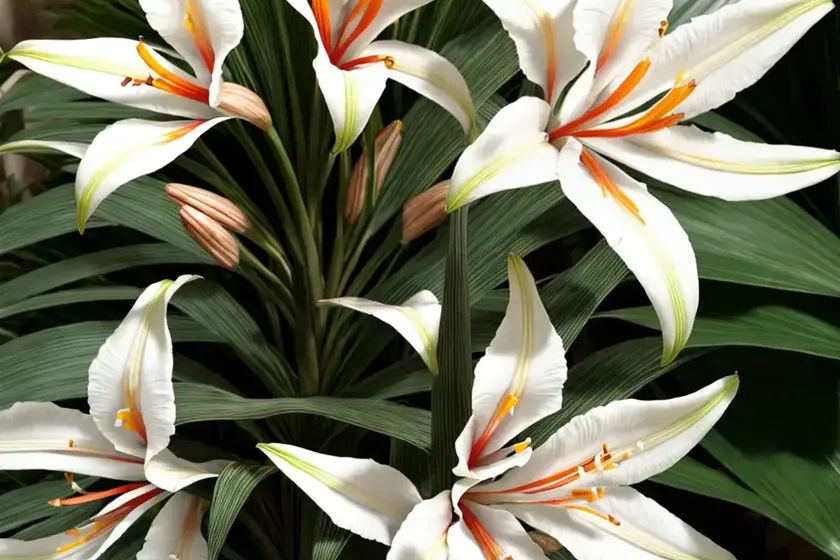
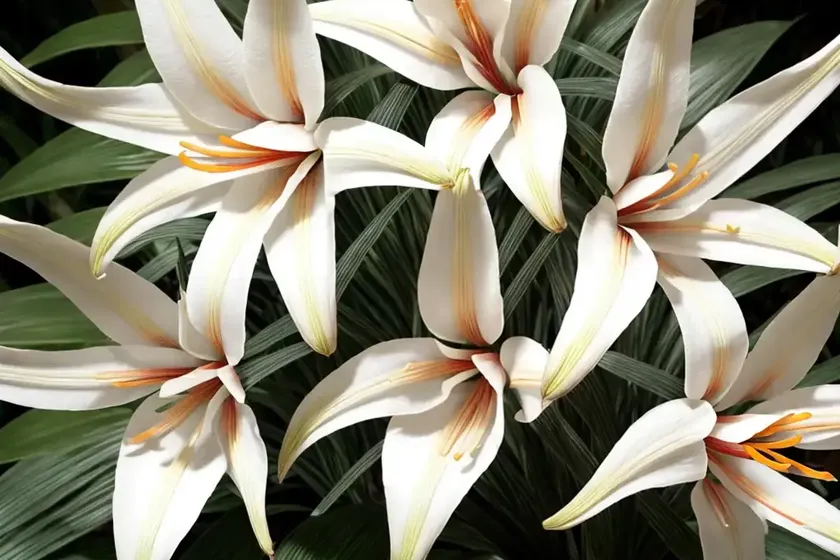
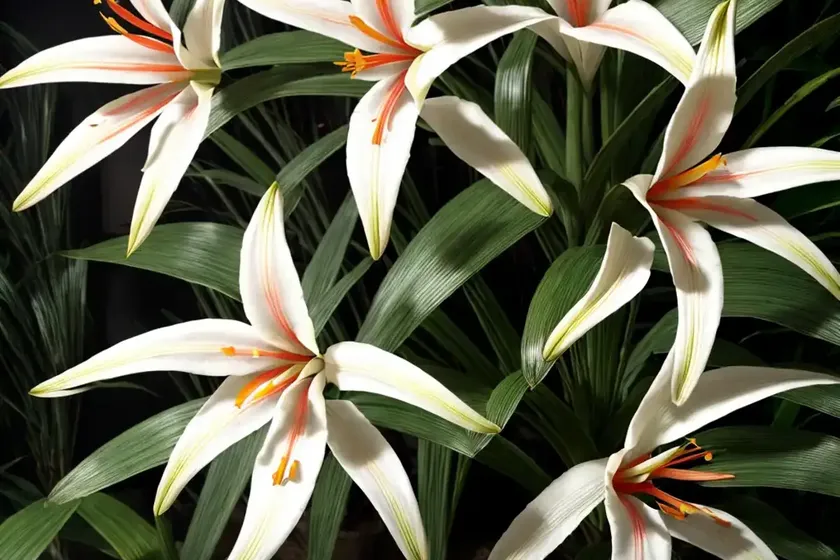
Hedychium coronarium, commonly known as White Ginger Lily, is a stunning perennial plant belonging to the Zingiberaceae family. This delightful plant is valued for its fragrant white flowers and lush, tropical foliage. White Ginger Lily is native to Southeast Asia and is favored for its ornamental and medicinal uses. In this comprehensive guide, we will explore the culture, uses, and care of Hedychium coronarium, offering valuable insights for both gardening enthusiasts and plant scientists.
What is Hedychium coronarium (White Ginger Lily)?
Hedychium coronarium, also known as Butterfly Ginger, is an herbaceous perennial plant with tall, elegant stems reaching up to 6-8 feet in height. The plant is characterized by long, lance-shaped leaves and stunning white flowers with a delightful, sweet fragrance. These beautiful blooms often attract butterflies and hummingbirds to the garden, adding to their allure. White Ginger Lily typically flowers during the summer and early fall, creating a captivating display of elegance and beauty in the landscape.
The botanical name “Hedychium” is derived from the Greek words “hedys,” meaning sweet, and “chios,” meaning snow, referring to the sweetly fragrant white flowers. “Coronarium” is derived from the Latin word “corona,” which translates to crown, alluding to the regal appearance of the blossoms. The plant’s common name, White Ginger Lily, is a nod to the resemblance of its fragrant flowers to that of true ginger (Zingiber officinale) and its lily-like appearance.
Key Takeaways – Hedychium coronarium (White Ginger Lily)
Culture
- Hedychium coronarium is native to Southeast Asia and thrives in tropical and subtropical climates.
- It is well-suited for USDA hardiness zones 8-11 and typically prefers warm, humid conditions.
Uses
- Ornamental: White Ginger Lily is valued for its beautiful, fragrant flowers and lush foliage, making it a popular choice for ornamental gardens, borders, and landscaping.
- Medicinal: In traditional medicine, the rhizomes of Hedychium coronarium are used for their medicinal properties, including anti-inflammatory and digestive benefits.
Water
- White Ginger Lily prefers consistently moist, well-drained soil and benefits from regular watering, especially during the growing season.
Sunlight
- Partial shade to full sun is ideal for White Ginger Lily. It thrives in dappled sunlight or areas with morning sun and afternoon shade.
Fertilizer
- Apply a balanced, slow-release fertilizer in early spring to promote healthy growth and abundant flowering.
Soil
- Well-draining, rich, and fertile soil with a slightly acidic to neutral pH is recommended for White Ginger Lily.
Pruning
- Remove spent flowers and old stems to encourage continuous blooming and maintain a tidy appearance.
Propagation
- White Ginger Lily can be propagated through division of rhizomes in the spring or fall.
Container Popularity
- Due to its tropical nature, White Ginger Lily is often grown in containers, allowing for mobility and versatility in garden design.
Common Diseases
- White Ginger Lily is susceptible to fungal diseases such as leaf spot and root rot, particularly in humid conditions.
Disease Diagnosis
- Proper diagnosis of diseases involves careful observation of symptoms such as leaf discoloration, wilting, and unusual growth patterns.
Common Pests
- Common pests that may affect White Ginger Lily include aphids, spider mites, and mealybugs.
Botanist’s Tips
- Provide adequate airflow and spacing between plants to reduce the risk of fungal diseases.
Hedychium coronarium Care Guide
Watering
One of the essential aspects of caring for White Ginger Lily is providing consistent moisture to the plant. While it is important to avoid waterlogging the soil, maintaining a consistently moist environment is beneficial for the plant’s growth and flowering. During the growing season, regular watering is recommended, especially during periods of dry weather. It is advisable to water the plant at the base to prevent water from accumulating on the foliage, which can potentially lead to fungal issues. Additionally, using mulch around the base of the plant can help retain moisture and regulate soil temperature.
Sunlight Requirements
White Ginger Lily thrives in locations with partial shade to full sun exposure. In tropical regions, providing dappled sunlight or light shade during the hottest part of the day can be advantageous. In contrast, in cooler climates, the plant can benefit from increased exposure to sunlight. When grown in areas with intense sunlight, it is essential to monitor the soil moisture levels to prevent the soil from drying out rapidly.
Fertilization
Applying a balanced, slow-release fertilizer in early spring can provide the necessary nutrients for White Ginger Lily to thrive. Selecting a fertilizer with a formulation such as 10-10-10 or 20-20-20 can support healthy growth and flowering. It is advisable to follow the manufacturer’s instructions regarding the application rate and frequency to avoid over-fertilization, which can lead to potential issues such as salt buildup in the soil. Additionally, incorporating organic matter into the soil during planting or top-dressing with compost can enrich the soil and contribute to the plant’s overall health.
Soil Conditions
White Ginger Lily thrives in well-draining, fertile soil with a slightly acidic to neutral pH. The addition of organic matter, such as compost or well-rotted manure, can improve soil structure and nutrient content. Prior to planting, it is beneficial to perform a soil test to assess the pH and nutrient levels, allowing for targeted amendments based on the specific needs of the plant. Furthermore, ensuring proper soil drainage is crucial to prevent waterlogging, which can lead to root rot and other related issues.
Pruning and Deadheading
To promote continuous blooming and maintain an attractive appearance, regular deadheading and pruning of White Ginger Lily are recommended. Removing spent flowers not only encourages the production of new blooms but also prevents the plant from expending energy on seed production. Additionally, removing old, yellowing leaves and stems can enhance air circulation within the plant, reducing the risk of fungal diseases. When pruning the plant, using clean, sharp pruning shears to make precise cuts is essential to minimize the risk of damage or infection.
Propagation Methods
White Ginger Lily can be propagated through division of rhizomes, allowing for the creation of new plants and the expansion of existing colonies. The ideal time for rhizome division is in early spring or fall, coinciding with the plant’s active growth periods. When dividing the rhizomes, it is important to ensure that each division possesses healthy roots and shoots, promoting successful establishment. The newly divided segments can be planted at the appropriate depth in prepared soil, and regular watering should be provided to support their growth and establishment.
Container Gardening
The tropical nature of White Ginger Lily makes it well-suited for container gardening, offering the flexibility to cultivate the plant in various settings. When selecting a container for White Ginger Lily, it is important to choose a spacious option that allows for proper root development and accommodates the plant’s mature size. Utilizing a well-draining potting mix supplemented with organic matter can create an optimal growing environment within the container. Adequate drainage holes in the container will prevent water from accumulating and potentially causing root rot. Furthermore, positioning the container in a location that receives the appropriate amount of sunlight while providing protection from harsh midday sun can contribute to the plant’s well-being.
Disease Management
White Ginger Lily is susceptible to certain diseases, particularly in humid environments or during periods of extended rainfall. Common fungal diseases that may affect the plant include leaf spot and root rot. Regularly monitoring the plant for signs of disease, such as leaf discoloration, wilting, or unusual growth patterns, can aid in early detection and prompt intervention. To mitigate the risk of fungal issues, providing ample air circulation by spacing plants appropriately and avoiding overhead watering can be beneficial. In cases where disease symptoms are observed, promptly removing and disposing of affected plant parts can help prevent the spread of the disease.
Pest Control
When growing White Ginger Lily, it is important to be vigilant for common pests that may impact the plant. Aphids, spider mites, and mealybugs are among the pests that can infest White Ginger Lily, potentially causing damage to the foliage and reducing the plant’s vigor. Regularly inspecting the plant for signs of pest activity, such as stippling on leaves, webbing, or the presence of insects, can facilitate early intervention. Natural predators such as ladybugs or lacewings can contribute to pest control by preying on aphids and other small insects. When necessary, targeted measures such as insecticidal soap or horticultural oils can be applied to manage pest populations while minimizing the impact on beneficial organisms and the environment.
Winter Care
In regions where temperatures drop below the plant’s hardiness range, providing adequate winter care is essential to safeguard White Ginger Lily from cold damage. Mulching around the base of the plant can help insulate the soil and protect the rhizomes from freezing temperatures. In especially cold climates, overwintering White Ginger Lily indoors in a cool, well-lit location may be necessary to ensure its survival. During the winter months, it is advisable to reduce watering and refrain from fertilizing the plant, allowing it to enter a period of dormancy. Monitoring the plant for signs of stress and adjusting care practices accordingly can contribute to its overall health and resilience.
Companion Planting
When planning the layout of a garden or landscape, considering suitable companion plants for White Ginger Lily can enhance the overall aesthetic and ecological benefits. Plants with similar cultural requirements, such as partial shade and moist, well-drained soil, can complement White Ginger Lily and create visually appealing combinations. Examples of potential companion plants include ferns, caladiums, hostas, and other shade-loving perennials. Additionally, incorporating pollinator-attracting plants such as bee balm, coneflowers, and salvias can contribute to the diversity and vitality of the garden ecosystem.
White Ginger Lily in Traditional Medicine
Medicinal Uses
In traditional medicine, the rhizomes of Hedychium coronarium are employed for their therapeutic properties, offering various benefits for human health. The rhizomes contain bioactive compounds that contribute to their medicinal efficacy, with applications in culinary, wellness, and alternative medicine practices.
Culinary Uses
The rhizomes of White Ginger Lily are utilized in certain culinary traditions, adding a unique and aromatic flavor to dishes. They are often infused into beverages or incorporated into savory and sweet recipes to impart a subtle, spicy note. The rhizomes can be used fresh, dried, or powdered based on the culinary requirements, offering versatility in their applications.
Aromatherapy and Wellness
The essential oil derived from White Ginger Lily possesses a delightful fragrance and is valued in aromatherapy for its uplifting and soothing qualities. It is often used in diffusers, massage oils, or bath products, providing a pleasant aromatic experience that can promote relaxation and emotional balance. The use of White Ginger Lily essential oil in wellness practices highlights its potential to contribute to holistic self-care routines.
Herbal Remedies
The bioactive compounds present in the rhizomes of White Ginger Lily offer potential therapeutic benefits, including anti-inflammatory and digestive properties. In certain herbal remedies, White Ginger Lily may be incorporated to support digestive health, alleviate discomfort, and promote overall well-being. Extracts and tinctures derived from the rhizomes are used in traditional medicine practices to harness their beneficial effects.
White Ginger Lily: Environmental and Ecological Benefits
Wildlife Attraction
The fragrant flowers of White Ginger Lily are known to attract butterflies, hummingbirds, and other pollinators, contributing to the biodiversity and ecological balance of the surrounding environment. By serving as a nectar source for these beneficial organisms, the plant plays a role in supporting local ecosystems and enhancing the presence of wildlife in the garden or landscape.
Coastal Gardening
Due to its adaptability to moist, well-drained soil, and its tolerance of salt spray, White Ginger Lily is well-suited for coastal gardening and landscaping. Along coastal regions, the plant can thrive in the presence of saltwater and coastal winds, adding a touch of tropical elegance to seaside gardens.
Drought Tolerance
In addition to its affinity for moisture, White Ginger Lily exhibits a degree of drought tolerance once established. This attribute makes it suitable for landscapes or regions characterized by occasional periods of reduced rainfall, allowing the plant to persevere and maintain its ornamental value even under challenging conditions.
Exotic Plant Contribution
The presence of White Ginger Lily in gardens and landscapes adds an exotic and enchanting element, infusing tropical allure into the surroundings. The lush foliage and captivating flowers of the plant contribute to a sense of botanical diversity and visual interest, imbuing the environment with a touch of the exotic.
Conclusion
In conclusion, Hedychium coronarium, or White Ginger Lily, is a captivating and versatile plant with a myriad of ornamental, medicinal, and ecological attributes. Its graceful form, fragrant flowers, and resilience make it a desirable addition to gardens, landscapes, and container displays. By understanding and implementing the recommended cultural practices and care guidelines, enthusiasts can cultivate White Ginger Lily successfully and appreciate its exceptional beauty and contributions to the natural world. As a remarkable member of the Zingiberaceae family, White Ginger Lily continues to enchant and inspire with its timeless elegance and diverse uses.
In this guide, we have explored the various facets of Hedychium coronarium, encompassing its cultural preferences, care requirements, uses, and ecological significance. As an esteemed plant scientist, I endeavor to share valuable insights and expert knowledge, fostering an appreciation for plants and their importance in our lives. With a focus on the captivating White Ginger Lily, we have delved into its multifaceted nature, from ornamental appeal to medicinal potential, celebrating its versatility and enduring charm.
Thank you for embarking on this botanical journey with me as we discover the wonders of the White Ginger Lily.
References
- North Carolina State University Extension Gardener Handbook: Link
- University of Florida IFAS Extension: Link
- Clemson Cooperative Extension: Link
- The Herb Society of America: Link
- Missouri Botanical Garden: Link
- American Society for the Prevention of Cruelty to Animals (ASPCA): Link
- Michigan State University Extension: Link


