Ginger (Zingiber Officinale)
Ginger, known scientifically as Zingiber Officinale, is a warm-season perennial herb that belongs to the Zingiberaceae family. This herbaceous flowering.
Introduction to Ginger
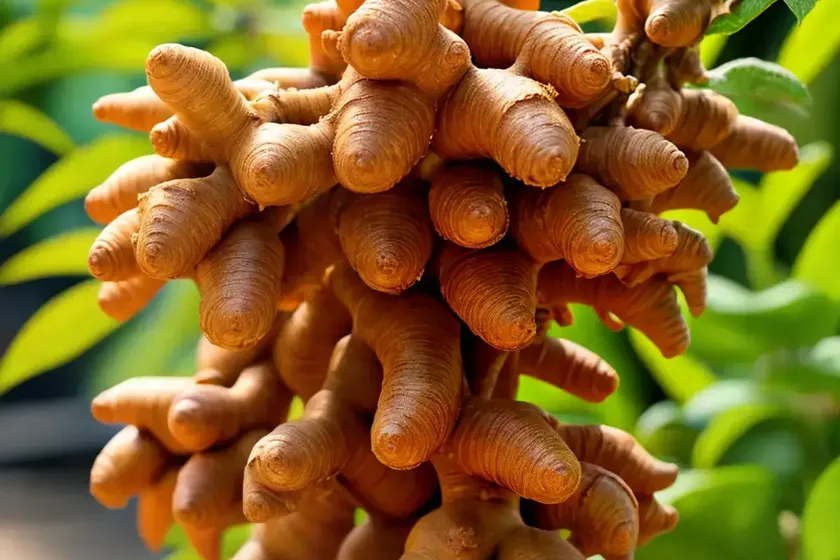
Ginger, known scientifically as Zingiber Officinale, is a warm-season perennial herb that belongs to the Zingiberaceae family. This herbaceous flowering plant is widely recognized and cultivated for its rhizomes, which are commonly referred to as ginger roots and are utilized for both culinary and medicinal purposes.
Ginger has a rich history of traditional use in various cultures around the world, where it is highly valued for its unique flavor, aroma, and diverse health benefits. This article aims to provide an in-depth exploration of the cultivation, uses, and care of ginger plants, as well as shedding light on their many health-promoting properties.
Key Takeaways – Ginger (Zingiber Officinale)
Before delving into the specifics of ginger plant care and cultivation, it’s essential to highlight its key takeaways:
- Benefits of Ginger: Ginger possesses a wide array of health benefits and is revered for its medicinal properties, including anti-inflammatory, digestive, and immune-boosting effects.
- Health benefits of Zingiber Officinale: The consumption of ginger has been associated with numerous health benefits, such as managing nausea, alleviating pain, supporting heart health, and aiding in digestion.
- Uses of Ginger: Ginger finds extensive utility in both culinary and medicinal applications, adding depth of flavor to dishes and serving as a natural remedy for various ailments.
- Zingiber Officinale in Cooking: The distinct, zesty flavor of ginger makes it a popular ingredient in a multitude of culinary creations, adding a delightful and aromatic essence to dishes.
- Ginger Root Benefits: The ginger root is packed with beneficial compounds and nutrients, contributing to its status as a potent natural remedy.
- Medicinal Properties of Ginger: Ginger is revered for its remarkable medicinal properties, including anti-nausea, anti-inflammatory, and analgesic effects, making it a versatile tool for holistic health.
- Ginger Plant Care Tips: Cultivating ginger plants requires specific care and attention, including considerations for sunlight, water, soil, and fertilization.
- Ginger Cultivation Techniques: Understanding the optimal cultivation techniques is vital for the successful growth of ginger plants, ensuring a bountiful harvest of rhizomes.
- Ginger Plant Varieties: Various ginger plant varieties exist, each offering unique characteristics and diverse applications in both culinary and medicinal contexts.
- Ginger Plant Uses in Traditional Medicine: Throughout history, ginger has been a cornerstone of traditional medicine, revered for its potent healing properties and therapeutic applications.
Let’s explore the various facets of ginger plant care and cultivation, its uses, and the intriguing history and folklore intertwined with this remarkable herb.
Cultivation of Ginger
Water
Proper watering is crucial for the successful cultivation of ginger plants. The soil should be consistently moist, but not waterlogged, to support healthy root development and lush foliage. When watering, it is essential to ensure that the soil is well-draining, as stagnant water can lead to rot and other complications in the rhizomes.
Sunlight
Ginger plants thrive in partial to full shade, appreciating dappled sunlight or gentle rays filtering through the canopy. It is vital to shield the plants from direct, intense sunlight, as this can scorch the delicate leaves and adversely impact their overall health. When selecting a location for planting, it is advisable to choose a spot that offers shade or filtered light, safeguarding the plants from the harsh midday sun.
Fertilizer
To promote robust growth and the development of flavorful, aromatic rhizomes, regular fertilization is essential. Applying a balanced, all-purpose fertilizer that is rich in organic matter can provide the necessary nutrients for thriving ginger plants. Fertilizing every few weeks during the growing season can significantly enhance the health and vigor of the plants, contributing to an abundant harvest.
Soil
Ginger plants prefer loose, loamy soil that is rich in organic matter. Well-draining soil is particularly important to prevent waterlogging, which can lead to root rot. It is beneficial to amend the soil with compost or aged manure to enhance its nutrient content and ensure optimal growing conditions for the plants.
Pruning
While ginger plants do not require extensive pruning, removing damaged or withered foliage can promote airflow and reduce the risk of disease. Trimming away dead leaves and any signs of disease or pest infestation can contribute to the overall health and vitality of the plants.
Propagation
Ginger plants can be propagated through rhizome division, allowing for the creation of new plantings from established specimens. Carefully dividing the rhizomes and ensuring that each division possesses viable buds can enable the successful propagation of ginger plants, expanding their presence in the garden or indoor setting.
Container Popularity
The use of containers for cultivating ginger has gained popularity, offering a versatile and space-efficient method for growing this herbaceous perennial. Containers provide the flexibility to adjust growing conditions and the ability to bring the plants indoors during inclement weather or colder seasons, extending the growing season and allowing ginger to thrive in a broader range of climates.
Container
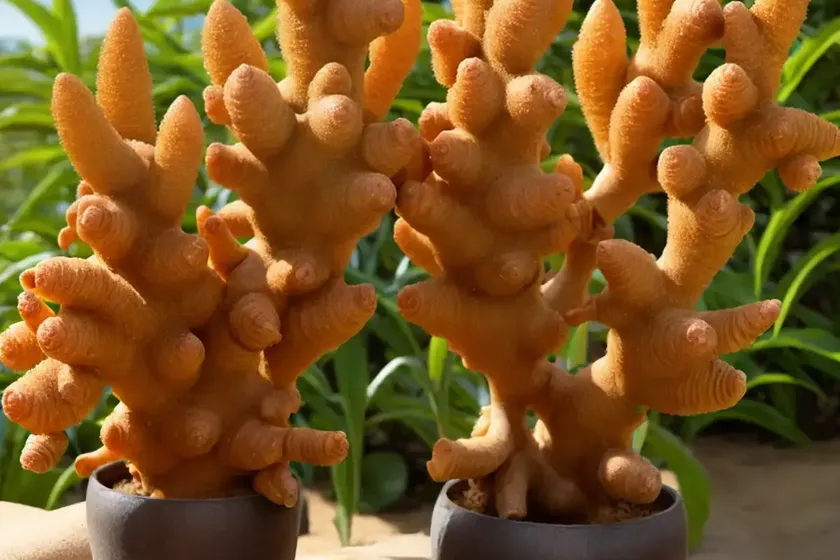
Selecting a suitable container for growing ginger plants is crucial for their success. The container should provide ample room for root development and be equipped with drainage holes to prevent waterlogging. A spacious, well-draining container with a depth of at least 12 inches is recommended for accommodating the vigorous growth of ginger rhizomes.
Common Diseases
Ginger plants may be susceptible to certain diseases, necessitating vigilant monitoring and proactive measures to maintain their health and vitality. Common diseases that can affect ginger plants include:
- Fusarium Wilt: This fungal disease can cause wilting, stunted growth, and yellowing of the leaves in ginger plants. It is essential to promptly remove and destroy affected plants to prevent the spread of the disease.
- Rhizome Rot: Excessive moisture or poor drainage can lead to rhizome rot, causing the ginger roots to decay. Ensuring proper watering and well-draining soil is crucial in preventing this condition.
- Bacterial Wilt: Bacterial wilt can manifest as wilting, leaf yellowing, and general decline in ginger plants. Careful management of watering and soil conditions can help mitigate the risk of bacterial wilt.
Disease Diagnosis
Timely and accurate diagnosis of diseases affecting ginger plants is imperative for implementing targeted treatment and control strategies. Upon observing any abnormal symptoms or signs of disease, such as leaf discoloration, wilting, or unusual lesions, it is advisable to conduct a thorough assessment and, if necessary, seek professional guidance to identify and address the underlying cause of the issue.
Common Pests
Ginger plants may encounter various pests that can compromise their health and productivity. Common pests that pose a threat to ginger include:
- Aphids: These small, sap-sucking insects can congregate on the undersides of leaves, causing distortion and yellowing of the foliage. Regular monitoring and the application of insecticidal soap can effectively manage aphid infestations.
- Spider Mites: These minuscule arachnids can inflict damage by feeding on the leaves, resulting in stippling and discoloration. Maintaining adequate humidity levels and employing predatory mites or insecticidal treatments can help control spider mite populations.
- Root-Knot Nematodes: These microscopic roundworms can cause root galling and impair the overall growth and vigor of ginger plants. Implementing soil solarization and selecting nematode-resistant cultivars can aid in managing root-knot nematode infestations.
Botanist’s Tips
For optimal success in growing and caring for ginger plants, it is essential to heed the following botanist’s tips:
- Selecting Quality Rhizomes: When acquiring rhizomes for planting, choosing ones that are firm, plump, and free from blemishes or signs of damage is paramount for establishing healthy ginger plants.
- Maintaining Adequate Moisture: Consistently monitoring and regulating soil moisture is vital for ginger plant health, as both excessive dryness and waterlogging can compromise their well-being.
- Evaluating Environmental Conditions: Assessing the prevailing environmental conditions, such as temperature, humidity, and light levels, can inform decisions regarding the optimal placement and care of ginger plants.
- Vigilant Pest Monitoring: Regularly inspecting the plants for signs of pest activity and promptly addressing any infestations can prevent pest-related damage and ensure the plants remain healthy and vigorous.
Fun Facts
To add a dash of intrigue and fascination to the discussion, here are some captivating fun facts about ginger:
- Ginger is often referred to as a “rhizome,” which is an underground stem from which roots and shoots emerge. This unique structure contributes to the plant’s resilience and ease of propagation.
- The distinct aroma and flavor of ginger are due to its bioactive compounds, notably gingerol, which impart its characteristic pungency and contribute to its health-promoting properties.
- Ginger root has a long history of being utilized in traditional medicine systems, including Ayurveda, Traditional Chinese Medicine, and various other herbal healing modalities.
- The use of ginger as a natural insect repellent has been documented, with its aromatic properties deterring certain pests from infesting stored grains and other food items.
- Ginger has made its mark in folklore and cultural traditions, featuring prominently in stories, rituals, and culinary practices across diverse societies and regions.
Links to External Resources
To further enrich your understanding of ginger (Zingiber Officinale) and its multifaceted attributes, we invite you to explore the following external resources:
- Ginger: An Overview of Its Benefits and Uses
- Review of the Medicinal Benefits and Culinary Uses of Ginger
- Cultivation Techniques for Ginger Plants
- Health Benefits of Ginger: An Evidence-Based Analysis
Conclusion
In conclusion, ginger (Zingiber Officinale) stands as a remarkable botanical treasure, revered for its culinary allure and profound health-promoting properties. From its versatile uses in cooking to its extensive array of medicinal applications, ginger continues to captivate and inspire with its rich history and diverse benefits.
By embracing the insights shared in this comprehensive exploration of ginger plant care and cultivation, you can embark on a rewarding journey of growing, enjoying, and harnessing the exceptional qualities of this esteemed herbaceous perennial.
With its tantalizing flavor, potent medicinal attributes, and enduring cultural significance, ginger remains an indispensable gift from the plant kingdom, inviting us to savor its myriad delights and harness its time-honored wellness benefits.
So, whether you aspire to cultivate ginger in your garden, explore its culinary uses, or delve into its medicinal potential, may your experience with Zingiber Officinale be nothing short of enriching and inspiring.
Remember, with a touch of ginger, life gains a flavorful and healthful zest!