Haworthia Coarctata (Haworthiopsis Coarctata)
Haworthia coarctata, more recently known as Haworthiopsis coarctata, is a charming and distinctive succulent plant that has captured the hearts of plant.
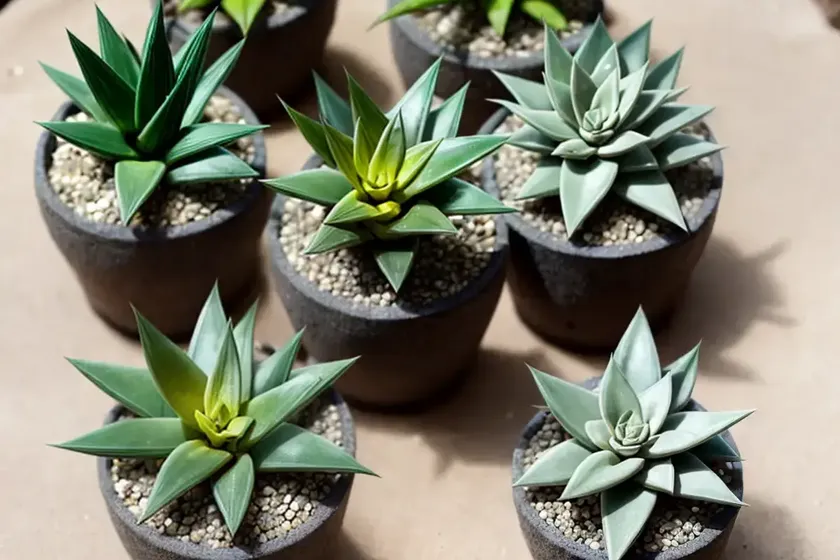
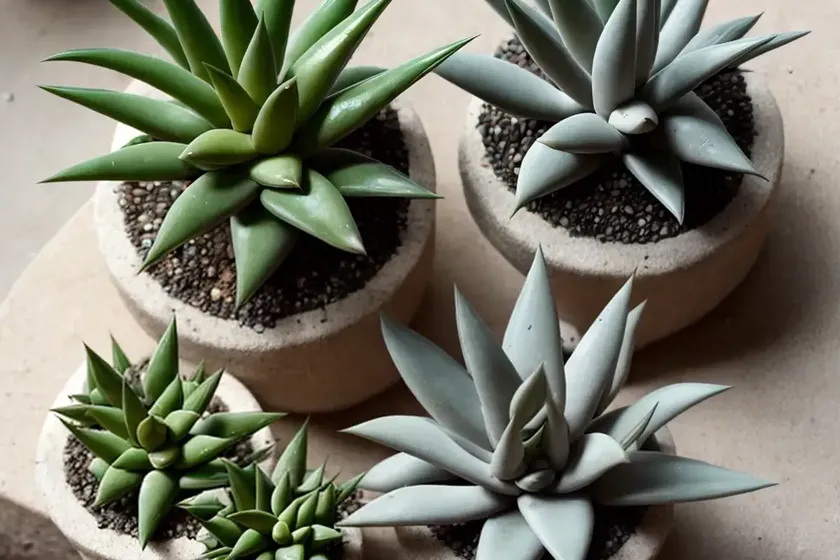
Haworthia coarctata, more recently known as Haworthiopsis coarctata, is a charming and distinctive succulent plant that has captured the hearts of plant enthusiasts worldwide. This resilient and visually appealing plant is not only a beautiful addition to any indoor or outdoor garden but also a low-maintenance delight. If you have been contemplating adding this plant to your collection or are a seasoned enthusiast looking to enhance your knowledge, this comprehensive guide is just what you need. From understanding its cultural requirements to unraveling its intriguing growth stages, this guide will equip you with everything you need to know about the captivating Haworthia coarctata.
What is Haworthia coarctata (Haworthiopsis coarctata)?
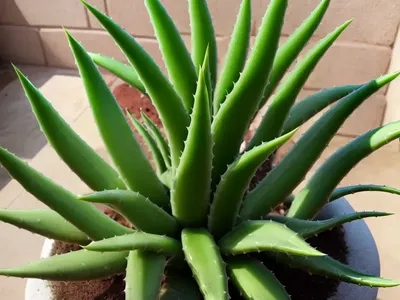
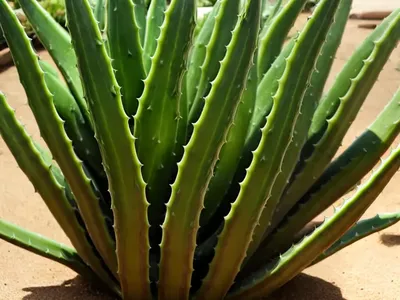
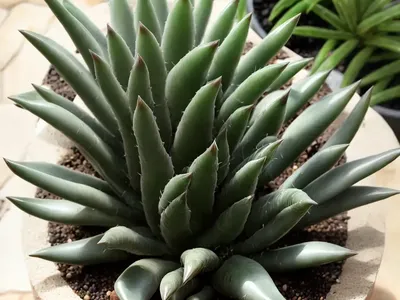
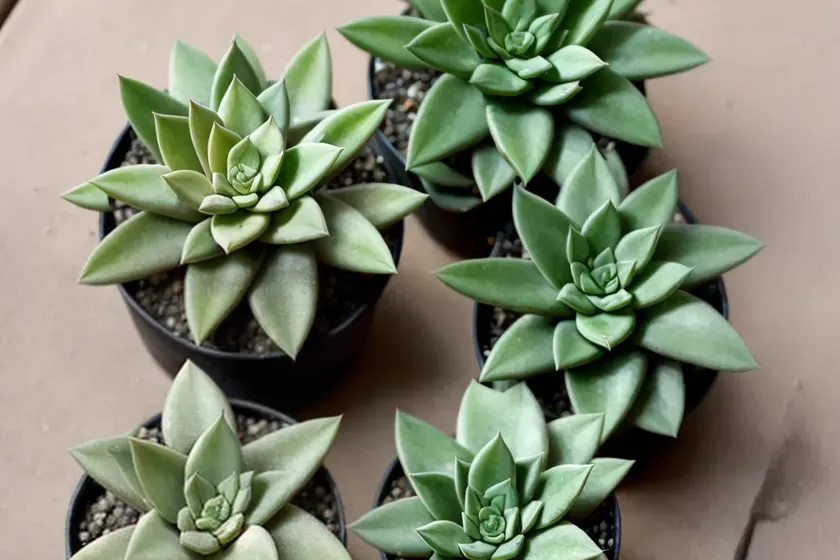
Haworthia coarctata, formerly categorized under the genus Haworthia, has been moved to the Haworthiopsis genus, which was established to distinguish the retuse rosette species of Haworthia. This small, perennial succulent is native to South Africa and belongs to the family Asphodelaceae. It is known for its distinctive appearance, characterized by rosettes of tightly packed, triangular, succulent leaves. The leaves have translucent areas and are often adorned with intricate patterns, ranging from stripes to spots, adding to the plant’s allure. The name “coarctata” is derived from the Latin word “coarctatus,” which means compressed or crowded – a reference to the densely arranged leaves of this species.
Haworthia coarctata is often sought after for its ornamental value and is commonly cultivated as a houseplant due to its adaptability to indoor environments. Its compact size and minimal maintenance requirements make it an ideal choice for both beginners and experienced plant enthusiasts.
Key Takeaways – Haworthia coarctata (Haworthiopsis coarctata)
Before delving into the specifics of caring for Haworthia coarctata, let’s take a look at the key takeaways that will be explored in detail throughout this guide:
- Culture: Understanding the natural habitat and growth habits of Haworthia coarctata.
- Uses: Exploring the versatile uses of this distinctive succulent.
- Water: Unraveling the watering needs and techniques for maintaining optimal moisture levels.
- Sunlight: Deciphering the light requirements and preferences of Haworthia coarctata.
- Fertilizer: Learning about the nutritional requirements and fertilization regimen.
- Soil: Exploring the ideal soil composition and considerations for potting.
- Pruning: Understanding the minimal pruning needs for maintaining the plant’s form.
- Propagation: Discovering the propagation methods to expand your collection.
- Container: Choosing suitable containers and understanding their impact on plant health.
- Popularity: Appreciating the widespread popularity and appeal of Haworthia coarctata.
- Common Diseases: Identifying potential diseases and implementing preventive measures.
- Disease Diagnosis: Recognizing symptoms and diagnosing ailments for timely intervention.
- Common Pests: Addressing the common pests that may affect this succulent.
- Botanist’s Tips: Benefiting from expert tips and recommendations for successful cultivation.
- Fun Facts: Exploring intriguing and lesser-known facts about Haworthia coarctata.
- Links to External Resources: Accessing additional references and sources for comprehensive information.
Now, let’s embark on an enriching journey into the world of Haworthia coarctata, where we will uncover the intricacies of caring for this captivating succulent.
Culture
Natural Habitat and Growth Habits
Haworthia coarctata originates from the Eastern and Western Cape provinces of South Africa, where it thrives in arid and semi-arid regions characterized by rocky terrain and well-draining soils. This succulent is adapted to survive in harsh, dry conditions by storing water in its leaves, enabling it to withstand periods of drought. It can often be found nestled among rocks or in the shelter of larger plants, utilizing its camouflage-like appearance to blend into its surroundings.
In its natural habitat, Haworthia coarctata experiences a growth pattern marked by slow and steady progression. The plant forms rosettes that gradually expand over time, with new offsets emerging from the base of the mother plant. This growth habit adds to its visual appeal and makes it an ideal candidate for container gardens and succulent arrangements.
Understanding the cultural context of this plant’s origin is vital for effectively replicating its natural habitat in a cultivated setting, ensuring its well-being and longevity. By recreating its preferred growing conditions, one can appreciate the true beauty and resilience of Haworthia coarctata.
Uses
The distinctive characteristics and resilient nature of Haworthia coarctata contribute to its diverse uses in both indoor and outdoor settings. Let’s explore some of the notable uses of this captivating succulent:
- Ornamental Plant: Haworthia coarctata serves as an ornamental delight, adding visual interest to gardens, succulent beds, and interior spaces with its unique rosettes and captivating foliage patterns.
- Indoor Décor: Its compact size and low-light tolerance make it an ideal choice for enhancing indoor environments, bringing a touch of nature to homes, offices, and other interior settings.
- Succulent Arrangements: Due to its attractive appearance and ease of care, Haworthia coarctata is often incorporated into succulent arrangements, terrariums, and miniature landscapes, adding texture and character to the compositions.
- Research and Conservation: As a species native to South Africa, Haworthia coarctata holds value in botanical research and conservation efforts, contributing to the preservation of biodiversity and the study of succulent plant adaptations.
The versatile uses of Haworthia coarctata underscore its significance and appeal in various contexts, making it a valuable addition to any plant collection or landscape design.
Water
Understanding the water requirements of Haworthia coarctata is crucial for maintaining its health and vitality. As a succulent adapted to arid conditions, this plant possesses water-storing capabilities in its leaves, allowing it to withstand periods of drought. However, providing appropriate moisture levels is essential for promoting robust growth and preventing issues related to underwatering or overwatering.
Watering Guidelines
- Frequency: Water Haworthia coarctata thoroughly but infrequently, allowing the soil to dry out partially between waterings. During the active growing season, typically spring and summer, aim to water the plant every 2-3 weeks, adjusting the frequency based on environmental factors such as temperature and humidity.
- Soil Moisture Assessment: Before watering, assess the moisture content of the soil by inserting a finger into the potting mix. If the soil feels dry to the touch at a depth of 1-2 inches, it is an indication that the plant requires watering. Avoid a rigid watering schedule and instead rely on the plant’s needs and environmental conditions to determine the optimal timing for watering.
- Watering Technique: When watering Haworthia coarctata, apply water directly to the soil around the base of the plant, allowing excess water to drain freely from the pot. Ensure that the pot has drainage holes to prevent water from accumulating at the root zone, which can lead to root rot and other moisture-related issues.
By adhering to these watering guidelines and closely monitoring the plant’s response, one can effectively provide the essential moisture Haworthia coarctata needs to thrive.
Moisture Management Tips
- Winter Dormancy: During the plant’s dormant period in winter, reduce the frequency of watering to mimic the natural seasonal fluctuations. Decreased light levels and lower temperatures result in reduced moisture requirements for the plant.
- Avoid Overwatering: Overwatering can be detrimental to Haworthia coarctata, leading to issues such as root rot and fungal infections. Exercise caution and refrain from excessive watering, especially during the dormant phase.
Maintaining a balanced approach to watering, taking into account the plant’s natural adaptations and seasonal variations, is key to promoting the well-being and vigor of Haworthia coarctata.
Sunlight
Proper sunlight exposure is essential for the health and vitality of Haworthia coarctata, as it directly influences the plant’s growth, coloration, and overall well-being. Understanding the light requirements and preferences of this succulent is crucial for determining the ideal placement within indoor or outdoor settings.
Sunlight Requirements
- Indoor Light: When grown indoors, Haworthia coarctata thrives in bright, indirect light. Position the plant near a window that receives ample sunlight, but ensure that it is shielded from direct, intense rays, especially during the peak hours of the day.
- Outdoor Light: In outdoor settings, provide Haworthia coarctata with partial to filtered sunlight. Avoid exposing the plant to prolonged periods of intense, direct sunlight, particularly in regions with scorching temperatures, as this can result in leaf burn and stress.
By carefully selecting the appropriate location and managing the light exposure, one can create an optimal environment for the growth and development of Haworthia coarctata.
Sunlight Management Tips
- Seasonal Adjustments: As the intensity and duration of sunlight fluctuate with the changing seasons, monitor the plant’s light exposure and make adjustments as needed. In summer, provide shading or move the plant to a location with reduced direct sunlight to prevent sun damage.
Adhering to these guidelines will enable you to harness the benefits of sunlight while safeguarding Haworthia coarctata from potential harm associated with excessive exposure.
Fertilizer
While Haworthia coarctata exhibits modest fertilizer requirements, providing essential nutrients is vital for promoting healthy growth and sustained vitality. Selecting an appropriate fertilizer and implementing a suitable fertilization regimen will aid in supporting the plant’s development without overwhelming its natural adaptation to nutrient-poor environments.
Fertilization Guidelines
- Fertilizer Type: Choose a balanced, water-soluble fertilizer formulated for succulents and cacti, ensuring that the nutrient content aligns with the specific needs of Haworthia coarctata. Opt for a fertilizer with a balanced NPK ratio or a formulation designed for low-maintenance plants.
- Frequency: Apply fertilizer sparingly during the active growing season, typically from late spring through summer. Limit fertilization to once every 1-2 months to prevent overfeeding and potential salt buildup in the soil.
- Dilution and Application: Dilute the fertilizer to half or one-quarter of the recommended strength to avoid overwhelming the plant with concentrated nutrients. Apply the diluted fertilizer to the moistened soil, ensuring that the solution is distributed evenly and does not come into direct contact with the foliage.
By incorporating these fertilization guidelines into your plant care routine, you can provide the necessary nutrients for Haworthia coarctata’s growth and vitality while avoiding the risks associated with excessive fertilization.
Nutrient Considerations
- Balanced Nutrition: Prioritize a balanced approach to nutrient supplementation, endeavoring to provide essential elements such as nitrogen, phosphorus, and potassium in appropriate proportions. Additionally, be mindful of micronutrient requirements, as the plant may benefit from occasional supplementation with micronutrient-rich fertilizers or organic amendments.
Attentive management of fertilization enables you to support the nutritional needs of Haworthia coarctata while respecting its innate ability to thrive in nutrient-deficient conditions.
Soil
Selecting the right soil composition is fundamental to the overall health and longevity of Haworthia coarctata, as it directly influences the plant’s root development, moisture retention, and nutrient uptake. Understanding the ideal soil characteristics and making informed decisions regarding potting mix are essential for creating a conducive growing environment for this succulent.
Ideal Soil Composition
- Well-Draining Mix: Use a well-draining potting mix specifically formulated for succulents and cacti, or create a custom blend by combining components such as coarse sand, perlite, and organic matter. The aim is to facilitate efficient water drainage and prevent waterlogged conditions, which can be detrimental to the plant’s roots.
- Aeration and Structure: Incorporate components that promote soil aeration and structure, such as coarse sand or perlite, to prevent compaction and enhance root oxygenation. This aids in preventing moisture-related issues and fostering healthy root development.
- Nutrient Balance: Strive to strike a balance between adequate drainage and sufficient nutrient retention by selecting a potting mix that provides optimal conditions for the plant’s growth. Avoid excessively rich or water-retentive soils, as they can lead to root rot and other complications.
By prioritizing soil quality and composition, you can create an environment that fosters the well-being and resilience of Haworthia coarctata, empowering it to thrive and flourish.
Potting Considerations
- Container Selection: Choose a container with adequate drainage holes to facilitate the efficient flow of excess water and prevent the accumulation of standing water. Select a pot that accommodates the size of the plant and allows room for root growth.
- Repotting Schedule: Monitor the plant’s growth and consider repotting periodically to provide the necessary space for root expansion. Repotting is typically carried out every 2-3 years or when the plant outgrows its current container.
By embracing these soil and potting considerations, you can lay a solid foundation for the sustained health and vigor of Haworthia coarctata, ensuring optimal growing conditions for this captivating succulent.
Pruning
Pruning requirements for Haworthia coarctata are minimal, given its compact size and slow growth habit. However, occasional maintenance and grooming can contribute to the plant’s aesthetic appeal and overall vitality. Understanding the limited pruning needs of this succulent will enable you to effectively manage its form and appearance while respecting its natural growth pattern.
Pruning Guidelines
- Leaf Removal: If the plant exhibits dried or withered leaves, gently remove them by gently tugging at the base of the leaf. Exercise caution to avoid damaging the adjacent healthy foliage and the plant’s growing point, which is located at the center of the rosette.
- Offset Removal: Over time, Haworthia coarctata may produce offsets or “pups” at the base of the mother plant. These offsets can be carefully detached and propagated to establish new plants, contributing to the expansion of your succulent collection.
By following these minimal pruning guidelines, you can maintain the attractive appearance of Haworthia coarctata while promoting a tidy and well-groomed aesthetic.
Propagation
Expanding your collection of Haworthia coarctata through propagation is a rewarding endeavor that allows you to create new plants from existing specimens. This propagation guide will introduce you to the primary methods of propagating Haworthia coarctata, enabling you to successfully multiply your plant and share its beauty with others.
Offset Propagation
- Identification: Locate the offsets or “pups” that emerge from the base of the mother plant. These small rosettes can be identified by their miniature size and distinct formation.
- Separation: Carefully detach the offsets from the mother plant using a clean, sharp knife or scissors. Ensure that each offset has sufficient roots or root primordia, which are essential for their independent growth.
- Potting: Place the separated offsets in a well-draining potting mix and lightly water the soil to initiate root establishment. Position the newly potted offsets in a location with bright, indirect light, gradually acclimating them to their growing environment.
By successfully propagating offsets, you can expand your Haworthia coarctata collection and share the beauty of this succulent with fellow plant enthusiasts.
Container
The choice of container for Haworthia coarctata is integral to its overall well-being, as it directly impacts factors such as moisture retention, root development, and aesthetic presentation. Understanding the considerations for selecting suitable containers and managing their impact on plant health will enable you to create an optimal growing environment for this resilient succulent.
Container Considerations
- Drainage Holes: Prioritize containers with drainage holes to promote efficient water drainage and prevent waterlogging. The presence of drainage holes is crucial for safeguarding the plant’s roots against excess moisture and related complications.
- Size and Space: Select a container that provides ample space for the plant’s roots to spread and develop. Avoid excessively large containers that can retain excess moisture, and opt for a size that accommodates the current root system while allowing room for gradual expansion.
- Material and Aesthetics: Choose a container material and design that aligns with the plant’s preferences and enhances its visual appeal. Options such as terracotta, clay, or breathable plastic containers are well-suited for succulents like Haworthia coarctata.
By carefully evaluating container considerations, you can establish a harmonious growing environment that caters to the needs and preferences of Haworthia coarctata, fostering its vitality and charm.
Popularity
Haworthia coarctata has garnered widespread popularity and admiration among plant enthusiasts, succulent collectors, and interior decorators for its distinctive characteristics and versatile uses. The appeal of this succulent extends beyond its ornamental value, encompassing its adaptability, low-maintenance nature, and intrinsic charm, making it a beloved addition to diverse plant collections and horticultural settings.
Factors Contributing to Popularity
- Aesthetic Appeal: The visually striking appearance of Haworthia coarctata, adorned with translucent leaves and intricate patterns, positions it as an attractive choice for adding texture and interest to indoor and outdoor environments.
- Low Maintenance: The minimal care requirements and adaptability of this succulent make it an appealing option for both novice and experienced plant enthusiasts seeking resilient and visually captivating additions to their collections.
- Diverse Uses: Haworthia coarctata’s versatility in succulent arrangements, miniature landscapes, and indoor décor contributes to its widespread appeal, allowing it to seamlessly integrate into various design contexts.
The enduring popularity of Haworthia coarctata reflects its timeless allure and enduring charm, cementing its status as a beloved and cherished plant species.
Common Diseases
While Haworthia coarctata is generally resilient and resistant to many common ailments, it may occasionally encounter specific diseases and health issues that warrant attention and intervention. Understanding the potential diseases and implementing preventive measures can safeguard the plant’s well-being and vitality, ensuring its continued growth and vigor.
Disease Prevention and Management
- Root Rot: Avoid overwatering and ensure proper soil drainage to prevent root rot, a common issue associated with waterlogged conditions. Monitor the soil moisture levels and adjust watering practices to maintain a balanced moisture environment.
- Fungal Infections: Protect the plant from fungal infections by promoting air circulation around the foliage, using well-draining soil, and refraining from overhead watering, which can lead to excess moisture on the leaves.
- Insect Infestations: Vigilantly inspect the plant for signs of insect pests such as mealybugs and spider mites, addressing infestations promptly with appropriate pest control measures such as insecticidal soaps or neem oil.
By maintaining a proactive stance on disease prevention and promptly addressing any emerging issues, you can preserve the health and resilience of Haworthia coarctata, allowing it to thrive in optimal conditions.
Disease Diagnosis
Recognizing the symptoms of potential diseases and health issues is paramount for timely intervention and effective management of Haworthia coarctata’s well-being. By familiarizing yourself with the common indicators of ailments that may affect this succulent, you can swiftly diagnose and address any