Hamamelis X Intermedia ‘Vesna’ (Witch Hazel)
The enchanting Hamamelis x intermedia ‘Vesna’ is commonly known as Witch Hazel. This ornamental deciduous shrub belongs to the Hamamelidaceae family and is.
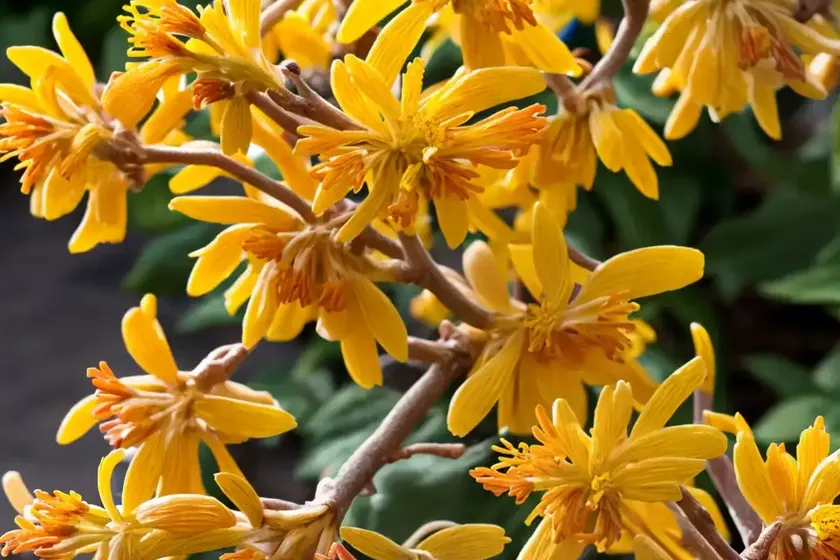
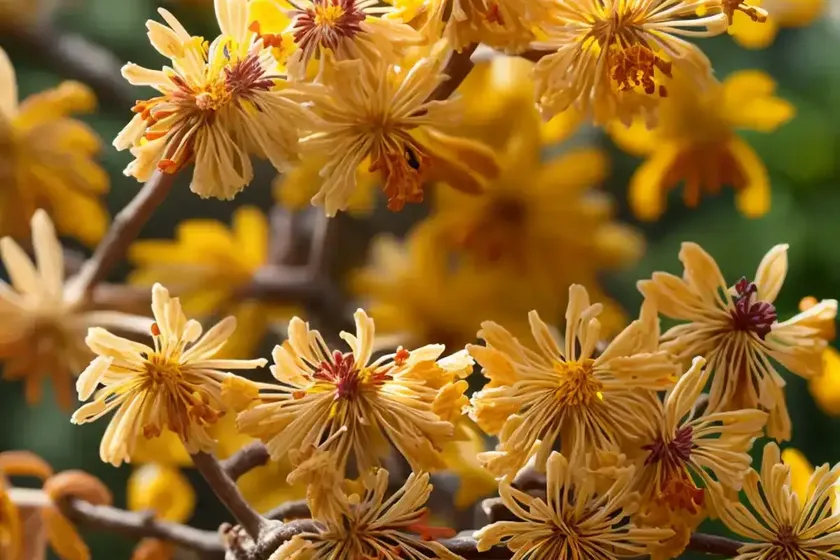
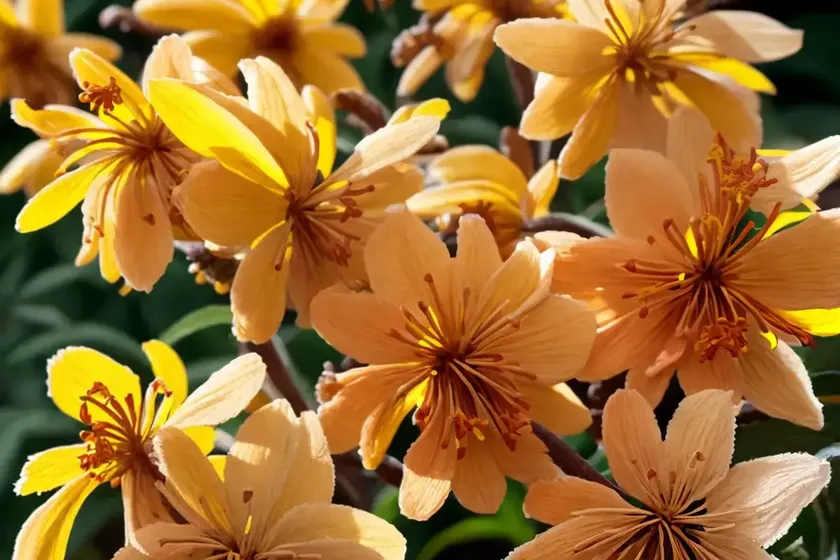
The enchanting Hamamelis x intermedia ‘Vesna’ is commonly known as Witch Hazel. This ornamental deciduous shrub belongs to the Hamamelidaceae family and is renowned for its vibrant and fragrant winter flowers. The ‘Vesna’ variety is particularly revered for its beautiful clusters of yellow flowers that bloom from late winter to early spring, adding a burst of color to the winter landscape. With its unique features and diverse uses, Hamamelis x intermedia ‘Vesna’ is not only a stunning addition to gardens but also possesses a range of cultural, medicinal, and aesthetic applications.
Key Takeaways – Hamamelis x intermedia ‘Vesna’ (Witch Hazel)
- Scientific Name: Hamamelis x intermedia ‘Vesna’
- Common Name: Witch Hazel
- Family: Hamamelidaceae
- Plant Type: Deciduous shrub
- Flower Color: Yellow
- Blooming Season: Late winter to early spring
- Fragrance: Delightfully aromatic
- Uses: Ornamental, medicinal, skincare, landscape, folklore
- Growth Rate: Moderate
- Mature Height: 6-12 feet
- Native Range: Hybrid of Chinese and Japanese species
- Hardiness Zones: 5-8
Hamamelis x intermedia ‘Vesna’ is a captivating shrub that offers an array of benefits and applications. In this comprehensive guide, we will delve into the plant’s cultural requirements, uses, propagation, common diseases and pests, and maintenance tips to help you harness the full potential of this remarkable shrub in various settings.
What is Hamamelis x intermedia ‘Vesna’ (Witch Hazel)?
Hamamelis x intermedia ‘Vesna’ is a captivating deciduous shrub celebrated for its ornamental and medicinal attributes. It is a hybrid between the Chinese species, Hamamelis mollis and the Japanese species, Hamamelis japonica. The resulting hybrid exhibits the best qualities of both parental species, featuring a striking display of bright, fragrant flowers that emerge during the colder months when most plants lie dormant. The ‘Vesna’ variety, in particular, is adored for its profusion of golden-yellow blossoms that impart warmth and vibrancy to the winter landscape.
Witch Hazel shrubs are known for their architectural elegance, adorned with broad, rounded leaves that complement the delicate, spidery flowers. The name “Witch Hazel” is derived from the Old English word “wice,” meaning pliable or bendable, which refers to the plant’s supple branches. This moniker also alludes to the plant’s historical use in the crafting of dowsing rods, as the forked branches were believed to aid in locating water reserves – a practice that bestowed the plant with a mystical reputation.
Culture of Hamamelis x intermedia ‘Vesna’ (Witch Hazel)
Water
Hamamelis x intermedia ‘Vesna’ thrives in moist, well-draining soils, making regular watering essential, particularly during periods of drought. It is crucial to ensure that the soil remains consistently moist, without waterlogging, especially during the flowering and foliage growth stages. Adequate watering supports healthy root development and promotes robust flowering.
-
Watering Requirements:
-
Established Plants: Water deeply once a week during dry spells.
- Flowering Season: Increase watering to keep the soil consistently moist.
- Avoid: Overwatering to prevent waterlogged conditions.
Sunlight
Witch Hazel is a remarkably versatile shrub when it comes to sunlight requirements. While it thrives in full sun to partial shade, it demonstrates optimal flowering and foliage coloration in sun-dappled locations. The plant’s adaptability to varying light conditions makes it an excellent choice for a wide array of garden settings.
-
Sunlight Preferences:
-
Ideal: Partial shade with some direct sunlight.
- Tolerance: Can thrive in full sun or light shade.
- Flowering: More abundant blooms in sunnier locations.
Soil
The ideal soil for Hamamelis x intermedia ‘Vesna’ is fertile, humus-rich, and well-draining. It is essential to provide a soil medium that offers adequate aeration and moisture retention without becoming waterlogged. Additionally, maintaining a slightly acidic to neutral soil pH is beneficial for the shrub’s overall health and vitality.
-
Soil Requirements:
-
Composition: Fertile, well-draining, and humus-rich soil.
- pH Level: Slightly acidic to neutral (pH 5.5-7.0).
- Amendments: Incorporate organic matter for improved soil structure.
Fertilizer
Proper fertilization encourages robust growth and abundant flowering in Hamamelis x intermedia ‘Vesna’. While the shrub is relatively low-maintenance, a balanced and judicious application of fertilizer can enhance its overall vigor and bloom production.
-
Fertilization Guidelines:
-
Timing: Apply a balanced, slow-release fertilizer in early spring.
- Amount: Follow recommended dosage based on the fertilizer’s instructions.
- Avoid: Excessive fertilization, which can lead to lush growth at the expense of flowers.
Pruning Hamamelis x intermedia ‘Vesna’ (Witch Hazel)
Pruning plays a crucial role in maintaining the health, shape, and vigor of Hamamelis x intermedia ‘Vesna’. Proper pruning also encourages abundant flowering and ensures an attractive growth habit. The following guidelines will assist in effective pruning practices for Witch Hazel shrubs.
-
Pruning Techniques:
-
Timing: Prune immediately after flowering to avoid disrupting the next year’s blooms.
- Objectives: Remove dead or damaged branches, and shape the shrub as desired.
- Tools: Use sharp, clean pruning shears for precise cuts to minimize damage.
- Caution: Only prune if necessary, as Witch Hazel generally requires minimal pruning.
Propagation of Hamamelis x intermedia ‘Vesna’ (Witch Hazel)
Hamamelis x intermedia ‘Vesna’ can be propagated through several methods, including seeds, softwood cuttings, and layering. Successful propagation techniques allow enthusiasts to expand their Witch Hazel collection or share the plant’s splendor with fellow gardening enthusiasts.
-
Propagation Methods:
-
Seeds: Sow fresh seeds in a prepared seedbed during spring.
- Softwood Cuttings: Harvest softwood cuttings in early summer and root in a well-draining medium.
- Layering: Encourage root development by layering a low branch with soil while still attached to the parent plant.
Propagation can be a rewarding endeavor, providing ample opportunities to propagate and preserve the distinctive traits of Hamamelis x intermedia ‘Vesna’.
Container Cultivation of Hamamelis x intermedia ‘Vesna’ (Witch Hazel)
Hamamelis x intermedia ‘Vesna’ can thrive and enchant in containers, offering an enticing option for those with limited garden space or those seeking to elevate their outdoor living areas. Container cultivation presents a unique opportunity to showcase the warmth and beauty of Witch Hazel in patios, decks, and various outdoor spaces.
-
Container Considerations:
-
Size: Select a large, sturdy container to accommodate the shrub’s mature size.
- Drainage: Ensure adequate drainage holes to prevent waterlogging.
- Soil: Use a well-draining, high-quality potting mix suitable for shrubs.
- Sunlight: Position the container in a location that receives partial sunlight.
Container gardening with Witch Hazel grants the flexibility to appreciate its winter charm up close in any outdoor setting.
Popularity of Hamamelis x intermedia ‘Vesna’ (Witch Hazel)
The alluring attributes and versatile nature of Hamamelis x intermedia ‘Vesna’ have contributed to its enduring popularity among gardening enthusiasts, landscapers, and herbalists. Its outstanding features and cultural significance have secured a place for Witch Hazel in various horticultural and wellness domains.
Common Diseases of Hamamelis x intermedia ‘Vesna’ (Witch Hazel)
Hamamelis x intermedia ‘Vesna’ is generally resilient to a wide range of diseases, as proper cultural practices typically mitigate the risk of infections. However, being aware of potential diseases, their symptoms, and preventative measures can aid in maintaining the shrub’s health and vitality.
Disease Diagnosis
Common diseases that may affect Hamamelis x intermedia ‘Vesna’ include:
- Powdery Mildew: Identified by a white, powdery coating on leaves and shoots.
- Leaf Spot: Manifests as dark, irregular spots on leaves, often leading to premature leaf drop.
- Root Rot: Results in wilting, yellowing, and dieback, caused by waterlogged soils.
Vigilant monitoring and prompt action can prevent the escalation of these conditions and preserve the health of Witch Hazel shrubs.
Common Pests Affecting Hamamelis x intermedia ‘Vesna’ (Witch Hazel)
Hamamelis x intermedia ‘Vesna’ is generally resistant to pest infestations, yet occasional encounters with certain insects may occur. Identifying and addressing potential pest issues promptly can safeguard the shrub from damage and stress.
Potential Pests
Common pests that may affect Witch Hazel include:
- Aphids
- Spider Mites
- Scale Insects
Regular observation and proactive pest management can uphold the plant’s vigor and aesthetics.
Botanist’s Tips for Growing Hamamelis x intermedia ‘Vesna’ (Witch Hazel)
As a botanical treasure renowned for its winter blooms and healing properties, Hamamelis x intermedia ‘Vesna’ thrives under specific cultural conditions and maintenance practices. The following tips from seasoned botanists can enhance the successful cultivation and enjoyment of this exceptional shrub.
Botanist’s Recommendations
- Prune After Flowering: Schedule pruning immediately after flowering to avoid compromising the following year’s blooms.
- Adequate Watering: Maintain consistently moist soil, especially during flowering and foliage growth stages.
- Fertilize Sparingly: Apply a balanced, slow-release fertilizer in early spring to support healthy growth without excessively stimulating lush foliage.
Incorporating these insights can optimize the growth, flowering, and resilience of Hamamelis x intermedia ‘Vesna in various garden settings.
Fun Facts about Hamamelis x intermedia ‘Vesna’ (Witch Hazel)
Interesting Tidbits
- Medicinal Heritage: Witch Hazel has a rich history of traditional medicinal use, particularly in treating skin irritations and inflammatory conditions.
- Distillation: The shrub’s bark and twigs are distilled to extract Witch Hazel water, renowned for its astringent and soothing properties.
- Landscape Appeal: Witch Hazel’s architectural form and winter blooms make it a treasured addition to gardens, parks, and arboretums.
These enchanting nuances contribute to the allure and fascination surrounding Hamamelis x intermedia ‘Vesna’.
Links to External Resources
To further explore the captivating world of Hamamelis x intermedia ‘Vesna’ (Witch Hazel), consider delving into the following external resources for comprehensive insights, guidance, and inspiration:
- Royal Horticultural Society (RHS): Witch Hazels – Plant Care and Collection of Varieties
- University of Maryland Extension: Witch-Hazel: A Native Plant for All Seasons
- American Society for the Prevention of Cruelty to Animals (ASPCA): Witch Hazel Plant Poisoning
- University of Virginia Health System: Witch Hazel: Uses and Risks
These resources offer a wealth of knowledge, ranging from garden cultivation and landscape design to the medicinal and cultural aspects of Hamamelis x intermedia ‘Vesna.
In conclusion, the captivating Hamamelis x intermedia ‘Vesna’ (Witch Hazel) stands as a testament to nature’s resilience and enchantment. Its vibrant winter blooms, medicinal heritage, and ornamental allure converge to present a multifaceted shrub that seamlessly integrates into gardens, landscapes, and wellness practices. By understanding its cultural requirements, uses, propagation methods, and potential challenges, gardening enthusiasts can unlock the full potential of Hamamelis x intermedia ‘Vesna’ and revel in its magical presence throughout the year.


