Hamamelis X Intermedia ‘Savill Starlight’ (Witch Hazel)
Witch Hazel, scientifically known as Hamamelis x intermedia ‘Savill Starlight’, is a delightful and versatile shrub that belongs to the Hamamelidaceae.
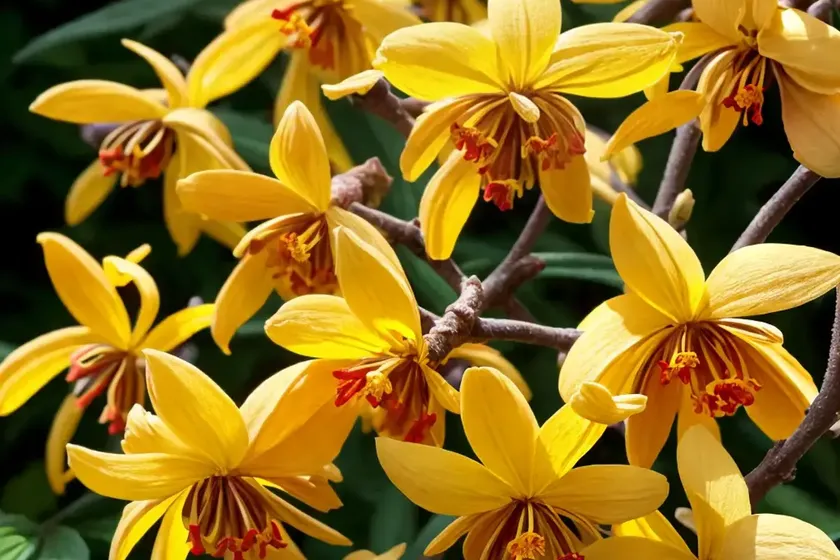
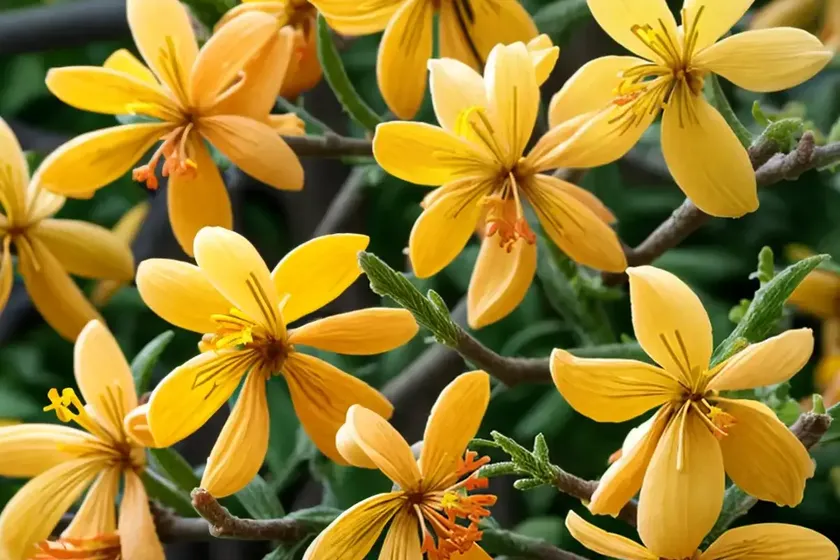
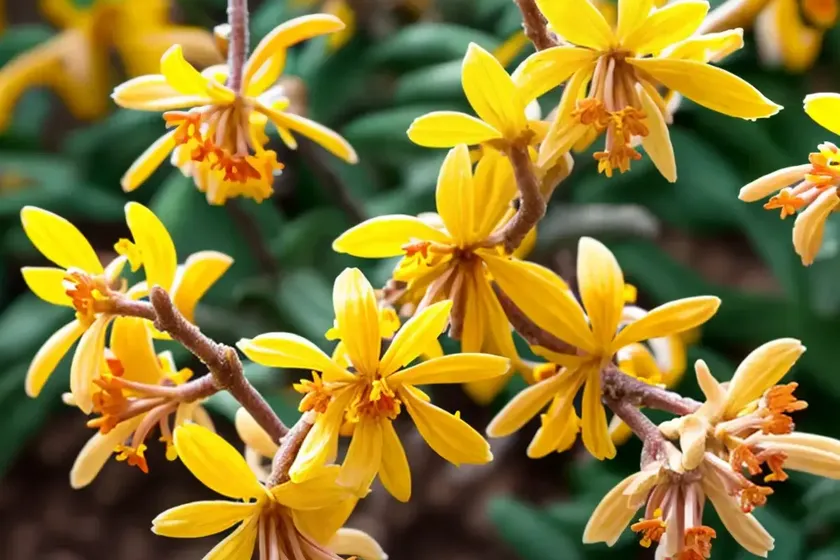
What is Witch Hazel (Hamamelis x intermedia ‘Savill Starlight’)?
Witch Hazel, scientifically known as Hamamelis x intermedia ‘Savill Starlight’, is a delightful and versatile shrub that belongs to the Hamamelidaceae family. Renowned for its captivating and fragrant blooms, this plant is a hybrid between Hamamelis mollis and Hamamelis japonica which adds to its allure. The ‘Savill Starlight’ variety, in particular, is cherished for its striking variegated foliage and abundant, scented flowers, making it a popular choice among gardeners and landscape designers alike.
Key Takeaways – Hamamelis x intermedia ‘Savill Starlight’ (Witch Hazel)
Before delving into the specifics of caring for and cultivating this charming plant, let’s explore some of the key takeaways regarding Hamamelis x intermedia ‘Savill Starlight’:
Culture
- Scientific Name: Hamamelis x intermedia ‘Savill Starlight’
- Common Name: Witch Hazel
- Plant Type: Deciduous shrub
- Family: Hamamelidaceae
- Foliage: Variegated
- Flower Color: Yellow, fragrant
- Blooming Season: Late winter to early spring
- Winter Interest: Yes
- Hardiness: USDA Zones 5-8
- Maintenance: Low
Uses
- Garden Uses: Borders, focal points, woodland gardens
- Landscape Design: Seasonal interest, fragrant blooms, variegated foliage
- Medicinal Uses: Astringent properties, skincare
Water
- Watering Requirements: Regular, especially during dry spells
- Soil Moisture: Moist, well-drained
Sunlight
- Sun Exposure: Partial shade to full sun
- Light Requirements: Shade-tolerant, benefits from some sun exposure
Fertilizer
- Fertilization: Once a year in late winter or early spring
Soil
- Preferred Soil Type: Rich, acidic to neutral
- pH: 5.5-6.5
Pruning
- Pruning Frequency: Minimal pruning required
- Pruning Time: After flowering, to shape or remove damaged branches
Propagation
- Propagation Methods: Softwood cuttings, layering
- Best Time for Propagation: Late spring or early summer
Container Popularity
- Suitability for Containers: Yes, suitable for large containers
- Container Size: Large, to accommodate root growth
Common Diseases
- Disease Susceptibility: Minimal
- Common Diseases: Leaf spot, powdery mildew (rare)
Disease Diagnosis
- Signs of Disease: Discoloration, powdery patches on leaves
Common Pests
- Pest Concerns: Deer, aphids, scale insects
- Pest Control: Natural predators, horticultural oil
Botanist’s Tips
- Site Selection: Choose a sheltered location with moist, well-drained soil
- Companion Plants: Hellebores, early spring bulbs, woodland perennials
- Winter Beauty: Enjoy the enchanting fragrance and striking foliage during the winter months
- Medicinal Properties: Utilize Witch Hazel’s astringent properties for skincare and minor irritations
Fun Facts
- Cultural Significance: Witch Hazel has a rich history of medicinal and folklore significance
- Wildlife Attraction: Attracts pollinators during early spring when little else is in bloom
- Fragrance: The sweet, spicy scent of Witch Hazel flowers fills the winter air
Now that we have a broad overview of the captivating Hamamelis x intermedia ‘Savill Starlight’, let’s dive into the specifics of nurturing and embracing the beauty of this remarkable shrub.
Culture
The culture of Hamamelis x intermedia ‘Savill Starlight’ is emblematic of the plant’s adaptability and aesthetic appeal. This section will explore the various aspects that contribute to the successful cultivation and appreciation of Witch Hazel in your garden or landscape.
Foliage and Flowers
The unique variegated foliage of ‘Savill Starlight’ Witch Hazel adds an extraordinary dimension to its visual appeal. The leaves showcase a graceful blend of creamy white, light green, and occasionally pink tones, creating an enchanting display throughout the growing season. Additionally, as a deciduous shrub, Witch Hazel sheds its leaves in the fall, revealing its elegant architecture and enhancing its winter interest.
One of the most anticipated features of Witch Hazel is its distinctive and fragrant flowers. Amidst the dormant winter landscape, the shrub bursts into life, adorned with clusters of spidery, golden-yellow blossoms with a captivating scent, providing a beacon of hope and beauty during the coldest months of the year.
Versatile Garden Uses
Whether employed as a focal point in a mixed border or incorporated into a woodland garden setting, Witch Hazel’s versatility knows no bounds. Due to its compact size and delightful blooms, it effortlessly integrates into various garden styles, from formal to naturalistic designs. It excels as a companion to early spring blooming perennials, such as Hellebores and woodland bulbs, creating a tapestry of colors and textures.
Landscape Design
From an aesthetic standpoint, the Hamamelis x intermedia ‘Savill Starlight’ Witch Hazel is known for its exceptional landscape design attributes. Its variegated foliage and scented flowers make it a valuable addition to landscapes seeking seasonal interest and diversity. As an early bloomer, it offers a vital source of nectar for pollinators emerging from winter dormancy, contributing to the ecological balance of the garden.
Medicinal and Skincare Applications
Beyond its ornamental value, Witch Hazel possesses a rich history of medicinal uses. Its bark, twigs, and leaves are a source of tannins and other compounds with astringent properties. For centuries, Witch Hazel has been utilized to alleviate skin irritations, reduce inflammation, and support overall skin health. The clear, soothing liquid derived from Witch Hazel distillation is a widely used natural remedy in skincare products, showcasing its enduring relevance in modern times.
Water
Adequate and consistent moisture is vital for the optimal growth and vitality of Hamamelis x intermedia ‘Savill Starlight.’ Understanding the water requirements and moisture preferences of the plant is essential for cultivating a thriving specimen.
Watering Requirements
When it comes to watering Witch Hazel, the main goal is to maintain an evenly moist soil, particularly during dry spells. While it is essential to prevent waterlogging, the plant appreciates a consistently moist environment, especially during the growing season and when in bloom.
Soil Moisture
In its natural habitat, Witch Hazel often inhabits moist woodland settings, a hint at its preference for soil moisture. When cultivating Witch Hazel in gardens, amending the soil with organic matter and incorporating a generous layer of mulch can aid in moisture retention and promote ideal growing conditions.
Sunlight
The unique adaptability of Witch Hazel allows it to thrive in diverse light conditions, making it suitable for a wide range of garden settings. Understanding its sun requirements is crucial for selecting an optimal planting location.
Sun Exposure
While Witch Hazel can tolerate partial shade, providing it with some sun exposure is beneficial for promoting robust growth and flower production. Positioning the shrub in a location with dappled sunlight or morning sun and afternoon shade can help strike a balance between shade tolerance and light requirements.
Light Requirements
The variegated foliage of ‘Savill Starlight’ Witch Hazel benefits from adequate light to showcase its intricate coloration, emphasizing the cream, green, and pink tones. Sufficient sunlight also contributes to the plant’s overall vigor and enhances the development of its iconic fragrant blooms.
Fertilizer
Employing a well-balanced fertilization approach is essential for optimizing the health and performance of Hamamelis x intermedia ‘Savill Starlight’. Understanding the timing and components of fertilization contributes to the overall vitality of the plant.
Fertilization Frequency
For Witch Hazel, an annual application of a balanced, slow-release fertilizer in late winter or early spring provides the necessary nutrients to support healthy growth and abundant flowering. Utilizing a fertilizer formulated for acid-loving plants can aid in maintaining the slightly acidic soil preferred by Witch Hazel.
Soil
The soil composition and pH directly impact the overall health and vigor of Witch Hazel. Understanding the preferred soil type and pH range provides valuable insights into creating an optimal growing environment for this captivating shrub.
Preferred Soil Type
Witch Hazel thrives in rich, well-drained soil with sufficient organic matter. The addition of compost, leaf mold, or well-rotted manure can enhance soil fertility and structure, providing an ideal foundation for the plant’s development.
pH
A slightly acidic to neutral soil pH in the range of 5.5 to 6.5 suits the preferences of Hamamelis x intermedia ‘Savill Starlight’. Monitoring and adjusting the soil pH can be advantageous, especially when cultivating the plant in regions with alkaline or compacted soils.
Pruning
Pruning plays a minimal yet impactful role in maintaining the aesthetics and vigor of Witch Hazel. Understanding the principles of pruning and the appropriate timing is essential for nurturing a well-shaped and healthy specimen.
Pruning Frequency
Witch Hazel typically requires minimal pruning, primarily focused on removing dead, damaged, or crossing branches. The natural growth habit of the plant forms an elegant and open framework, reducing the need for extensive pruning interventions.
Pruning Time
Timing is critical when pruning Witch Hazel, as it blooms on the previous year’s wood. After the blooming period, typically in early spring, is the ideal time to perform any necessary pruning. This allows the plant to regenerate and set new buds for the following season while preserving its natural flowering cycle.
Propagation
The propagation of Hamamelis x intermedia ‘Savill Starlight’ offers an opportunity to expand and share the beauty of this exceptional shrub. Exploring the different methods and ideal timing for propagation provides valuable insights for cultivating new plants.
Propagation Methods
Softwood cuttings and layering are well-established propagation techniques for Witch Hazel. Softwood cuttings, undertaken in late spring or early summer, yield successful results when rooted in a favorable growing medium under controlled conditions.
Best Time for Propagation
Conducting propagation endeavors during the period of active growth and vigorous development increases the likelihood of successful establishment. Favorable environmental conditions and diligent care during the propagation process contribute to the overall success of generating new Witch Hazel plants.
Container Popularity
The adaptability and ornamental appeal of Witch Hazel make it a compelling choice for cultivation in containers. Understanding the key factors associated with container gardening enhances the potential for successful growth and display.
Suitability for Containers
Hamamelis x intermedia ‘Savill Starlight’ is well-suited for container cultivation, owing to its compact size and manageable growth habit. It thrives in large containers, offering an opportunity to adorn patios, entryways, or outdoor living spaces with its captivating foliage and scented blooms.
Container Size
Selecting a sizeable container facilitates the development of a well-established root system and accommodates the plant’s growth and vitality. The spacious container also allows for appropriate soil volume and moisture retention, essential for sustaining the optimal health of Witch Hazel in a containerized environment.
Common Diseases
The robust nature of Hamamelis x intermedia ‘Savill Starlight contributes to its resilience against prevalent diseases. However, recognizing and addressing specific disease concerns are pivotal for maintaining the plant’s overall well-being.
Disease Susceptibility
Witch Hazel exhibits minimal susceptibility to common garden diseases, reflecting its inherent resilience and adaptability. While occasional issues may arise, the plant’s overall vigor and health often mitigate the impact of diseases.
Common Diseases
Instances of leaf spot and powdery mildew may occur under specific environmental conditions, especially during periods of prolonged humidity or inadequate air circulation. Prompt observation and suitable interventions can help alleviate these concerns and preserve the plant’s visual appeal and vitality.
Disease Diagnosis
Identifying signs of disease, such as discoloration, leaf lesions, or powdery patches, prompts timely attention and targeted strategies to address the underlying issues. Vigilance and proactive management contribute to the prevention and management of potential diseases that may affect Witch Hazel.
Common Pests
The occasional presence of pests can pose challenges to the overall health of Hamamelis x intermedia ‘Savill Starlight’. Understanding the potential pest concerns and enacting appropriate control measures becomes essential in preserving the plant’s aesthetic and functional value.
Pest Concerns
Deer, aphids, and scale insects are among the potential pests that may impact Witch Hazel. While these occurrences are sporadic, monitoring the plant for signs of pest activity allows for timely intervention and mitigation of potential damage.
Pest Control
Incorporating natural strategies, such as attracting beneficial predators or applying horticultural oils, presents effective, environmentally conscious approaches for managing pest challenges. These interventions safeguard the plant from excessive pest pressure while preserving the ecological balance within the garden.
Botanist’s Tips
Gleaned from extensive experience and a profound appreciation for the intricate beauty of Hamamelis x intermedia ‘Savill Starlight,’ the following botanist’s tips offer valuable insights into cultivating and savoring the captivating attributes of this exceptional shrub.
Site Selection
Selecting a sheltered location with moist, well-drained soil sets the stage for Witch Hazel to thrive and present its ornamental allure. The ideal site provides a balance of light and shade, ensuring appropriate growing conditions and optimal visual impact.
Companion Plants
Pairing Witch Hazel with compatible companions, such as Hellebores, early spring bulbs, and other woodland perennials, creates captivating garden vignettes and encourages ecological diversity. The strategic arrangement of companion plants enhances the overall appeal and cohesiveness of the garden space.
Winter Beauty
Embrace the enchanting beauty of Witch Hazel during the winter months, relishing its fragrant blooms and variegated foliage amid the dormant landscape. Valuing the plant’s unique contributions and seasonal interest elevates the winter garden experience and cultivates an enduring admiration for its resilience and charm.
Medicinal Properties
Acknowledging Witch Hazel’s historical and contemporary significance in skincare and natural remedies offers a renewed appreciation for the plant’s multifaceted attributes. The utilization of its astringent properties and soothing compounds underscores its enduring relevance and holistic value beyond its ornamental appeal.
Fun Facts
Unveiling the captivating allure and diverse dimensions of Hamamelis x intermedia ‘Savill Starlight,’ the following fun facts offer glimpses into the plant’s cultural significance and ecological interactions, enriching the overall narrative of its presence in gardens and landscapes.
Cultural Significance
Witch Hazel holds a rich history of medicinal and folklore significance, tracing back through centuries of traditional uses and cultural associations. This enduring legacy contributes to the plant’s enduring allure and deep-rooted role in human interactions with the natural world.
Wildlife Attraction
As an early spring bloomer, Witch Hazel serves as a vital nectar source for pollinators emerging after the winter slumber. Its role in attracting and sustaining pollinators underscores its ecological relevance and contributions to balancing the garden ecosystem.
Fragrance
The sweet, spicy fragrance of Witch Hazel blossoms permeates the winter air, infusing the garden with an irresistible allure and captivating scent. Embracing this sensory experience offers a unique perspective on the plant’s transformative impact and enduring legacy.
Concluding our exploration of the captivating Hamamelis x intermedia ‘Savill Starlight’, we have uncovered the multifaceted dimensions and enduring allure of this exceptional shrub. From its ornamental splendor and ecological contributions to its historical significance and versatile cultural appeal, Witch Hazel stands as a captivating emblem of natural grace and enduring beauty. Embracing its variegated foliage, fragrant blooms, and rich history, we embark on a journey of discovery and appreciation, celebrating the wondrous tapestry woven by Hamamelis x intermedia ‘Savill Starlight.
For further guidance and information on caring for and cultivating Witch Hazel, please explore the following resources:
- Royal Horticultural Society – Hamamelis
- Missouri Botanical Garden – Witch Hazel
- American Horticultural Society – Witch Hazel Varieties
In our journey through the enchanting realm of Hamamelis x intermedia ‘Savill Starlight’, we have embraced its ornamental beauty, ecological significance, and historical resonance, unfolding a narrative of enduring appreciation and fascination. May the allure of Witch Hazel continue to inspire and captivate, uniting us in our shared admiration for its timeless grace and enduring presence.
“Savor the sophisticated elegance and rich heritage of Witch Hazel, and let its vibrant spirit illuminate your gardens and hearts.”


