Hamamelis X Intermedia ‘Feuerzauber’ (Witch Hazel)
Witch hazel, scientifically known as Hamamelis x intermedia ‘Feuerzauber’, is a captivating and versatile plant that has captured the attention of.
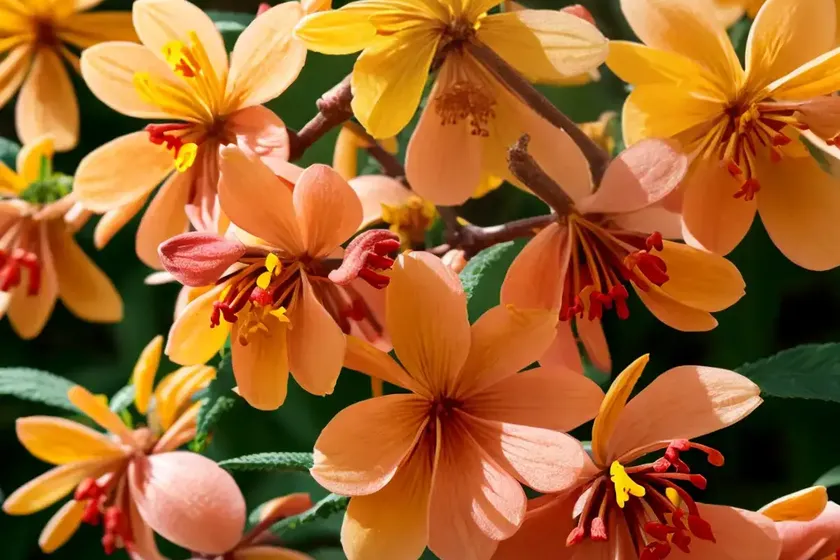
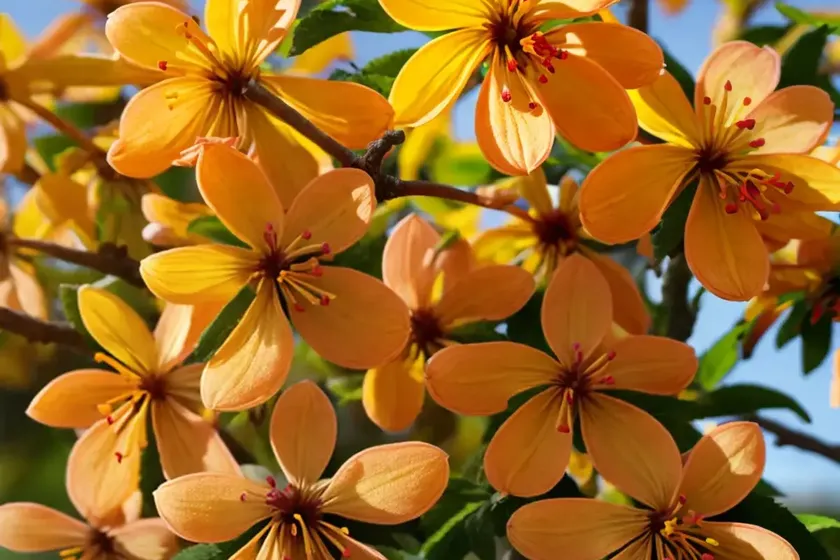
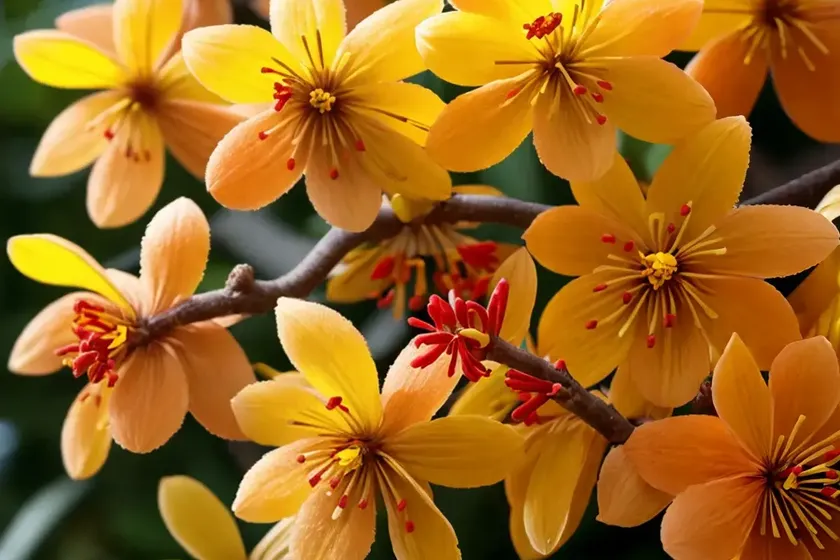
Witch hazel, scientifically known as Hamamelis x intermedia ‘Feuerzauber’, is a captivating and versatile plant that has captured the attention of gardeners and plant enthusiasts alike. Its unique appearance, remarkable properties, and diverse applications make it a valuable addition to any garden or landscape.
In this comprehensive guide, we will delve into the world of Hamamelis x intermedia ‘Feuerzauber’, exploring its cultural requirements, uses, propagation methods, maintenance practices, common diseases and pests, as well as intriguing facts and folklore associated with this extraordinary plant.
What is Hamamelis x intermedia ‘Feuerzauber’ (Witch Hazel)
Witch hazel, or Hamamelis x intermedia ‘Feuerzauber’, is a deciduous shrub renowned for its strikingly beautiful flowers and remarkable medicinal properties. Belonging to the Hamamelidaceae family, this plant is a result of a hybrid cross between Hamamelis mollis and Hamamelis japonica.
The ‘Feuerzauber’ cultivar is particularly prized for its vibrant and fiery blooms, which emerge in late winter to early spring, providing a much-needed burst of color and fragrance during the dreary winter months. The name “Feuerzauber” translates to “fire magic” in German, aptly describing the enchanting display of fiery tones exhibited by its blossoms.
Apart from its ornamental appeal, witch hazel has a rich history of traditional medicinal use, with its leaves, bark, and twigs yielding valuable extracts that are utilized in skincare products, ointments, and herbal remedies. Moreover, its astringent properties make it a popular ingredient in cosmetics and toiletries.
Key Takeaways – Hamamelis x intermedia ‘Feuerzauber’ (Witch Hazel)
Let’s begin our exploration of Hamamelis x intermedia ‘Feuerzauber’ by highlighting the key takeaways associated with this captivating plant.
Culture
- Common Name: Witch Hazel
- Scientific Name: Hamamelis x intermedia ‘Feuerzauber’
- Family: Hamamelidaceae
- Type: Deciduous shrub
- Origin: Hybrid cross between Hamamelis mollis and Hamamelis japonica
- Cultivar: ‘Feuerzauber’ (Fire Magic)
Uses
- Ornamental: Striking winter blooms, vibrant autumn foliage
- Medicinal: Astringent properties, skincare products, herbal remedies
- Fragrance: Distinctive scent, often used in perfumery
- Landscape: Adds color and interest to gardens, attracts pollinators
Water
- Watering Frequency: Regular watering, particularly during dry spells
- Moisture Requirements: Well-draining soil, moderate moisture levels
Sunlight
- Sun Exposure: Partial to full sun
- Light Requirements: Thrives in dappled sunlight or filtered light
Fertilizer
- Feeding: Minimal fertilizer requirements
- Fertilizer Type: Balanced, slow-release fertilizer in spring
Soil
- Soil Type: Well-draining, loamy soil
- pH Level: Slightly acidic to neutral (pH 5.5 – 7.0)
- Soil Amendments: Organic matter for improved fertility and drainage
Pruning
- Pruning Time: After flowering (late spring to early summer)
- Pruning Techniques: Removal of dead, damaged, or crossing branches
- Shape Maintenance: Minimal pruning required for a natural form
Propagation
- Propagation Methods: Softwood cuttings, layering
- Timing: Early summer for softwood cuttings
Container Popularity
- Suitability: Well-suited for container gardening
- Size: Compact growth habit, ideal for smaller spaces
Common Diseases
- Disease Resistance: Generally disease resistant
- Common Issues: Leaf spot, powdery mildew (prevention through proper airflow)
Disease Diagnosis
- Symptoms: Spots or discoloration on leaves, powdery fungal growth
- Preventive Measures: Adequate spacing, proper watering, and good air circulation
Common Pests
- Pest Susceptibility: Minimal pest issues
- Potential Pests: Aphids, scale insects (treatment with horticultural oil)
Botanist’s Tips
- Planting Depth: Similar to the depth of the nursery container
- Mulching: Application of organic mulch to retain moisture and suppress weeds
- Overwintering: Cold hardy, but may benefit from a layer of mulch in winter
Fun Facts
- Witch hazel is featured in various folklore and traditional beliefs, symbolizing protection, healing, and divination.
- The unique flowering time of witch hazel makes it a valuable nectar source for early emerging pollinators.
- Witch hazel distillate, derived from its bark and twigs, has been used for centuries in skincare and cosmetics.
Links to External Resources
Before we proceed further, let’s acquaint ourselves with some external resources that provide valuable insights into the world of Hamamelis x intermedia ‘Feuerzauber’ and witch hazel in general:
- Royal Horticultural Society – Hamamelis x intermedia ‘Feuerzauber’
- Missouri Botanical Garden – Witch Hazel (Hamamelis x intermedia)
- University of Maryland Medical Center – Witch Hazel
- American Horticultural Society – The Witch Hazels: A comprehensive guide
With a clearer understanding of the essential characteristics and uses of Hamamelis x intermedia ‘Feuerzauber’, let’s delve deeper into the specific cultural requirements and care tips associated with this exceptional plant.
Culture
In this section, we will explore the cultural requirements and specific needs of Hamamelis x intermedia ‘Feuerzauber’, encompassing aspects such as water, sunlight, fertilizer, soil, and pruning methods.
Water
Proper watering is crucial for the health and vigor of witch hazel plants. Although they exhibit a degree of drought tolerance once established, consistent moisture is essential, particularly during periods of dry weather. The moisture requirements of Hamamelis x intermedia ‘Feuerzauber’ can be summarized as follows:
- Watering Frequency: Regular watering, especially during dry spells to maintain adequate soil moisture levels.
- Moisture Requirements: Well-draining soil is essential to prevent waterlogging, while moderate moisture levels are conducive to optimal growth and flowering.
Sunlight
Witch hazel plants thrive in environments with ample sunlight, although they also demonstrate a degree of adaptability to partial shade conditions. Understanding their sunlight preferences is essential for creating an ideal growing environment:
- Sun Exposure: Witch hazel plants prefer partial to full sun, thriving in locations that receive several hours of direct sunlight each day.
- Light Requirements: They exhibit a preference for dappled sunlight or filtered light, particularly in warmer climates where protection from intense midday sun may be beneficial.
Fertilizer
While witch hazel typically does not have intensive fertilizer requirements, providing a balanced and slow-release fertilizer can contribute to overall plant health and vigor. Here are the key points to consider when addressing the fertilizer needs of Hamamelis x intermedia ‘Feuerzauber’:
- Feeding: Minimal fertilizer applications are generally sufficient, with an emphasis on using a balanced, slow-release fertilizer in the spring to support healthy growth and flowering.
- Fertilizer Type: Utilizing a fertilizer with balanced NPK (nitrogen, phosphorus, and potassium) ratios can provide the necessary nutrients without causing excessive vegetative growth.
Soil
The type and quality of soil play a pivotal role in the success of witch hazel cultivation. Ensuring suitable soil conditions is vital for promoting robust growth, nutrient uptake, and overall plant well-being:
- Soil Type: Witch hazel plants thrive in well-draining, loamy soil with good structure and aeration, allowing for the efficient exchange of gases and moisture.
- pH Level: Maintaining slightly acidic to neutral soil conditions (pH 5.5 – 7.0) is ideal for supporting optimal nutrient availability and root function.
- Soil Amendments: Incorporating organic matter into the soil can enhance fertility, improve drainage, and encourage the development of a thriving root system.
Pruning
Proper pruning practices can contribute to the longevity, vitality, and aesthetic appeal of witch hazel plants. Understanding the timing and techniques associated with pruning is key to promoting healthy growth and maintaining an attractive plant form:
- Pruning Time: After flowering, typically in late spring to early summer, is the optimal period for conducting pruning activities, allowing the plant to set buds for the following season while removing any spent or damaged growth.
- Pruning Techniques: Focus on the removal of dead, diseased, or crossing branches, as well as any corrective shaping to maintain the natural form and structure of the plant.
Propagation
The propagation of witch hazel plants offers an opportunity to expand their presence in the garden or landscape, whether through the generation of new plants for personal use or sharing with fellow enthusiasts. Several methods can be employed to propagate Hamamelis x intermedia ‘Feuerzauber’, with key considerations for each approach as follows:
Softwood Cuttings
- Method: Propagation from softwood cuttings involves collecting young, actively growing stems from the current season’s growth, typically in early summer when the plant is in an active growth phase.
- Preparation: Select healthy, non-flowering shoots, and prepare cuttings of approximately 4-6 inches in length, ensuring they have a sufficient number of leaf nodes for rooting.
- Rooting Medium: Root the cuttings in a well-draining, sterile rooting medium, maintaining consistent moisture and high humidity to facilitate successful root development.
- Factors for Success: Provide bottom heat and intermittent misting to promote root formation, gradually acclimating the rooted cuttings to outdoor conditions upon establishment.
Layering
- Method: Layering involves the establishment of new roots on a stem while it is still attached to the parent plant, enabling the development of a self-sustaining root system in close proximity to the existing plant.
- Procedure: Select a flexible, low-growing stem on the witch hazel plant and make a shallow incision or partial ring at the point where it will make contact with the soil.
- Soil Contact: Bury the wounded portion of the stem in the soil, ensuring contact with the rooting medium and securing it in place with a weight or stake.
- Root Development: Over time, the buried section of the stem will produce roots, eventually becoming an independent plant that can be severed from the parent and transplanted to a new location.
By exploring the propagation methods suitable for Hamamelis x intermedia ‘Feuerzauber’, gardeners and enthusiasts can broaden their understanding of the reproductive processes and expand their collection of these captivating shrubs.
Container Popularity
The compact nature and ornamental appeal of Hamamelis x intermedia ‘Feuerzauber’ make it an attractive option for container gardening, allowing individuals with limited outdoor space to enjoy its distinctive beauty and fragrance. When cultivating witch hazel plants in containers, certain factors should be carefully considered:
- Suitability: The modest size and growth habit of ‘Feuerzauber’ cultivar make it well-suited for container gardening, thriving in appropriately sized pots or containers with adequate drainage.
- Size: Selecting a container that accommodates the root system while providing room for future growth is essential, ensuring the plant remains well-proportioned and balanced within its confines.
Container Care Tips
- Drainage: Use containers with drainage holes to prevent waterlogged soil and promote healthy root development.
- Soil Quality: Employ a well-draining potting mix that offers the necessary structure and aeration, while retaining moisture to sustain the plant.
- Watering: Monitor soil moisture levels closely, adapting the frequency of watering based on environmental conditions and the plant’s specific needs.
Benefits of Container Cultivation
Embracing container gardening with Hamamelis x intermedia ‘Feuerzauber’ offers various advantages, including:
- Versatility: Allows for placement in diverse settings, such as patios, balconies, or outdoor seating areas.
- Accessibility: Facilitates the cultivation of witch hazel plants in regions with limited garden space or challenging soil conditions.
- Aesthetic Enhancement: Contributes to the creation of captivating container displays, adding seasonal interest and fragrant blooms in confined spaces.
Common Diseases
While Hamamelis x intermedia ‘Feuerzauber’ is generally resilient, it may be susceptible to certain diseases that can impact its health and vitality. Recognizing common issues and taking proactive measures to mitigate potential diseases is crucial for maintaining the well-being of these remarkable shrubs.
Disease Resistance
Witch hazel plants often exhibit robust disease resistance, with strong natural defenses that help protect against common ailments.
- Vigilant Monitoring: Regular observation of plant health can aid in the early detection of any signs of disease, allowing for swift intervention if necessary.
- Cultural Practices: Implementing appropriate cultural practices, such as proper watering, adequate spacing, and soil maintenance, can bolster the plant’s natural resilience.
Common Issues
Two primary diseases that may affect witch hazel, including the ‘Feuerzauber’ cultivar, are leaf spot and powdery mildew.
- Leaf Spot: Manifests as small to large spots or lesions on the leaves, often accompanied by discoloration or defoliation in severe cases.
- Powdery Mildew: Presents as a white, powdery fungal growth on the foliage, potentially impacting overall plant vigor and appearance.
Preventive Measures
- Adequate Airflow: Promote good air circulation around the plant to discourage the development and spread of fungal diseases.
- Watering Practices: Avoid overhead watering and aim to provide moisture directly to the soil, minimizing leaf wetting and creating an environment less conducive to disease.
By understanding the common diseases associated with Hamamelis x intermedia ‘Feuerzauber’, individuals can adopt a proactive approach to plant care, enabling the cultivation of healthy and resilient shrubs.
Disease Diagnosis
Diagnosing potential diseases affecting witch hazel, including the ‘Feuerzauber’ cultivar, involves recognizing key symptoms and employing preventive strategies to safeguard the plant’s well-being.
Symptoms
When examining witch hazel plants for signs of disease, it is essential to be aware of distinguishing symptoms associated with common ailments:
- Leaf Spot: Look for irregularly shaped spots or discoloration on the leaves, which may vary in size and color, signaling the presence of leaf spot.
- Powdery Mildew: Check for the characteristic powdery coating on the foliage, typically white or gray in appearance, indicative of powdery mildew infection.
Preventive Measures
Taking proactive steps to prevent the onset and spread of diseases can contribute to the long-term health and vitality of witch hazel plants:
- Awareness: Stay informed about prevalent diseases and their specific characteristics, improving the ability to identify and address potential issues in a timely manner.
- Cultural Practices: Implement effective cultural practices, such as optimizing watering methods, ensuring proper space between plants, and promoting overall plant vigor to minimize disease susceptibility.
With a discerning eye and a commitment to proactive plant care, individuals can detect and address potential diseases, thereby fostering the resilience and vitality of Hamamelis x intermedia ‘Feuerzauber’ and other witch hazel varieties.
Common Pests
Witch hazel plants, including the ‘Feuerzauber’ cultivar, are generally resistant to significant pest infestations, with minimal susceptibility to insect-related issues. However, it is important to remain vigilant and address any potential pest concerns in a timely and effective manner.
Pest Susceptibility
While witch hazel plants are resilient to many pests, two common insects that may occasionally impact their health are aphids and scale insects.
- Aphids: These small, soft-bodied insects may gather in colonies on the foliage, potentially causing distortion and discoloration of leaves, as well as the secretion of honeydew.
- Scale Insects: These immobile pests appear as small, raised bumps on stems and leaves, often exhibiting a protective waxy coating, which can impede plant growth.
Treatment
When addressing potential pest issues, employing targeted treatments and integrated pest management strategies can safeguard the well-being of witch hazel plants:
- Horticultural Oil: Application of horticultural oil can effectively target and manage aphid and scale infestations, suffocating the insects and disrupting their life cycle.
- Natural Predators: Encouraging the presence of natural predators, such as ladybugs or lacewings, can aid in controlling aphid populations and maintaining pest balance.
Botanist’s Tips
To further enhance the resilience and vitality of witch hazel plants, consider the following tips from experienced botanists and horticultural experts:
- Proactive Monitoring: Regularly inspect plants for signs of pest activity, emphasizing early detection and intervention to prevent population escalation.
- Beneficial Allies: Encourage the establishment of beneficial predator populations, creating a natural and sustainable pest management system within the garden or landscape.
By remaining vigilant and implementing effective pest management practices, individuals can maintain the health and beauty of Hamamelis x intermedia ‘Feuerzauber’, ensuring its continued vigor and vitality.
Botanist’s Tips
Experts and experienced botanists share valuable insights and tips to guide enthusiasts in the successful cultivation and care of Hamamelis x intermedia ‘Feuerzauber’. Drawing from their expertise, these recommendations can offer practical guidance and enhance the overall gardening experience.
Planting Depth
When establishing witch hazel plants, attention to proper planting depth is critical to support healthy growth and root development:
- Placement: Position the root ball of the plant at a level consistent with the surface of the surrounding soil, ensuring it is neither excessively deep nor overly exposed.
Mulching
Applying mulch around the base of witch hazel plants offers multiple benefits, contributing to soil health, moisture retention, and weed suppression:
- Organic Mulch: Utilize a layer of organic mulch, such as shredded bark or compost, to cover the soil surface around the plant, maintaining a consistent layer to a depth of 2-3 inches.
Overwintering
During the winter months, providing appropriate care and protection can promote the resilience of witch hazel plants:
- Mulch Application: Apply a layer of mulch around the base of the plant to insulate the root system and protect against temperature fluctuations during the winter season.
These noteworthy tips from seasoned professionals and botanists are invaluable resources for individuals seeking to optimize the growth and well-being of their Hamamelis x intermedia ‘Feuerzauber’ and other witch hazel varieties.
Fun Facts
In addition to its distinctive appearance and practical uses, witch hazel holds a rich tapestry


