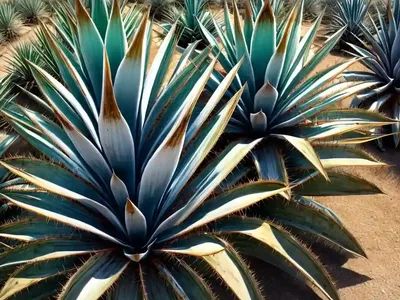
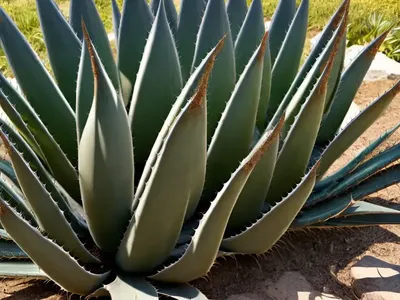
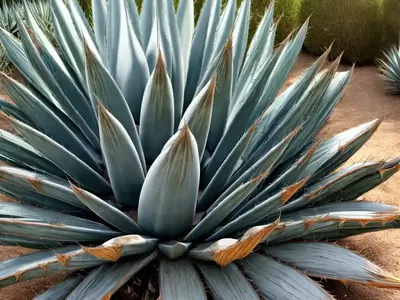
Gypsiferous Agave (Agave Gypsophila)
The Gypsiferous Agave, or Agave Gypsophila, is a stunning and unique plant that has become increasingly popular among gardening enthusiasts. Its.
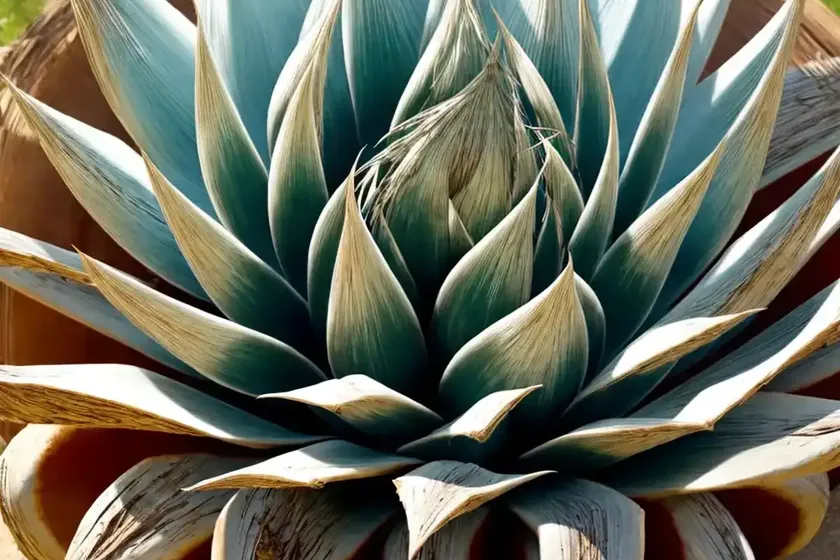
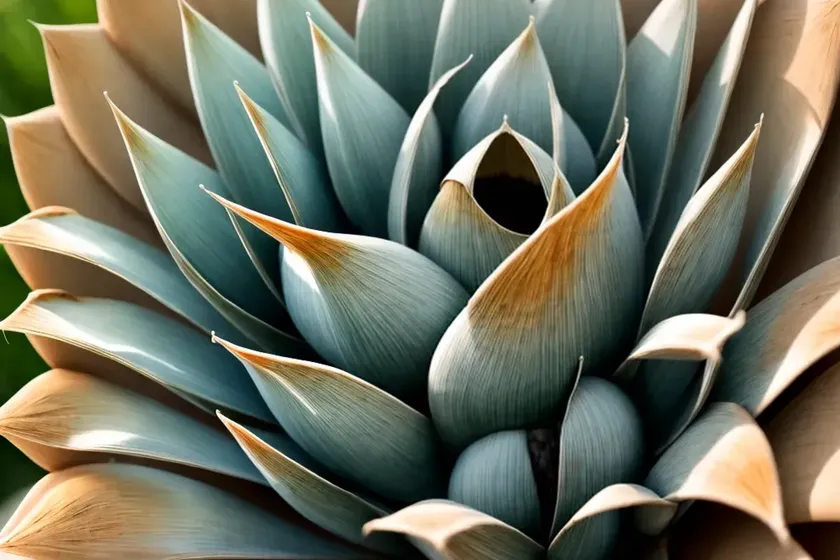
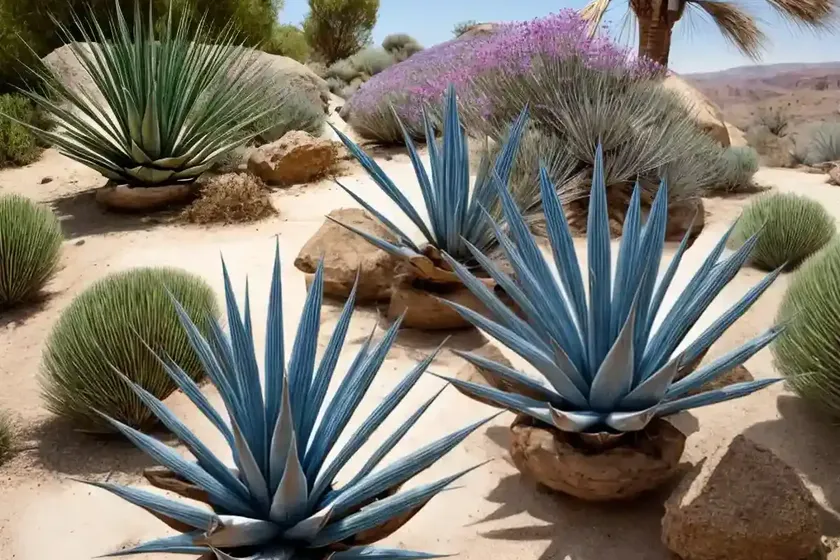
The Gypsiferous Agave, or Agave Gypsophila, is a stunning and unique plant that has become increasingly popular among gardening enthusiasts. Its distinctive appearance, low maintenance requirements, and versatility make it a sought-after addition to gardens, landscapes, and even indoor spaces. In this comprehensive guide, we will explore everything you need to know about the Gypsiferous Agave, from its cultural preferences to its propagation and maintenance. Whether you are an experienced gardener or a newcomer to the world of plants, this guide will provide you with valuable insights and practical tips for growing and caring for this extraordinary species.
What is Gypsiferous Agave (Agave Gypsophila)?
The Gypsiferous Agave, scientifically known as Agave Gypsophila, is a succulent plant belonging to the Agave genus. It is characterized by its striking rosette of fleshy, spiky leaves and its remarkable ability to thrive in arid and semi-arid environments. The plant is native to regions of Mexico and the southwestern United States, where it has adapted to survive in challenging conditions with poor soil quality and limited water availability.
The name “Gypsiferous” is derived from the Latin word “gypsos,” which means gypsum. This nomenclature reflects the plant’s unique ability to tolerate gypsum-rich soils, a trait that sets it apart from many other succulents. Gypsiferous Agave has been cultivated for centuries and is prized for its ornamental value, resilience, and various practical uses.
Key Takeaways – Gypsiferous Agave (Agave Gypsophila)
Before delving into the specific aspects of growing and caring for Gypsiferous Agave, let’s summarize the key takeaways of this unique plant:
- Botanical Name: Agave Gypsophila
- Plant Type: Succulent, perennial
- Native Range: Mexico, southwestern United States
- Cultural Preferences: Arid to semi-arid environments, well-draining soil, ample sunlight
- Growth Habit: Rosette-forming, spiky, fleshy leaves
- Uses: Ornamental landscaping, xeriscaping, container gardening
- Special Feature: Tolerance to gypsum-rich soils
Now, let’s delve into the specific aspects of cultivating and caring for Gypsiferous Agave to ensure its optimal growth and health.
Culture
Cultivating Gypsiferous Agave successfully requires an understanding of its preferred growing conditions and environmental requirements. By providing the right cultural environment, you can encourage the plant to thrive and showcase its distinctive beauty. Let’s explore the essential cultural considerations for Gypsiferous Agave:
Water
Gypsiferous Agave is well-adapted to survive in arid and semi-arid environments, and as such, it has low to moderate water requirements. When cultivating this plant, it is crucial to prioritize well-draining soil and ensure that excess water does not accumulate around the roots. Overly damp conditions can lead to root rot and other moisture-related issues, compromising the plant’s health.
Here are some key tips for watering Gypsiferous Agave:
-
Established Plants: Once established, Gypsiferous Agave generally requires infrequent watering. In most cases, natural rainfall can fulfill the plant’s moisture needs. Only water when the soil around the plant is completely dry, and then provide a thorough soaking.
-
Container-Grown Agave: If growing Gypsiferous Agave in a container, ensure that the pot has drainage holes to allow excess water to escape. Water the plant deeply, allowing the excess water to flow out of the drainage holes. Avoid leaving the plant sitting in standing water, as this can lead to root suffocation and disease.
-
Drought Tolerance: Gypsiferous Agave exhibits excellent drought tolerance once established. This makes it an ideal choice for water-wise landscaping and xeriscaping projects, where it can thrive with minimal irrigation.
Creating a watering schedule that accommodates the plant’s drought-resistant nature and avoids overwatering is crucial for the successful cultivation of Gypsiferous Agave.
Sunlight
Like many succulent plants, Gypsiferous Agave thrives in full sunlight and requires ample exposure to direct sunlight to support its growth and health. When selecting a planting location or positioning Gypsiferous Agave in a container, it is essential to prioritize access to sunlight.
Consider the following points related to sunlight requirements for Gypsiferous Agave:
-
Full Sun Exposure: Gypsiferous Agave performs best when provided with at least six to eight hours of direct sunlight each day. In regions with intense heat, some afternoon shade may be beneficial to prevent leaf scorching.
-
Outdoor Planting: When planting Gypsiferous Agave in the garden or landscape, choose a location that receives abundant sunlight throughout the day. Avoid areas with excessive shade, as this can result in leggy growth and diminished overall vigor.
-
Indoor Placement: For indoor cultivation, position Gypsiferous Agave near south-facing windows or other areas that receive significant sunlight. Supplemental grow lights can be utilized to ensure that the plant receives adequate light if natural sunlight is limited.
By meeting the plant’s sunlight requirements, you can promote robust growth and vibrant foliage in Gypsiferous Agave, enhancing its ornamental appeal.
Fertilizer
In its natural habitat, Gypsiferous Agave is adapted to thrive in nutrient-poor soils, making it well-suited for cultivation in low-fertility environments. While the plant can survive and even thrive without regular fertilization, providing a small amount of supplemental nutrients can support its overall vitality. However, it is crucial to avoid over-fertilizing, as this can lead to adverse effects such as excessive leaf growth and diminished drought tolerance.
Consider the following recommendations for fertilizing Gypsiferous Agave:
-
Minimal Fertilization: Gypsiferous Agave generally requires minimal fertilization. A balanced, water-soluble fertilizer formulated for cacti and succulents can be applied at half-strength during the growing season to provide a gentle nutrient boost. However, avoid fertilizing in late summer and fall to prevent stimulating new growth that may be vulnerable to frost damage.
-
Organic Amendments: For garden-grown specimens, incorporating organic matter such as compost into the soil during planting can offer a slow-release source of nutrients over time. However, excess organic material that retains moisture should be avoided, as Gypsiferous Agave prefers lean, well-draining substrates.
-
Container-grown Agave: When growing Gypsiferous Agave in containers, use a specialized succulent or cactus fertilizer at a diluted concentration to avoid overwhelming the plant with nutrients. Remember to follow the product’s specific guidelines for application rates and frequency.
By approaching fertilization with caution and prioritizing the plant’s preference for lean soils, you can support healthy growth in Gypsiferous Agave while respecting its natural adaptations to low-nutrient environments.
Soil
The soil composition plays a pivotal role in the growth and health of Gypsiferous Agave, as the plant has evolved to thrive in well-draining, low-fertility substrates. Understanding the best soil type and composition for this species is essential for creating an optimal growing environment.
Consider the following soil-related recommendations for Gypsiferous Agave:
-
Well-draining Soil: Gypsiferous Agave thrives in soils with excellent drainage, as this helps prevent moisture-related issues such as root rot. Sandy or gravelly soils are ideal for promoting rapid drainage and maintaining the aerated, loose structure that supports healthy root development.
-
Lean and Rocky Substrates: In its natural habitat, Gypsiferous Agave often grows in gypsum-rich soils with minimal organic content. Emulating these conditions by providing a lean, rocky substrate can support the plant’s preference for low-nutrient environments.
-
Container Media: For container cultivation, choose a well-draining potting mix formulated specifically for cacti and succulents. Avoid standard garden soils, which can retain excessive moisture and lead to root problems in container-grown Agave.
By prioritizing well-draining, lean soils, you can create an environment that aligns with the natural preferences of Gypsiferous Agave, supporting its vitality and resilience.
Pruning
Pruning Gypsiferous Agave is a relatively straightforward task that focuses primarily on the removal of dead or damaged foliage and the management of offsets, or “pups,” that the plant produces as part of its natural growth cycle. By practicing proper pruning techniques, you can maintain the plant’s aesthetic appeal and manage its size and shape effectively.
Consider the following guidelines for pruning Gypsiferous Agave:
-
Dead Leaf Removal: Regularly inspect the plant for dead or yellowing leaves and trim them back to the base of the plant using clean, sharp pruning shears. Removing spent foliage can enhance the plant’s appearance and reduce the risk of disease or pest issues.
-
Pup Management: Gypsiferous Agave produces offsets, or pups, as part of its reproductive cycle. These can be left to grow and fill out the planting area, or they can be carefully removed to control the spread of the plant. To remove pups, use a clean, sharp knife to sever them from the parent plant, taking care to include a portion of the attached rhizome for successful propagation.
-
Safety Precautions: When pruning Gypsiferous Agave, it is important to wear protective gloves and long sleeves, as the plant’s sharp spines can cause injury. Exercise caution to avoid puncture wounds and skin irritation from contact with the sap.
Pruning Gypsiferous Agave as needed to eliminate dead or damaged foliage and manage offsets can help maintain the plant’s overall health and appearance while controlling its spread within the landscape or container.
Propagation
The propagation of Gypsiferous Agave offers an exciting opportunity to expand your plant collection, share specimens with other enthusiasts, or rejuvenate aging plants. The plant can be propagated through several methods, each of which presents unique benefits and considerations.
Consider the following propagation techniques for Gypsiferous Agave:
-
Offsets: One of the most common methods of propagating Gypsiferous Agave is by harvesting offsets, or pups, that emerge from the base of mature plants. Once a pup has developed a few sets of leaves and a small root system, it can be carefully separated from the parent plant and transplanted into a suitable growing medium to establish itself.
-
Seed Propagation: While less commonly practiced due to the relatively slow growth of Agave from seeds, propagation from seed offers an opportunity to introduce new genetic diversity into the plant population. Sow fresh Agave seeds in a well-draining, sandy soil mix, and provide consistent moisture and warmth to encourage germination.
-
Rhizome Division: In some cases, mature Gypsiferous Agave plants may develop an extensive rhizomatous root system. Dividing these rhizomes can be an effective method of propagation, allowing you to create new plants from established ones.
By mastering the art of propagating Gypsiferous Agave through offsets, seeds, or rhizome division, you can expand your collection and share the beauty of this unique plant with others.
Container Popularity
Gypsiferous Agave’s adaptability and striking appearance make it a popular choice for container gardening, both indoors and outdoors. By cultivating this plant in containers, you can create visually captivating displays, overcome challenging growing environments, and tailor the plant’s care to its specific needs.
Consider the following points related to the popularity of Gypsiferous Agave in container gardening:
-
Indoor Décor: Gypsiferous Agave is an excellent choice for indoor environments, as it can thrive in bright, sunny spaces and adds a touch of exotic elegance to interior décor. Positioning Agave in decorative containers or succulent gardens can create eye-catching focal points and conversation pieces.
-
Outdoor Accent: When grown in outdoor containers, Gypsiferous Agave can enhance patios, decks, and other living spaces with its architectural form and drought-tolerant nature. Consider using Agave as a standalone feature or as part of a mixed succulent arrangement to introduce visual interest and texture.
-
Climate Adaptability: Container cultivation allows gardeners to overcome climatic limitations, enabling the successful growth of Gypsiferous Agave in regions with challenging soil conditions or temperature extremes. Containers can be moved to sheltered areas during adverse weather, providing added protection for the plant.
By capitalizing on the versatility and allure of Gypsiferous Agave in container gardening, you can create captivating displays and overcome environmental challenges to enjoy the plant’s beauty in diverse settings.
Common Diseases
While Gypsiferous Agave is renowned for its resilience and adaptability, it is susceptible to certain diseases and disorders, particularly those related to excessive moisture and poor air circulation. Recognizing the signs of common diseases and implementing preventive measures is crucial for safeguarding the plant’s health.
Consider the following common diseases and associated guidelines for addressing them in Gypsiferous Agave:
-
Root Rot: Prolonged exposure to soggy, waterlogged soil can lead to root rot in Gypsiferous Agave. Symptoms include wilting, yellowing foliage, and a foul odor emanating from the plant’s base. To prevent root rot, ensure that the plant is cultivated in well-draining soil and avoid overwatering.
-
Leaf Spot and Blight: Fungal infections such as leaf spot and blight can manifest as discolored, spotted, or water-soaked areas on the foliage of Gypsiferous Agave. To mitigate these issues, practice proper watering techniques to prevent moisture from accumulating on the leaves, and consider applying fungicidal treatments if necessary.
-
Pest-Related Damage: While not a disease per se, pest infestations can compromise the health and appearance of Gypsiferous Agave. Common pests that may affect the plant include agave snout weevils, aphids, and spider mites. Regular monitoring and the timely application of insecticidal treatments can help manage pest populations and minimize damage.
Being vigilant about the potential diseases and pests that can affect Gypsiferous Agave allows you to take proactive measures to maintain the plant’s vigor and beauty. By promoting a healthy growing environment and promptly addressing any emerging issues, you can safeguard your Agave from common ailments.
Disease Diagnosis
Accurately diagnosing diseases and disorders in Gypsiferous Agave is essential for implementing effective management strategies and preventing the spread of issues that may affect the plant’s overall well-being. Familiarizing yourself with the symptoms and characteristics of common diseases can empower you to take informed action when necessary.
Consider the following pointers for diagnosing diseases in Gypsiferous Agave:
-
Symptom Observation: Regularly inspect the plant for signs of discoloration, wilting, spotting, or unusual growth patterns. Common symptoms of disease in Gypsiferous Agave include yellowing leaves, black or water-soaked spots on foliage, or an overall decline in vigor.
-
Environmental Assessment: Consider the environmental factors that may contribute to disease development, such as excessive moisture, poor air circulation, or nutrient imbalances. Assessing the plant’s growing conditions can provide insights into the underlying causes of observed symptoms.
-
Consulting Resources: Refer to reputable plant disease guides, extension publications, and gardening resources to compare the symptoms observed in Gypsiferous Agave with known diseases and their associated management recommendations. Seeking expert advice or diagnostic services can also aid in identifying specific issues.
By honing your ability to diagnose diseases and disorders in Gypsiferous Agave, you can take proactive measures to address emerging problems and preserve the plant’s vitality.
Common Pests
While Gypsiferous Agave is generally resilient to pests and diseases due to its adaptation to arid environments, certain insects can pose a threat to the plant’s health and appearance. Recognizing and effectively managing common pests ensures that Gypsiferous Agave can thrive without undue stress or damage.
Consider the following common pests that may affect Gypsiferous Agave, along with strategies for managing them:
-
Agave Snout Weevils: These destructive insects can tunnel into the central growing point of Agave plants, causing irreversible damage and eventual death. To manage agave snout weevils, inspect plants regularly for signs of infestation, and consider applying targeted insecticidal treatments as a preventive measure.
-
Aphids: Soft-bodied aphids may colonize the tender foliage of Gypsiferous Agave, causing distortion, discoloration, and a decline in overall plant health. Managing aphids through the application of insecticidal soaps or horticultural oils can help prevent population explosions.
-
Spider Mites: These microscopic pests can inflict damage on Gypsiferous Agave by feeding on plant fluids, leading to stippling, yellowing, and eventually leaf drop. Introducing natural predators, such as predatory mites, and providing adequate humidity levels can help control spider mite populations.
By remaining vigilant for signs of pest activity and promptly addressing potential infestations, you can safeguard the health and appearance of Gypsiferous Agave and minimize the impact of common pests.
Botanist’s Tips
Drawing from the expertise of botanists and experienced plant enthusiasts can offer valuable insights and practical tips for successfully growing and caring for Gypsiferous Agave. Consider incorporating these professional recommendations into your approach to cultivation and maintenance:
-
Cultural Adaptation: Recognize the plant’s natural adaptations for arid environments, and strive to replicate these conditions by providing well-draining soil, ample sunlight, and minimal irrigation.
-
Species Diversity: Explore the diverse range of Agave species and cultivars available, appreciating the unique features and growth habits that each variety exhibits. Consider incorporating multiple Agave species into the landscape to create visual interest and diverse textures.
-
Sustainable Practices: Embrace sustainability in your cultivation practices, minimizing water usage, reducing chemical inputs, and promoting the plant’s resilience through eco-conscious gardening techniques.
-
Collaborative Learning: Engage with local gardening communities, botanical societies, and educational resources to share knowledge, learn from others, and expand your expertise in growing Gypsiferous Agave and other succulents.
By embracing the wisdom and guidance of botanists and horticultural experts, you can enrich your experience as a Gypsiferous Agave enthusiast and cultivate a deeper appreciation for these remarkable plants.
Fun Facts
Uncover fascinating and lesser-known facts about Gypsiferous Agave to enhance your appreciation for this unique succulent species:
-
Agave Hearts: Certain Agave species, including some Gypsiferous Agave varieties, are cultivated for their edible hearts, known as “piñas.” These piñas are used to produce agave nectar, tequila, and other traditional beverages and sweeteners.
-
Symbiotic Relationships: In its natural habitat, Gypsiferous Agave can form symbiotic associations with pollinators such as bats and hummingbirds, relying on these animals for successful reproduction and genetic exchange.
-
Fiber and Material Production: Agave fibers have been historically used to produce textiles, ropes, and other utilitarian items, showcasing the plant’s versatile applications beyond ornamental gardening.
-
Cultural Significance: Throughout history, Agave has held cultural and spiritual significance for indigenous populations, representing resilience, sustenance, and the enduring connection between humans and the natural world.
-
Architectural Inspiration: The bold,