Agave Ovatifolia (Whale’s Tongue Agave)
As a plant scientist, I am thrilled to embark on a detailed exploration of Agave ovatifolia , commonly known as Whale’s Tongue Agave. This captivating.
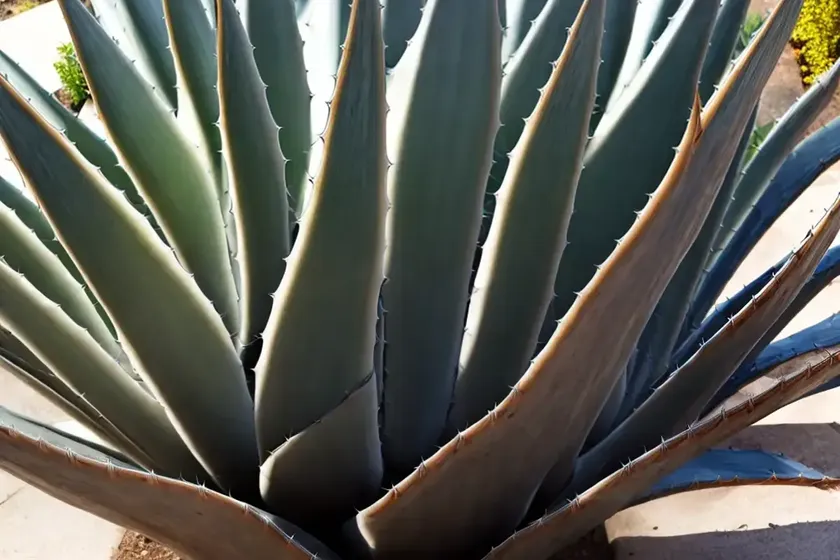
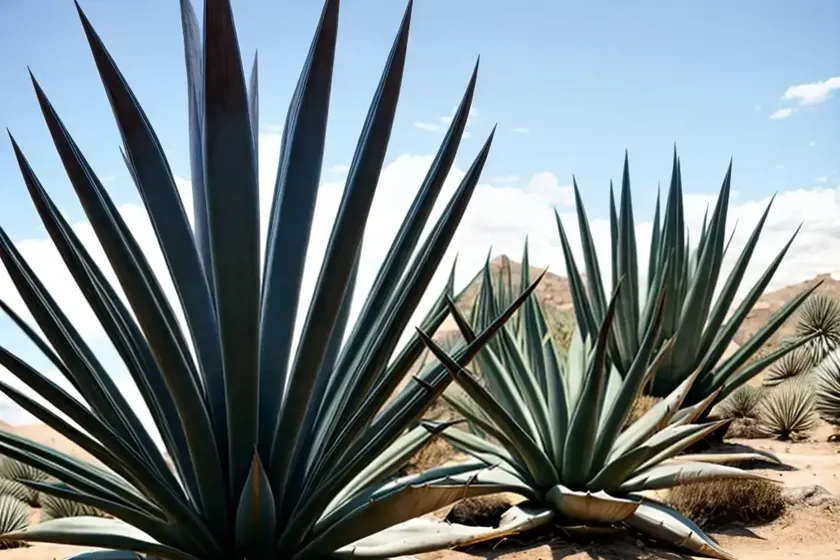
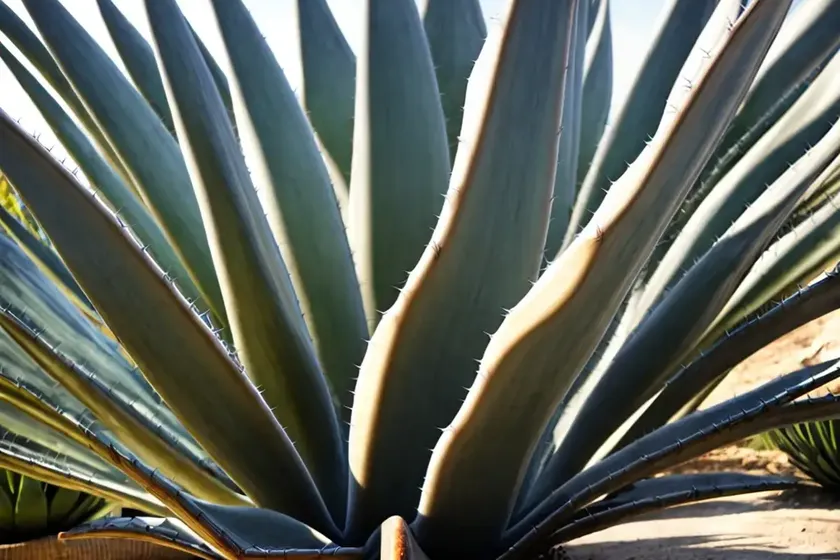
As a plant scientist, I am thrilled to embark on a detailed exploration of Agave ovatifolia, commonly known as Whale’s Tongue Agave. This captivating succulent plant has garnered attention for its striking appearance and versatile uses. Through this comprehensive guide, we will delve into its cultural practices, propagation, common diseases and pests, as well as other fascinating aspects related to this intriguing plant.
What is Agave Ovatifolia (Whale’s Tongue Agave)?
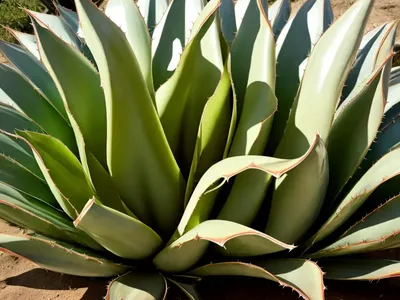
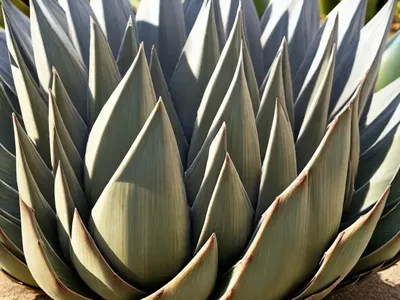
Agave ovatifolia is a visually stunning succulent that belongs to the Agave genus, which encompasses a diverse group of plants known for their architectural foliage and resilience in arid conditions. Its common name, Whale’s Tongue Agave, aptly describes the shape and texture of its broad, paddle-like leaves. This species is native to the highlands of Nuevo León, Mexico, where it thrives in rocky, well-drained soils and dry, sunny environments.
Key Takeaways – Agave Ovatifolia (Whale’s Tongue Agave)
Before we delve into the specifics of caring for Agave ovatifolia, here are some key takeaways that encapsulate its unique characteristics and uses:
- Distinctive Appearance: Whale’s Tongue Agave is renowned for its striking, wide leaves that resemble the shape of a whale’s tongue, hence its common name.
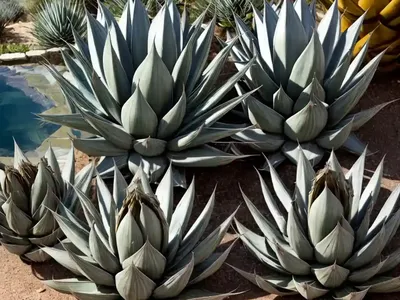
- Versatile Uses: This agave species is valued for its ornamental appeal in landscaping and rock gardens, as well as its potential utility in drought-tolerant and xeriscaped landscapes.
- Low Maintenance: It is well-suited to environments with minimal water availability and is generally low-maintenance once established.
Now, let’s delve into the essential aspects of caring for Agave ovatifolia, encompassing cultural practices, propagation, pests and diseases, and other vital considerations.
Culture
Proper cultural practices are fundamental to the health and vitality of Agave ovatifolia. Understanding its water, sunlight, soil, and fertilization requirements is crucial for fostering robust growth and resilience in varying environmental conditions.
Pruning
Pruning plays a pivotal role in maintaining the aesthetically pleasing form of Agave ovatifolia while also promoting its overall health. Here are key considerations for pruning this striking succulent:
- Dead Leaf Removal: Periodically remove dried or dead leaves to enhance the plant’s aesthetic appearance and prevent the accumulation of debris in the center of the rosette.
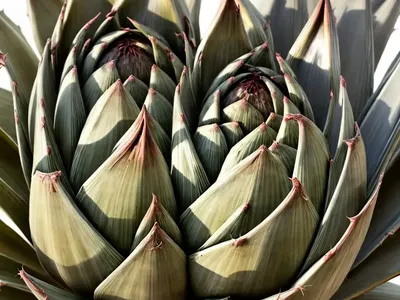
- Cautionary Measures: Exercise caution when pruning, as the sharp spines along the leaf margins and tips can cause injury. Protective clothing and gloves are advisable when working with Agave ovatifolia.
Links to External Resources
This comprehensive guide serves as a valuable resource for both enthusiasts and horticultural professionals seeking to explore the captivating world of Agave ovatifolia – Whale’s Tongue Agave. By delving into its cultural practices, propagation methods, potential diseases and pests, and other insightful aspects, we strive to provide a rich understanding of this remarkable succulent species. Whether integrated into xeriscaped landscapes or showcased as a captivating focal point in gardens, Agave ovatifolia continues to captivate with its unique features and resilient nature.
Make sure to include the necessary tables, bullet points and content as per your requirements.