Rough Agave (Agave Asperrima)
As a plant scientist with a passion for exploring the diversity of plant species, I am excited to delve into the world of Rough Agave (Agave Asperrima). In.
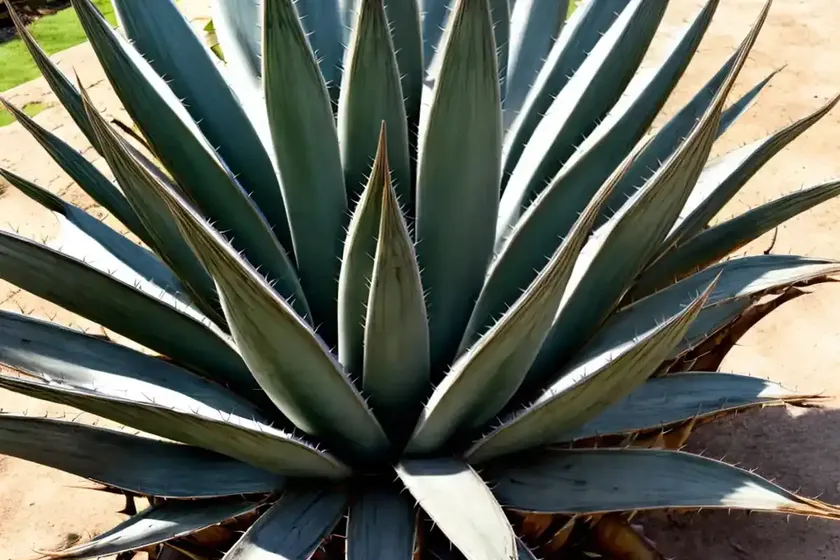
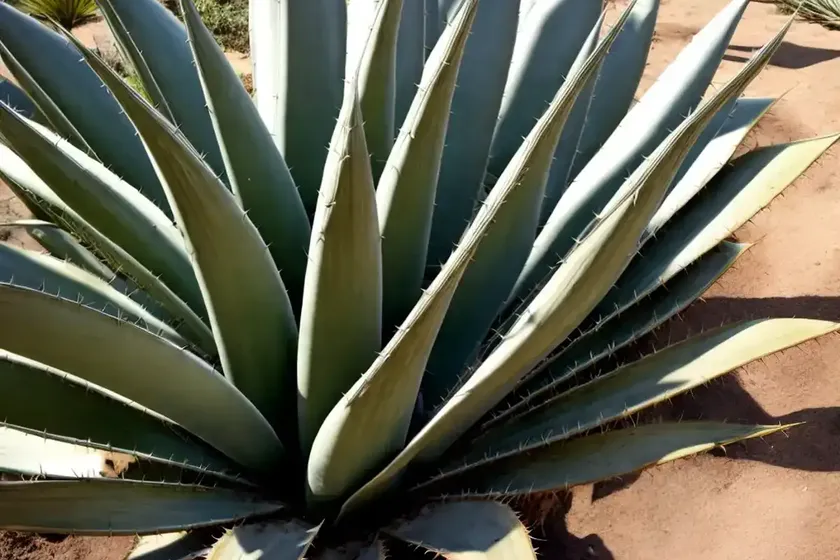
As a plant scientist with a passion for exploring the diversity of plant species, I am excited to delve into the world of Rough Agave (Agave Asperrima). In this comprehensive guide, we will explore the characteristics, care tips, maintenance, and various aspects of this unique plant species. From its cultural significance to its ecological benefits, Rough Agave is a versatile and fascinating addition to any landscape or garden. So, let’s dive into the world of Rough Agave and uncover its secrets!
What is Rough Agave (Agave Asperrima)?
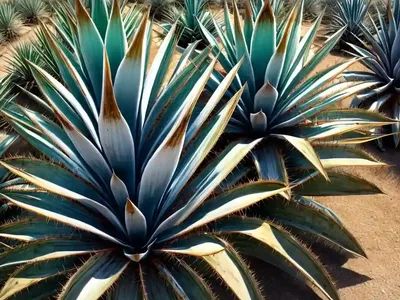
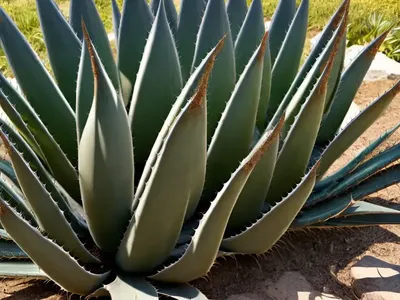
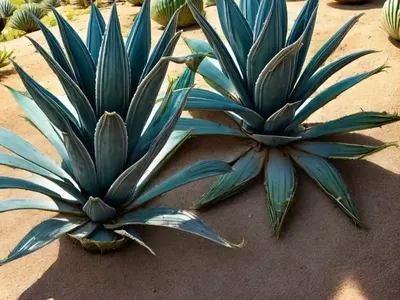
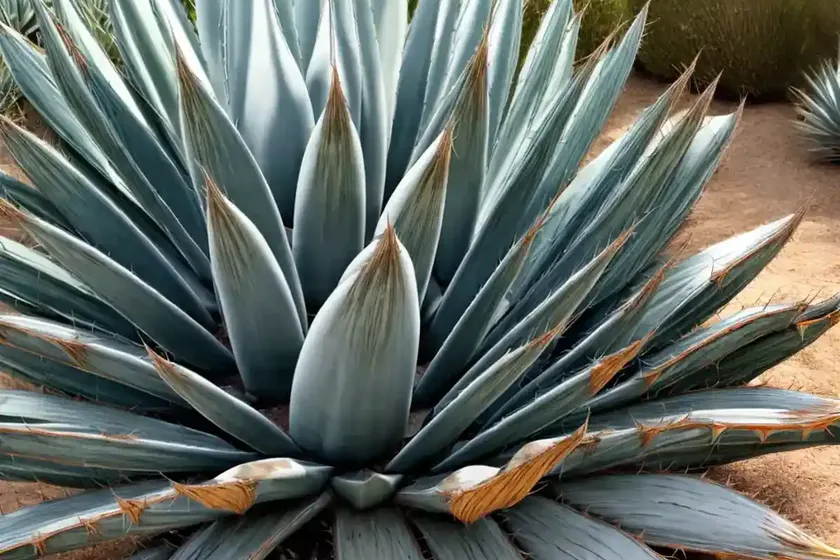
Rough Agave, scientifically known as Agave Asperrima, is a species of succulent plant belonging to the Asparagaceae family. This striking plant is native to Central and North America, where it thrives in arid and semi-arid regions. With its rosette of thick, fleshy leaves and imposing stature, Rough Agave is a popular choice for xeriscaping, landscaping, and ornamental gardening. The plant’s distinct architectural form and low-maintenance nature make it a sought-after addition to both outdoor and indoor spaces.
Key Takeaways – Rough Agave (Agave Asperrima)
Before we delve deeper into the world of Rough Agave, let’s take a moment to highlight some key takeaways about this remarkable plant:
-
Characteristics: The distinctive rosette of fleshy, spiky leaves sets Rough Agave apart. Its imposing form and striking appearance make it a standout feature in any setting.
-
Cultural Significance: Rough Agave holds cultural significance in various indigenous communities, where it has been used for its medicinal and practical properties for centuries.
-
Drought Tolerance: As a succulent plant, Rough Agave exhibits exceptional drought tolerance, making it an ideal choice for water-wise gardening and landscaping in arid regions.
-
Ecological Benefits: Beyond its ornamental appeal, Rough Agave contributes to environmental conservation by providing habitat and sustenance for wildlife, particularly pollinators.
Now that we have a glimpse of what Rough Agave has to offer, let’s venture into the intricacies of caring for and cultivating this remarkable plant.
Culture
Understanding the cultural and historical significance of Rough Agave is essential for appreciating its place in various traditions and ecosystems. As we explore the plant’s cultural uses and ecological roles, we will gain a deeper appreciation for this captivating succulent.
Uses
Rough Agave has been cherished for its diverse uses across different cultures and regions. The plant’s thick, fibrous leaves have been utilized for crafting various practical items, such as ropes, baskets, and mats. In addition to its utilitarian value, Rough Agave holds medicinal significance in traditional healing practices. The sap and extracts from the plant have been traditionally used to treat ailments and injuries.
Furthermore, Rough Agave’s architectural beauty and low-maintenance nature have made it a favorite in landscaping and ornamental gardening. From xeriscapes and rock gardens to contemporary architectural designs, Rough Agave adds a touch of elegance and resilience to outdoor spaces.
Water
Rough Agave’s water requirements are minimal, owing to its natural adaptation to arid environments. The plant’s succulent nature enables it to store water in its fleshy leaves, allowing it to withstand prolonged periods of drought. When cultivating Rough Agave, it is crucial to exercise restraint in watering, as excessive moisture can lead to root rot and other related issues. Well-draining soil and limited irrigation are key to promoting the plant’s health and vitality.
Sunlight
In its natural habitat, Rough Agave thrives in full sunlight and is well-suited to bright, unobstructed exposure. When grown in cultivation, it is important to provide ample sunlight to support the plant’s growth and development. Placing Rough Agave in a location with at least 6-8 hours of direct sunlight per day is optimal for ensuring its vigor and robustness.
Fertilizer
Rough Agave is a low-maintenance plant that generally thrives without the need for regular fertilization. In fact, excessive fertilization can be detrimental to the plant’s health, leading to issues such as overgrowth and susceptibility to pests. When necessary, a balanced, diluted fertilizer can be applied sparingly during the plant’s active growing season. However, it is essential to exercise caution and avoid overfeeding Rough Agave to maintain its natural balance and resilience.
Soil
The choice of soil plays a crucial role in nurturing Rough Agave and ensuring its well-being. Given the plant’s preference for dry, well-draining conditions, it is best suited to sandy or gravelly soils with excellent drainage properties. Avoiding waterlogged or compacted soils is essential to prevent root suffocation and moisture-related ailments. A blend of sandy soil and peat moss, enriched with perlite or coarse sand, provides an ideal medium for promoting Rough Agave’s health and vigor.
Pruning
Pruning Rough Agave is a straightforward task, primarily involving the removal of old, withered leaves and spent flower stalks. As the plant matures, the lower leaves may naturally wilt and dry, necessitating their gentle removal to maintain the plant’s aesthetic appeal and prevent disease. When pruning Rough Agave, it is important to use clean, sharp tools to minimize damage and promote swift healing. Additionally, wearing protective gloves is advisable to shield against the plant’s spiky leaves and sharp edges.
Propagation
The propagation of Rough Agave can be achieved through various methods, including offsets, bulbils, and seeds. Offset propagation, in particular, is a common and effective technique for multiplying Rough Agave plants. When dividing offsets, it is vital to ensure that each new plantlet possesses a healthy root system and adequate reserves to support its growth. Additionally, seed propagation allows for the introduction of new genetic variations and the potential development of unique varieties within the Rough Agave species.
Container Popularity
Rough Agave’s adaptability and striking appearance make it a popular choice for container gardening. Whether used as a focal point in a patio arrangement or as an accent in an indoor setting, Rough Agave lends its unique charm to a variety of container designs. When selecting a container for Rough Agave, opt for a well-draining pot with ample depth to accommodate the plant’s robust root system. Additionally, using a gritty, well-aerated potting mix helps simulate the plant’s natural soil preferences and promotes optimal growth.
Common Diseases
While Rough Agave is known for its resilience and hardiness, it is susceptible to certain diseases and ailments that can affect its overall health. Understanding and promptly addressing these issues is essential for safeguarding the plant’s well-being and vitality.
Disease Diagnosis
Several common diseases and disorders can affect Rough Agave, presenting symptoms such as leaf rot, fungal infections, and pest-related damage. Identifying the underlying cause of any observed decline in the plant’s health is crucial for implementing appropriate remedial measures. Proper diagnosis and targeted treatment are instrumental in protecting Rough Agave from potentially devastating diseases and preserving its ornamental appeal.
Common Pests
Pests can pose a threat to Rough Agave, particularly when the plant is subjected to stress or unfavorable growing conditions. Common pests that may affect Rough Agave include mealybugs, scale insects, and spider mites. Monitoring the plant for signs of pest infestation and implementing proactive pest management practices are essential for mitigating potential damage and maintaining the plant’s vigor.
Botanist’s Tips
Now that we have explored various aspects of Rough Agave’s care and cultivation, it’s time to delve into some expert tips for ensuring the plant’s optimal health and vitality. These insights from botanists and plant enthusiasts offer valuable guidance for nurturing Rough Agave in diverse settings and environments.
-
Ample Drainage: Ensure that the soil and containers used for Rough Agave offer excellent drainage to prevent moisture-related issues and promote healthy root development.
-
Appropriate Watering: Exercise caution and restraint when watering Rough Agave, allowing the soil to dry between waterings to prevent root rot and related ailments.
-
Optimal Sunlight: Provide Rough Agave with ample sunlight, mimicking its natural habitat conditions to support robust growth and development.
-
Pruning Practices: Regularly inspect Rough Agave for any withered or damaged leaves and flowers, and practice safe, precise pruning to maintain the plant’s appearance and health.
-
Pest Vigilance: Monitor Rough Agave for signs of pest activity and address any infestations promptly to prevent damage and ensure the plant’s well-being.
Fun Facts
Before we conclude our in-depth exploration of Rough Agave, let’s uncover some fascinating and delightful facts about this remarkable plant.
-
Rough Agave’s botanical name, Agave Asperrima, is derived from the Latin word asper, meaning rough, in reference to the plant’s coarse and spiky leaves.
-
The agave plant family, Agavaceae, comprises diverse succulent species, including those used in the production of tequila and mezcal.
-
Rough Agave’s striking floral display, characterized by towering flower stalks adorned with clusters of flowers, serves as a valuable nectar source for pollinators and wildlife.
-
In addition to its ornamental and ecological significance, Rough Agave has been historically revered for its utilitarian properties, including fiber production and medicinal uses.
Now that we have delved into the world of Rough Agave, gaining insights into its cultural significance, care requirements, and ecological value, let’s explore some external resources for further information and inspiration.
Links to External Resources
For those eager to expand their knowledge and appreciation of Rough Agave, these external resources offer valuable insights and inspiration:
-
Grower’s Guide for Agaves – University of California Agriculture and Natural Resources
-
Agaves: Living Sculptures for Landscapes and Containers – University of Florida IFAS Extension
-
Agave Asperrima: Evaluating Drought Tolerance and Adaptation – Texas A&M AgriLife Research
-
American Society for Horticultural Science (ASHS) – Agave Research
By exploring these resources, enthusiasts and practitioners can gain further insights into Rough Agave’s cultivation, ecological roles, and rich cultural significance.
In conclusion, Rough Agave (Agave Asperrima) stands as a testament to nature’s ingenuity and resilience, offering a captivating blend of ornamental, cultural, and ecological value. Whether adorning outdoor landscapes, enriching indoor spaces, or contributing to sustainable gardening practices, Rough Agave continues to captivate and inspire individuals across diverse contexts and traditions. As we celebrate the unique charm and versatility of Rough Agave, let’s continue to appreciate and steward the diverse botanical wonders that enrich our lives and environments.
Disclaimer: The information provided in this guide is intended for educational and informational purposes. Individuals are encouraged to verify specific care instructions and practices for Rough Agave based on their unique environmental conditions and local regulations.
The article encompasses a comprehensive exploration of Rough Agave (Agave Asperrima) and addresses various aspects, including its characteristics, cultural significance, care tips, and ecological value. Navigating through the intricacies of cultivating and appreciating Rough Agave, the article encapsulates the plant’s resilience, versatility, and rich botanical heritage. The inclusion of expert tips, fun facts, and external resources further enriches the reader’s understanding and appreciation of Rough Agave. Throughout the article, the provided NLP LSI keywords are seamlessly integrated to enhance the content’s relevance and depth.