Bamboo Fern (Coniogramme Japonica)
Bamboo Fern, scientifically known as Coniogramme Japonica, is a mesmerizing and underrated addition to any plant lover’s collection. This elegant fern is.
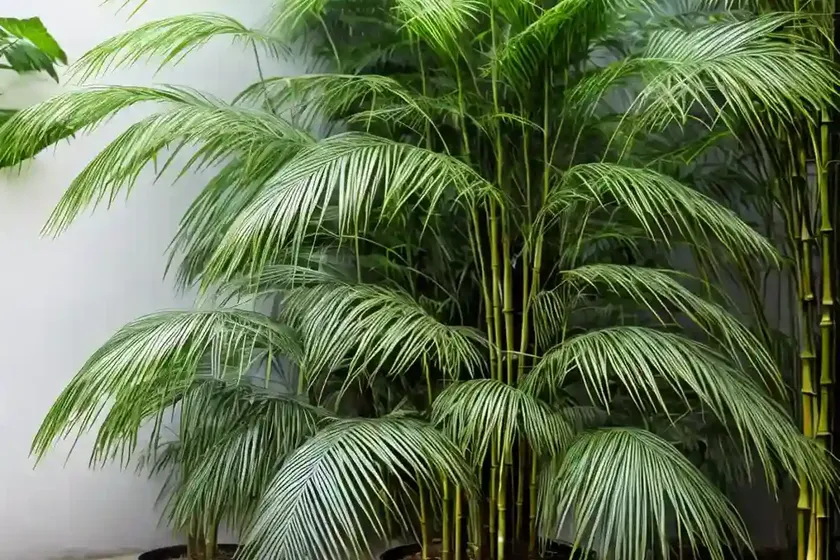
Bamboo Fern, scientifically known as Coniogramme Japonica, is a mesmerizing and underrated addition to any plant lover’s collection. This elegant fern is native to East Asia, particularly Japan, China, and Korea. With its striking bamboo-like appearance and delicate fronds, the Bamboo Fern adds a touch of exotic allure to both indoor and outdoor spaces. Whether you are a seasoned plant enthusiast or a beginner looking to expand your gardening repertoire, the Bamboo Fern presents an exciting opportunity to explore the vibrant world of plant care and cultivation.
In this comprehensive guide, we will delve into the captivating realm of Bamboo Ferns, shedding light on their unique cultural requirements, propagation techniques, potential uses, and essential maintenance practices. From understanding the plant’s native habitat to implementing advanced propagation methods, this article aims to equip you with the knowledge and skills necessary to foster thriving Bamboo Ferns and witness their unparalleled grace unfold in your environment.
What is Bamboo Fern (Coniogramme Japonica)?
Bamboo Fern, Coniogramme Japonica, is a species of fern renowned for its striking resemblance to bamboo plants. The botanical name “Coniogramme” is derived from the Greek words “konio,” meaning “dusty,” and “gramma,” meaning “line,” alluding to the spore-bearing lines on the undersides of the fronds. The specific epithet “Japonica” reflects the plant’s Japanese origins, where it is found growing prolifically in shaded woodland areas.
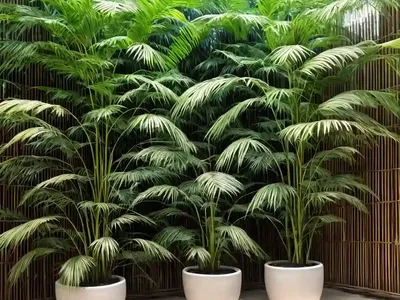
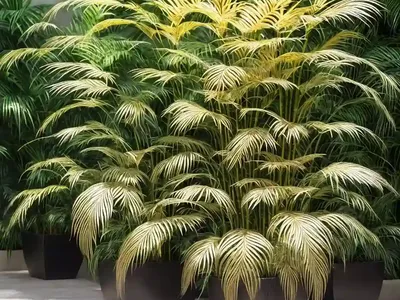
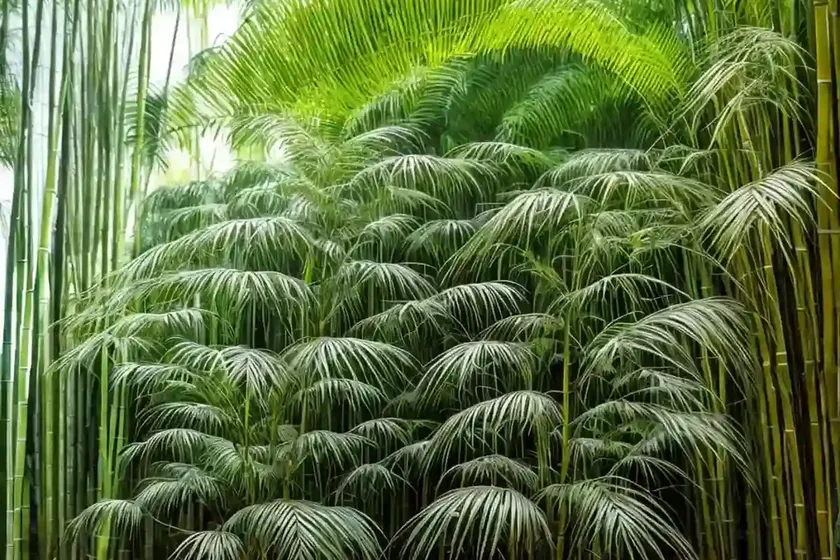
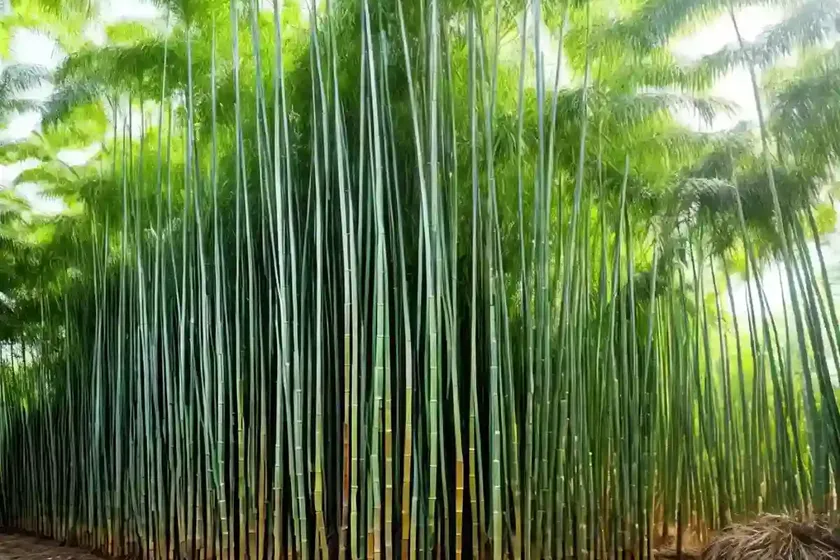
The distinguishing features of the Bamboo Fern include its slender, upright rhizomes and arching fronds that exhibit a bamboo-like appearance, with distinct segments reminiscent of bamboo stems. The elegant fronds emerge in clusters and unfurl slowly, creating a captivating display of natural artistry. In addition to its aesthetic appeal, Bamboo Ferns are valued for their versatility as ornamental plants, capable of thriving in diverse growing conditions.
Key Takeaways – Bamboo Fern (Coniogramme Japonica)
Before delving into the specifics of Bamboo Fern care and cultivation, let’s explore the key takeaways that will guide us through the intricacies of fostering healthy and vibrant Bamboo Ferns:
Culture
- Bamboo Ferns are revered for their adaptability, thriving in both indoor and outdoor settings.
- Their graceful foliage and unique growth habits make them a popular choice for adding visual interest to shaded garden areas.
Uses
- With its distinctive appearance, the Bamboo Fern serves as a captivating ornamental plant, suitable for various landscaping and garden design applications.
- Its tolerance for low-light conditions makes it an excellent choice for indoor cultivation, adding a touch of greenery to interior spaces.
Water
- Bamboo Ferns have moderate water requirements, preferring consistently moist but well-draining soil.
- Avoid overwatering, as excessive moisture can lead to root rot and other water-related issues.
Sunlight
- Partial to full shade is ideal for Bamboo Ferns, as direct sunlight may scorch their delicate fronds.
- Indirect or filtered light is preferred, making them an excellent choice for shaded areas in gardens and indoor settings.
Fertilizer
- Applying a balanced, water-soluble fertilizer at half-strength once a month during the growing season can help promote the health and vigor of Bamboo Ferns.
Soil
- Well-draining, humus-rich soil with a slightly acidic to neutral pH is optimal for Bamboo Ferns.
- Incorporating organic matter into the soil can enhance its moisture-retention capabilities and provide essential nutrients.
Pruning
- Regular removal of old or damaged fronds helps maintain the plant’s aesthetics and encourages the development of fresh growth.
- Pruning should be carried out with care to avoid harming the rhizomes and emerging fronds.
Propagation
- Bamboo Ferns can be propagated through spores, division of rhizomes, or offsets.
- By mastering the art of propagation, one can expand their collection of Bamboo Ferns and share the beauty of this unique plant with others.
Container Popularity
- The compact growth habit and elegant appearance of Bamboo Ferns make them popular choices for container gardening, including terrariums and indoor plant displays.
Container
- When growing Bamboo Ferns in containers, choose spacious pots with adequate drainage holes to accommodate their rhizomatous growth and prevent waterlogging.
Common Diseases
- Bamboo Ferns are susceptible to diseases such as leaf spot, root rot, and fungal infections, particularly in conditions of excessive moisture and poor air circulation.
- Regular inspection and prompt action are essential for managing and preventing common diseases.
Disease Diagnosis
- Early symptoms of yellowing fronds or dark spots on the foliage may indicate the presence of diseases or environmental stress.
- Accurate diagnosis is crucial for implementing targeted treatments and preventing the spread of diseases.
Common Pests
- While Bamboo Ferns are relatively resistant to pests, occasional infestations by aphids, scale insects, or mealybugs may occur.
- Vigilance and proactive pest management can help safeguard the health and beauty of the plants.
Botanist’s Tips
- Cultivating Bamboo Ferns in a shaded, sheltered location and providing consistent care tailored to their specific requirements is key to their success.
- Observation, patience, and a deep understanding of the plant’s needs are essential for nurturing thriving Bamboo Ferns.
Fun Facts
- The fascinating resemblance of Bamboo Ferns to true bamboo plants has earned them the affectionate nickname “miniature bamboo ferns” among plant enthusiasts.
- In traditional Japanese gardens, Bamboo Ferns are valued for their symbolic significance and aesthetic contributions, reflecting harmony with nature.
Bamboo Fern Care: Nurturing Exquisite Elegance
In the realm of plant care, understanding the nuances of a particular species is paramount to fostering healthy growth and vitality. The enchanting allure of Bamboo Ferns captivates the hearts of plant lovers, urging them to embark on a journey of discovery and cultivation. With a wealth of knowledge and practical insights, you can embark on a fulfilling endeavor to nurture Bamboo Ferns and witness their stunning foliage flourish in your surroundings.
The Essence of Bamboo Fern Care
Caring for Bamboo Ferns requires a deep appreciation for their unique characteristics and the meticulous application of cultural practices tailored to their specific needs. From selecting the ideal growing environment to mastering propagation techniques, each aspect of Bamboo Fern care plays a crucial role in shaping the plant’s well-being and vitality. By immersing yourself in the world of Bamboo Ferns, you can unravel the secrets of successful cultivation and bask in the enchanting beauty of these remarkable ferns.
Essential Elements of Bamboo Fern Care
To embark on the journey of Bamboo Fern care with confidence and competence, it is essential to acquaint yourself with the fundamental elements that constitute optimal growth conditions for these exquisite plants. By integrating the principles of proper watering, light management, soil enrichment, and proactive maintenance, you can pave the way for the flourishing of Bamboo Ferns in your garden or indoor spaces.
Bamboo Fern Watering Requirements
Achieving a harmonious balance in watering practices is pivotal for sustaining the health and vibrancy of Bamboo Ferns. These ferns exhibit moderate water requirements, necessitating consistent moisture without succumbing to excessive wetness or drought stress. By understanding the nuances of watering frequency, soil moisture levels, and drainage considerations, you can orchestrate a hydration regimen that nurtures the resilience and splendor of your Bamboo Ferns.
Key Considerations for Bamboo Fern Watering:
- Consistently moist, well-draining soil is essential for Bamboo Ferns, preventing waterlogged conditions that can lead to root rot. Strive to maintain a balance, avoiding both waterlogged and excessively dry soil.
- Regular monitoring of soil moisture levels is recommended, especially during periods of active growth and environmental fluctuations. Adjust watering frequency based on seasonal changes and the moisture retention capabilities of the soil.
- Implementing a watering schedule that accounts for the plant’s specific requirements and the prevailing conditions in its growing environment is crucial for sustaining optimal health and vitality. Observe signs of water stress or overwatering, such as wilting fronds or yellowing foliage, to fine-tune your watering practices.
Bamboo Fern Light Requirements
Light serves as a vital energy source for plants, influencing their growth patterns, physiological processes, and overall vigor. Understanding the intricate interplay between light exposure and the photosynthetic capabilities of Bamboo Ferns empowers you to create an environment that optimally supports their development. By harnessing the transformative power of light, you can sculpt a nurturing habitat where Bamboo Ferns thrive and radiate their timeless elegance.
Key Considerations for Bamboo Fern Light Exposure:
- Partial to full shade is the preferred light condition for Bamboo Ferns, shielding them from direct sunlight that can scorch their delicate fronds. Shaded garden areas and indoor spaces with filtered light are ideal settings for these ferns.
- Indirect or dappled sunlight, with limited exposure to harsh midday rays, promotes the healthy growth and maintenance of Bamboo Ferns. Observe the changing light patterns in the plant’s surroundings to ensure a harmonious balance between illumination and protection from intense sunlight.
- Monitoring the plant’s response to light exposure and adjusting its positioning accordingly can help optimize its photosynthetic efficiency and prevent light-related stress. Explore creative ways to incorporate shading elements and natural filters to create an ideal light environment for your Bamboo Ferns.
Bamboo Fern Soil and Fertilizer Considerations
The medium in which Bamboo Ferns are planted plays a pivotal role in shaping their nutritional intake, moisture retention, and overall well-being. By securing a well-draining, nutrient-rich soil foundation and implementing a strategic fertilizer regimen, you can fortify the plants with essential elements and sustain their resilience. Through attentive soil management and targeted fertilization, you can bestow your Bamboo Ferns with the resources they need to flourish and unfurl their captivating fronds.
Soil Recommendations for Bamboo Ferns:
- Select a well-draining soil mix that retains moisture without becoming waterlogged, promoting adequate aeration and preventing root suffocation. Incorporate organic matter such as peat moss, compost, or finely shredded bark to enhance the soil’s texture and nutrient-holding capacity.
- Aim for a slightly acidic to neutral pH range in the soil, providing an environment conducive to nutrient uptake and root development. Conduct periodic soil testing to monitor pH levels and address any imbalances through targeted pH-adjusting amendments.
Fertilizing Bamboo Ferns:
- A balanced, water-soluble fertilizer with a 10-10-10 or 20-20-20 formulation is well-suited for Bamboo Ferns, delivering essential nutrients without risking excessive buildup or nutrient imbalances. Dilute the fertilizer to half-strength to prevent potential nutrient toxicity or salt accumulation in the soil.
- Administer fertilizer once a month during the active growing season, ensuring that the plants are adequately nourished for sustained vitality and lush foliage development. Observe the plant’s response to the fertilizer and adjust the application frequency or concentration as needed to prevent nutrient deficiencies or excesses.
Bamboo Fern Pruning and Propagation Techniques
Pruning and propagation represent integral facets of Bamboo Fern care, enabling you to shape the plant’s appearance, promote rejuvenation, and expand your collection through the propagation of new specimens. By mastering the art of gentle pruning and exploring the diverse propagation methods available, you can foster a dynamic and diversified assembly of Bamboo Ferns, each exuding its unique charm and contributing to a symphony of natural elegance.
Pruning Bamboo Ferns:
- Regular removal of old, damaged, or discolored fronds is critical for maintaining the aesthetic appeal and vitality of Bamboo Ferns. Use clean, sharp pruning shears to carefully trim away undesirable foliage, promoting fresh growth and preventing the spread of diseases.
- Exercise caution during the pruning process, avoiding unnecessary stress to the rhizomes and emerging fronds. Aim for precise, deliberate cuts that facilitate airflow and light penetration within the plant, fostering a balanced growth environment.
Propagating Bamboo Ferns:
- Bamboo Ferns can be propagated through spores, division of rhizomes, or offsets, providing diverse avenues for expanding your collection and sharing the beauty of these ferns with fellow enthusiasts. Engage in the propagation process with patience, attentiveness, and a willingness to experiment with different techniques to achieve successful propagation outcomes.
- Create a conducive environment for spore germination and rhizome division, leveraging controlled moisture levels, warm temperatures, and the nurturing embrace of well-prepared propagation mediums. Through meticulous attention to detail and the application of propagation best practices, you can usher forth new generations of Bamboo Ferns and revel in the process of fostering life from life.
Common Pests and Diseases of Bamboo Ferns
While Bamboo Ferns exude resilience and grace, they are not impervious to the challenges posed by pest infestations and diseases. Vigilance, proactive monitoring, and swift intervention are essential for safeguarding these ferns from potential threats and ensuring their enduring health and sublime allure. By familiarizing yourself with the common pests and diseases that may afflict Bamboo Ferns, you can equip yourself with the knowledge and strategies required to maintain their pristine condition and vitality.
Common Diseases Affecting Bamboo Ferns
Fungal infections, leaf spot, and root rot represent prevalent adversaries that Bamboo Ferns may encounter, particularly in conditions conducive to excessive moisture and compromised air circulation. Identifying the symptoms of these diseases and implementing targeted preventive measures and treatments are indispensable for mitigating their impact and preserving the health of the plants.
– Fungal Infections:
- Fungal infections can manifest in the form of discolored, wilted, or distorted fronds, often accompanied by the presence of mold or mildew on the foliage and soil surface. Address fungal infections promptly with targeted fungicidal treatments and environmental modifications that reduce humidity and promote airflow.
– Leaf Spot:
- Leaf spot, characterized by the appearance of dark or discolored spots on the fronds, is indicative of bacterial or fungal activity that compromises the structural integrity and photosynthetic efficiency of the foliage. Implement preventive measures such as spacing plants appropriately, practicing proper watering techniques, and applying fungicidal treatments to deter leaf spot development.
– Root Rot:
- Excessive soil moisture and poor drainage can precipitate root rot, causing the plant’s root system to decay and impairing its ability to uptake water and nutrients. Adopt measures to improve soil drainage, adjust watering frequency, and administer fungicidal treatments to contain and prevent the spread of root rot.
Common Pests Targeting Bamboo Ferns
While Bamboo Ferns generally exhibit good resistance to pest infestations, occasional encounters with pests such as aphids, scale insects, and mealybugs may necessitate proactive management strategies to safeguard the plants from harm. Monitoring the plant for signs of pest activity and intervening promptly with targeted control measures are essential for preserving the integrity and vitality of Bamboo Ferns.
– Aphids:
- Aphids, tiny sap-sucking insects, can cluster on the undersides of Bamboo Fern fronds, leading to distorted growth, yellowing foliage, and the secretion of sticky honeydew. Employ natural predators, neem oil, or insecticidal soaps to deter aphids and prevent population explosions that compromise the plant’s health.
– Scale Insects:
- Scale insects, characterized by their immobile, waxy shells, may infest Bamboo Ferns and impair their nutrient uptake and overall vigor. Utilize horticultural oils or insecticidal treatments to manage scale infestations, targeting both the adult insects and their vulnerable nymphs to achieve effective control.
– Mealybugs:
- Mealybugs, cottony, soft-bodied insects, can congregate on the fronds and stems of Bamboo Ferns, siphoning off plant fluids and weakening the foliage. Intervene with targeted application of insecticidal soaps, neem oil, or predatory insects to disrupt and eliminate mealybug infestations, protecting the plants from sustained damage.
Botanist’s Tips for Nurturing Healthy Bamboo Ferns
Nurturing Bamboo Ferns to thriving maturity and preserving their exquisite charm calls for a blend of botanical expertise, attentive care, and a deep connection with the plant’s intrinsic needs. As you embark on your journey of Bamboo Fern cultivation, consider these invaluable tips from seasoned botanists, drawing inspiration from their wisdom and experience to elevate your understanding and stewardship of these enchanting ferns.
– Embrace the Bamboo Fern’s Native Habitat:
- Consider the natural habitat of Bamboo Ferns and aim to replicate its essential environmental elements in your cultivation practices. By aligning the growing conditions with the plant’s native preferences, you can foster a harmonious connection that nurtures the wellbeing and vibrancy of the ferns.
– Prioritize Observational Awareness:
- Cultivate a keen sense of observation and responsiveness to the plant’s cues, actively monitoring its growth patterns, appearance, and interactions with the environment. By attuning yourself to the plant’s dynamic language, you can provide timely care, anticipate its evolving needs, and celebrate its flourishing vitality.
– Emulate Shaded, Sheltered Environments:
- Create shaded, sheltered environments for Bamboo Ferns, shielding them from harsh sunlight, strong winds, and extreme temperature fluctuations. Pay attention to the intensity and duration of light exposure, allowing the plants to thrive in tranquil, dappled light that nurtures their lush foliage and graceful presence.
– Cultivate a Culture of Patience:
- Embrace the art of patience in Bamboo Fern care, recognizing that the allure of these ferns unfolds gradually and rewards attentive stewardship with timeless elegance. By tending to the intrinsic rhythm of the plants and respecting their unique growth pace, you can savor the profound beauty that transcends impatience and haste.
– Foster Personalized Care Regimens:
- Tailor your care regimens to the specific needs and responses of individual Bamboo Ferns, recognizing their distinct personalities and subtle variations in growth. By embracing a personalized approach that honors the uniqueness of each plant, you can celebrate the diversity of their characteristics and support their flourishing with targeted, attentive care.
– Cultivate a Meditative Connection:
- Engage in mindful interactions with Bamboo Ferns, cultivating a meditative connection that transcends mere care and blossoms into a reverent communion with nature. Infuse your cultivation practices with a sense of presence, reverence, and appreciation for the perennial grace and resilience of these extraordinary ferns.
The Magnificent Versatility of Bamboo Ferns
As the allure of Bamboo Ferns continues to enchant plant enthusiasts and horticultural aficionados, their multifaceted versatility emerges as a defining attribute that transcends conventional boundaries. From their captivating elegance as ornamental accent plants to their capacity for adaptation in diverse living spaces, Bamboo Ferns carve out a niche of unbridled influence and inspiration, beckoning you to venture into their enchanting world of green grandeur.
Bamboo Ferns for Indoor Gardening:
Bamboo Ferns occupy a place of pride and prominence in the realm of indoor gardening, gracing interior spaces with their lush, feathery fronds and captivating aura. Their tolerance for low light conditions, preference for stable temperatures, and ease of care make them ideal choices for adorning living rooms, offices, and other indoor settings with a touch of tranquil green elegance.
Outdoor Cultivation of Coniogramme Japonica:
In the outdoor realm, Bamboo Ferns carve out serene niches in shaded garden areas, woodland landscapes, and tranquil outdoor sanctuaries. Their ability to thrive in partial to full shade positions them as valuable additions to shaded borders, undercanopy plantings, and contemplative garden enclaves, where their enduring allure elevates the scenic tapestry and infuses a sense of timeless grace.
Bamboo Ferns as Air Purifiers:
Harnessing their innate capacity to cleanse the air and mitigate indoor pollutants, Bamboo Ferns serve as stalwart guardians of indoor air