Guava Plant (Psidium)
The guava plant, scientifically known as Psidium guajava, is a small tree belonging to the Myrtaceae family. This tropical plant is native to Central.
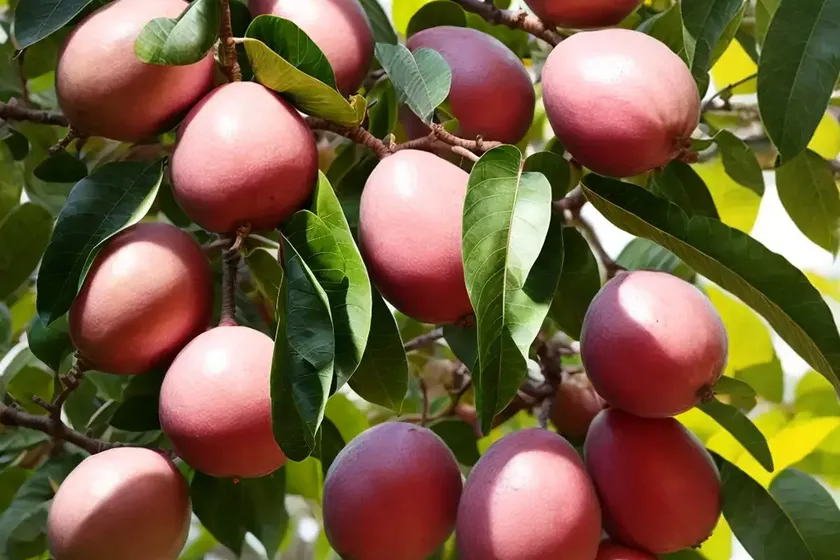
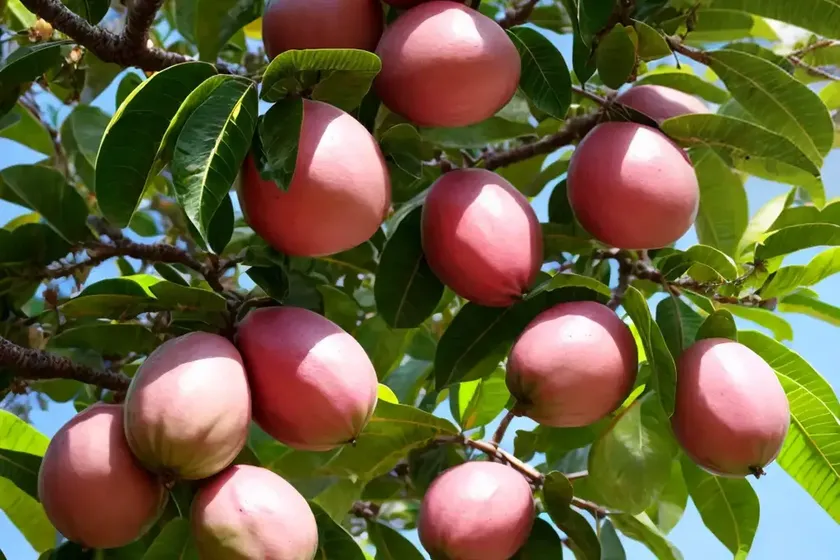
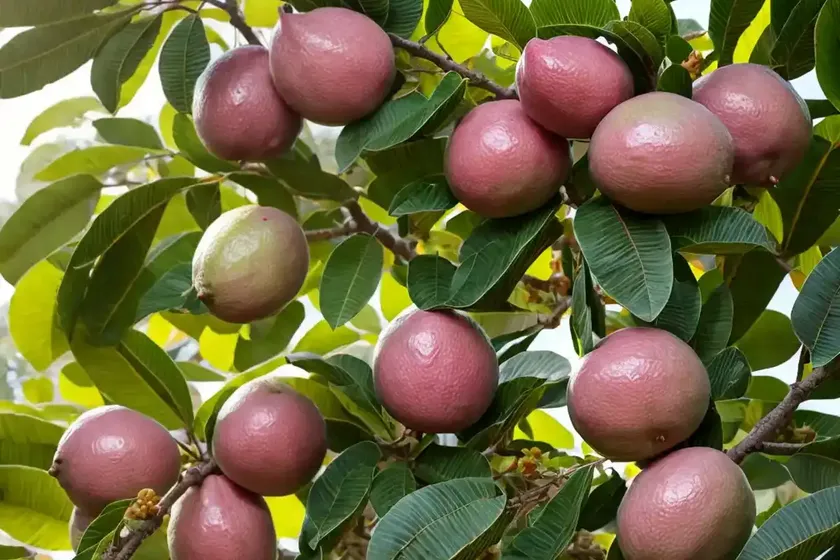
What is a Guava Plant?
The guava plant, scientifically known as Psidium guajava, is a small tree belonging to the Myrtaceae family. This tropical plant is native to Central America and is now cultivated in many tropical and subtropical regions across the world. Guava is highly valued for its delicious and nutritious fruits and has been used for various culinary, medicinal, and ornamental purposes.
The guava plant is known for its versatility; it can be grown in orchards, home gardens, and even in containers. Its fruits are rich in essential nutrients and offer numerous health benefits. Additionally, guava leaves, bark, and roots are also utilized in traditional medicine for their therapeutic properties.
In this comprehensive guide, we will delve into the various aspects of the guava plant, including its cultivation, uses, care tips, common diseases and pests, and much more.
Key Takeaways – Guava Plant (Psidium)
Before we explore the intricacies of guava plant care and cultivation, let’s take a quick look at the key takeaways:
- Plant Name: Guava Plant (Psidium guajava)
Culture
- The guava plant thrives in tropical and subtropical climates.
- It is well-suited for planting in areas with full sun and well-drained soil.
- Regular pruning can help maintain the plant’s shape and promote better fruit production.
Uses
- The fruits of the guava plant are consumed fresh and are also used in the preparation of juices, jams, and preserves.
- Guava leaves are used to brew tea and are known for their medicinal properties.
- The wood of the guava plant is used for making utensils and tools.
Water
- Guava plants require regular watering, especially during the dry season.
- However, it is essential to avoid waterlogging, as excess moisture can lead to root rot.
Sunlight
- The guava plant thrives in full sun and requires at least 6 to 8 hours of sunlight daily for optimal growth and fruit production.
Fertilizer
- Guava plants benefit from regular applications of balanced fertilizer, particularly during the growing season.
- Organic fertilizers rich in nitrogen, phosphorus, and potassium are ideal for promoting healthy growth and fruit development.
Soil
- Well-drained, loamy soil with a slightly acidic to neutral pH is ideal for guava plant cultivation.
- Ensure that the soil is rich in organic matter and has good aeration for the best results.
Pruning
- Regular pruning helps improve air circulation, sunlight penetration, and overall plant shape.
- Remove damaged, diseased, or crowded branches to maintain plant health and productivity.
Propagation
- Guava plants can be propagated through seeds, cuttings, or air layering.
- Propagation through cuttings is preferred to maintain the desired characteristics of the parent plant.
Container Popularity
- Guava plants are popular choices for container gardening, especially in regions with limited space or non-ideal climates.
- Select dwarf or miniature guava varieties for container cultivation.
Container Common Diseases
- Guava plants in containers are susceptible to diseases such as anthracnose and powdery mildew.
- Proper sanitation and regular monitoring can help prevent and manage these diseases.
Disease Diagnosis
- Guava plants may be affected by diseases like bacterial and fungal infections, which can cause leaf spots, wilting, and fruit rot.
- Timely diagnosis and appropriate disease management practices are crucial for maintaining plant health.
Common Pests
- Common pests that affect guava plants include fruit flies, scale insects, and aphids.
- Regular inspection and the use of organic pest control methods can effectively manage pest infestations.
Botanist’s Tips
- Select suitable guava plant varieties based on your climate and space availability.
- Ensure adequate sunlight, water, and nutrients for healthy and productive guava plants.
- Monitor the plants regularly for signs of diseases and pests, and take prompt action when necessary.
Fun Facts
- Guava is considered one of the most nutritious fruits due to its rich content of vitamins, fiber, and antioxidants.
- The guava plant is known for its adaptability to diverse environmental conditions, making it a resilient choice for cultivation.
Now that we have covered the key takeaways, let’s delve deeper into each aspect of growing and caring for the guava plant.
Guava Plant (Psidium) Cultivation
Selecting Suitable Growing Conditions
When cultivating guava plants, it is crucial to consider the environmental conditions that are conducive to their growth and fruit production. Here are some essential factors to keep in mind:
- Climate: Guava plants thrive in tropical and subtropical climates. They are sensitive to frost and temperatures below 25°F (-4°C). Thus, they are best suited for regions with mild winters and warm, humid summers.
- Soil: Well-drained, loamy soil with a slightly acidic to neutral pH (6.5–7.0) is ideal for guava plant cultivation. Additionally, the soil should be rich in organic matter and have good aeration to support healthy root development.
Planting Guava Trees
Sunlight Requirements
Guava plants require full sun to thrive and produce high-quality fruits. When selecting a site for planting, ensure that it receives at least 6 to 8 hours of sunlight daily. Insufficient sunlight can result in reduced fruit production and lower fruit quality.
Watering Guidelines
Proper watering is essential for the healthy growth of guava plants. While they are relatively drought-tolerant, regular and adequate watering is crucial, particularly during periods of low rainfall or dry seasons. However, it is important to avoid overwatering, as excessive moisture can lead to root rot and other issues.
Fertilization Practices
To support the growth and fruiting of guava plants, it is recommended to apply balanced fertilizers regularly. During the growing season, fertilize the plants every 4-6 weeks using a balanced fertilizer with a higher nitrogen content. Additionally, incorporating organic fertilizers, such as compost and well-rotted manure, can further enhance soil fertility and plant health.
Guava Plant (Psidium) Varieties
Guava plants are available in various varieties, each with unique characteristics and qualities. When selecting a guava plant variety for cultivation, consider factors such as fruit flavor, size, and adaptability to local climate conditions. Some popular guava plant varieties include:
- Red Malaysian: This variety is known for its sweet flavor and reddish pulp. It is a high-yielding variety and is well-suited for both fresh consumption and processing into juices and jams.
- White Indian: The fruits of this variety are characterized by their white flesh and a distinct, sweet fragrance. They are often used for making jellies and preserves.
- Pink Supreme: Pink Supreme guava fruits are large, with a pleasant aroma and sweet taste. This variety is favored for its juicy, pink-colored flesh and is ideal for fresh consumption.
- Tropical Yellow: As the name suggests, this variety produces yellow-skinned fruits with a sweet, tropical flavor. It is a popular choice for making tropical-flavored juices and beverages.
Selecting the right guava plant variety is crucial for successful cultivation and obtaining high-quality fruits. Consider consulting with local horticultural experts or nurseries to choose varieties that are well-suited to your specific growing conditions.
Guava Plant Care Tips
Pruning Techniques
Pruning is an essential aspect of guava plant care, as it helps maintain plant health, shape, and productivity. Here are some key pruning techniques for guava plants:
-
Thinning the Canopy: Regularly thin out the branches and foliage to improve air circulation and sunlight penetration. This practice helps reduce the risk of fungal diseases and ensures even fruit ripening.
-
Removing Suckers: Guava plants often produce suckers or water sprouts that should be promptly removed to direct the plant’s energy towards fruit production and overall growth.
-
Heading Back: Periodically heading back the branches promotes branching, which can lead to increased fruiting sites and improved fruit quality.
-
Removing Diseased or Damaged Branches: Identify and remove any diseased, damaged, or dead branches to prevent the spread of diseases and maintain plant vigor.
Proper pruning not only promotes the health and productivity of guava plants but also helps in shaping them for better aesthetics and ease of maintenance.
Guava Plant Propagation Methods
Guava plants can be propagated through various methods, including:
-
Seeds: While guava plants can be grown from seeds, it is important to note that the resulting plants may not retain the exact characteristics of their parent plants. However, seed propagation can be an economical option for obtaining new guava plant varieties.
-
Cuttings: Propagation through cuttings is a popular method to ensure that the new plants inherit the desired traits from the parent plant. Select healthy and semi-hardwood cuttings for propagation, and provide them with the ideal growing conditions to encourage root development.
-
Air Layering: This method involves inducing roots to form on a stem while it is still attached to the parent plant. Once the roots have developed, the stem can be severed and planted as a new guava plant.
Propagation through cuttings is generally preferred for guaranteeing the retention of desired traits and ensuring the uniformity of the new plants.
Guava Plant in Container Gardening
Guava plants are well-suited for container gardening, making them a suitable choice for individuals with limited garden space or those living in non-tropical regions. When growing guava plants in containers, consider the following tips:
-
Container Selection: Choose large and sturdy containers with adequate drainage holes to prevent waterlogging and ensure proper root development.
-
Soil Mix: Use a well-draining potting mix that is rich in organic matter and provides good aeration. Avoid compacted or heavy soils that can impede root growth.
-
Sunlight: Position the containers in a location that receives ample sunlight, such as a sunny patio or deck. Ensure that the plants receive the required 6 to 8 hours of sunlight daily.
-
Watering: Container-grown guava plants may require more frequent watering, especially during hot and dry periods. Monitor the moisture level of the soil and water the plants as needed to keep the soil evenly moist.
-
Pruning: Regularly prune container-grown guava plants to maintain their shape, promote airflow, and manage their size to suit the available space.
Guava Plant Diseases and Pest Management
Common Diseases
Guava plants are susceptible to various diseases, including fungal, bacterial, and viral infections. Here are some common diseases that may affect guava plants:
-
Anthracnose: This fungal disease causes dark, sunken lesions on the fruits, leaves, and shoots of the guava plant. It can lead to fruit rot and defoliation if left unmanaged.
-
Powdery Mildew: Powdery mildew appears as a white, powdery growth on the leaves and shoots of the guava plant. It can hinder photosynthesis and weaken the plant if not controlled.
-
Bacterial Blight: Bacterial blight manifests as water-soaked lesions on the leaves, which may later turn brown and lead to leaf drop. Infected fruits may also display sunken spots and decay.
Disease Diagnosis and Treatment
Early diagnosis of diseases is crucial for effective management and prevention of further spread. When observing symptoms of disease in guava plants, consider the following steps:
-
Visual Inspection: Regularly inspect the leaves, stems, and fruits for any signs of irregularities, including spots, lesions, discoloration, or wilting.
-
Consultation with Experts: Seek advice from horticultural experts or plant pathologists to accurately diagnose the specific disease affecting the guava plants and develop a targeted treatment plan.
-
Cultural Practices: Implement cultural practices such as proper sanitation, adequate spacing, and good air circulation to reduce the risk of disease development and spread.
-
Organic Treatments: Utilize organic disease control methods, such as neem oil, copper-based fungicides, and biopesticides, to manage fungal and bacterial infections effectively.
Common Pests
Guava plants are vulnerable to attack by various pests that can cause damage to the foliage, fruits, and overall plant vigor. Some common pests that affect guava plants include:
-
Fruit Flies: Fruit flies can infest guava fruits, leading to premature fruit drop and reduced fruit quality. Effective monitoring and control measures are essential to manage fruit fly infestations.
-
Scale Insects: Scale insects can feed on the sap of guava plants, leading to yellowing of leaves, stunted growth, and the development of sticky honeydew on the leaves.
-
Aphids: Aphids can cluster on the young shoots and leaves of guava plants, causing distortion of new growth and the transmission of plant viruses.
Pest Control Measures
Effective pest management is essential to protect guava plants from damage and maintain their overall health. Consider the following pest control measures for guava plants:
-
Monitoring: Regularly monitor the plants for signs of pest infestations, including distorted foliage, sticky honeydew, and unusual discoloration.
-
Natural Predators: Encourage the presence of natural predators such as ladybugs, lacewings, and predatory wasps, which can help control aphid and scale insect populations.
-
Biological Controls: Utilize biological control agents, such as beneficial nematodes and parasitic wasps, to manage pest populations in a natural and sustainable manner.
-
Organic Sprays: Apply organic sprays, such as insecticidal soaps, neem oil, and horticultural oils, to target pests while minimizing harm to beneficial insects and the environment.
By implementing integrated pest management practices, it is possible to effectively manage pests while minimizing the reliance on chemical treatments.
Guava Plant Uses and Benefits
Culinary Uses
Guava fruits are highly versatile and find numerous applications in culinary preparations. Some common culinary uses of guava include:
-
Fresh Consumption: The ripe, juicy guava fruits are enjoyed fresh, offering a delightful blend of sweetness and tanginess.
-
Juices and Smoothies: Guava fruits are commonly juiced or blended into smoothies, providing a refreshing and nutrient-dense beverage option.
-
Jams and Preserves: The high pectin content of guava makes it an excellent choice for making jams, jellies, and fruit preserves.
-
Desserts and Baked Goods: Guava fruits can be utilized in desserts, pastries, and baked goods, adding a distinct tropical flavor.
Medicinal Properties
The guava plant possesses various medicinal properties and is used in traditional medicine for the treatment of diverse health conditions. Some of the medicinal properties and uses of guava include:
-
Digestive Health: Guava fruits and leaves are known for their digestive benefits and are used to alleviate gastrointestinal discomfort and promote healthy digestion.
-
Immune-Boosting Properties: Guava is rich in vitamin C and antioxidants, which help support immune function and protect the body from oxidative stress.
-
Heart Health: The high potassium content of guava contributes to heart health by regulating blood pressure and supporting cardiovascular function.
-
Antioxidant Effects: The phytochemicals present in guava exhibit potent antioxidant effects, aiding in the neutralization of free radicals and reducing oxidative damage to the body.
-
Anti-Inflammatory Properties: Guava leaves and extracts possess anti-inflammatory properties, offering relief from inflammation-related conditions.
-
Weight Management: The high fiber content of guava aids in promoting satiety and supporting weight management goals.
Beauty and Wellness
In addition to its culinary and medicinal uses, the guava plant offers benefits for beauty and wellness. Some of the beauty and wellness applications of guava include:
-
Hair Care: Guava leaf extracts are used in hair care products to support scalp health and promote lustrous, healthy hair.
-
Skincare: Guava extracts and oils are utilized in skincare formulations for their moisturizing, nourishing, and revitalizing effects on the skin.
-
Oral Health: The antimicrobial properties of guava leaves contribute to oral health, and guava leaf tea is used to promote oral hygiene.
-
Detoxification: Guava leaves and fruit extracts support detoxification processes in the body, aiding in the elimination of toxins and metabolic waste products.
-
Aphrodisiac Properties: In some traditional practices, guava is believed to possess aphrodisiac properties, contributing to its use in certain wellness formulations.
The diverse uses and benefits of the guava plant underscore its significance as a valuable resource for culinary, medicinal, and wellness purposes.
Guava Plant and its Role in Biodiversity
The guava plant plays a crucial role in supporting biodiversity and ecological balance, offering various ecological and environmental benefits:
-
Habitat and Food Source: Guava plants provide habitat and food for native wildlife, including birds, insects, and small mammals, contributing to local biodiversity.
-
Pollinator Support: The flowers of the guava plant attract pollinators such as bees, butterflies, and birds, fostering pollination and the reproduction of other plant species in the ecosystem.
-
Soil Conservation: The deep-reaching roots of guava plants aid in stabilizing soil, preventing erosion, and promoting soil health in the surrounding environment.
-
Carbon Sequestration: Like other plants, guava contributes to the sequestration of carbon dioxide from the atmosphere, playing a role in mitigating climate change.
-
Ecological Balance: Guava plants contribute to ecological balance by providing ecosystem services and supporting the overall health and resilience of natural habitats.
By recognizing and preserving the ecological value of guava plants, we can contribute to sustaining healthy ecosystems and conserving biodiversity.
Guava Plant: Links to External Resources
For more in-depth information on guava plant (Psidium) cultivation, varieties, and uses, refer to the following external resources:
- Guava Plant – University of Florida IFAS Extension
- Growing Guava in the Home Garden – University of California Agriculture and Natural Resources
- Medicinal and Nutritional Role of Guava – National Institutes of Health
- Guava Plant Diseases and Management – Food and Agriculture Organization of the United Nations
These resources provide comprehensive insights into guava plant cultivation, disease management, nutritional benefits, and ecological significance, serving as valuable references for further exploration.
In conclusion, the guava plant (Psidium) stands as a remarkable example of a versatile and valuable plant species, offering a wealth of benefits across various domains, including culinary, medicinal, ecological, and cultural realms. By understanding and appreciating the diverse attributes of the guava plant, we can harness its potential while contributing to sustainable practices and the conservation of its inherent value within the natural world.


