Common Guava (Psidium Guajava)
The common guava, scientifically known as Psidium guajava, is a tropical fruit tree that belongs to the family Myrtaceae. It is native to Central America.
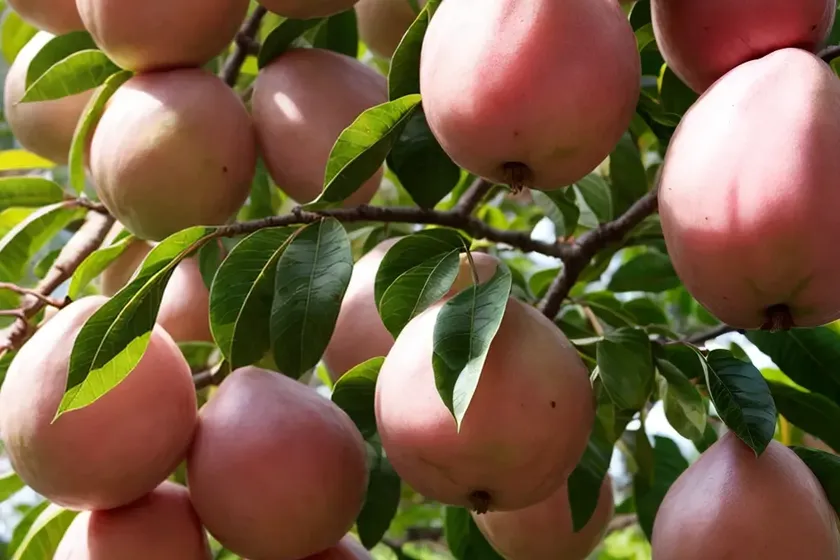
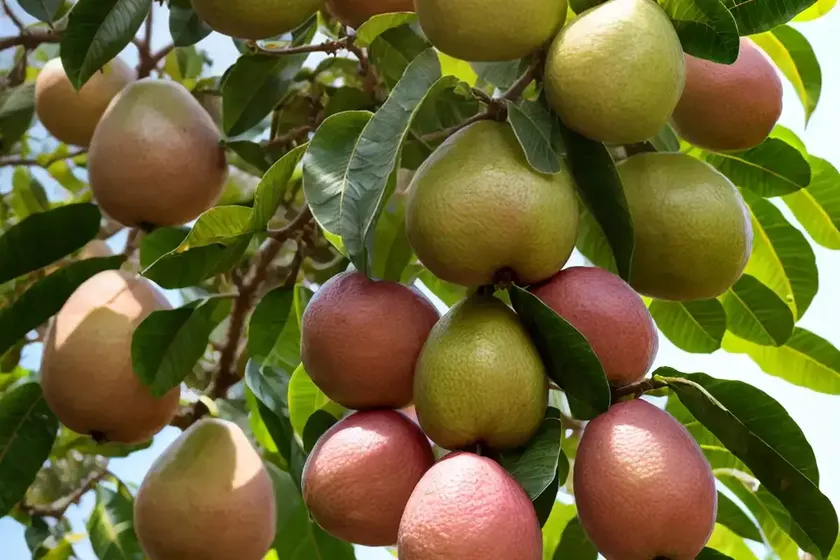
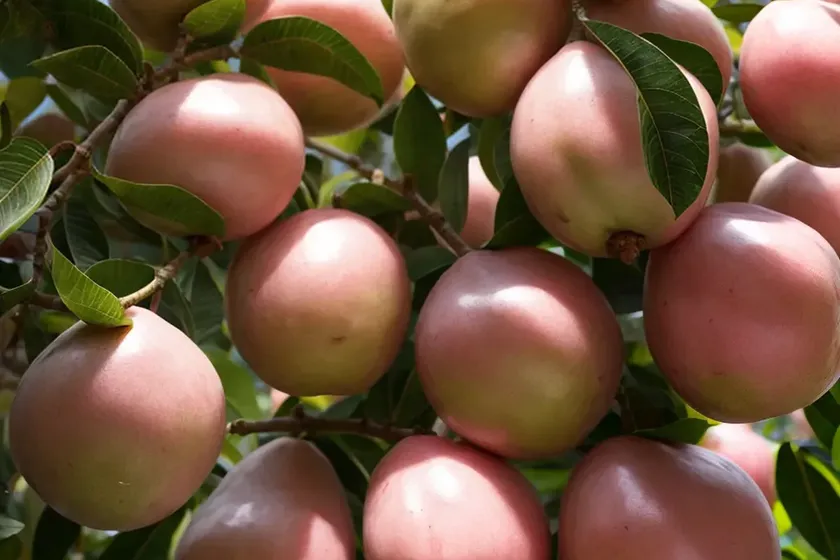
The common guava, scientifically known as Psidium guajava, is a tropical fruit tree that belongs to the family Myrtaceae. It is native to Central America, but it is now cultivated and distributed in tropical and subtropical regions worldwide. The guava tree is highly valued for its delicious fruits, as well as for its ornamental and medicinal properties. In this comprehensive guide, we will explore various aspects of the common guava, including its cultural requirements, uses, propagation, maintenance, common diseases, and pests, along with some interesting fun facts and useful tips for growing and caring for this remarkable plant.
What is Common Guava (Psidium Guajava)?
The common guava, synonymous with Psidium guajava, is a small to medium-sized evergreen tree, typically reaching a height of 6 to 20 feet. It is characterized by its round or oval-shaped fruits, with smooth greenish yellow skin and pink or white flesh containing edible seeds. The fruits emit a strong, sweet, and unique fragrance, and they are widely renowned for their distinctive flavor, which is both sweet and tangy.
Key Takeaways – Common Guava (Psidium Guajava)
Before delving into the specific aspects of the common guava, let’s highlight some key takeaways about this fascinating plant:
- Scientific Name: Psidium guajava
- Family: Myrtaceae
- Common Names: Common guava, yellow guava, lemon guava
- Native to: Central America
- Cultural Significance: Highly valued for its delicious fruits and medicinal properties
- Growth Habits: Small to medium-sized evergreen tree with round or oval-shaped fruits
- Popular Uses: Fresh consumption, juicing, jams, jellies, desserts, and medicinal preparations
Now, let’s explore the various aspects of growing and caring for the common guava, including its cultural requirements, uses, propagation techniques, maintenance, and dealing with common diseases and pests.
Culture
The successful cultivation of common guava depends on providing the optimal growing conditions to ensure vigorous growth and abundant fruit production. Understanding the cultural requirements of the plant is essential for achieving the best results.
Water
Common guava plants thrive in well-draining soil, and they require consistent moisture to support healthy growth and fruit development. While they can tolerate short periods of drought, it is crucial to provide regular irrigation, especially during dry spells and when the fruits are forming. However, it’s important to avoid overwatering, as excessive moisture can lead to root rot and other water-related issues.
Sunlight
As tropical fruit trees, common guavas thrive in warm, sunny locations with full sun exposure. They require at least 6 to 8 hours of direct sunlight daily to promote robust growth, flowering, and fruiting. Insufficient sunlight can result in poor fruit development and a decline in overall plant health.
Fertilizer
Proper nutrition is essential for the healthy growth and fruiting of common guava trees. Fertilize young guava trees every 2-3 months during the growing season with a balanced fertilizer containing nitrogen, phosphorus, and potassium. Mature trees benefit from annual applications of organic matter such as compost or well-rotted manure applied in early spring.
Soil
The common guava thrives in well-draining, slightly acidic to neutral soil with a pH range of 5.0 to 7.0. Sandy loam or loamy soils with good fertility and aeration are ideal for robust growth and fruit production. It’s important to avoid waterlogged or compacted soils, as they can inhibit root development and lead to various issues.
Pruning
Regular pruning is essential to maintain the shape, size, and overall health of common guava trees. Pruning should be done after the fruiting season to remove dead, damaged, or overcrowded branches, as well as to promote air circulation and light penetration within the canopy. Additionally, pruning can help manage the size of the tree for easier maintenance and harvesting.
Propagation
Common guava plants can be propagated through various methods, including seeds, cuttings, and air layering. However, the most common and successful method is through seeds and softwood cuttings.
-
Propagation from Seeds: Collect fresh guava seeds from ripe fruits and sow them in well-draining seed-starting mix. Keep the soil consistently moist and provide warmth and indirect sunlight for germination. Transplant the seedlings into individual pots once they develop several true leaves.
-
Propagation from Cuttings: Take softwood cuttings from the healthy, young shoots of a guava tree. Remove the lower leaves and dip the cut end in a rooting hormone to encourage root formation. Plant the cuttings in a well-draining rooting medium and maintain high humidity and warmth for successful root development.
Container Popularity
Common guava trees are popular choices for container gardening, particularly in regions where the climate is not suitable for outdoor cultivation. Growing guava in containers allows enthusiasts to enjoy the beauty and fruits of the tree on patios, balconies, or indoors.
Container Growing Tips:
- Choose a large, sturdy container with adequate drainage holes to accommodate the growing root system of guava.
- Use a well-draining potting mix formulated for fruit trees, and top-dress with compost annually for additional nutrients.
- Position the container in a sunny location, and rotate it regularly to ensure even exposure to sunlight.
- Water the guava tree thoroughly when the top inch of the soil feels dry, and avoid waterlogging the container.
Common Diseases
Like all plants, common guava is susceptible to certain diseases that can impact its growth and fruit production. Understanding these diseases and their management is essential for maintaining the overall health of guava trees.
Disease Diagnosis
Anthracnose (Colletotrichum gloeosporioides): Anthracnose is a common fungal disease that affects guava trees, causing dark lesions on leaves, stems, and fruits. The affected parts may develop sunken, water-soaked areas, leading to fruit rot and defoliation.
Management: To manage anthracnose, remove and destroy infected plant material, and apply copper-based fungicides as a preventive measure during periods of high humidity.
Powdery Mildew (Podosphaera xanthii): Powdery mildew appears as a white, powdery coating on the leaves, stems, and fruits of guava trees. It can hinder photosynthesis and weaken the plant’s vigor.
Management: Improve air circulation around the tree, prune overcrowded branches, and apply sulfur-based fungicides to control powdery mildew.
Common Pests
Fruit Flies (Anastrepha spp.): Fruit flies are major pests of guava trees, targeting the ripening fruits. The female flies lay eggs under the fruit skin, and the hatched larvae feed on the pulp, leading to premature fruit drop and reduced quality.
Management: To manage fruit flies, use pheromone traps, practice proper sanitation by removing fallen fruits, and consider organic insecticidal sprays if the infestation is severe.
Scale Insects (Coccoidea): Scale insects are common pests that attach themselves to the stems and leaves of guava trees, feeding on the plant sap and causing yellowing, wilting, and stunted growth.
Management: Control scale insects by manually removing them with a soft brush, spraying the tree with horticultural oil, or introducing natural predators such as ladybugs and parasitic wasps.
Botanist’s Tips
As a plant scientist, I recommend the following tips for growing and caring for common guava (Psidium guajava) to achieve optimal results:
- Select a suitable planting site with well-draining soil and full sun exposure for vigorous growth and abundant fruiting.
- Regularly inspect the leaves, stems, and fruits for signs of disease or pest infestation, and take appropriate measures for management.
- Prune the tree annually to remove dead or diseased branches, improve air circulation, and maintain a healthy structure.
- Propagate guava plants from seeds or cuttings to expand your orchard or share the joy of growing guavas with friends and family.
Fun Facts
Now let’s uncover some fascinating and fun facts about common guava that highlight its rich cultural significance and appeal to enthusiasts and growers:
- Guava leaves are valued for their medicinal properties and are often used to make herbal teas and infusions believed to offer various health benefits.
- The wood of guava trees is used for crafting tool handles, furniture, and decorative items due to its strength and natural beauty.
- Guavas are rich in vitamin C, dietary fiber, and antioxidants, making them a nutritious addition to a balanced diet.
Links to External Resources
To further expand your knowledge and explore the world of common guava (Psidium guajava), here are some valuable external resources for additional information:
- Guava: Production in Central America
- Guava Cultivation and Pest Management
- Medicinal Properties of Guava Leaves
With the information provided in this comprehensive guide, you are equipped with valuable insights into the cultural requirements, uses, propagation, maintenance, and management of common guava (Psidium guajava). Whether you are a seasoned grower or a budding enthusiast, the allure of growing, caring for, and savoring the delightful fruits of the common guava is truly captivating. Happy gardening!


