Plant Scientist’s Guide to Vitis ‘V-256’ VIDAL BLANC Grape
Introduction to Vitis ‘V-256’ VIDAL BLANC Grape
Vitis ‘V-256’ VIDAL BLANC, commonly known as Vidal Blanc, is a variety of grape that is a cross between Ugni blanc and Rayon d’Or. This grape variety is known for its versatility, disease resistance, and suitability for winemaking. In this comprehensive guide, we will explore the characteristics, cultivation techniques, uses, and benefits of the Vitis ‘V-256’ VIDAL BLANC grape.
Key Takeaways – Vitis ‘V-256’ VIDAL BLANC Grape
- Vitis ‘V-256’ VIDAL BLANC grape is a highly versatile and disease-resistant variety, making it suitable for various cultivation environments.
- This grape variety is widely used in winemaking, known for producing high-quality white wines with distinct flavors and aromas.
- Cultivating Vitis ‘V-256’ VIDAL BLANC grape requires attention to specific soil and water requirements, as well as sunlight and pruning techniques.
Plant Description
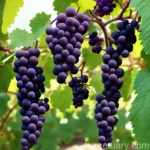
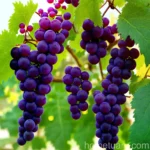
Vitis ‘V-256’ VIDAL BLANC grape is a white grape variety with medium-sized, compact clusters. The berries are round and of medium size, known for their thick skins and high sugar content. This grape variety is characterized by its vigorous growth and adaptability to various soil and climate conditions.
Vidal Blanc Grape Cultivar Characteristics
The Vitis ‘V-256’ VIDAL BLANC grape cultivar is known for the following key characteristics:
– Vigorous growth
– Medium-sized, compact clusters
– Round berries with thick skins
– High sugar content
– Disease resistance
Cultivation of Vitis ‘V-256’ VIDAL BLANC Grape
Water
The Vitis ‘V-256’ VIDAL BLANC grape requires moderate water availability, especially during the growing season and fruit development. Adequate irrigation is essential to ensure the proper hydration of the vines and the development of high-quality grapes.
Sunlight
For optimal growth and grape development, Vitis ‘V-256’ VIDAL BLANC requires full sun exposure. Adequate sunlight promotes photosynthesis and the accumulation of sugars in the berries, contributing to the overall quality of the grapes.
Soil
The ideal soil for cultivating Vitis ‘V-256’ VIDAL BLANC grape is well-draining loamy soil with a slightly acidic to neutral pH. It is important to ensure good soil structure and fertility to support the vigorous growth and nutrient uptake of the grapevines.
Fertilizer
Applying balanced fertilizers that provide essential nutrients such as nitrogen, phosphorus, and potassium is important for the healthy growth and fruit production of Vitis ‘V-256’ VIDAL BLANC grapevines. Soil testing and careful fertilization practices help maintain the nutritional balance in the vineyard.
Pruning Techniques
Pruning is a crucial aspect of grapevine management, and Vitis ‘V-256’ VIDAL BLANC grapevines require regular pruning to optimize fruit yield and quality. Proper pruning techniques involve the removal of excess shoots and leaves to promote air circulation and sunlight penetration within the canopy.
Pruning Schedule
The pruning schedule for Vitis ‘V-256’ VIDAL BLANC grapevines typically involves winter pruning to remove old wood and shape the vines for the upcoming growing season. Additionally, summer pruning may be necessary to control canopy growth and enhance fruit ripening.
Disease-Resistant Vidal Blanc Grape
One of the notable characteristics of Vitis ‘V-256’ VIDAL BLANC grape is its natural resistance to certain fungal diseases such as powdery mildew and downy mildew. This disease resistance contributes to the overall ease of cultivation and reduces the reliance on chemical interventions for disease management.
Propagation Methods
Vitis ‘V-256’ VIDAL BLANC grape can be propagated through various methods, including:
– Grafting onto rootstocks
– Softwood or hardwood cuttings
– Layering techniques
Each propagation method has its specific requirements and considerations, aiming to produce healthy and genetically identical grapevines.
Container Cultivation
While Vitis ‘V-256’ VIDAL BLANC grape is commonly grown in vineyards, it is also suitable for container cultivation, especially in regions with limited space or specific climatic conditions.
Container Requirements
When cultivating Vitis ‘V-256’ VIDAL BLANC grape in containers, certain considerations should be taken into account, including:
– Selecting large, sturdy containers with proper drainage
– Providing adequate support for the growing vines
– Monitoring water and nutrient levels to meet the grapevine’s requirements
Popularity and Common Uses
Vitis ‘V-256’ VIDAL BLANC grape is popularly used for winemaking, particularly in the production of white wines. The high sugar content and balanced acidity of the grapes contribute to the creation of various wine styles, including dry, off-dry, and sweet wines.
Common Diseases and Disease Diagnosis
While Vitis ‘V-256’ VIDAL BLANC grape is known for its disease resistance, there are still potential risks of encountering certain grapevine diseases, including:
– Powdery mildew
– Downy mildew
– Botrytis bunch rot
Disease Diagnosis
Periodic monitoring and scouting of grapevines are essential for early detection of any disease symptoms. Visual inspection, as well as laboratory testing if necessary, can aid in the accurate diagnosis of grapevine diseases.
Common Pests and Pest Management
Vitis ‘V-256’ VIDAL BLANC grape may be susceptible to various pests, including grapevine phylloxera, grape berry moth, and Japanese beetles. Implementing integrated pest management practices, including cultural, biological, and chemical control methods, can help mitigate pest infestations and minimize crop damage.
Botanist’s Tips for Growing Vitis ‘V-256’ VIDAL BLANC Grape
As a plant scientist, here are some essential tips for successfully growing Vitis ‘V-256’ VIDAL BLANC grape:
1. Provide a well-draining and fertile soil environment for the grapevines.
2. Perform regular monitoring for signs of diseases and pests to take proactive measures.
3. Implement proper pruning and canopy management techniques to optimize grape quality.
4. Consider the specific climate and growing conditions in your region when planning the vineyard or grape cultivation.
Fun Facts about Vitis ‘V-256’ VIDAL BLANC Grape
- Vidal Blanc grape is known for its adaptability to diverse climates and is cultivated in regions ranging from cool to warm climates.
- The high sugar content of the grapes makes them favorable for dessert wines and late-harvest wine styles.
- Vitis ‘V-256’ VIDAL BLANC grapevines are known for their vigorous growth, often requiring sturdy trellising systems for support.
Links to External Resources
For further information and detailed insights about Vitis ‘V-256’ VIDAL BLANC grape cultivation, characteristics, and uses, refer to the following resources:
-
Vitis ‘V-256’ VIDAL BLANC Grape Profile by Cornell University
-
Viticulture and Enology at the University of California, Davis
In conclusion, Vitis ‘V-256’ VIDAL BLANC grape is a remarkable grape variety with versatile uses, disease resistance, and potential for producing high-quality wines. By understanding the cultivation requirements, disease management strategies, and the unique characteristics of this grape cultivar, growers can successfully cultivate and harness the potential of Vitis ‘V-256’ VIDAL BLANC grape in their vineyards and winemaking endeavors.