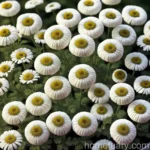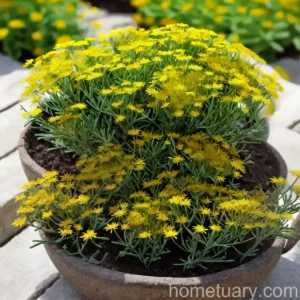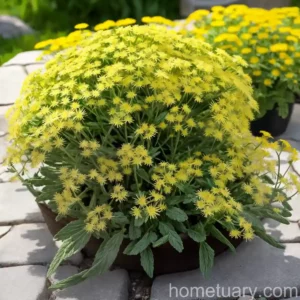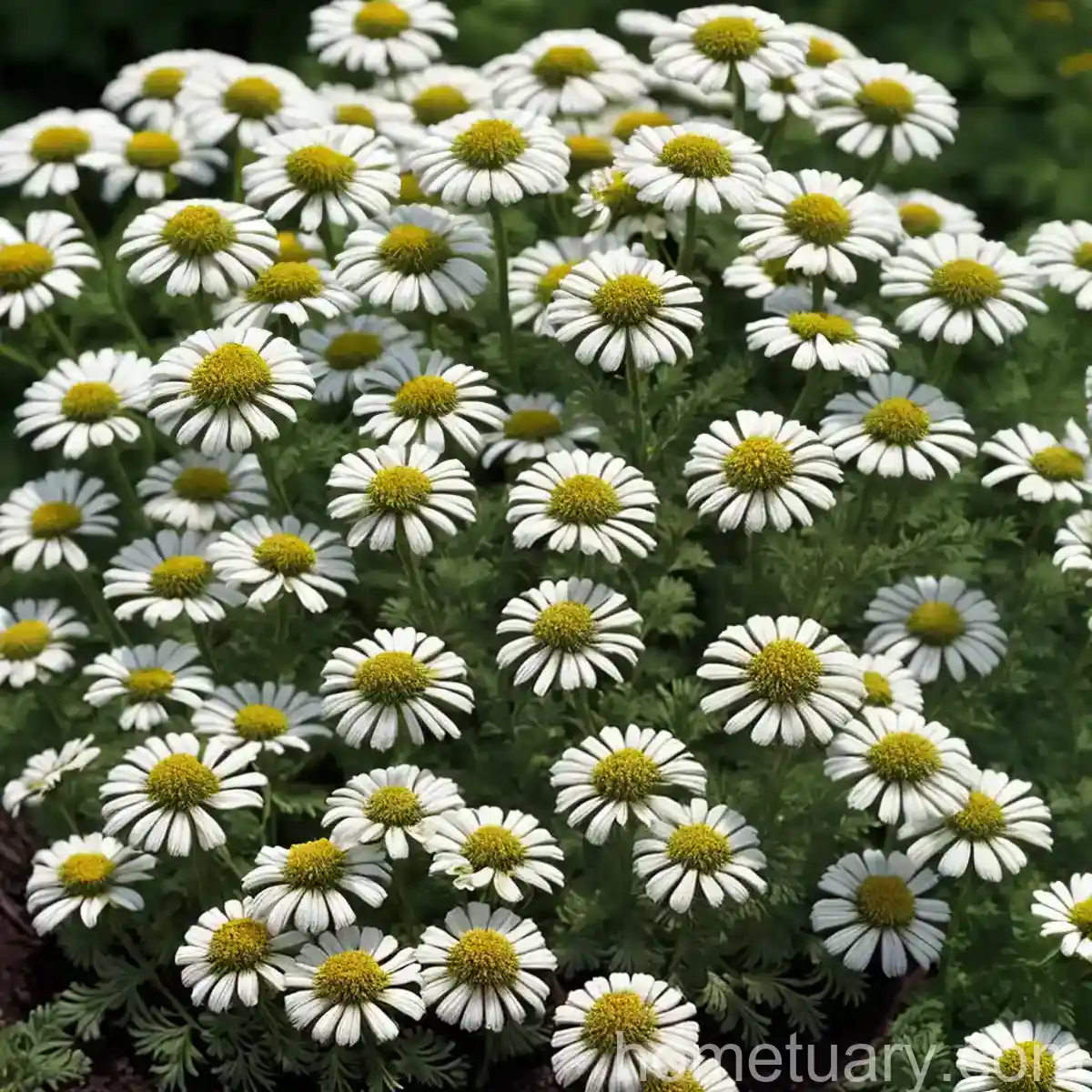
Feverfew (Tanacetum parthenium ‘Aureum’)
Feverfew (Tanacetum parthenium ‘Aureum’) is a delightful and useful plant that has been cherished for centuries due to its medicinal properties and decorative features. This blog post aims to explore the fascinating world of feverfew, from its cultivation and uses to its folklore and historical significance.
What is Feverfew?
Feverfew, scientifically known as Tanacetum parthenium, is a flowering plant belonging to the Asteraceae family. It is native to Europe, specifically the Balkan Peninsula, but has been naturalized in various other regions, including North America. The name “feverfew” is believed to be derived from the Latin word febrifugia, which translates to “fever reducer,” alluding to the plant’s traditional use as a remedy for fevers.
The ‘Aureum’ cultivar is particularly prized for its striking golden foliage, adding a touch of warmth and radiance to gardens and landscapes. Beyond its ornamental appeal, feverfew is valued for its medicinal attributes, making it a versatile and beneficial addition to any herb garden or natural remedies collection.
Key Takeaways – Feverfew (Tanacetum parthenium ‘Aureum’)
Before delving into the various aspects of feverfew care and usage, let’s summarize the key takeaways related to this captivating plant:
Culture
- Perennial herb with golden foliage
- Historically used for medicinal purposes
- Tolerant of various growing conditions
Uses
- Medicinal applications for various health conditions
- Decorative purposes in gardens and floral arrangements
Water
- Moderate watering needs
- Well-draining soil to prevent waterlogging
Sunlight
- Thrives in full sun to partial shade
- Requires adequate sunlight for optimal growth
Fertilizer
- Minimal fertilizer requirements
- Organic compost application in spring
Soil
- Prefers well-draining, moderately fertile soil
- Suitable for various soil types
Pruning
- Regular deadheading for prolonged blooming
- Trim back to maintain shape and prevent self-seeding
Propagation
- Easily propagated from seeds or divisions
- Best propagated in early spring or fall
Container Popularity
- Well-suited for container cultivation
- Ideal for small gardens and balconies
Common Diseases
- Susceptible to powdery mildew and aphid infestations
- Proper air circulation and maintenance prevent diseases
Disease Diagnosis
- Yellowing or spotted leaves indicate disease
- Stunted growth and wilting are signs of infection
Common Pests
- Prone to aphids, spider mites, and thrips
- Natural predators and insecticidal solutions for pest control
Botanist’s Tips
- Incorporate feverfew into companion planting schemes
- Harvest leaves and flowers for medicinal use at peak potency
Fun Facts
- Has a bitter taste and distinct odor
- Believed to ward off insects and offer protection
Links to External Resources
With these key points in mind, let’s delve deeper into the fascinating world of feverfew, exploring its cultivation, benefits, and more.
Culture
Description
Feverfew, known for its aromatic leaves and daisy-like flowers, is an herbaceous perennial that typically reaches heights of 30-60 cm (12-24 in). The ‘Aureum’ cultivar stands out with its vibrant yellow foliage, creating a stunning visual display. The plant’s aromatic nature, resilience, and medicinal properties have contributed to its enduring popularity among gardeners and herbalists.
Uses
Medicinal Applications
Feverfew has a rich history of medicinal uses, with traditional applications for a wide range of health conditions. Its primary claim to fame is its potential in managing migraine headaches, arthritis, menstrual discomfort, and skin conditions. Furthermore, feverfew has been researched for its potential in alleviating anxiety, insomnia, inflammation, and digestive disorders.
Decorative Purposes
In addition to its medicinal significance, feverfew’s charming blooms and golden foliage make it a sought-after plant for ornamental purposes. Whether used in garden borders, rockeries, or as part of floral arrangements, feverfew adds a touch of brightness and elegance to any setting.
Water
Feverfew’s water needs are relatively undemanding, preferring regular moisture without waterlogging. It thrives in well-draining soil and benefits from consistently moist conditions. However, it is crucial to avoid overwatering, as excessive moisture can lead to root rot and other issues.
Watering Guidelines
- Water deeply when the soil surface is dry to the touch
- Aim for consistent moisture, but not soggy conditions
- Mulching helps retain moisture and minimize water evaporation
Sunlight
Feverfew exhibits a preference for full sun to partial shade, flourishing in locations with ample sunlight. Adequate exposure to sunlight is essential for promoting robust growth and profuse blooming.
Sunlight Requirements
- Plant in locations receiving at least 4-6 hours of direct sunlight daily
- Tolerates partial shade, especially in regions with intense afternoon sun
- Monitor for signs of insufficient light, such as leggy growth or reduced flowering
Fertilizer
Feverfew is not particularly demanding in terms of fertilizer, benefiting from minimal supplementation if the soil is reasonably fertile. Organic compost application in spring provides sufficient nutrients to support healthy growth and blooming.
Fertilization Tips
- Apply a layer of compost around the base of the plant in early spring
- Avoid excessive fertilization, as it can lead to excessive foliage at the expense of flowers
- Regular organic matter incorporation enhances soil fertility and structure over time
Soil
Feverfew thrives in well-draining soil, displaying adaptability to various soil types. It prefers a moderately fertile growing medium, with good aeration and moisture retention capabilities.
Soil Preferences
- Well-draining loamy or sandy soil types are suitable
- Ensure proper drainage to prevent waterlogging
- Soil pH ranging from slightly acidic to slightly alkaline is ideal (pH 6.5-7.5)
Pruning
Regular pruning and deadheading are essential practices to maintain feverfew’s vitality and appearance. Proper pruning encourages prolonged flowering and prevents the plant from becoming unkempt or self-seeding excessively.
Pruning Guidelines
- Remove spent flowers to encourage continuous blooming
- Trim back leggy or overgrown stems to promote bushy growth
- Cut back to ground level in late autumn to tidy up the plant and prevent self-seeding
Propagation
Feverfew can be easily propagated from seeds or divisions, offering gardeners multiple options for expanding their plant collection or sharing with others. Propagation is typically carried out in early spring or fall, utilizing healthy plant material for best results.
Propagation Methods
-
Seed Propagation: Sow seeds indoors in early spring or directly in the garden after the last frost date. Germination typically occurs within 2-3 weeks, and seedlings can be transplanted once established.
-
Division: Divide mature clumps in early spring or fall, ensuring each division has a good root system and sufficient foliage. Replant divisions at the same depth as the parent plant.
Container Popularity
Feverfew’s compact nature and adaptability make it an excellent choice for container cultivation, particularly suitable for individuals with limited garden space or those looking to brighten up their balconies and patios.
Container Gardening Tips
- Choose a well-draining potting mix with added perlite or vermiculite
- Select containers with drainage holes to prevent waterlogging
- Position containers in locations with adequate sunlight and good air circulation
Common Diseases
Like many plants, feverfew is susceptible to certain diseases, with powdery mildew and aphid infestations being among the most common issues encountered by growers.
Disease Susceptibility
-
Powdery Mildew: Recognized by the development of powdery white patches on the leaves, stems, and flowers. It thrives in humid conditions and can be addressed with appropriate fungicidal treatments or cultural practices to enhance air circulation.
-
Aphids: These tiny, sap-sucking insects can distort new growth and cause leaf yellowing. Regular monitoring and insecticidal solutions effectively manage aphid populations.
Disease Diagnosis
Detecting diseases early is crucial in preventing their spread and minimizing damage to the plant. Visual cues such as changes in leaf color, texture, or overall appearance can indicate an underlying issue.
Signs of Disease
-
Leaf Yellowing or Browning: May indicate nutrient deficiencies, fungal infections, or pest damage.
-
Spotted Leaves: Irregular spots or lesions on the foliage can signify fungal infections or bacterial diseases.
-
Stunted Growth and Wilting: Indicative of root rot, waterlogged soil, or severe disease affecting the plant’s vascular system
Common Pests
In addition to diseases, feverfew may attract certain pests that can impact its health and appearance. Aphids, spider mites, and thrips are among the most prevalent pests that gardeners may encounter.
Pest Control Measures
- Attract natural predators such as ladybugs and lacewings to control aphid populations
- Regularly inspect the undersides of leaves for signs of spider mite infestations
- Utilize insecticidal soaps or neem oil to manage thrips and other problematic insects
Botanist’s Tips
Companion Planting
Feverfew harmonizes well with various companion plants, enhancing their growth and providing natural pest deterrent properties. Consider interplanting it with lavender, rosemary, and yarrow to create harmonious garden displays while also benefiting from companion plant interactions.
Harvesting Guidelines
For medicinal use, harvest feverfew leaves and flowers at their peak potency, typically in the early morning when their essential oils are most concentrated. After drying, these plant parts can be used to prepare herbal remedies, teas, or supplements.
Fun Facts
Aromatic Qualities
Feverfew emits a distinct and slightly bitter aroma, which is attributed to its beneficial compounds and aromatic oils. This fragrance, although not universally loved, has contributed to the plant’s historical usage and folklore.
Insect Repellent Tradition
In folklore and traditional beliefs, feverfew was often associated with its ability to repel insects. Its strong aroma and bitter taste were believed to safeguard against unwanted pests, making it a popular choice in gardens and homes.
Now that we have explored the cultural aspects of feverfew and gained insights into its growth requirements and maintenance, let’s further unravel the plant’s rich history, traditional uses, and contemporary relevance.
Links to External Resources
These resources provide valuable information on feverfew cultivation, medicinal properties, and historical significance, offering a comprehensive understanding of this remarkable plant.
Stay tuned for the upcoming sections as we delve into the diverse uses of feverfew, its botanical characteristics, and its intriguing role in traditional medicine and folklore.
In the next section, we will explore feverfew’s diverse uses, including its extensive medicinal applications and roles in traditional remedies. We will also delve into the botanical characteristics of this fascinating plant and its historical significance.
Continued in Part 2…