The Gloxinia Plant (Sinningia speciosa): A Comprehensive Guide
Welcome to the comprehensive guide about the beautiful and unique Gloxinia plant, scientifically known as Sinningia speciosa. As a plant scientist, I am excited to share with you everything you need to know about the culture, uses, care, and propagation of this stunning plant. From its origins to the best practices for its care, this guide is designed to help you cultivate and enjoy the Gloxinia plant to its fullest potential.
What is the Gloxinia Plant?
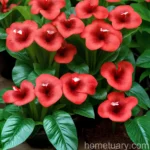
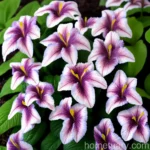
The Gloxinia plant, scientifically classified as Sinningia speciosa, is a species of flowering plants in the family Gesneriaceae. Native to the rainforests of Brazil, Sinningia speciosa is popular for its showy, bell-shaped flowers and lush foliage that adds a touch of elegance to any indoor or outdoor space. With proper care, the Gloxinia plant can produce a stunning display of colorful blooms, making it a favorite among plant enthusiasts.
Plant Classification
- Kingdom: Plantae
- Order: Lamiales
- Family: Gesneriaceae
- Genus: Sinningia
- Species: Speciosa
Key Takeaways – Gloxinia Plant (Sinningia speciosa)
Let’s delve into the essential aspects of Gloxinia plant care and cultivation to ensure its optimal growth and an abundance of blooms.
Culture
The culture of the Gloxinia plant encompasses the specific environmental conditions and practices necessary for its overall well-being.
- Temperature Tolerance: The Gloxinia plant thrives in a temperature range of 65°F to 75°F and benefits from slightly higher humidity levels.
- Indoor Gardening: Ideal for indoor environments, the Gloxinia plant can be grown in containers and placed in well-lit areas, away from direct sunlight to avoid leaf burn.
- Outdoor Gardening: When cultivated outdoors, the Gloxinia plant should be placed in partially shaded areas to protect it from the intense midday sun.
Uses
The Gloxinia plant is valued for its ornamental and aesthetic qualities, making it a popular choice for both indoor and outdoor decoration.
- Ornamental Plant: Known for its vibrant and varied flower colors, the Gloxinia plant serves as a stunning ornamental addition to homes, offices, and gardens.
- Indoor Decoration: Its compact size and striking blooms make the Gloxinia plant an excellent choice for adding color and beauty to indoor spaces.
- Gift Plant: Given its attractive appearance, the Gloxinia plant is often gifted as a token of appreciation or to convey best wishes.
Water
Proper watering is essential for maintaining the health and vitality of the Gloxinia plant.
- Watering Frequency: Water the Gloxinia plant when the top inch of the soil feels dry, ensuring thorough soaking but avoiding waterlogging.
- Water Quality: Use room temperature water to prevent shocking the plant, and avoid watering the foliage to prevent diseases like powdery mildew.
Sunlight
Finding the right balance of sunlight is crucial for the Gloxinia plant’s growth and flowering.
- Light Requirements: Provide bright, indirect light for the Gloxinia plant, as it thrives in well-lit conditions without direct exposure to the sun’s intense rays.
- Shade Protection: Shield the plant from direct sunlight, especially during the hot afternoon hours, to prevent leaf scorching.
Fertilizer
Appropriate fertilization ensures the Gloxinia plant receives the necessary nutrients for healthy growth and abundant blooms.
- Fertilizing Schedule: Feed the Gloxinia plant with a balanced, water-soluble fertilizer every two to three weeks during the growing season.
- Dilution Ratio: Dilute the fertilizer to half the recommended strength to avoid overfeeding, which can lead to fertilizer burn and other issues.
Soil
The choice of potting soil directly impacts the health and vigor of the Gloxinia plant.
- Soil Composition: Use a well-draining, peat-based potting mix to provide adequate aeration and moisture retention for the plant’s root system.
- Soil pH: Aim for a slightly acidic soil pH level (around 5.5 to 6.5) to create an optimal growing environment for the Gloxinia plant.
Pruning
Regular pruning encourages bushier growth and prolongs the blooming period of the Gloxinia plant.
- Deadheading: Remove spent blooms and withered flowers to promote continuous flowering and enhance the plant’s appearance.
- Pruning Technique: Trim leggy or overgrown stems to maintain the plant’s shape and encourage new growth.
Propagation
Propagating the Gloxinia plant allows for the expansion of your plant collection and can be an enjoyable horticultural activity.
- Leaf Cuttings: Propagate the Gloxinia plant through leaf cuttings by carefully removing healthy leaves and rooting them in a suitable potting mix.
- Dividing Rhizomes: As the plant matures, rhizome division can be performed during repotting to create new plants and rejuvenate the original plant.
Container Popularity
The compact and colorful nature of the Gloxinia plant makes it a popular choice for container gardening.
- Versatile Containers: From decorative ceramic pots to simple terracotta containers, the Gloxinia plant can thrive in various types of containers that provide adequate drainage.
- Indoor Display: Due to its manageable size, the Gloxinia plant fits beautifully on windowsills, shelves, and tabletops, adding a pop of color to any indoor setting.
Common Diseases
- Powdery Mildew: A fungal disease that presents as a white powdery substance on the leaves, often caused by high humidity or improper watering.
- Botrytis Blight: This fungal disease manifests as brown spots on the leaves and is exacerbated by overwatering and poor air circulation.
Disease Diagnosis
- Symptom Identification: Examine the plant for signs of discoloration, wilting, or unusual growth, and investigate potential causes such as overwatering or inadequate lighting.
- Treatment Considerations: Based on the identified disease, implement targeted treatments such as adjusting watering practices or applying suitable fungicides.
Common Pests
- Aphids: Small, sap-feeding insects that can cause leaf distortion and weaken the plant if left unaddressed.
- Spider Mites: Tiny arachnids that create fine webbing on the foliage and extract plant juices, leading to yellowing and stunted growth.
Botanist’s Tips
Employ these valuable insights to foster the health and beauty of the Gloxinia plant.
- Humidity Enhancement: Create a humid microclimate by placing the plant on a tray filled with pebbles and water, ensuring the pot does not come into direct contact with the water.
- Seasonal Adjustments: During the dormant period, reduce watering and provide cooler temperatures to allow the Gloxinia plant to rest and prepare for the next growing season.
Fun Facts
Discover captivating and intriguing details about the Gloxinia plant.
- Historical Significance: The Gloxinia plant has been a beloved ornamental plant since the 18th century, captivating enthusiasts with its stunning flowers and foliage.
- Ethnobotanical Uses: In some cultures, the Gloxinia plant’s flowers have been traditionally utilized for ornamental decorations during festive occasions and celebrations.
Links to External Resources
To further enrich your knowledge and appreciation of the Gloxinia plant, explore these valuable external resources:
- Sinningia Speciosa Care Guide – The Spruce
- Gloxinia Plant Care – Gardening Know How
- Sinningia Speciosa: The Gloxinia – Missouri Botanical Garden
As you embark on your Gloxinia plant journey, remember that attentive care and appreciation can lead to a flourishing and vibrant display of this remarkable plant’s distinctive beauty. Whether you are a seasoned plant enthusiast or a novice in the world of gardening, the Gloxinia plant is sure to captivate and inspire you with its enchanting blooms and lush foliage.
In this comprehensive guide, I have covered the essential aspects of Gloxinia plant care, from its cultural requirements and uses to its propagation and common pests and diseases. By incorporating practical tips and fascinating facts, I aim to provide a thorough understanding of the Sinningia speciosa, empowering you to nurture and enjoy this captivating plant to the fullest.