Streptocarpus ‘Seren’ (Cape Primrose)
Streptocarpus ‘Seren’ belongs to the family Gesneriaceae and is commonly known as Cape Primrose. This gorgeous houseplant is cherished for its vibrant.
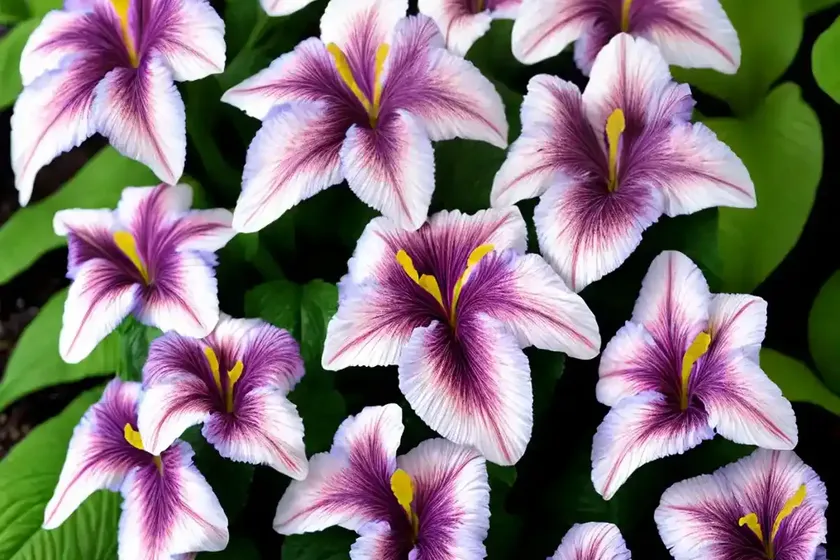
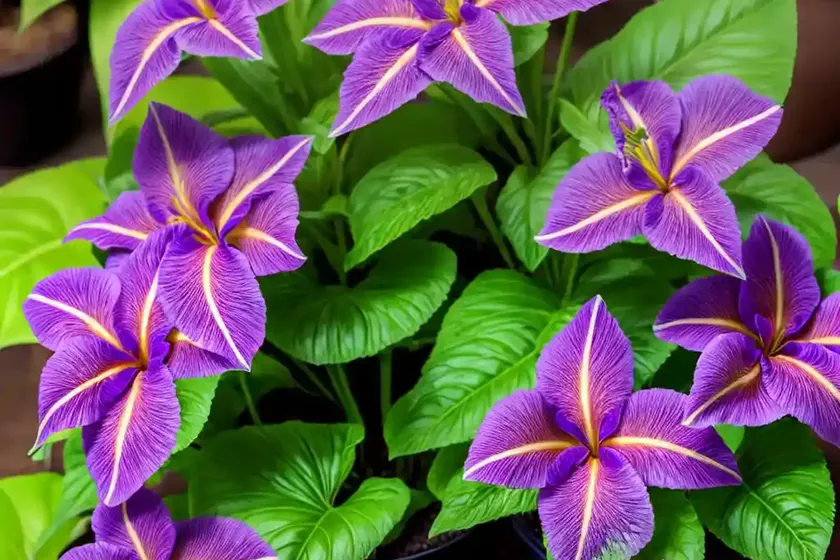
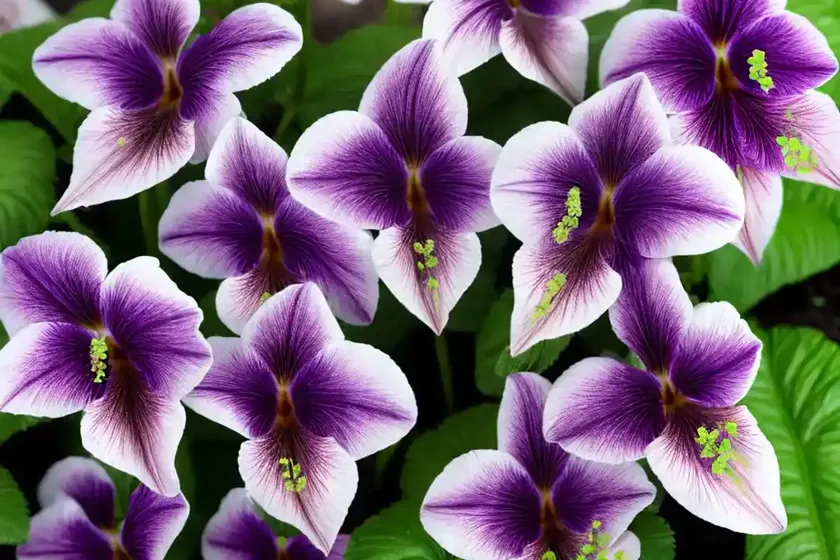
Streptocarpus ‘Seren’ belongs to the family Gesneriaceae and is commonly known as Cape Primrose. This gorgeous houseplant is cherished for its vibrant blossoms and lush foliage, making it a popular choice for indoor cultivation. In this comprehensive guide, we will explore the intricacies of caring for Streptocarpus ‘Seren’, from its cultural requirements to common diseases, and much more. Whether you are a seasoned plant enthusiast or a novice, this article will provide valuable insights into nurturing this captivating plant for optimal growth and beauty.
What is Streptocarpus ‘Seren’?
Streptocarpus ‘Seren’ is a beautiful species of flowering plant native to South Africa, where it thrives in the cool, moist conditions of the eastern and southeastern regions. The plant is characterized by its attractive rosettes of glossy, green leaves and striking, trumpet-shaped blooms that come in a myriad of colors, including shades of purple, pink, blue, and white. ‘Seren’ varieties are particularly renowned for their compact growth habit and prolific flowering, making them a delightful addition to any indoor space.
Key Takeaways – Streptocarpus ‘Seren’ (Cape Primrose)
Before delving into the specifics of caring for Streptocarpus ‘Seren’, let’s take a moment to highlight the essential aspects associated with this captivating plant.
- Cultural Requirements: Understanding the cultural needs of Streptocarpus ‘Seren’ is crucial for its overall well-being and blooming potential.
- Uses: ‘Seren’ varieties are primarily grown for their ornamental value and are well-suited for indoor cultivation as houseplants.
- Water: Proper watering practices are essential to maintain the health and vitality of Cape Primrose plants.
- Sunlight: Finding the right balance of light exposure is pivotal for ensuring robust growth and abundant flowering.
- Fertilizer: Providing appropriate nutrients is vital for the optimal development of Streptocarpus ‘Seren’.
- Soil: The choice of soil can significantly impact the plant’s health and growth, necessitating careful consideration.
- Pruning: Regular pruning can help maintain the plant’s shape and encourage new growth and blooming.
- Propagation: Learning the techniques for propagating ‘Seren’ Streptocarpus ensures a constant supply of these charming plants.
- Container: Choosing suitable containers and understanding container gardening techniques are essential for indoor cultivation.
- Popularity: Understanding the popularity and appeal of Streptocarpus ‘Seren’ in the realm of indoor gardening.
- Common Diseases: Identifying and addressing common diseases that may affect Cape Primrose plants.
- Common Pests: Recognizing and managing common pests to protect the health of ‘Seren’ Streptocarpus.
Now that we have gained a glimpse of the crucial aspects to be covered, let’s proceed to delve into the details, beginning with the cultural requirements of Streptocarpus ‘Seren’.
Culture
Successfully cultivating Streptocarpus ‘Seren’ relies heavily on understanding and meeting its cultural requirements. By providing the right conditions, passionate growers can ensure vibrant growth and a profusion of stunning blooms from these captivating plants.
Water
Proper watering is vital for the health and vitality of Streptocarpus ‘Seren’. Understanding the plant’s water requirements and adopting appropriate watering practices are essential for preventing issues such as root rot or dehydration. Here are some key considerations:
- Watering Frequency: Cape Primrose plants prefer moderately moist conditions. It is essential to water them whenever the soil surface feels slightly dry to the touch. However, overwatering should be avoided, as it can lead to root rot and other complications.
- Watering Technique: To prevent waterlogging, it is advisable to water the plant at the base, avoiding wetting the foliage excessively. Using a watering can with a slender spout can facilitate precise watering and prevent water from accumulating in the plant’s crown.
- Drainage: Ensuring proper drainage in the plant’s container is crucial for preventing water stagnation and maintaining optimal soil moisture levels. Using pots with drainage holes can help facilitate excess water removal.
Sunlight
Finding the ideal balance of light exposure is vital for ensuring robust growth and prolific flowering in Streptocarpus ‘Seren’. Adequate sunlight is essential, but exposure to direct, intense sunlight should be avoided, as it may cause leaf scorching and diminish flower quality. Here’s what you need to know about providing the right light conditions for your Cape Primrose:
- Light Requirements: Streptocarpus ‘Seren’ thrives in bright, indirect light. Positioning the plant near a window with filtered sunlight is often ideal. Rooms with east- or west-facing windows can provide suitable light conditions without subjecting the plant to intense, direct rays.
- Adjusting Light Exposure: Throughout the year, it may be necessary to adjust the plant’s exposure to light based on seasonal changes. Observing the plant’s response and making necessary adjustments to its location can help ensure it receives optimal light conditions.
Fertilizer
Providing appropriate nutrients is crucial for supporting the vigorous growth and prolific flowering of Cape Primrose plants. However, excessive fertilization can lead to issues such as fertilizer burn, while inadequate nutrition may result in stunted growth and poor bloom production. Here’s a guide to fertilizing Streptocarpus ‘Seren’ effectively:
- Fertilizer Type: Using a balanced, water-soluble fertilizer formulated for flowering plants is typically recommended for Streptocarpus ‘Seren’. Look for a fertilizer with a balanced NPK ratio, along with essential micronutrients.
- Application Frequency: During the growing season, which typically spans from spring to early fall, feeding the plant with a diluted fertilizer solution every two to four weeks can provide the necessary nutrients for robust growth and blooming.
- Dilution Ratio: It is crucial to follow the manufacturer’s instructions for diluting the fertilizer appropriately to prevent overfeeding. Using a quarter to half of the recommended concentration is often suitable for Cape Primrose plants.
- Nutrient Deficiencies: Monitoring the plant for signs of nutrient deficiencies, such as yellowing leaves or lack of flowering, can help in identifying the need for additional fertilization or adjustments in the fertilization regimen.
Soil
The choice of soil has a significant impact on the overall health and growth of Streptocarpus ‘Seren’. Well-draining, moisture-retentive soil with suitable aeration is crucial for preventing waterlogging and maintaining optimal root health. Here are some key considerations when selecting and preparing the soil for your Cape Primrose:
- Potting Mix: Utilizing a high-quality potting mix designed for African violets or gesneriads is often recommended for ‘Seren’ Streptocarpus. Such mixes are typically well-draining and moisture-retentive, providing an optimal environment for root development.
- Soil pH: Cape Primrose plants thrive in slightly acidic to neutral soil with a pH range of 6.0 to 7.0. Testing the soil pH and making necessary adjustments using pH-lowering or pH-raising products can help create an ideal growing medium for the plant.
- Soil Amendments: Incorporating organic matter such as peat moss or finely shredded bark into the potting mix can enhance its water retention and aeration properties, promoting healthy root growth.
Pruning
Regular pruning plays a pivotal role in maintaining the shape and vigor of Streptocarpus ‘Seren’. Additionally, it can stimulate new growth and encourage prolific blooming. Understanding the techniques and timing for pruning these plants is essential for their overall care. Here’s what you need to know about pruning Cape Primrose:
- Spent Flower Removal: Deadheading or removing spent flowers promptly can encourage the plant to produce new blooms continuously. Gently pinching off the faded blossoms close to the base can help redirect the plant’s energy into new flower production.
- Leaf Maintenance: Trimming yellowed or damaged leaves not only enhances the plant’s aesthetic appeal but also prevents the spread of diseases and conserves the plant’s resources for healthy growth.
- Size Control: If the plant becomes overly leggy or unruly, it can be pruned back to maintain a compact, bushy form. Using clean, sharp scissors or pruners, the plant can be trimmed to the desired size while ensuring that an adequate number of leaves are retained for continued growth.
Propagation
The ability to propagate Streptocarpus ‘Seren’ through reliable methods enables growers to expand their plant collection or share these delightful specimens with fellow gardening enthusiasts. Understanding the techniques for successful propagation is invaluable for ensuring a consistent supply of these captivating plants. Here are some common methods of propagating Cape Primrose:
- Leaf Cuttings: Propagating ‘Seren’ Streptocarpus from leaf cuttings is a popular and reliable method. Selecting healthy leaves and placing them in a suitable propagation medium, such as a moistened, well-draining potting mix, can yield new plantlets over time.
- Division: Dividing mature Cape Primrose plants, especially when they have outgrown their containers, can be an effective way to propagate them. Dividing the plant into sections with well-developed roots and replanting them in separate containers can promote healthy growth and rejuvenation.
- Seed Propagation: While less commonly practiced due to the time and effort involved, growing ‘Seren’ Streptocarpus from seeds can be a fascinating and rewarding endeavor. Sowing fresh seeds in a sterile seed-starting mix and providing the right conditions for germination can lead to the development of new plants.
Container
Choosing the right container and understanding container gardening techniques is essential for successfully growing ‘Seren’ Streptocarpus indoors. The container not only serves as the plant’s home but also influences its overall growth and well-being. Here are some essential considerations when selecting and managing the container for Cape Primrose:
- Container Size: Opt for a container that accommodates the size of the plant while providing sufficient space for root development. A pot that is slightly larger than the plant’s root ball is typically suitable, as overly spacious containers can retain excess moisture and compromise the plant’s health.
- Drainage Holes: Ensuring that the container has adequate drainage holes is crucial for preventing waterlogging and maintaining appropriate soil moisture levels. If the chosen container lacks drainage, it can be augmented with additional holes or a layer of drainage material at the bottom.
- Material and Aesthetics: Select a container made of porous materials such as clay or unglazed ceramic, as they allow for better air and moisture exchange. Additionally, consider the aesthetics of the container, choosing one that complements the plant’s foliage and flowering display.
- Repotting: Monitoring the plant for signs of root congestion or overgrowth and repotting it as needed can promote healthy root development and prevent the plant from becoming root-bound.
Popularity
Streptocarpus ‘Seren’ has garnered widespread popularity among indoor gardening enthusiasts due to its enchanting blooms, compact growth habit, and relative ease of care. The plant’s alluring qualities and adaptability have made it a sought-after addition to households, offices, and botanical collections. Its enduring appeal lies in its ability to brighten indoor spaces with an abundance of colorful flowers and lush foliage while requiring minimal maintenance. Understanding the factors contributing to the plant’s popularity can provide valuable insights into its widespread acclaim.
Common Diseases
Despite being relatively resilient, Cape Primrose plants are susceptible to certain diseases that can affect their health and overall appearance. Recognizing the common diseases that may afflict ‘Seren’ Streptocarpus is crucial for promptly addressing and mitigating these issues. Here are some prevalent diseases that growers should be attentive to:
- Botrytis Blight: This fungal disease can manifest as fuzzy, grayish mold on the plant’s leaves, typically due to excessive moisture and poor air circulation. It can lead to leaf spots, wilting, and overall decline if left unchecked.
- Powdery Mildew: Powdery mildew appears as a white, powdery coating on the plant’s foliage, primarily in conditions of high humidity and insufficient air circulation. It can hinder photosynthesis and weaken the plant if not managed effectively.
- Root Rot: Overwatering or poorly drained soil can contribute to the development of root rot, leading to yellowing, wilting, and eventual collapse of the plant. Root rot can be fatal if not addressed promptly through adjustments in watering and soil management.
Disease Diagnosis
Identifying and diagnosing diseases affecting Streptocarpus ‘Seren’ involves closely observing the plant for unusual symptoms and changes in its appearance. Prompt and accurate diagnosis is pivotal for implementing appropriate remedial measures. Here’s how to diagnose common diseases in Cape Primrose plants:
- Symptom Recognition: Understanding the distinct symptoms associated with various diseases, such as leaf discoloration, wilting, mold growth, or unusual spots, is essential for narrowing down the potential causes of the plant’s distress.
- Environmental Analysis: Assessing environmental factors such as humidity levels, temperature, and air circulation can provide insights into the likelihood of certain diseases manifesting in the plant. Addressing any unfavorable conditions can help prevent disease development.
- Expert Consultation: In cases of uncertainty or severe disease symptoms, seeking input from experienced horticulturists or plant pathologists can aid in accurate disease diagnosis and the formulation of effective treatment strategies.
Common Pests
In addition to diseases, ‘Seren’ Streptocarpus may also fall prey to common pests that can compromise its health and appearance. Recognizing and managing these pests is essential for safeguarding the plant’s well-being. Here are some of the common pests that may affect Cape Primrose plants:
- Aphids: These tiny, sap-sucking insects can cluster on the plant’s tender growth tips and underside of leaves, causing distortion, yellowing, and stunted growth. Aphid infestations can spread rapidly if left unaddressed.
- Spider Mites: Spider mites are common pests that thrive in dry, warm conditions. They cause stippling and webbing on the plant’s leaves, leading to reduced vigor and potential leaf drop.
- Mealybugs: Mealybugs appear as cottony, white masses on the plant, primarily in leaf axils and stem joints. They feed on the plant’s sap and can weaken it over time.
Recognizing the signs of pest infestation and implementing appropriate pest management practices can help mitigate the impact of these troublesome invaders.
Botanist’s Tips
Drawing from the knowledge and experience of seasoned botanists and horticulturists, here are some invaluable tips for nurturing Streptocarpus ‘Seren’ and fostering its optimal growth and beauty:
- Maintain Consistent Moisture: Strive to provide even moisture levels for Cape Primrose plants, avoiding prolonged drought or waterlogging. Consistent moisture supports healthy growth and flowering.
- Monitor Light Exposure: Regularly assess the plant’s light exposure to ensure it receives suitable brightness without being exposed to direct, intense sunlight, which can lead to leaf damage.
- Prune Wisely: Pruning ‘Seren’ Streptocarpus thoughtfully can help maintain its compact form and promote continuous blooming. Exercise care to avoid over-pruning, which may hinder growth and flowering.
- Observe for Pests and Diseases: Routinely inspect the plant for signs of pests and diseases, addressing any issues promptly to prevent them from spreading and impacting the plant’s health.
- Adapt to Seasonal Changes: Recognize the plant’s evolving needs with changes in seasons, adjusting watering, light exposure, and fertilization to align with its natural growth patterns.
Fun Facts
Exploring the intriguing characteristics and anecdotes surrounding Streptocarpus ‘Seren’ can offer fascinating insights into this captivating plant. Here are a few delightful fun facts about Cape Primrose:
- Rich History: Streptocarpus ‘Seren’ has a rich history, originating from South Africa and captivating enthusiasts with its exquisite blooms for centuries.
- Botanical Connections: The genus Streptocarpus is part of the Gesneriaceae family, which includes numerous other beloved houseplants such as African violets and gloxinias.
- Endearing Nickname: Streptocarpus ‘Seren’ is affectionately known as Cape Primrose, reflecting its association with the Cape Floristic Region in South Africa.
Links to External Resources
For additional insights and information on growing Streptocarpus ‘Seren’ and related topics, consider exploring the following reputable external resources:
- The Gesneriad Society: The official website of The Gesneriad Society provides a wealth of knowledge and resources on gesneriads, including cultivation tips, species descriptions, and community forums.
- Royal Horticultural Society (RHS): The RHS offers reliable advice on horticulture, including informative guides on growing and caring for a wide range of plants, complemented by a vast online plant database.
- University Extension Services: Extension services provided by universities often feature comprehensive articles and guides on growing indoor plants, offering science-backed recommendations for enthusiasts.
- GardenWeb Forums: Engaging with plant enthusiasts on forums such as GardenWeb can provide firsthand experiences and practical tips for nurturing Streptocarpus ‘Seren’ and resolving common challenges.
By exploring these valuable resources, you can access a wealth of knowledge and insights from experienced growers and plant experts, enriching your journey in cultivating Cape Primrose plants and expanding your botanical expertise.
In conclusion, Streptocarpus ‘Seren’ stands as a delightful testament to the allure and versatility of indoor plants, captivating enthusiasts with its enchanting blooms and graceful foliage. By embracing the insights and techniques detailed in this guide, you can embark on a rewarding journey of nurturing these captivating specimens and witnessing their vibrant beauty flourish in your indoor spaces. Whether you are an experienced cultivator or a budding enthusiast, the journey of caring for ‘Seren’ Streptocarpus promises to be a wondrous exploration of the natural world, brimming with color, vitality, and botanical wonder.


