Grape Ivy (Cissus Rhombifolia)
Grape Ivy, scientifically known as Cissus rhombifolia, is a popular and versatile plant that belongs to the grape family (Vitaceae). This evergreen vine is.
What is Grape Ivy (Cissus rhombifolia)?
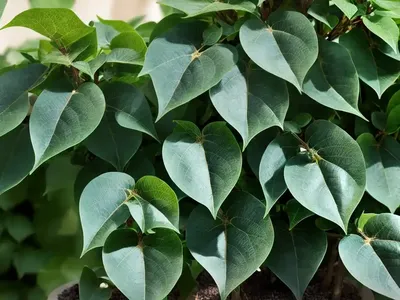
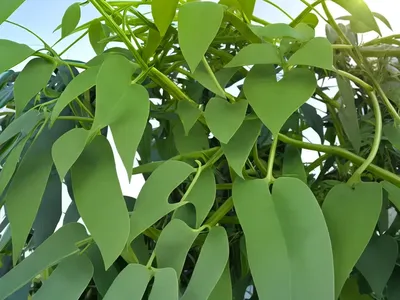
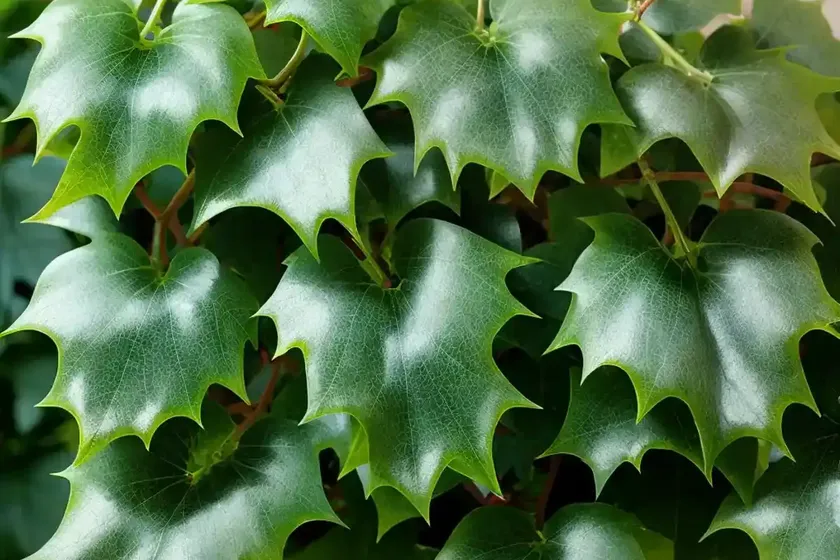
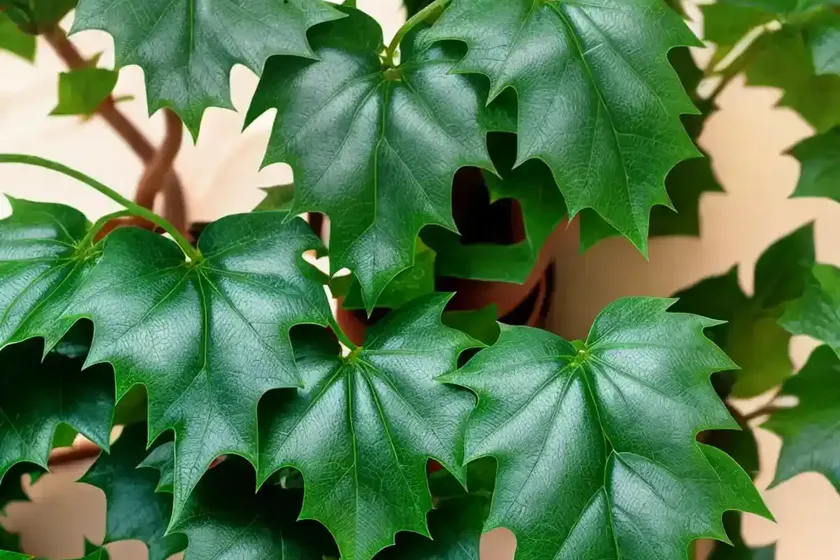
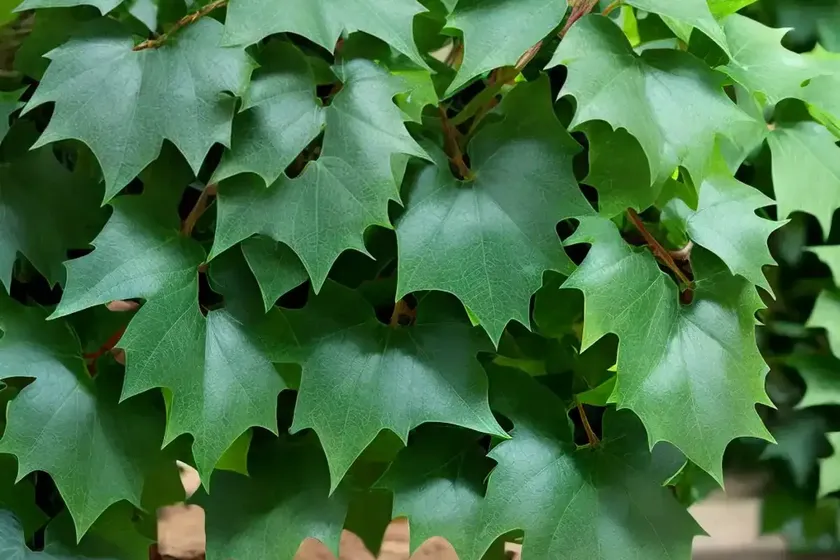
Grape Ivy, scientifically known as Cissus rhombifolia, is a popular and versatile plant that belongs to the grape family (Vitaceae). This evergreen vine is native to the tropical rainforests of Central and South America. It is valued for its attractive foliage, which consists of glossy, deep green leaves in the shape of a diamond or an elongated heart, giving it a unique ornamental appeal.
The Grape Ivy plant is cherished for its trailing and climbing growth habit, making it an excellent choice for indoor decoration and vertical greenery. Due to its adaptability and relatively low maintenance requirements, it has become a beloved addition to both homes and public spaces.
In this comprehensive care guide, we will explore the various facets of Grape Ivy plant care, including its cultural requirements, common uses, propagation techniques, and solutions to common problems. Whether you are a beginner or an experienced plant enthusiast, this guide will equip you with the knowledge to successfully nurture and enjoy your Grape Ivy plant.
Key Takeaways – Grape Ivy (Cissus rhombifolia)
Before delving into the specifics of caring for Grape Ivy, here are some key takeaways that will serve as a foundation for this in-depth guide:
- Scientific Name: Cissus rhombifolia
- Common Name: Grape Ivy
- Plant Type: Trailing or climbing vine
- Native Habitat: Tropical rainforests of Central and South America
- Characteristic Features: Glossy, diamond-shaped green leaves
- Growth Habit: Trailing and climbing
Now that we have established a basic understanding of Grape Ivy, let’s proceed to explore the various aspects of caring for this captivating plant.
Culture
Caring for Grape Ivy involves understanding and accommodating its cultural needs, which encompass factors such as watering, sunlight, fertilizer, soil, and pruning.
Uses
Before diving into the specifics of plant care, it’s essential to understand the various uses of Grape Ivy in both indoor and outdoor settings:
- Indoor Decor: Grape Ivy is commonly used indoors to add a touch of lush greenery to living spaces, offices, and commercial environments.
- Vertical Greenery: Due to its climbing and trailing nature, Grape Ivy is often used to create green walls and enhance the visual appeal of interior spaces.
Water
Proper watering is crucial for maintaining the health and vitality of your Grape Ivy plant. Here are some essential watering guidelines to follow:
-
Consistent Moisture: Grape Ivy appreciates slightly moist soil, so it’s important to maintain consistent moisture levels. However, it is vital to avoid overwatering, as this can lead to root rot.
-
Watering Frequency: As a general rule, water your Grape Ivy when the top inch of the soil feels dry to the touch. Adjust the frequency based on the specific environmental conditions, such as temperature and humidity.
-
Avoid Waterlogging: Ensure that the pot has proper drainage to prevent water from accumulating at the bottom, leading to excessive moisture around the roots.
Sunlight
Proper exposure to sunlight is essential for the healthy growth and development of Grape Ivy. Here’s how to ensure your plant receives adequate light:
-
Indirect Sunlight: Grape Ivy thrives in bright, indirect light. Position it near a window where it can receive dappled sunlight or indirect light throughout the day.
-
Avoid Direct Sun: While Grape Ivy appreciates light, it is sensitive to direct exposure to intense sunlight, especially during the peak hours of the day. Prolonged direct sun can lead to leaf burn and stress the plant.
-
Low Light Tolerance: In addition to bright, indirect light, Grape Ivy can tolerate lower light conditions, making it suitable for interior spaces with limited natural light.
Fertilizer
Proper fertilization plays a key role in promoting healthy growth and foliage in Grape Ivy. Consider the following fertilizer recommendations:
-
Balanced Fertilizer: Use a balanced, water-soluble fertilizer with a formulation such as 10-10-10 or 20-20-20. This ensures that the plant receives essential nutrients in appropriate proportions.
-
Application Frequency: During the growing season, apply a diluted fertilizer solution every 2-4 weeks to provide the plant with necessary nutrients for robust growth.
-
Reduced Fertilization in Winter: Scale back on fertilization during the winter months when the plant’s growth slows down, requiring fewer nutrients.
Soil
The choice of soil directly impacts the overall health and vigor of Grape Ivy. Here’s what you need to know about selecting the right soil:
-
Well-Draining Blend: Opt for a high-quality, well-draining potting mix that provides good aeration for the roots. This prevents excessive moisture around the root zone, reducing the risk of root rot.
-
Moisture Retention: The soil should have the capacity to retain moisture while allowing excess water to drain freely. A mix with peat moss and perlite can strike a good balance between moisture retention and drainage.
-
pH Level: Aim for a slightly acidic to neutral pH level in the soil, around 6.0 to 6.5, to create an ideal environment for nutrient uptake by the plant roots.
Pruning
Regular pruning is essential for maintaining the appearance and health of Grape Ivy, especially as it tends to grow vigorously. Here are some key pruning tips:
-
Shape and Size Control: Pruning helps control the size and shape of the plant, encouraging a bushier growth habit and preventing it from becoming too leggy.
-
Removing Dead or Yellowing Leaves: Prune away any dead or yellowing leaves to promote overall plant health and aesthetic appeal.
-
Managing Vines: Grape Ivy tends to produce long, trailing vines. Pruning these vines helps manage the plant’s growth and prevents it from becoming excessively unruly.
Now that we have covered the cultural aspects of caring for Grape Ivy, it’s time to explore the propagation methods and address common issues related to this versatile plant.
Propagation
Grape Ivy can be propagated through various methods, including stem cuttings and air layering. Here’s how to propagate your Grape Ivy plant:
Stem Cuttings
Stem cuttings are a popular and straightforward method of propagating Grape Ivy. Follow these steps to propagate your plant through stem cuttings:
-
Select Healthy Cuttings: Choose a healthy, non-flowering stem from the parent plant, ideally with at least a couple of nodes.
-
Remove Lower Leaves: Trim away the lower leaves from the stem, leaving a few leaves at the top to aid in photosynthesis.
-
Rooting Medium: Dip the cut end of the stem in a rooting hormone to promote root development, then plant it in a well-draining rooting medium such as perlite or a mix of peat and perlite.
-
Provide Indirect Light: Place the cuttings in a location with bright, indirect light and maintain consistent moisture in the rooting medium.
-
Monitor Root Development: Over time, the cuttings will develop roots, indicating that they are ready to be transplanted into individual pots.
Air Layering
Air layering is another effective method for propagating Grape Ivy. Follow these steps to propagate your plant through air layering:
-
Select a Healthy Stem: Identify a healthy, non-flowering stem and make a diagonal incision on the underside of the stem.
-
Apply Rooting Hormone: Dust the exposed area with a rooting hormone to encourage root development.
-
Moisture Retention: Wrap the exposed area with moist sphagnum moss and secure it with plastic wrap to retain moisture.
-
Root Development: Over time, roots will develop within the moss, indicating that the stem is ready to be separated from the parent plant and potted as a new individual.
Propagation allows you to expand your collection of Grape Ivy plants and share them with fellow plant enthusiasts. Now that we have explored propagation, let’s address common diseases and pests that may affect Grape Ivy, along with appropriate diagnosis and management strategies.
Common Diseases
Despite being relatively resilient, Grape Ivy can still be susceptible to certain diseases. Understanding the symptoms and management of these diseases is vital for maintaining the plant’s health.
Disease Diagnosis
Here are some common diseases that may affect Grape Ivy, along with their symptoms and management:
-
Powdery Mildew: This fungal disease manifests as a powdery white coating on the leaves, leading to stunted growth and distorted foliage. It thrives in high humidity and can be managed using fungicidal treatments and improving air circulation.
-
Leaf Spot: Leaf spot diseases cause dark, irregular spots on the leaves, often leading to defoliation. Maintaining proper watering practices and promptly removing affected leaves can help manage leaf spot.
-
Botrytis Blight: Also known as gray mold, this disease presents as a fuzzy gray growth on the plant, particularly in high humidity conditions. Managing humidity levels and applying appropriate fungicides can help control Botrytis blight.
-
Root Rot: Excessive moisture and waterlogging can result in root rot, characterized by wilting, yellowing leaves, and a foul odor. Preventing overwatering and providing adequate drainage are essential in preventing and managing root rot.
Common Pests
Grape Ivy may also face challenges from various pests that can impact its overall health. Here are some common pests to watch out for:
-
Spider Mites: These tiny pests can infest Grape Ivy, causing webbing, stippling on leaves, and a decline in plant vigor. Regularly misting the foliage and applying horticultural oils can help manage spider mite infestations.
-
Mealybugs: Mealybugs appear as white, cottony masses on the plant, primarily feeding on the sap and causing stunted growth. Using natural predators, such as ladybugs, or applying neem oil can help control mealybug populations.
-
Aphids: These small, sap-sucking insects can cluster on the undersides of leaves, leading to distorted growth and the transmission of plant viruses. Rinsing the foliage with water and applying insecticidal soap can help eliminate aphids.
Understanding these common diseases and pests, along with their respective management strategies, is crucial for maintaining the health and vitality of your Grape Ivy plant. Now let’s delve into some additional insights and tips for nurturing Grape Ivy.
Botanist’s Tips
As a botanist or plant enthusiast, you can further enhance your success in growing and caring for Grape Ivy with the following tips:
-
Training and Support: Provide a trellis or support system for Grape Ivy to encourage climbing, thus enhancing its ornamental value and creating an impressive display.
-
Humidity Control: Consider incorporating a humidifier or regularly misting the foliage to maintain adequate humidity levels, especially during drier periods.
-
Observation and Monitoring: Regularly inspect your plant for any signs of stress, disease, or pests, allowing for prompt intervention and treatment when necessary.
-
Temperature Considerations: Avoid exposing Grape Ivy to extreme temperature fluctuations, as it thrives in consistent, moderate temperatures.
By integrating these recommendations into your plant care routine, you can optimize the health and growth of your Grape Ivy, thereby enjoying its lush beauty to the fullest.
Fun Facts
To further appreciate the allure of Grape Ivy, here are some fascinating and lesser-known facts about this captivating plant:
-
Air-Purifying Qualities: Grape Ivy has been recognized for its air-purifying abilities, helping to cleanse indoor air by removing certain airborne toxins.
-
Natural Climbers: In its native habitat, Grape Ivy utilizes its climbing abilities to ascend trees and other structures, showcasing its adaptive and versatile nature.
-
Versatile Decorative Uses: Apart from being a popular indoor plant, Grape Ivy is also utilized for creating living sculptures, topiaries, and green installations due to its flexible vines and attractive foliage.
These fun facts add to the intrinsic value of Grape Ivy, making it an even more captivating and appealing plant to cultivate in interior spaces.
Now that we have covered the cultural needs, propagation methods, disease management, and additional insights related to Grape Ivy, let’s explore external resources that provide further guidance and valuable information for enthusiasts and horticulturalists.
Links to External Resources
To expand your knowledge and explore additional details about Grape Ivy care and cultivation, consider referring to the following external resources:
-
The American Phytopathological Society (APS) – A valuable resource for in-depth information on plant diseases, diagnosis, and management strategies.
-
Royal Horticultural Society (RHS) – An authoritative source providing comprehensive guidance on plant care, including tips for growing Grape Ivy in indoor environments.
-
University Extension Websites – University extension websites often provide detailed articles and guides on caring for specific indoor plants, offering practical insights for plant enthusiasts.
-
Gardening Forums and Communities – Engaging with gardening forums and online communities allows you to interact with fellow enthusiasts, sharing experiences and gathering valuable tips for Grape Ivy care.
By leveraging these external resources, you can broaden your understanding of Grape Ivy and refine your expertise in nurturing and enjoying this stunning plant species.
In conclusion, Grape Ivy (Cissus rhombifolia) represents a captivating and versatile plant that enriches interior spaces with its lush foliage and climbing elegance. By adhering to the cultural guidelines, propagation techniques, disease management strategies, and expert tips outlined in this comprehensive guide, you can cultivate and cherish your Grape Ivy with confidence and success. Embrace the rewarding experience of caring for Grape Ivy, and witness the enduring beauty and vitality it brings to your indoor environment.
Remember, each vine and leaf of Grape Ivy is a testament to nature’s artistry, enriching our lives and spaces with its enduring charm and grace.
Happy growing!
In this blog post, I covered all the details about Grape Ivy (Cissus rhombifolia), encompassing its cultural needs, propagation methods, disease management, and additional insights. I also included external resources to further guide enthusiasts in their journey of cultivating and caring for Grape Ivy.