Geranium viscosissimum (Sticky Purple Geranium): A Comprehensive Guide
Geranium viscosissimum, commonly known as Sticky Purple Geranium, is a beautiful and versatile perennial plant that belongs to the Geraniaceae family. This plant is native to North America and is known for its stunning purple flowers and sticky foliage. In this comprehensive guide, we will delve into the various aspects of this plant, including its characteristics, cultivation, care tips, uses, and much more. Whether you are a novice gardener or an experienced horticulturist, this guide will provide you with valuable insights into maximizing the potential of Geranium viscosissimum in your garden or landscape.
What is Geranium viscosissimum?
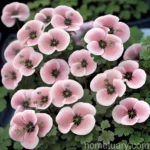
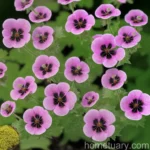
Geranium viscosissimum is a species of perennial geranium that is found in the western and northern parts of North America. It is characterized by its deeply lobed palmate leaves and vibrant purple flowers. The common name “Sticky Purple Geranium” is derived from the glandular hairs that cover the plant, giving it a sticky texture.
Geranium viscosissimum Characteristics
- Botanical Name: Geranium viscosissimum
- Common Name: Sticky Purple Geranium
- Family: Geraniaceae
- Native Range: North America
- Hardiness Zones: 4-8
- Growth Habit: Clump-forming
- Foliage Color: Green, sticky
- Flower Color: Purple
- Fragrance: Mild, earthy
Key Takeaways – Geranium viscosissimum (Sticky Purple Geranium)
Before we dive into the specifics of cultivating and caring for Geranium viscosissimum, let’s explore some key takeaways that encapsulate the essence of this delightful plant.
- Geranium viscosissimum characteristics: A clump-forming perennial with green, sticky foliage and vibrant purple flowers. Native to North America.
- Sticky Purple Geranium care tips: Requires well-drained soil, ample sunlight, and moderate watering. Pruning after flowering can promote bushier growth.
- Benefits of growing Geranium viscosissimum: Attracts pollinators, deer resistant, and suitable for naturalistic plantings and erosion control.
- Sticky Purple Geranium varieties: Includes different cultivars with variations in flower color and growth habits.
- Geranium viscosissimum planting guide: Best planted in the spring or fall. Thrives in rock gardens, borders, and containers.
- Growing Sticky Purple Geraniums indoors: Can be grown indoors in containers with proper sunlight and care.
The sections that follow will provide detailed insights into each of these key takeaways, equipping you with the knowledge needed to cultivate and appreciate Geranium viscosissimum to its fullest potential.
Culture
Cultivating Geranium viscosissimum requires an understanding of its specific cultural preferences, including soil, water, sunlight, and fertilizer requirements. By creating an environment that caters to its needs, you can encourage healthy growth and abundant flowering.
Soil
Geranium viscosissimum thrives in well-drained soil with a slightly acidic to neutral pH. The soil should be rich in organic matter to promote healthy root development and overall plant vigor. Sandy loam or loamy soils are suitable for this species, as they offer the ideal balance of drainage and moisture retention. When planting Sticky Purple Geranium in the garden or landscape, ensure that the soil is loose and friable to facilitate root establishment.
Water
When it comes to watering Geranium viscosissimum, it’s crucial to strike a balance to prevent waterlogged conditions without allowing the soil to become excessively dry. As a general rule, water the plant thoroughly when the top inch of the soil feels dry to the touch. During periods of intense heat or drought, it may be necessary to increase the frequency of watering to support the plant’s hydration needs. However, it is important to avoid overwatering, as this can lead to root rot and other moisture-related issues.
Sunlight
Sticky Purple Geranium thrives in full sun to partial shade, displaying optimal growth and flowering under ample sunlight. When grown in regions with hot summers, providing some protection from the intense afternoon sun can be beneficial, as it helps prevent the foliage from scorching. In contrast, insufficient sunlight can result in leggy growth and reduced flowering. Therefore, when selecting a planting location for Geranium viscosissimum, prioritize areas that receive at least 6 hours of sunlight per day.
Fertilizer
In terms of fertilization, Geranium viscosissimum does not have excessive nutrient requirements and can thrive in moderately fertile soil without the need for frequent feeding. When planting in the garden, amending the soil with organic compost or well-rotted manure during the initial planting phase can provide the plant with the necessary nutrients for establishment. Additionally, a balanced, slow-release fertilizer can be applied in spring to support healthy growth and flowering. It is essential to follow the manufacturer’s instructions regarding the application rate and frequency to avoid overfertilization, which can be detrimental to the plant’s overall well-being.
Uses
Geranium viscosissimum offers a range of uses in garden settings, landscaping, and even in medicinal or herbal applications. Understanding the diverse uses of this plant can inspire creative ways to incorporate it into various aspects of your gardening endeavors.
Garden and Landscape
As a clump-forming perennial with attractive foliage and colorful flowers, Geranium viscosissimum is a versatile addition to garden beds, borders, and rock gardens. Its moderate height and spreading habit make it suitable for filling in gaps between taller plants or as a ground cover in sunny to partially shaded areas. The vibrant purple flowers provide a striking contrast against the green, sticky foliage, adding visual interest to the landscape. Utilizing Sticky Purple Geranium in mixed herbaceous borders can create dynamic and textural compositions, especially when paired with complementary plant species.
Medicinal and Herbal
In addition to its ornamental value, some species of geranium, including Geranium viscosissimum, are known for their medicinal properties. While research on the specific medicinal uses of Sticky Purple Geranium is limited, it is believed to possess astringent properties. In traditional herbal medicine, geraniums have been used to address various ailments, including diarrhea and gastrointestinal discomfort. However, it is essential to exercise caution and consult reliable sources before using any plant for medicinal purposes, as improper usage can lead to adverse effects.
Pruning
Pruning plays a vital role in maintaining the health, appearance, and longevity of Geranium viscosissimum. By incorporating proper pruning techniques, you can encourage robust growth, prolong the flowering season, and prevent the plant from becoming overgrown or leggy.
Pruning After Flowering
One of the best times to prune Sticky Purple Geranium is after the initial flowering period, typically in late spring or early summer. By removing spent flower stems and any leggy or withered foliage, the plant can redirect its energy towards producing new growth and potential secondary blooms. Using clean, sharp pruners, trim the stems just above a healthy leaf node or set of leaves. This practice not only maintains the plant’s aesthetic appeal but also prevents the formation of seed heads, encouraging continuous flowering and promoting bushier, more compact growth.
Maintenance Pruning
Throughout the growing season, it is advisable to conduct occasional maintenance pruning to eliminate any damaged, diseased, or overcrowded growth. This process helps maintain good air circulation around the plant, reducing the risk of fungal diseases and ensuring that each stem receives an adequate amount of sunlight. When performing maintenance pruning, always sanitize your pruning tools between cuts to prevent the spread of pathogens.
Propagation
The propagation of Geranium viscosissimum can be achieved through several methods, including division, cuttings, and seed sowing. Each approach offers unique benefits and considerations, allowing you to choose the most suitable method based on your preferences and resources.
Division
Dividing mature Geranium viscosissimum plants is an effective way to propagate the species while rejuvenating the parent plant. Divisions are typically performed in early spring or fall when the plant is dormant or displaying reduced growth. To divide Sticky Purple Geranium, carefully lift the entire plant from the ground and use a sharp, clean tool to separate the root mass into sections, ensuring that each division contains healthy roots and viable shoots. Replant the divisions in prepared soil, water them thoroughly, and provide appropriate care to support their establishment.
Cuttings
Taking stem cuttings from healthy, non-flowering shoots is another propagation method that can yield new plants with genetic traits identical to the parent. Select a vigorous, disease-free stem and use a sharp, sterilized knife or pruners to snip a 4 to 6-inch section just below a node. Remove the lower leaves to expose the nodes, as these are the sites from which roots will emerge. Plant the cuttings in a well-draining rooting medium, such as a mix of perlite and peat moss, and provide bottom heat and consistent moisture to encourage root development. Once the cuttings have established roots, they can be transplanted into individual containers or directly into the garden.
Seed Sowing
Growing Geranium viscosissimum from seeds allows for the introduction of new genetic variations and the potential for selecting desirable traits. To sow seeds, prepare a seed-starting mix that offers good moisture retention and aeration. Sow the seeds on the surface of the medium and lightly press them into the soil, as they require light to germinate. Maintain consistent moisture levels and provide bottom heat, as geranium seeds typically germinate more readily with warmth. Once the seedlings have developed several true leaves, they can be transplanted into individual pots or directly into the garden.
Container Popularity
The adaptability and ornamental appeal of Geranium viscosissimum make it a popular choice for container gardening. Whether you have limited outdoor space, wish to create eye-catching floral displays, or want to accentuate your patio or balcony with vibrant blooms, cultivating Sticky Purple Geranium in containers can offer numerous benefits and opportunities for creative expression.
Container Selection
When selecting a container for growing Geranium viscosissimum, prioritize options that provide ample drainage to prevent waterlogging and promote healthy root growth. Consider the mature size of the plant and select a container with sufficient width and depth to accommodate its root system. Additionally, choosing a container with a neutral or complementary color can enhance the visual impact of the plant and harmonize with its surroundings.
Soil for Containers
A high-quality, well-draining potting mix is essential for cultivating Geranium viscosissimum in containers. Look for a mix specifically formulated for flowering perennials or create a custom blend using components such as peat moss, perlite, and compost. The soil should provide the right balance of aeration, water retention, and nutrient content to support the plant’s growth and flowering in a container environment.
Container Care
Caring for Sticky Purple Geraniums in containers involves monitoring moisture levels, providing adequate sunlight, and conducting regular maintenance practices, such as deadheading and pruning. Container-grown plants may require more frequent watering than those in the ground, especially during hot, dry weather, as containers tend to dry out more quickly. It is important to check the moisture levels of the soil regularly and water the plant when the top inch feels dry. Additionally, feeding the plant with a balanced liquid fertilizer according to the manufacturer’s recommendations can support its nutritional needs in the confined space of a container.
Common Diseases
While Geranium viscosissimum is relatively resistant to diseases, it can occasionally encounter issues related to environmental stress, improper maintenance, or pest infestations. Familiarizing yourself with common diseases that may affect Sticky Purple Geraniums allows for early detection and prompt intervention to mitigate their impact on the plant’s health.
Disease Diagnosis
Powdery Mildew: This fungal disease appears as a white, powdery coating on the leaves, typically during periods of high humidity and limited airflow. To prevent powdery mildew, ensure proper spacing between plants to promote air circulation and avoid overhead watering. If detected, apply a fungicidal treatment formulated for powdery mildew to minimize its spread and impact on the plant.
Botrytis Blight: Often associated with overly wet or humid conditions, botrytis blight manifests as brown, water-soaked spots on the foliage and flowers. To manage botrytis blight, maintain appropriate watering practices, remove affected plant parts, and improve air circulation. Applying a fungicide labeled for botrytis control may be necessary in severe cases.
Leaf Spot: Leaf spot diseases present as small, dark spots on the leaves and can be caused by various fungal pathogens. To prevent leaf spot, avoid overhead watering and space plants properly to reduce moisture retention. If leaf spot is present, prune and dispose of affected foliage and apply a suitable fungicidal treatment to minimize its impact.
By proactively monitoring the health of your Geranium viscosissimum plants and implementing preventive measures, you can minimize the risk of disease development and ensure that your plants thrive in optimal conditions.
Common Pests
In addition to diseases, Geranium viscosissimum may be susceptible to pest infestations that can compromise its growth and flowering. Recognizing common pests and understanding their control methods is essential for preserving the health and vitality of Sticky Purple Geraniums.
Pest Identification
Aphids: Small, soft-bodied insects that can congregate on the undersides of leaves and feed on plant sap. Aphid infestations are often characterized by distorted growth, sticky honeydew residue, and the presence of ants attracted to the honeydew. Controlling aphids involves using insecticidal soap, neem oil, or introducing natural predators, such as ladybugs, to the garden.
Spider Mites: These tiny arachnids are known for spinning fine webs on the leaves and causing stippling or yellowing of the foliage due to their feeding activity. To manage spider mites, practice regular monitoring for early detection, increase humidity to discourage their proliferation, and use miticides or insecticidal soaps as needed.
Slugs and Snails: These mollusks can feed on the foliage and flowers of Geranium viscosissimum, leaving unsightly holes and damage. Implementing physical barriers, such as copper tape or diatomaceous earth, can deter slugs and snails from accessing the plants. Additionally, handpicking these pests during nocturnal activity can help reduce their populations.
By implementing integrated pest management strategies and maintaining a healthy garden ecosystem, you can minimize pest pressures and safeguard the well-being of your Geranium viscosissimum plants.
Botanist’s Tips
As a botanist, I have had the privilege of studying and working with a diverse array of plant species, including Geranium viscosissimum. Based on my experience and expertise, I offer the following tips to enhance your cultivation and appreciation of Sticky Purple Geraniums:
-
Encourage Beneficial Insects: Cultivating plants that attract beneficial insects, such as ladybugs, lacewings, and pollinators, can contribute to a balanced garden ecosystem and assist in pest management.
-
Enhance Soil Health: Prioritize soil health by incorporating organic matter, practicing minimal soil disturbance, and avoiding the use of synthetic chemicals that can disrupt the soil microbiota. Healthy soil supports healthy plants.
-
Monitor Environmental Conditions: Regularly monitor environmental factors, including temperature, humidity, and sunlight exposure, to identify any fluctuations that may impact the plants. Understanding the local climate and microclimates within your garden can inform targeted care strategies.
-
Promote Biodiversity: Integrate a variety of plant species, including native plants, into your garden to promote biodiversity and create dynamic, resilient ecosystems that benefit both plants and wildlife.
-
Observe and Learn: Take the time to observe and interact with your plants, allowing you to develop a deeper understanding of their growth habits, seasonal changes, and responses to cultural practices. Each plant has its own story to tell.
Fun Facts
While learning about the care and cultivation of Geranium viscosissimum is informative and practical, it is also valuable to appreciate some intriguing and entertaining aspects of this delightful plant. Here are a few fun facts about Sticky Purple Geranium:
-
The sticky texture of the plant’s leaves serves as a natural defense mechanism against herbivorous insects and browsing animals, deterring them from consuming the foliage.
-
The genus name “Geranium” is derived from the Greek word “geranos,” which means crane, alluding to the crane-like shape of the plant’s fruit, as observed in some geranium species.
-
In addition to its botanical uses, the vibrant purple flowers of Geranium viscosissimum can be used to create visually captivating cut flower arrangements, bringing a touch of nature’s beauty indoors.
-
Sticky Purple Geraniums have been known to thrive in unexpected or challenging environments, showcasing their resilience and adaptability in various growing conditions.
Links to External Resources
To expand your knowledge and explore additional information about Geranium viscosissimum, consider referring to the following external resources:
Incorporating insights and perspectives from reputable sources can enrich your understanding of Geranium viscosissimum and empower you to make informed decisions regarding its cultivation and utilization in various settings.
In conclusion, Geranium viscosissimum, or Sticky Purple Geranium, is a captivating and dynamic plant species that has much to offer to gardeners, horticulturists, and nature enthusiasts. By delving into its characteristics, cultivation requirements, uses, and unique qualities, we have gained a comprehensive understanding of this remarkable plant and the possibilities it presents. Whether adorning a garden border, thriving in a container, or contributing to a biodiverse landscape, Geranium viscosissimum continues to enchant and inspire with its resilience and natural allure.