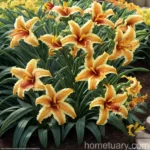
Hemerocallis ‘Inwood’ (Reblooming Daylily): A Comprehensive Guide
Hemerocallis ‘Inwood,’ also known as the Reblooming Daylily, is a stunning and versatile perennial plant that has captured the hearts of gardeners around the world. This plant is celebrated for its abundant blooms and low-maintenance requirements, making it an ideal choice for both experienced and novice gardeners. In this comprehensive guide, we will delve into the various aspects of this beautiful plant, including its cultural requirements, uses, propagation, and common diseases and pests.
What is Hemerocallis ‘Inwood’ (Reblooming Daylily)?
Daylilies are perennial plants that belong to the Hemerocallis genus and are cherished for their vibrant, trumpet-shaped flowers. Hemerocallis ‘Inwood’ is a notable cultivar within this genus and is particularly valued for its unique characteristics, including its ability to rebloom throughout the growing season. As a result, it brings continuous beauty to gardens and landscapes.
Key Takeaways – Hemerocallis ‘Inwood’ (Reblooming Daylily)
Hemerocallis ‘Inwood’ (Reblooming Daylily) is a versatile perennial plant that offers a multitude of benefits to gardeners. Below are some key takeaways that will be explored in detail throughout this guide:
- Cultural Requirements: Understanding the specific cultural needs of Hemerocallis ‘Inwood’ is essential for fostering its optimal growth and blooming.
- Uses: Explore the various uses of Hemerocallis ‘Inwood’ in landscaping and beyond.
- Water Requirements: Learn about the water needs of Hemerocallis ‘Inwood’ and how to achieve proper irrigation.
- Sunlight Needs: Discover the ideal sunlight conditions for cultivating healthy and vibrant Hemerocallis ‘Inwood’ plants.
- Fertilizer: Understand the role of fertilizer in promoting strong growth and prolific blooming.
- Soil Requirements: Delve into the importance of soil quality and composition for Hemerocallis ‘Inwood’.
- Pruning: Master the art of pruning Hemerocallis ‘Inwood’ to maintain its aesthetic appeal and health.
- Propagation: Explore methods for propagating Hemerocallis ‘Inwood’ and expanding your plant collection.
- Container Gardening: Learn how to grow Hemerocallis ‘Inwood’ successfully in containers.
- Common Diseases: Identify potential diseases that may affect Hemerocallis ‘Inwood’ and learn how to prevent and address them.
- Common Pests: Recognize common pests that could pose a threat to Hemerocallis ‘Inwood’ and strategies for pest management.
- Fun Facts: Uncover interesting and lesser-known facts about Hemerocallis ‘Inwood’ that highlight its uniqueness and charm.
Culture
Understanding the cultural requirements of Hemerocallis ‘Inwood’ is fundamental in ensuring its overall health and vigor. From watering and fertilizing to pruning and soil conditions, each aspect of plant care plays a crucial role in the successful cultivation of this stunning daylily.
Uses
Landscaping:
Hemerocallis ‘Inwood’ (Reblooming Daylily) is highly prized in landscaping for its prolific blooms and versatility. Its uses in landscaping include:
- Borders and Edging: The vibrant and abundant blooms of Hemerocallis ‘Inwood’ make it a compelling choice for defining borders and edges within garden beds and pathways.
- Mass Plantings: Its tolerance for a wide range of growing conditions and its low-maintenance nature make Hemerocallis ‘Inwood’ ideal for creating stunning mass plantings that provide a pop of color and visual interest.
- Mixed Perennial Beds: The attractive foliage and captivating flowers of Hemerocallis ‘Inwood’ make it a perfect addition to mixed perennial beds, where it adds both beauty and structure.
Cut Flower Production:
The stunning blooms of Hemerocallis ‘Inwood’ make it a popular choice for cut flower production. Its flowers can be incorporated into bouquets and floral arrangements, adding a touch of natural elegance to any space.
Water
Proper watering is essential for the health and vitality of Hemerocallis ‘Inwood.’ While daylilies are known for their resilience in various growing conditions, consistent and adequate moisture is crucial for promoting robust growth and blooming.
Watering Tips:
-
Consistent Moisture: Hemerocallis ‘Inwood’ thrives in consistently moist, well-draining soil. Avoid allowing the soil to become waterlogged or excessively dry, as this can negatively impact the plant’s health and blooming.
-
Deep Watering: When watering, aim to provide deep, thorough irrigation to encourage the development of a strong and extensive root system. Shallow watering may result in weak and shallow roots, which can make the plant more susceptible to stress and environmental fluctuations.
-
Mulching: Applying a layer of organic mulch around the base of Hemerocallis ‘Inwood’ can help retain soil moisture, regulate soil temperature, and reduce weed competition, contributing to the overall health of the plant.
Sunlight
Hemerocallis ‘Inwood’ thrives in full to partial sunlight, making it adaptable to a wide range of light conditions. Adequate sunlight is vital for promoting lush foliage and bountiful blooms.
Sunlight Needs:
-
Full Sun: For optimal blooming and overall vigor, Hemerocallis ‘Inwood’ benefits from being planted in a location that receives at least six hours of direct sunlight per day. In areas with intense heat, providing some afternoon shade can help prevent sunscald and stress.
-
Partial Shade: While Hemerocallis ‘Inwood’ prefers full sun, it can tolerate partial shade, particularly in regions with hot summers. When planted in partial shade, the plant may exhibit slightly fewer blooms, but it will still thrive and add beauty to the landscape.
Fertilizer
Applying a balanced fertilizer can support the growth and flowering potential of Hemerocallis ‘Inwood.’ By providing essential nutrients, fertilizer contributes to the overall health and vitality of the plant.
Fertilization Guidelines:
-
Timing: Apply a balanced, slow-release fertilizer in early spring as new growth emerges. This timing ensures that the plant has access to essential nutrients as it enters its active growth phase and prepares to produce blooms.
-
Balanced Formulation: Choose a fertilizer with a balanced formulation, such as a 10-10-10 or 20-20-20 blend, to provide a diverse array of essential nutrients without promoting excessive foliage growth at the expense of flowering.
-
Avoid Excessive Nitrogen: While nitrogen is essential for promoting healthy foliage and growth, excessive nitrogen can lead to lush foliage at the expense of bloom production. It is important to strike a balance and avoid over-fertilization.
Soil
Hemerocallis ‘Inwood’ thrives in loamy, well-draining soil that is rich in organic matter. Understanding the soil requirements of this daylily cultivar is crucial for establishing a strong foundation for healthy growth and blooming.
Soil Requirements:
-
Well-Draining: Hemerocallis ‘Inwood’ is susceptible to root rot and other moisture-related issues if planted in poorly draining soil. Choose a planting site with soil that allows water to percolate freely to prevent waterlogged conditions.
-
Organic Matter: Amending the planting area with compost or well-rotted organic matter can improve soil structure, fertility, and moisture retention, creating an ideal environment for Hemerocallis ‘Inwood’ to thrive.
-
pH Level: Daylilies generally prefer slightly acidic to neutral soil with a pH range of 6.0 to 7.0. Conducting a soil test can provide valuable insights into the pH level of the planting site and guide the necessary amendments.
Pruning
Pruning Hemerocallis ‘Inwood’ is an essential aspect of its maintenance, as it helps promote tidiness, blooming, and overall plant health. Proper pruning techniques can contribute to the longevity and beauty of the plant.
Pruning Guidelines:
-
Removing Spent Blooms: Deadheading spent blooms promptly encourages the plant to redirect its energy towards producing new flowers. This practice also enhances the overall aesthetic appeal of Hemerocallis ‘Inwood’ by preventing the development of seed pods and promoting a neat appearance.
-
Trimming Foliage: As the season progresses, removing any yellowing or damaged foliage can enhance the plant’s appearance and prevent the spread of diseases or pests. Use sanitized pruning tools to minimize the risk of transmitting pathogens.
-
Cutting Back in Fall: In preparation for the winter months, consider cutting back the foliage of Hemerocallis ‘Inwood’ to a few inches above the ground once it has become dormant. This practice helps maintain a tidy appearance and prevents the accumulation of decaying foliage.
Propagation
Propagating Hemerocallis ‘Inwood’ allows gardeners to expand their plant collection and share the beauty of this exceptional daylily with others. Several methods can be employed to propagate this cultivar successfully.
Propagation Methods:
-
Division: Dividing established clumps of Hemerocallis ‘Inwood’ is a popular and effective method of propagation. This process involves carefully separating the clumps into smaller sections, ensuring that each division has both roots and foliage. Dividing the plant in early spring or late summer provides the best opportunity for successful establishment.
-
Seed Propagation: While less commonly practiced, propagating Hemerocallis ‘Inwood’ from seeds is possible. Keep in mind that seeds may not yield plants that are identical to the parent plant, as the resulting seedlings may exhibit genetic variations.
-
Offset Division: Some daylilies produce offsets, or small daughter plants, near the base of the parent plant. Separating and transplanting these offsets can be a convenient way to propagate Hemerocallis ‘Inwood’ and create new plantings.
Container Popularity
The adaptability and beauty of Hemerocallis ‘Inwood’ make it a popular choice for container gardening. Its vibrant blooms and low-maintenance nature add an instant charm to porches, patios, and balconies.
Advantages of Container Gardening:
-
Versatility: Growing Hemerocallis ‘Inwood’ in containers offers flexibility in terms of placement, allowing individuals with limited garden space to enjoy the beauty of this daylily. Containers can be positioned on decks, entryways, or anywhere that receives adequate sunlight.
-
Aesthetic Appeal: The striking blooms of Hemerocallis ‘Inwood’ serve as a captivating centerpiece in container arrangements, adding color and visual interest to outdoor living spaces.
-
Microclimate Control: Containers provide the opportunity to create favorable growing conditions, such as well-draining soil and customized watering schedules, to optimize the plant’s growth and blooming.
-
Ease of Maintenance: Container gardening simplifies maintenance tasks such as weeding and soil amendment, making it an accessible option for individuals with limited mobility or those seeking low-maintenance gardening solutions.
Common Diseases
While Hemerocallis ‘Inwood’ is relatively resilient, it can be susceptible to certain diseases that can impact its health and blooming. Understanding these potential threats is crucial for implementing preventive measures and effective management strategies.
Disease Identification and Management:
-
Leaf Streak: Leaf streak, caused by the fungus Aureobasidium microstictum, presents as brown, tan, or yellowish streaks on the foliage of Hemerocallis ‘Inwood.’ To manage this issue, incorporate good sanitation practices, such as removing and disposing of affected foliage. Avoid overhead irrigation to minimize moisture on the leaves, which can contribute to the spread of the disease.
-
Crown Rot: Excessive moisture and poor drainage can lead to crown rot, a fungal disease that affects the base of the plant. To prevent crown rot, ensure proper soil drainage and avoid overwatering. Additionally, removing any affected plant material and improving air circulation can help mitigate the spread of the disease.
-
Rust: Rust is a common fungal disease that manifests as orange or yellowish pustules on the foliage of Hemerocallis ‘Inwood.’ Implementing a regular fungicidal spray program can help manage rust and prevent its spread. It is important to follow label instructions and apply fungicides at the recommended intervals.
-
Preventive Measures: Practicing good cultural habits, such as proper spacing, adequate air circulation, and promoting overall plant health, can reduce the likelihood of disease development. Additionally, promptly removing and disposing of affected plant material can prevent the spread of pathogens within the garden.
Common Pests
Hemerocallis ‘Inwood’ may encounter certain pests that can compromise its growth and blooming. Recognizing these pests and employing proactive pest management strategies is essential for maintaining the plant’s health.
Pest Identification and Management:
-
Aphids: Aphids are small, sap-sucking insects that can congregate on the foliage and flower buds of Hemerocallis ‘Inwood.’ Their feeding can result in distorted growth and reduced plant vigor. To manage aphids, consider using insecticidal soaps or horticultural oils while being mindful of beneficial insect populations.
-
Thrips: Thrips are tiny, slender insects that can cause silvery or bronzed streaks on the flower petals of Hemerocallis ‘Inwood.’ To deter thrips, regular monitoring and the use of insecticidal treatments can be effective. It is important to address thrips infestations promptly to prevent damage to the blooms.
-
Spider Mites: Spider mites are common pests that thrive in hot and dry conditions. They feed on the foliage, leading to stippling and discoloration. Using a forceful water spray or targeted miticides can help manage spider mites and prevent widespread damage to the plant.
-
Integrated Pest Management: Employing integrated pest management (IPM) practices, such as encouraging natural predators and employing pest-specific control measures, can help maintain pest populations at manageable levels while minimizing the use of broad-spectrum pesticides.
Botanist’s Tips
As a plant scientist, I recommend the following tips for successfully cultivating and enjoying Hemerocallis ‘Inwood’ in your garden or landscape:
-
Mulch Wisely: Apply a layer of organic mulch around the base of Hemerocallis ‘Inwood’ to conserve moisture, suppress weeds, and regulate soil temperature. However, avoid piling mulch against the plant stems, as this can create conditions favorable for pests and diseases.
-
Promote Air Circulation: Providing adequate spacing between Hemerocallis ‘Inwood’ plants can promote air circulation, which is crucial for reducing the risk of foliar diseases and maintaining overall plant health.
-
Monitor for Pests and Diseases: Regular monitoring of your Hemerocallis ‘Inwood’ plants allows for early detection of pests and diseases, enabling timely intervention and the prevention of widespread infestations.
-
Rotate Plantings: If you have multiple Hemerocallis ‘Inwood’ plants in your garden, consider practicing crop rotation to prevent the buildup of soil-borne pathogens and maintain the overall health of the planting area.
-
Winter Protection: In regions with harsh winters, providing winter protection, such as mulching around the base of the plant, can help insulate the crown and roots from extreme temperature fluctuations.
Fun Facts
Hemerocallis ‘Inwood’ possesses a rich history and fascinating characteristics that contribute to its enduring popularity among gardeners and enthusiasts. Here are some intriguing fun facts about this exceptional daylily cultivar:
-
Renaissance of Beauty: Hemerocallis ‘Inwood’ is celebrated for its ability to rebloom, offering a prolonged and continuous display of its captivating flowers throughout the growing season.
-
Historical Significance: Daylilies, including Hemerocallis ‘Inwood,’ have been valued for centuries and are known to have been cultivated for their ornamental and culinary uses in various cultures around the world.
-
Artistic Inspiration: The vibrant colors and delicate form of Hemerocallis ‘Inwood’ have inspired artists and poets, who have incorporated the beauty of daylilies into their creative works.
-
Hybridization Advancements: The cultivation of Hemerocallis ‘Inwood’ has contributed to advancements in daylily hybridization, leading to the development of new and diverse cultivars that exhibit a wide range of colors, patterns, and characteristics.
-
Pollinator Magnet: The abundant blooms of Hemerocallis ‘Inwood’ serve as a valuable nectar and pollen source for pollinators, supporting the ecological balance of garden ecosystems.
-
Symbolism: In various cultures, daylilies, including Hemerocallis ‘Inwood,’ are associated with meanings such as resilience, elegance, and the passage of time, adding an element of symbolism to their allure.
-
Versatile Uses: Beyond their ornamental value, daylilies have been traditionally used in culinary applications and herbal remedies, showcasing their versatility and cultural significance.
-
Global Reach: Hemerocallis ‘Inwood’ has garnered admirers worldwide, with dedicated enthusiasts and organizations devoted to the study, cultivation, and promotion of daylilies as a beloved garden plant.
Links to External Resources
To delve deeper into the world of Hemerocallis ‘Inwood’ and expand your knowledge of this exceptional daylily, explore the following links to reputable external resources:
- American Daylily Society – Hemerocallis ‘Inwood’: https://www.daylilies.org/DaylilyDB/detail.php?id=83157&name=Inwood
- Missouri Botanical Garden – Hemerocallis: http://www.missouribotanicalgarden.org/PlantFinder/PlantFinderDetails.aspx?kempercode=k790
- Hemerocallis Society: https://www.daylilies.org/
- The Royal Horticultural Society – Hemerocallis ‘Inwood’: https://www.rhs.org.uk/Plants/233909/Hemerocallis-Inwood-(r)/Details
Conclusion
Hemerocallis ‘Inwood,’ the Reblooming Daylily, stands as a testament to the enduring allure and versatility of daylilies in the world of gardening and landscaping. With its exceptional beauty, low-maintenance nature, and diverse uses, this remarkable cultivar has captivated the hearts of plant enthusiasts and continues to be a cherished addition to gardens, landscapes, and floral arrangements. By understanding and appreciating its cultural requirements, uses, propagation methods, and common challenges, gardeners can foster the optimal growth and flourishing of Hemerocallis ‘Inwood,’ ensuring a continuous display of its vibrant blooms and the enjoyment of its many delightful attributes.
As you embark on your journey with Hemerocallis ‘Inwood,’ may the insights and guidelines provided in this comprehensive guide serve as valuable resources, empowering you to cultivate, appreciate, and celebrate the enduring beauty of this remarkable daylily cultivar. Happy gardening!
Remember, the world of plants is vast and fascinating, with endless discoveries awaiting those who seek to explore it. Stay curious, observant, and open to the wonders of the botanical realm, and may your garden be filled