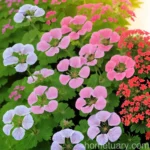
Plant Profile: Geranium pratense (Meadow Cranesbill)
Geranium pratense, commonly known as Meadow Cranesbill, is a perennial flowering plant that is part of the family Geraniaceae. This beautiful plant is native to Europe and Western Asia, where it is found in meadows, woodlands, and hedgerows. It is widely cultivated for its stunning flowers, which come in a variety of colors such as violet, blue, and pink. The plant is easy to grow and care for, making it a popular choice for gardeners looking to add color and vibrancy to their landscapes. In this article, we will explore the characteristics of Geranium pratense, its optimal growing conditions, its uses, and its role in supporting wildlife.
Geranium pratense description
Geranium pratense is a herbaceous perennial plant that typically grows to a height of 60-90 cm (24-36 inches). It is characterized by its deeply lobed, palmate leaves and delicate, five-petaled flowers. The flowers can vary in color from deep violet to pale pink, and they bloom from late spring to mid-summer, adding a splash of color to the garden.
Geranium pratense characteristics
- Height: 60-90 cm (24-36 inches)
- Blooming season: Late spring to mid-summer
- Flower colors: Violet, blue, pink
- Foliage: Deeply lobed, palmate leaves
- Habitat: Meadows, woodlands, hedgerows
- Hardiness Zone: 3-8
Geranium pratense care tips
Water
Geranium pratense prefers consistently moist soil, especially during its active growth period in spring and early summer. However, it is important to ensure that the soil is well-draining to prevent waterlogging, which can lead to root rot. During periods of prolonged drought, supplemental watering may be necessary to keep the plant healthy and thriving.
Sunlight
In terms of sunlight requirements, Meadow Cranesbill thrives in partial shade to full sun. In warmer climates, providing some afternoon shade can help prevent the plant from wilting during the hottest part of the day.
Fertilizer
When it comes to fertilizing Geranium pratense, a balanced, easily absorbed fertilizer can be applied in spring as new growth emerges. This will provide the plant with the nutrients it needs to support healthy foliage and abundant flowers.
Soil
Geranium pratense thrives in well-draining, moderately fertile soil. Amending the soil with organic matter prior to planting can improve its overall structure and fertility, creating an ideal environment for the plant to grow and flourish.
Pruning
After the initial bloom period, removing spent flower stems can encourage a second flush of blooms and promote overall plant health. Additionally, in the fall, cutting back the foliage to ground level can help prepare the plant for the coming winter.
How to grow Geranium pratense
Growing Geranium pratense is relatively straightforward, and it can be grown from seed or obtained as nursery-grown plants. Here are the essential steps for successfully growing Meadow Cranesbill:
-
Site selection: Choose a location with well-draining soil and adequate sunlight. If the soil is heavy or prone to waterlogging, consider amending it with organic matter to improve its drainage capabilities.
-
Planting: Plant geranium pratense in the spring or fall, setting them at the same depth as they were in their nursery containers. Space the plants about 18-24 inches apart to allow for proper airflow and future growth.
-
Watering: Keep the soil consistently moist, especially during the plant’s active growth period. However, be mindful of not overwatering, as this can lead to root rot.
-
Fertilization: Apply a balanced, easily absorbed fertilizer in the spring to provide the plant with the necessary nutrients for healthy growth and abundant blooms.
-
Pruning: Deadhead spent flowers to encourage additional blooming and trim back foliage in the fall to prepare the plant for winter.
-
Winter care: In colder climates, adding a layer of mulch around the base of the plant can help insulate it from extreme temperatures and protect the roots during the winter months.
Geranium pratense planting guide
When planting Geranium pratense, consider the following guidelines to ensure successful establishment and optimal growth:
- Planting time: Spring or fall
- Spacing: 18-24 inches apart
- Soil: Well-draining, moderately fertile
- Sunlight: Partial shade to full sun
- Watering: Keep soil consistently moist, avoiding waterlogging
- Fertilization: Apply balanced fertilizer in spring
- Pruning: Deadhead spent flowers for repeat blooming, trim back in fall
- Winter care: Mulch around the base for insulation in colder climates
Geranium pratense maintenance
Maintaining healthy and vigorous Geranium pratense plants involves regular care and attention. Here are the key maintenance practices for ensuring the best possible growth and blooming:
- Watering: Monitor soil moisture and adjust watering as needed, especially during dry periods.
- Fertilization: Apply a balanced fertilizer in the spring for nutrient support.
- Pruning: Deadhead spent blooms and trim back foliage to promote repeat flowering and maintain plant shape.
- Mulching: Use mulch to retain soil moisture, suppress weeds, and provide insulation during the winter.
- Winter care: In colder climates, protect the plant from extreme temperatures with a layer of mulch around the base.
Geranium pratense varieties
Geranium pratense offers a range of cultivated varieties, each with its own unique characteristics and flower colors. Some popular varieties include:
- ‘Midnight Reiter’: Known for its deep purple foliage and delicate pink flowers.
- ‘Plenum Violaceum’: A double-flowered variety with striking violet blooms.
- ‘Mrs. Kendall Clark’: Featuring bright lilac-pink flowers with contrasting dark veins.
These varieties can add diversity and visual interest to garden beds and borders, allowing for personalization and creative expression in landscaping.
Benefits of Geranium pratense
Aside from its aesthetic appeal, Geranium pratense offers a variety of benefits, both for the garden and the surrounding environment:
- Wildlife attraction: The flowers of Geranium pratense attract pollinators such as bees and butterflies, contributing to the overall biodiversity of the garden.
- Low maintenance: This perennial requires minimal care once established, making it an excellent choice for low-maintenance landscapes.
- Erosion control: The dense foliage of Meadow Cranesbill can help stabilize soil and prevent erosion in garden beds and slopes.
- Long blooming period: With proper care, Geranium pratense can bloom continuously from late spring to mid-summer, providing a long-lasting display of color.
Geranium pratense medicinal properties
In addition to its ornamental value, Geranium pratense has been traditionally used for its medicinal properties. The plant is known for its astringent and anti-inflammatory qualities, and it has been used in herbal medicine for various purposes. The roots and leaves of the plant have been employed in folk medicine for their potential healing properties, offering potential benefits for certain health concerns.
Geranium pratense herbal uses
Geranium pratense has a history of herbal uses, and it has been utilized in traditional medicine for a range of applications. Some herbal uses of Geranium pratense include:
- Astringent properties: The plant has been used to address issues such as diarrhea and gastrointestinal discomfort due to its astringent effects.
- Anti-inflammatory effects: Geranium pratense has been employed to alleviate inflammation and related symptoms in certain traditional medicinal practices.
It is important to note that while Meadow Cranesbill has been used for these purposes historically, individuals should consult with a healthcare professional before using any plant-based remedies for medicinal purposes.
Geranium pratense for pollinators
As a nectar-rich plant, Geranium pratense serves as an important food source for pollinators such as bees and butterflies. By incorporating Meadow Cranesbill into garden landscapes, individuals can support local pollinator populations and contribute to the conservation of these vital species.
Geranium pratense pest control
While Geranium pratense is generally resistant to pests and diseases, certain measures can be taken to further support its vitality and overall plant health:
- Regular inspection: Monitor plants for signs of pest activity, such as chewed leaves or distorted growth.
- Natural predators: Encourage natural predators such as ladybugs and lacewings, which can help control aphids and other potential pests.
- Healthy growing conditions: Provide optimal growing conditions, including appropriate sunlight, moisture levels, and soil fertility, to promote plant vigor and resilience against potential pests.
Geranium pratense disease prevention
Geranium pratense is relatively resistant to many common plant diseases, but proper care and attention can help minimize the risk of potential issues. Here are some disease prevention tips for maintaining healthy Meadow Cranesbill plants:
- Good air circulation: Ensure that plants are not overcrowded and have adequate airflow to minimize the risk of fungal diseases.
- Avoid overhead watering: Water plants at the base to reduce the likelihood of foliar diseases caused by excessive moisture on the leaves.
- Pruning: Regularly deadhead spent flowers and remove damaged foliage to prevent the spread of diseases and maintain plant health.
Geranium pratense companion plants
When planning garden layouts, it can be beneficial to consider suitable companion plants that complement the growth habits and aesthetic qualities of Geranium pratense. Some compatible companion plants for Meadow Cranesbill include:
- Lavender (Lavandula spp.): Both plants thrive in similar growing conditions and offer complementary color and fragrance.
- Salvia (Salvia spp.): Salvia’s upright blooms add vertical interest and contrast to the spreading habit of Geranium pratense.
- Roses (Rosa spp.): The soft, pastel hues of Geranium pratense flowers can harmonize with the blooms of roses, creating a charming display of color.
Careful selection and placement of companion plants can enhance the overall visual appeal and ecological value of garden settings.
Geranium pratense gardening ideas
In garden design, Geranium pratense can be used in various creative and practical ways to achieve visually appealing and functional landscapes. Consider the following gardening ideas for incorporating Meadow Cranesbill into outdoor spaces:
- Mixed borders: Plant Geranium pratense along with other perennials and shrubs to create dynamic and diverse border plantings.
- Wildflower meadows: Integrate Meadow Cranesbill into wildflower meadow designs to add texture and color to naturalistic landscapes.
- Rock gardens: Utilize low-growing varieties of Geranium pratense in rock gardens to fill in gaps and provide a pop of color among the rocks and gravel.
- Pollinator gardens: Include Geranium pratense in pollinator gardens to attract and support a diverse array of beneficial insects, such as bees and butterflies.
By experimenting with various gardening ideas, individuals can unleash the full potential of Meadow Cranesbill in their outdoor spaces and enjoy the beauty and benefits it brings.
Geranium pratense landscaping
When it comes to landscaping with Geranium pratense, there are several considerations to keep in mind to maximize the plant’s ornamental and ecological contributions:
- Color schemes: Select flower colors that complement or contrast with neighboring plants to create visually appealing combinations.
- Layering: Use Geranium pratense in layering schemes, placing taller plants behind shorter ones to create depth and dimension in the landscape.
- Functional groupings: Plant Meadow Cranesbill in functional groupings, such as pollinator-attracting areas or erosion control plantings, to create purposeful and beneficial landscape features.
- Spatial distribution: Consider the spreading habit of Geranium pratense and plan for adequate space allocation to accommodate its growth and prevent crowding of other plants.
Strategic landscaping with Geranium pratense can yield aesthetically pleasing, ecologically beneficial, and purposeful outdoor environments.
Geranium pratense in containers
While Geranium pratense is commonly grown in garden beds and borders, it can also thrive when cultivated in containers. When selecting and maintaining Meadow Cranesbill in containers, several key factors should be considered:
- Container selection: Choose a container with adequate drainage and sufficient depth to accommodate the root system of the plant.
- Potting mix: Use a well-draining potting mix to ensure proper aeration and moisture management for the plant.
- Watering: Monitor soil moisture closely and water the plant as needed to keep the soil consistently moist but not waterlogged.
- Fertilization: Apply a balanced liquid fertilizer to container-grown Geranium pratense to supplement its nutrient needs and support healthy growth.
By incorporating Geranium pratense into container gardening, individuals can enjoy its beauty and benefits even in limited outdoor spaces.
Geranium pratense in different climates
Geranium pratense is adaptable to a range of climates, but certain considerations should be taken into account when growing it in different environmental conditions:
- Warm climates: In warmer regions, provide partial shade and ample moisture to prevent excessive wilting and stress on the plant.
- Cool climates: Meadow Cranesbill thrives in cool, temperate climates and can benefit from a layer of mulch to protect the roots during winter.
- Moisture levels: Regardless of climate, consistent soil moisture is crucial, especially during the plant’s active growth period.
By adjusting care practices to suit the specific climatic conditions, individuals can successfully grow Geranium pratense in various geographical regions.
Geranium pratense propagation methods
Geranium pratense can be propagated through several methods, providing opportunities to increase the plant population and share it with others. Common propagation methods for Meadow Cranesbill include:
- Division: Divide mature clumps of Geranium pratense in the spring to create new plants and rejuvenate existing ones.
- Seed sowing: Collect and sow seeds in the fall or early spring to grow new plants from scratch, allowing for genetic diversity and variation.
By exploring these propagation methods, individuals can expand their Geranium pratense collection and contribute to the spread of this beloved plant.
Geranium pratense soil requirements
For optimal growth and development, Geranium pratense thrives in well-draining, moderately fertile soil. When planting or maintaining Meadow Cranesbill, consider the following soil requirements:
- Drainage: Ensure that the soil drains well to prevent waterlogging and root rot, especially in periods of excessive moisture.
- Fertility: Amend the soil with organic matter to enhance its fertility and overall structure, providing a supportive growing medium for the plant.
Meeting these soil requirements can create an ideal foundation for the vitality and vibrancy of Geranium pratense in garden settings.
Geranium pratense pruning techniques
Pruning Geranium pratense is an essential aspect of its care and maintenance, helping to promote repeat blooming and maintain plant health. When practicing pruning techniques on Meadow Cranesbill, keep the following tips in mind:
- Deadheading: Remove spent flowers promptly to encourage additional blooming and prevent seed formation.
- Fall pruning: Trim back the foliage to ground level in the fall to prepare the plant for winter dormancy and to maintain a tidy appearance.
- General maintenance: Remove any damaged or diseased foliage throughout the growing season to support the overall health of the plant.
By implementing appropriate pruning techniques, individuals can enhance the visual appeal and longevity of their Geranium pratense plants.
Geranium pratense seasonal care
Throughout the year, Geranium pratense requires specific care tailored to the changing seasons to ensure its well-being and performance. Consider the following seasonal care guidelines for Meadow Cranesbill:
- Spring: Apply a balanced fertilizer as new growth emerges and divide mature clumps if needed.
- Summer: Monitor soil moisture closely and deadhead spent flowers regularly to promote continuous blooming.
- Fall: Trim back the foliage to ground level and provide a layer of mulch for winter protection in colder climates.
- Winter: Insulate the plant with mulch and protect it from extreme temperatures to support its survival and preparation for the following growing season.
By addressing the plant’s needs in each season, individuals can help Geranium pratense thrive year-round.
Geranium pratense water needs
Watering plays a crucial role in the health and vitality of Geranium pratense, and understanding the plant’s water needs is essential for promoting optimal growth. When addressing the water needs of Meadow Cranesbill, consider the following guidelines:
- Consistent moisture: Keep the soil consistently moist, especially during periods of active growth and flowering.
- Avoid waterlogging: Ensure that the soil drains well to prevent waterlogging, which can lead to root rot and other issues.
By maintaining appropriate soil moisture levels, individuals can support the vigor and blooming performance of Geranium pratense.
Geranium pratense sunlight requirements
Proper sunlight exposure is vital for the growth and blooming of Geranium pratense, and understanding its sunlight requirements is essential for successful cultivation. When determining the sunlight needs of Meadow Cranesbill, keep the following considerations in mind:
- Partial shade to full sun: Geranium pratense thrives in locations with partial shade to full sun, preferring brighter light for optimal performance.
- Afternoon shade: In warmer climates, consider providing some afternoon shade to protect the plant from excessive heat and potential stress.
By meeting the plant’s sunlight requirements, individuals can ensure that Geranium pratense receives the necessary light for healthy growth and abundant flowering.
Geranium pratense flowering period
The flowering period of Geranium pratense typically spans from late spring to mid-summer, offering a delightful display of blooms and adding vibrant colors to the garden. As Meadow Cranesbill blooms, it attracts pollinators such as bees and butterflies, contributing to the overall biodiversity of the garden and providing a visually captivating experience for onlookers.
Geranium pratense foliage color
The foliage of Geranium pratense is characterized by its deeply lobed, palmate leaves, which provide an attractive backdrop to the plant’s delicate flowers. The foliage color of Meadow Cranesbill varies from deep green to rich purple, enriching the overall visual appeal of the plant and contributing to its ornamental value throughout the growing season.
Geranium pratense wildlife habitat
As a nectar-rich plant, Geranium pratense serves as a valuable habitat and food source for a variety of wildlife, particularly pollinators such as bees and butterflies. By providing Meadow Cranesbill in garden landscapes, individuals can support and promote the proliferation of these beneficial species, contributing to the conservation of local wildlife and ecological balance.
Geranium pratense hardiness zones
Geranium pratense is well-suited to hardiness zones 3-8, making it adaptable to a broad geographic range and diverse climatic conditions. With its resilience and adaptability, Meadow Cranesbill thrives in various areas, contributing to the beauty and biodiversity of gardens across different hardiness zones.
Geranium pratense drought tolerance
While Geranium pratense prefers consistent soil moisture, it exhibits a reasonable degree of drought tolerance once established. The deep root system of Meadow Cranesbill enables it to access moisture from lower soil layers, allowing the plant to endure temporary dry periods with minimal stress, provided that it receives adequate moisture when necessary.
Geranium pratense frost tolerance
Geranium pratense demonstrates a good level of frost tolerance, enabling it to withstand colder temperatures common in temperate and cooler climates. With proper winter care, including mulching and protection from extreme freezing conditions, Meadow Cranesbill can endure and survive winter frosts, emerging vigorously in the following growing season.
Geranium pratense winter preparation
As the growing season draws