Corymbia Ficifolia (Red Flowering Gum)
Corymbia ficifolia, commonly known as the Red Flowering Gum, is a stunning Australian native tree celebrated for its vibrant scarlet blossoms. This.
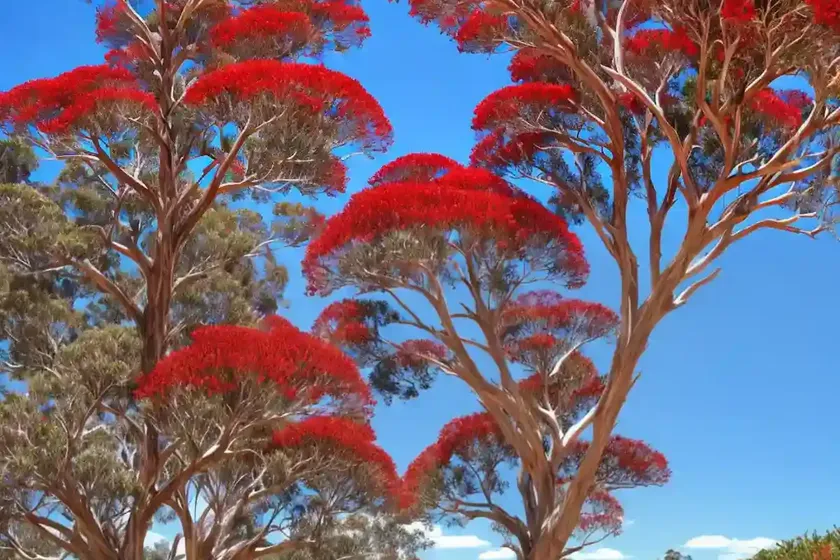
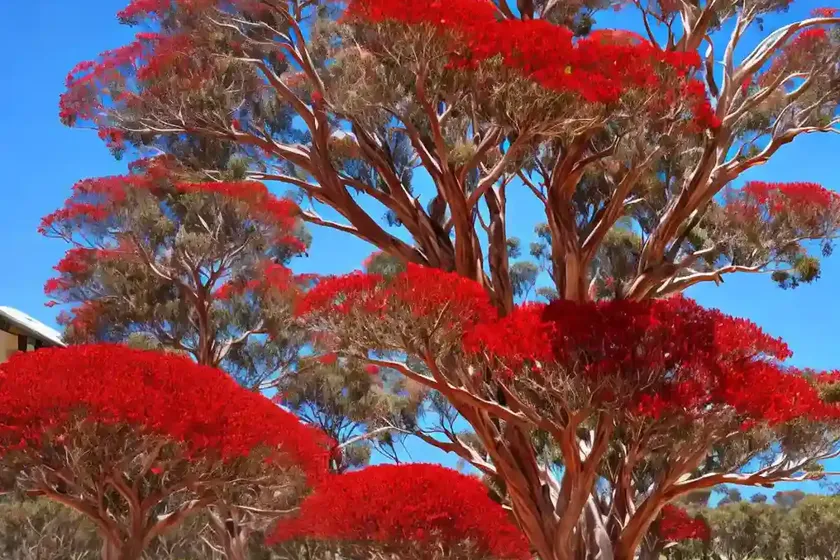
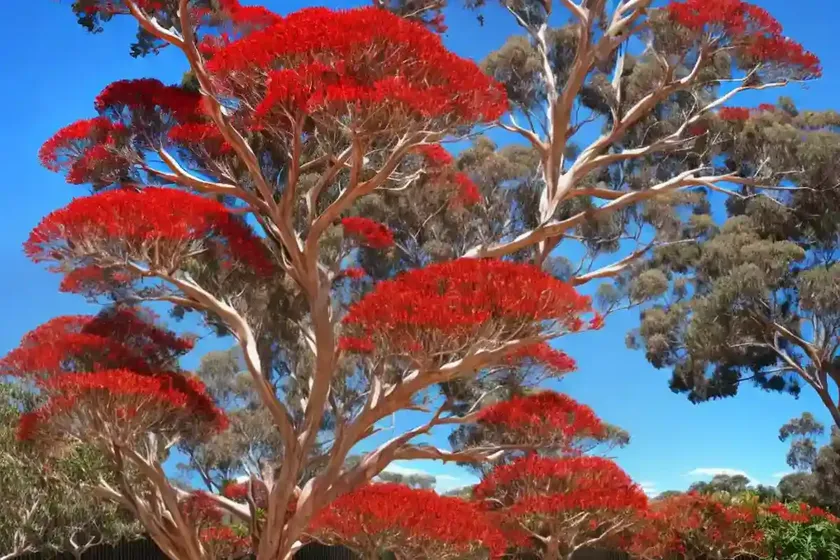
Corymbia ficifolia, commonly known as the Red Flowering Gum, is a stunning Australian native tree celebrated for its vibrant scarlet blossoms. This ornamental gum tree species has captured the attention of both gardening enthusiasts and plant scientists alike for its unique characteristics and cultural significance. In this comprehensive guide, we will delve into the cultivation, uses, care requirements, and maintenance of Corymbia ficifolia. Additionally, we will explore its habitat, propagation, common diseases, and pests, while providing valuable insights and tips from botanists.
What is Corymbia ficifolia?
Corymbia ficifolia, a member of the Myrtaceae family, is a species of small to medium-sized flowering trees indigenous to the southwest region of Western Australia. This eucalyptus variety is renowned for its profusion of vibrant, red flowers that adorn the tree, creating a spectacular display. The striking visual appeal of the Red Flowering Gum makes it a sought-after choice for landscaping and garden enthusiasts.
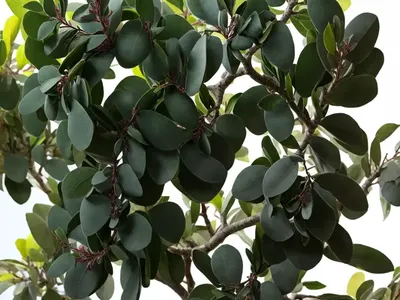
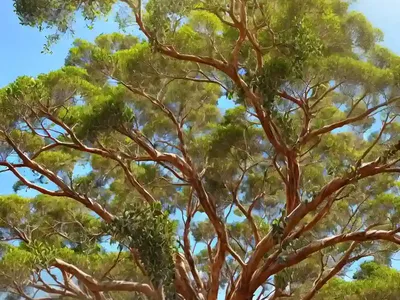
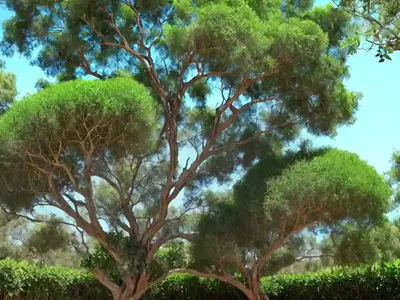
The botanical characteristics of Corymbia ficifolia include its glossy, dark green leaves, with new growth often displaying an attractive bronze tint. The tree typically reaches a height of 10 to 25 meters and features a smooth, powdery white to pinkish bark that sheds in ribbons. The majestic display of scarlet flowers and the unique aesthetics of its trunk and foliage make the Corymbia ficifolia a standout feature in any environment.
Key Takeaways – Corymbia ficifolia (Red Flowering Gum)
Corymbia ficifolia, also known as the Red Flowering Gum, is a striking and versatile plant with numerous uses and benefits. Let’s explore the key takeaways related to the cultivation, care, and characteristics of this iconic Australian native tree.
Culture
- Scientific Name: Corymbia ficifolia
- Common Name: Red Flowering Gum
- Family: Myrtaceae
- Genus: Corymbia
- Origin: Indigenous to the southwestern region of Western Australia
- Flowering Time: Typically blooms in the summer months
Uses
- Ornamental Purposes: Valued for its striking red flowers and ornamental appeal
- Landscaping: Ideal for gardens, parks, and urban landscaping due to its visual impact
- Wildlife Attraction: Attracts native bird species, such as parrots and honeyeaters
- Cultural Significance: Holds cultural importance for Indigenous Australian communities
Water
- Watering Needs: Moderate water requirements; resilient in periods of drought once established
- Well-Drained Soil: Thrives in well-drained soil conditions to prevent waterlogging
Sunlight
- Sun Exposure: Prefers full sun to partial shade
- Light Requirements: Flourishes in bright, sunny conditions
Fertilizer
- Nutrient Requirements: Relatively low-maintenance; minimal fertilizer needed
- Balanced Fertilizer: Benefits from occasional application of balanced, slow-release fertilizer
Soil
- Soil Type: Adaptable to various soil types, but thrives in well-drained, fertile soil
- Acidic Soil: Shows preference for slightly acidic soil conditions
Pruning
- Pruning Needs: Minimal pruning required for shaping and removing dead or damaged branches
- Post-Flowering Pruning: Best to prune after flowering to encourage new growth and maintain shape
Propagation
- Propagation Methods: Can be propagated from seeds or cuttings
- Seed Germination: Seeds may require scarification for successful germination
- Cutting Propagation: Softwood cuttings in the warmer months can yield successful propagation
Container Popularity
- Container Cultivation: Suitable for container growth in large pots or containers
- Urban Landscaping: Provides a striking feature in urban environments and patio settings
Common Diseases
- Pest and Disease Resistance: Generally resilient but susceptible to certain diseases and pests
- Preventative Care: Regular inspection and maintenance to prevent common diseases
Botanist’s Tips
- Environmental Adaptability: Adaptable to a range of climates and soil conditions
- Drought Tolerance: Exhibits resilience to periods of drought once established
- Wildlife Habitat: Serves as a valuable habitat and food source for native bird species
Fun Facts
- Nectar Production: Known for producing copious amounts of nectar, attracting nectar-feeding birds
- Cultural Symbolism: Holds cultural and symbolic significance in Australian indigenous cultures
- Aesthetic Appeal: Renowned for its vivid scarlet blossoms and decorative foliage
Links to External Resources
For additional information on Corymbia ficifolia and related topics, explore the following resources:
- The Australian Native Plant Society (Australia) – Corymbia ficifolia
- Royal Botanic Gardens Victoria – Corymbia ficifolia
- Australian National Botanic Gardens – Eucalyptus ficifolia
- GardensOnline – Corymbia ficifolia
Cultivation and Care of Corymbia ficifolia
Corymbia ficifolia, with its dazzling red flowers and iconic presence, requires specific care and maintenance to thrive in various environments. Let’s explore the essential aspects of its cultivation and care to ensure the optimal growth and health of this indigenous Australian plant.
Water Needs
Proper moisture management is crucial for the health and vitality of Corymbia ficifolia. While it exhibits a degree of drought tolerance once established, adequate watering is essential, particularly during its early growth stages and dry spells. Here are some key considerations for watering this vibrant flowering gum tree:
- Establishment Phase: During the initial planting and establishment phase, it is important to provide regular and consistent watering to support root development.
- Soil Moisture: Monitor soil moisture levels, ensuring that the soil remains evenly moist but not waterlogged.
- Drought Resistance: Once mature, Corymbia ficifolia demonstrates resilience to moderate periods of drought, making it suitable for arid and semi-arid environments.
- Summer Watering: Increase watering during hot summer months to mitigate water stress and promote flowering.
Sunlight Requirements
The Red Flowering Gum thrives in bright, sunny conditions and exhibits a preference for full sun exposure. To ensure its healthy growth and prolific flowering, consider the following sunlight requirements:
- Full Sun: Position the tree in a location that receives ample sunlight throughout the day, preferably with minimal shading from surrounding structures or trees.
- Optimal Photosynthesis: Adequate sunlight promotes robust photosynthetic activity, supporting healthy foliage and vibrant flower production.
- Partial Shade: While it prefers full sun, Corymbia ficifolia can tolerate some degree of partial shade, particularly in regions with intense summer heat.
Fertilization
Corymbia ficifolia generally has modest nutrient requirements and does not demand intensive fertilization. However, periodic feeding with a balanced, slow-release fertilizer can enhance its vigor and flowering potential. Consider the following guidelines for fertilizing the Red Flowering Gum:
- Balanced Fertilizer: Apply a balanced, slow-release fertilizer specifically formulated for flowering trees in early spring to stimulate growth and blooming.
- Minimal Fertilization: Given its adaptability and resilience, refrain from excessive or frequent fertilization, as this can lead to nutrient imbalances and potential adverse effects.
Soil Preferences
A well-drained and fertile soil substrate is advantageous for supporting the growth and development of Corymbia ficifolia. Pay attention to the following soil considerations to create an optimal growing environment for the Red Flowering Gum:
- Well-Drained Soil: Ensure that the planting site and cultivation area have well-drained soil to prevent waterlogging, which can compromise root health.
- Soil pH: Corymbia ficifolia thrives in moderately acidic to slightly acidic soil conditions, with a pH range of approximately 5.5 to 6.5.
- Soil Amendments: Incorporating organic matter, such as compost or well-rotted manure, can enhance soil fertility and structure, promoting favorable growing conditions.
Pruning and Maintenance
Pruning plays a role in shaping and enhancing the overall appearance of Corymbia ficifolia, as well as promoting healthy growth and flowering. Implement the following practices for effective pruning and maintenance of the Red Flowering Gum:
- Post-Flowering Pruning: Perform pruning immediately after the flowering period to remove spent blooms and encourage new growth.
- Minimal Pruning: Exercise restraint in pruning, focusing on selective removal of dead or diseased branches, as well as occasional shaping to maintain a desirable form.
- Pruning Cut Care: Ensure that pruning cuts are clean and precise, minimizing the risk of damage and disease entry points.
These cultural practices are integral in ensuring the successful cultivation and management of Corymbia ficifolia, preserving its visual allure and ecological value.
Propagation and Container Cultivation
The propagation of Corymbia ficifolia presents an opportunity to expand its presence and share its captivating beauty in various settings. Additionally, container cultivation offers versatility and adaptability, allowing for the incorporation of the Red Flowering Gum in urban and confined environments. Here’s a closer look at propagation methods and the suitability of container growth for this distinctive Australian tree.
Propagation Techniques
Corymbia ficifolia can be propagated by both seeds and cuttings, each method offering its own unique advantages and considerations. Understanding the principles of successful propagation is essential for fostering the propagation of this red-flowered eucalyptus species:
Seed Propagation
- Seed Collection: Collect seeds from mature Corymbia ficifolia fruits, ensuring that the seeds are viable and free from deformities.
- Seed Scarification: Some varieties may benefit from seed scarification to improve germination rates, as the hard seed coat can inhibit sprouting.
- Seed Sowing: Plant the seeds in a well-draining propagation medium at a depth approximately twice the diameter of the seeds.
- Germination Conditions: Provide consistent moisture and warmth to facilitate germination, typically occurring within 2 to 6 weeks under optimal conditions.
Cutting Propagation
- Selection of Cuttings: Choose healthy, non-flowering shoots for softwood cutting propagation, ensuring that the cuttings exhibit vigorous growth and lack signs of disease or damage.
- Propagation Medium: Prepare a propagation medium using a well-draining blend of perlite, vermiculite, or coarse sand to support root development.
- Rooting Hormone: Induce rooting with the application of a suitable rooting hormone to the basal ends of the cuttings, enhancing the likelihood of successful establishment.
- Warm, Humid Environment: Maintain a warm and humid environment to promote root initiation and prevent desiccation of the cuttings.
Container Cultivation
Corymbia ficifolia proves to be an adaptable and visually captivating choice for container cultivation, offering an attractive and versatile feature in urban and restricted spaces. The following considerations are essential for successful container growth of the Red Flowering Gum:
- Container Size: Select a spacious and sturdy container with adequate drainage holes to accommodate the growth of the tree’s root system.
- Potting Medium: Utilize a well-draining potting mix tailored for woody plants to promote healthy root development and prevent water stagnation.
- Maintenance Requirements: Regular monitoring of soil moisture and fertility, along with potential re-potting as the tree grows, is crucial for sustaining containerized Corymbia ficifolia.
The propagation and container cultivation of Corymbia ficifolia offer exciting opportunities to expand its presence and integrate it into diverse landscapes and horticultural settings, amplifying its visual impact and botanical significance.
Common Diseases and Pest Management
While Corymbia ficifolia exhibits resilience and vigor, it is susceptible to certain diseases and pests that can impact its health and ornamental quality. Understanding common diseases and pests, along with proactive management measures, is essential for ensuring the well-being of the Red Flowering Gum.
Disease Diagnosis
Corymbia ficifolia may experience susceptibility to certain fungal diseases, including:
- Leaf Spot: Manifests as circular, discolored lesions on the foliage, potentially leading to defoliation and reduced aesthetic appeal.
- Canker Diseases: Characterized by sunken, necrotic lesions on the trunk and branches, posing a risk to the structural integrity of the tree.
Prompt diagnosis and appropriate management of these diseases are imperative to safeguard the health and vitality of Corymbia ficifolia.
Common Pests
- Lerp Psyllid: The presence of lerp psyllid insects can lead to the formation of lerps, protective coverings on the foliage, and may result in defoliation and diminished vigor.
- Borers: Borer infestations in the trunk and branches can compromise the structural integrity of the tree and impede its overall health.
Engaging in proactive pest monitoring and implementing targeted management strategies can effectively mitigate pest-related concerns and sustain the visual allure of the Red Flowering Gum.
Botanist’s Tips and Insights
Drawing upon botanical expertise and insights from horticultural professionals, the following tips and insights shed light on the unique and distinctive characteristics of Corymbia ficifolia, guiding enthusiasts and cultivators in their appreciation and preservation of this iconic Australian native plant.
Environmental Adaptability
Corymbia ficifolia exhibits an admirable degree of environmental adaptability, thriving in diverse climatic conditions and soil types. This adaptability positions it as a valuable and versatile addition to landscapes and gardens, offering aesthetic appeal and ecological benefits.
Drought Tolerance
The Red Flowering Gum demonstrates impressive drought tolerance once it is established, making it a practical and resilient choice for regions prone to water scarcity and periodic drought conditions. This resilience aids in its successful establishment and maintenance in arid and semi-arid environments.
Wildlife Habitat and Nectar Source
Corymbia ficifolia serves as a valuable habitat and nectar source for native bird species, such as parrots and honeyeaters. Its profusion of nectar-rich flowers not only contributes to the visual spectacle but also supports local wildlife populations, fostering ecological diversity.
These botanical insights offer valuable perspectives on the adaptive qualities and ecological significance of Corymbia ficifolia, enriching the understanding and appreciation of this iconic Australian flora.
Fun Facts about Corymbia ficifolia
Exploring the captivating allure and cultural significance of Corymbia ficifolia, the following fun facts highlight its distinctive features and diverse roles in horticulture and ecological contexts, adding depth to its botanical narrative:
Nectar Production
The Red Flowering Gum is celebrated for its copious nectar production, attracting an array of nectar-feeding birds that contribute to the vibrancy of garden ecosystems. Its status as a prolific nectar source enhances its ecological value and significance for native wildlife.
Cultural Symbolism
In Indigenous Australian cultures, Corymbia ficifolia holds cultural and symbolic importance, with its striking red flowers symbolizing vitality, resilience, and connection to the land. Its presence in traditional narratives and customs underscores its rich cultural resonance.
Aesthetic Appeal
Renowned for its vivid scarlet blossoms and decorative foliage, the Red Flowering Gum is a testament to nature’s artistry, captivating the imagination and inspiring admiration for its aesthetic beauty and horticultural value.
Red Flowering Gum in Landscaping and Gardens
The iconic presence and vibrant floral display of Corymbia ficifolia inspire various landscaping and garden concepts, offering a wealth of creative possibilities for integrating this Australian native tree into diverse outdoor spaces. Let’s explore some landscaping ideas and applications that showcase the utilization and aesthetic potential of the Red Flowering Gum:
- Focal Point: Position Corymbia ficifolia as a focal point within garden beds or landscaped areas, allowing its striking red blossoms to command attention and create visual interest.
- Mixed Planting: Pair the Red Flowering Gum with complementary shrubs and perennials to create dynamic and visually appealing plant combinations, enhancing the overall landscape design.
- Street Planting: Incorporate Corymbia ficifolia in street plantings and urban landscapes to introduce vibrant color and heighten the aesthetic appeal of public spaces.
- Wildlife Gardens: Integrate the Red Flowering Gum into wildlife-friendly gardens, attracting native bird species and facilitating habitat creation within urban and suburban environments.
- Coastal Landscapes: Utilize Corymbia ficifolia in coastal landscapes to benefit from its resilience to salt-laden winds and its capacity to thrive in coastal conditions.
The striking beauty and versatility of Corymbia ficifolia make it an invaluable asset in landscape design, offering a rich tapestry of visual splendor and ecological functionality.
Medicinal and Cultural Uses of Corymbia ficifolia
The traditional and indigenous significance of Corymbia ficifolia extends beyond its ornamental appeal, encompassing medicinal and cultural uses that emphasize its broader contribution to human well-being and cultural heritage. Let’s explore some medicinal and cultural applications associated with this revered Australian native tree:
Medicinal Properties
- Traditional Remedies: Within Indigenous Australian cultures, various parts of Corymbia ficifolia were used in traditional remedies for alleviating ailments and fostering well-being.
- Aromatic Oils: The tree yields aromatic oils that have been explored for their potential therapeutic qualities, with applications in aromatherapy and holistic wellness practices.
Cultural Significance
- Ceremonial Use: Corymbia ficifolia has cultural significance in traditional ceremonies and gatherings, symbolizing vitality, connection to the land, and cultural identity within Indigenous communities.
- Cultural Practices: The tree’s presence in cultural narratives and practices underscores its enduring significance and resonance in the cultural fabric of Australia.
These medicinal and cultural dimensions add depth and nuance to the botanical narrative of Corymbia ficifolia, illuminating its multi-faceted role as a source of healing, symbolism, and traditional wisdom.
Pollination and Habitat Enrichment
Corymbia ficifolia’s profusion of vibrant red flowers serves as a beacon for pollinators and contributes to the enrichment of local habitats, promoting ecological diversity and sustaining native wildlife populations. Let’s explore the pollination dynamics and habitat enrichment associated with the Red Flowering Gum:
Pollination Ecology
- Nectar-Rich Flowers: The abundant nectar production of Corymbia ficifolia flowers attracts pollinators, including native bird species and insects, fostering pollination and facilitating seed set.
- Ecological Services: The pollination services provided by wildlife contribute to the reproductive success of the tree and support the broader ecological network within its habitat.
Habitat Enrichment
- Wildlife Support: The presence of Corymbia ficifolia serves as a vital habitat element, offering food and shelter for native bird species and wildlife, enriching the ecological tapestry of the region.
- Ecological Connectivity: By fostering habitat enrichment, the Red Flowering Gum contributes to the interconnectedness of local ecosystems and sustains the biodiversity of its surroundings.
The pollination dynamics and habitat enrichment facilitated by Corymbia ficifolia underscore its integral role in supporting