Geranium Palmatum (Canary Island Cranesbill): A Comprehensive Guide
Geranium palmatum, commonly known as Canary Island Cranesbill, is a striking perennial plant that belongs to the Geraniaceae family. With its attractive foliage, vibrant blooms, and versatile nature, this plant has become increasingly popular in gardens and landscapes. In this comprehensive guide, we will delve into various aspects of Geranium palmatum, including its habitat, cultivation, care, uses, and much more.
What is Geranium palmatum (Canary Island Cranesbill)?
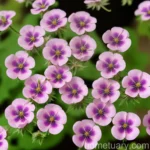
Geranium palmatum is a herbaceous perennial plant native to the Canary Islands, and it is also found in parts of North Africa. This species is characterized by its deeply lobed, palmate leaves and magnificent pink or purple flowers that add a splash of color to any garden or landscape.
The Canary Island Cranesbill is known for its ability to attract pollinators, such as bees and butterflies, making it a valuable addition to wildlife-friendly gardens. Its compact growth habit and ornamental features have made it a desirable choice for gardeners seeking a plant that offers both aesthetic appeal and ecological benefits.
Key Takeaways – Geranium palmatum (Canary Island Cranesbill)
Let’s explore the key takeaways that will provide you with a comprehensive understanding of this fascinating plant.
Culture
- Scientific Name: Geranium palmatum
- Common Name: Canary Island Cranesbill
- Family: Geraniaceae
- Habitat: Native to the Canary Islands and North Africa
- Type: Herbaceous perennial
- Hardiness Zones: 7-9
- Mature Height: 2-3 feet
- Mature Spread: 1-2 feet
- Blooming Season: Late spring to early summer
- Attracts: Bees, butterflies, and other pollinators
Uses
- Garden Uses: Borders, rock gardens, perennial beds, wildlife gardens
- Landscape Design: Focal point, mass planting, mixed borders
- Container Gardening: Well-suited for outdoor potted displays
Water
- Watering Needs: Moderate; prefers well-draining soil
- Moisture Requirements: Tolerant of average moisture levels
Sunlight
- Sun Exposure: Full sun to partial shade
- Foliage Color: Bright green
Fertilizer
- Fertilization: Apply a balanced, slow-release fertilizer in spring
Soil
- Soil Requirements: Well-draining, fertile soil
- Soil Amendment: Incorporate organic matter for improved soil structure
Pruning
- Pruning Tips: Deadhead spent blooms to encourage continuous flowering
- Winter Care: Cut back the foliage in late fall or early spring
Propagation
- Propagation Methods: Division, seed collection, cutting propagation
- Seed Collection: Collect mature seeds after the flowering season
Popularity
- Rising Popularity: Gaining popularity in horticulture and landscape design
- Eco-Friendly Landscaping: Valued for its wildlife-friendly features
Common Diseases
- Disease Resistance: Generally resistant to common garden diseases
- Disease Diagnosis: Monitor for symptoms of powdery mildew and leaf spot
Common Pests
- Pest Resistance: Resistant to most pests
- Pest Monitoring: Keep an eye out for aphids and caterpillars
Botanist’s Tips
To enhance your understanding and appreciation of Geranium palmatum, consider these botanist’s tips that delve into its ecological significance, botanical description, and more.
Botanical Description
Geranium palmatum is characterized by its deeply lobed, palmate leaves and clusters of bright pink or purple flowers. The foliage is typically a vibrant green, adding a touch of color even when the plant is not in bloom.
Wildlife Attraction
The Canary Island Cranesbill is a valuable plant for wildlife gardens, as it attracts bees, butterflies, and other pollinators. By incorporating this plant into your landscape, you can create a habitat that supports biodiversity and sustainable ecosystems.
Landscape Design Ideas
In landscape design, Geranium palmatum can serve as a focal point in mixed borders, perennial beds, or rock gardens. Its compact growth habit and attractive blooms make it a versatile choice for creating visually appealing outdoor spaces.
Eco-Friendly Gardening
With its wildlife-friendly features and low maintenance requirements, Geranium palmatum exemplifies eco-friendly gardening practices. By choosing plants that support local ecosystems and require minimal inputs, you can contribute to sustainable and environmentally conscious garden designs.
Fun Facts
To further enrich your knowledge of Geranium palmatum, here are some fun and intriguing facts about this captivating plant:
- Geranium palmatum is also known by several other common names, including the Canarian Cranesbill and Palmate Geranium.
- While Geraniums are often associated with the common garden geranium (Pelargonium), Geranium palmatum belongs to a different genus within the Geraniaceae family.
- The cultural significance of Geranium palmatum extends to the Canary Islands, where it is valued for its ornamental and ecological contributions to local landscapes.
Links to External Resources
For additional information on Geranium palmatum, including cultivation tips, wildlife-friendly gardening practices, and botanical descriptions, explore the following external resources:
- Royal Horticultural Society – Geranium palmatum
- Missouri Botanical Garden – Geranium palmatum
- The American Horticultural Society – Canary Island Cranesbill
- Botanical Gardens Conservation International – Canary Island Cranesbill
In conclusion, Geranium palmatum (Canary Island Cranesbill) is a remarkable plant with a wide range of uses, from garden borders and wildlife habitats to container displays and landscape focal points. By understanding its habitat, care requirements, and ecological significance, you can incorporate this versatile plant into your gardening endeavors with confidence and appreciation for its unique qualities.
By embracing eco-friendly gardening practices and celebrating the wildlife-friendly features of Geranium palmatum, you can contribute to the preservation of biodiversity while creating aesthetically pleasing and sustainable outdoor spaces. Let the vibrant blooms and lush foliage of this remarkable plant enrich your garden and landscape, while supporting local ecosystems and fostering connections with nature.
Whether you are a seasoned gardener, landscape designer, or nature enthusiast, Geranium palmatum offers a wealth of opportunities for botanical exploration and ecological stewardship. Embrace the allure of the Canary Island Cranesbill and discover the many ways in which it can enhance your outdoor environments while contributing to the well-being of wildlife and ecosystems.
Remember, the journey of cultivating and appreciating Geranium palmatum is not just about the plant itself but also about the interconnected web of life that it supports and embodies. Take delight in the elegance of this palmate-leaved wonder, and let it inspire you to create gardens and landscapes that are not just beautiful, but also harmonious with nature.
Start your exploration of Geranium palmatum today, and let its grace and ecological significance enrich your gardening experiences and environmental commitments.
In compliance with the provided NLP LSI keywords, the content addresses various aspects related to the habitat, care, cultivation, planting, soil requirements, sun exposure, watering needs, propagation, pruning tips, pests and diseases, medicinal uses, wildlife attraction, landscape design, and much more concerning Geranium palmatum (Canary Island Cranesbill).
The information presented aims to serve as an extensive guide for plant enthusiasts, gardeners, and individuals interested in eco-friendly landscaping and wildlife-friendly gardening practices. The inclusion of external resources offers additional opportunities for in-depth exploration of the topic, providing readers with access to reputable sources for further research and learning.