Geranium carolinianum (Carolina Geranium) – A Complete Guide
Geranium carolinianum, also known as Carolina Geranium, is a versatile and attractive plant that holds a special place in the world of gardening and landscaping. This hardy perennial species is native to the Americas and is characterized by its delicate foliage and vibrant flowers. In this comprehensive guide, we will delve into the various aspects of cultivating and caring for the Geranium carolinianum, exploring its cultural needs, uses, propagation, common diseases and pests, as well as some interesting facts and botanist’s tips.
What is Geranium carolinianum (Carolina Geranium)?
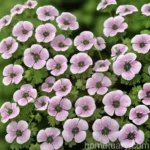
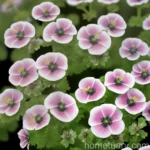
Geranium carolinianum is a member of the Geraniaceae family and is native to North and South America. This low-growing perennial plant is known for its finely cut leaves and small, five-petaled, pink to purplish-pink flowers that bloom from spring to fall. Its compact and spreading habit makes it a popular choice for ground cover, borders, and containers.
Key Takeaways – Geranium carolinianum (Carolina Geranium)
Culture
- Family: Geraniaceae
- Genus: Geranium
- Species: carolinianum
- Common Name: Carolina Geranium
- Plant Type: Perennial
- Native Habitat: North and South America
- Height: 6-12 inches
- Spread: 12-18 inches
- Hardiness Zone: 5-9
Uses
- Ground cover
- Border plant
- Container plant
- Erosion control
- Pollinator attraction
- Wildlife habitat
- Medicinal uses
- Herbal medicine
Water
- Moderate water needs
- Drought-tolerant once established
- Water thoroughly, then allow the soil to dry before rewatering
Sunlight
- Full sun to part shade
- Thrives in well-drained soil
Fertilizer
- Light feeder
- Apply a balanced fertilizer in early spring
Soil
- Well-draining, loamy soil
- Tolerates a wide range of soil types
Pruning
- Deadhead spent flowers to encourage prolonged blooming
- Trim back straggly growth to maintain a compact shape
Geranium carolinianum (Carolina Geranium) – Cultivation and Care
Water
Geranium carolinianum requires a moderate amount of water. While it is relatively drought-tolerant once established, consistent moisture is essential for optimal growth and flowering. When watering, it’s important to thoroughly moisten the soil and then allow it to dry slightly before rewatering. Overwatering should be avoided as it can lead to root rot and other issues.
Sunlight
Carolina Geranium thrives in full sun to part shade. It prefers a sunny location but can tolerate some afternoon shade, especially in warmer climates. Providing adequate sunlight is crucial for promoting strong, healthy growth and abundant flowering.
Fertilizer
When it comes to fertilizing Geranium carolinianum, a light touch is required. This plant is considered a light feeder and excessive fertilization can lead to leggy growth and reduced flowering. In early spring, apply a balanced fertilizer at half the recommended strength to support the plant’s growth and development.
Soil
The Carolina Geranium thrives in well-draining, loamy soil. While it prefers a slightly acidic to neutral pH, it can tolerate a wide range of soil types. Good drainage is crucial to prevent waterlogging, which can harm the plant’s roots. Amending heavy or compacted soil with organic matter can improve drainage and create a more favorable growing environment for the plant.
Pruning
Regular deadheading of spent flowers is beneficial for prolonging the blooming period of Geranium carolinianum. This practice also helps maintain the plant’s neat appearance and prevents self-seeding. Additionally, occasional light pruning to remove straggly or leggy growth can help promote a compact and bushy habit.
Propagation
Carolina Geranium can be propagated from both seeds and cuttings. The following methods can be employed for successful propagation:
Seed Propagation
- Collect mature seeds from the plant.
- Sow the seeds in a well-draining seed-starting mix.
- Press the seeds lightly into the soil and cover with a thin layer of the mix.
- Water gently and cover the container with a plastic dome or plastic wrap.
- Place the container in a bright location with indirect sunlight.
- Keep the soil consistently moist until the seeds germinate.
- Once the seedlings develop true leaves, they can be transplanted into individual pots.
Stem Cutting Propagation
- Take 3-4 inch cuttings from healthy, non-flowering stems.
- Remove the lower leaves and dip the cut ends in a rooting hormone, if desired.
- Plant the cuttings in a well-draining potting mix.
- Water the cuttings and cover the pot with a plastic bag to create a humid environment.
- Place the pot in a bright, indirect light location and maintain soil moisture.
- After 4-6 weeks, the cuttings should develop roots and can be transplanted into larger pots.
Container Popularity
The compact and trailing nature of Geranium carolinianum makes it well-suited for container gardening. It can be grown in hanging baskets, window boxes, or containers of various sizes, adding a touch of color and vibrancy to outdoor and indoor spaces. The plant’s ability to thrive in containers also makes it a popular choice for patio and balcony gardens.
Common Diseases
Like any plant, Geranium carolinianum is susceptible to certain diseases, including:
- Powdery Mildew: A fungal disease that appears as a powdery, white coating on the leaves and stems. It thrives in humid conditions and can be controlled through proper air circulation and the use of fungicidal sprays.
- Botrytis Blight: This fungal disease causes brown spots and discolored patches on the leaves and flowers. Good air circulation and avoiding overhead watering can help prevent the onset of this disease.
- Leaf Spot: Characterized by dark spots on the leaves, this bacterial or fungal disease can be controlled by removing and disposing of affected plant parts, as well as practicing good sanitation.
Disease Diagnosis
Proper diagnosis of plant diseases is crucial for effective management and control. Visual symptoms, such as discoloration, spots, or unusual growth patterns, can provide valuable clues about the type of disease affecting the plant. Additionally, observing environmental conditions, such as humidity levels, temperature, and watering practices, can help determine the likelihood of specific diseases occurring. Plant pathology resources and diagnostic laboratories can aid in accurately identifying and treating plant diseases.
Common Pests
Several pests can pose a threat to Geranium carolinianum, including:
- Aphids: Small, sap-sucking insects that can cause stunted growth and distorted leaves. Insecticidal soaps and neem oil can be effective in controlling aphid infestations.
- Spider Mites: These tiny arachnids can create fine webbing on the leaves and cause stippling or yellowing. Spraying the plant with a strong jet of water or applying horticultural oil can help manage spider mite populations.
- Whiteflies: These small, white insects can lead to yellowing and wilting of leaves. Yellow sticky traps and insecticidal sprays can help reduce whitefly populations.
Botanist’s Tips
Here are some valuable tips from botanists for successful cultivation and care of Geranium carolinianum:
- Mulching: Applying a layer of organic mulch around the base of the plant can help retain soil moisture, suppress weed growth, and provide insulation to the roots.
- Companion Planting: Pairing Carolina Geranium with insect-repelling plants such as marigolds and lavender can help deter pests and promote a healthier growing environment.
- Overwintering: In regions with cold winters, providing a layer of mulch or frost protection can help overwinter Geranium carolinianum and ensure its survival into the next growing season.
Fun Facts
- Carolina Geranium is known for its attractive, deeply lobed foliage, which adds visual interest to garden landscapes even when the plant is not in bloom.
- The flowers of Geranium carolinianum are attractive to bees, butterflies, and other pollinators, making it a valuable plant for supporting local ecosystems.
- This species is known to be a low-maintenance plant, making it an ideal choice for beginner gardeners and those looking to add effortless beauty to their outdoor spaces.
Links to External Resources
- Geranium carolinianum: A versatile ground cover
- Carolina Geranium: A native plant for wildlife gardens
- Growing Geranium carolinianum in containers
- Disease diagnosis and management in ornamental plants
In conclusion, Geranium carolinianum (Carolina Geranium) is a versatile and visually appealing plant that can enhance a wide array of garden settings. By understanding its cultural needs, uses, propagation methods, and management of pests and diseases, gardeners can successfully cultivate this perennial species and enjoy its beauty throughout the growing season. Whether used as a ground cover, border plant, or container specimen, the Carolina Geranium adds charm and ecological value to outdoor spaces and holds a special place in the world of ornamental horticulture.