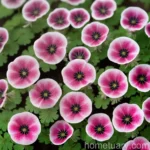
Plant Spotlight: Geranium ‘Ann Folkard’ (Cranesbill)
Plants are an integral part of our lives, offering beauty, functionality, and environmental benefits. One such plant that has gained popularity among gardeners and horticulturists is the Geranium ‘Ann Folkard’ (Cranesbill). In this blog post, we will delve into the various aspects of this stunning plant, including its characteristics, care tips, maintenance, and much more.
What is Geranium ‘Ann Folkard’ (Cranesbill)?
Geranium ‘Ann Folkard’, commonly known as Cranesbill, is a perennial flowering plant that belongs to the Geraniaceae family. This vibrant and versatile plant is renowned for its striking foliage and beautiful blooms, making it a popular choice for gardens, landscapes, and containers. The ‘Ann Folkard’ variety is particularly prized for its unique features and multiple landscape applications.
This plant’s botanical name, Geranium, originates from the Greek word ‘geranos,’ which means crane. This nomenclature is attributed to the plant’s seed capsule, which resembles the bill of a crane. The specific epithet ‘Ann Folkard’ honors the renowned English gardener and plantswoman, Ann Folkard, who has made significant contributions to the horticultural world.
Key Takeaways – Geranium ‘Ann Folkard’ (Cranesbill)
Before we dive into the specifics of Geranium ‘Ann Folkard’, let’s take a look at the key takeaways associated with this captivating plant:
- Characteristics: Unique foliage, vibrant blooms, and trailing habit.
- Growth: Upright growth and cascading form, making it ideal for landscapes and containers.
- Care Tips: Low maintenance, drought-tolerant, and adaptable to various growing conditions.
- Planting Guide: Prefers well-drained soil and moderate sunlight exposure.
- Maintenance: Minimal pruning requirements and moderate fertilization needs.
- Diseases: Relatively disease-resistant, but susceptible to certain fungal infections.
- Pests: Resistant to common pests such as deer, rabbits, and groundhogs.
- Companion Plants: Ideal companions for other perennials, shrubs, and ornamental grasses.
- Landscape Use: Suitable for borders, rock gardens, and as a groundcover.
- Container Gardening: Thrives in containers, hanging baskets, and window boxes.
- Propagation Methods: Can be propagated from seeds, division, and cuttings.
- Soil Requirements: Well-drained, fertile soil with a neutral to slightly acidic pH.
- Watering Needs: Moderate watering, avoiding waterlogged conditions.
- Sunlight Preferences: Prefers full sun to partial shade for optimal growth and flowering.
- Hardiness Zone: Adaptable to various hardiness zones, depending on the variety.
- Bloom Time: Offers abundant blooms during the spring and summer months.
- Flower Color: Varied range of vibrant colors, including purple, magenta, and pink.
- Foliage Description: Intricate, deeply lobed leaves with a lush green hue.
- Trailing Habit: Unique cascading growth, adding a graceful touch to landscapes.
- Low Maintenance Plant: Requires minimal care and attention once established.
- Drought-Tolerant: Exhibits resilience in dry and arid conditions.
- Frost Tolerance: Moderate tolerance to light frost, with proper winter care.
- Summer Bloomer: Flourishes during the warmer months, adding color to summer landscapes.
- Fall Foliage: Displays attractive foliage even as the seasons transition to fall.
- Pollinator Attraction: Attracts bees, butterflies, and other pollinators, contributing to garden biodiversity.
- Wildlife Garden Plant: Supports local wildlife and enhances ecological balance.
- Garden Design: Adds texture, color, and visual interest to diverse garden designs.
- Cascading Plant: Ideal for creating cascading effects in hanging containers and elevated gardens.
- Mound-Forming: Offers a distinctive mound-like growth habit, adding structure to landscapes.
- Rock Garden Favorite: Thrives in rock gardens, adding a natural and rugged appeal.
- Border Plant: Perfect for defining garden borders and creating seamless transitions.
- Fragrant Flowers: Some cultivars offer fragrant blooms, enhancing sensory appeal.
- Medicinal Properties: Historically used for medicinal purposes, particularly in herbal remedies.
- Culinary Uses: Some varieties are used as culinary herbs, adding flavor to dishes.
- Herbal Remedies: Used in traditional herbal medicine for various health benefits.
- Groundhog-Resistant: Repels groundhogs, protecting gardens from destructive behavior.
- Rabbit-Proof: Exhibits resistance to rabbit browsing, ensuring the protection of foliage.
- Deer-Resistant: Deters deer from feeding on the lush foliage, preserving garden aesthetics.
- Aphid Control: Natural resistance to aphids, reducing the need for pest management.
- Garden Tips: Practical tips and recommendations for successful cultivation and maintenance.
- Unique Features: Offers unique qualities and attributes that set it apart from other plants.
- Top Cultivars: Features a range of stunning cultivars, each with its distinct characteristics and appeal.
Now that we have outlined the key takeaways, let’s delve into the specifics of each aspect of Geranium ‘Ann Folkard’, offering insights and practical guidance for cultivating and enjoying this captivating plant.
Culture
Cultivating Geranium ‘Ann Folkard’ involves understanding its preferred growing conditions, maintenance requirements, and various cultural practices that contribute to its overall health and vibrancy. By adhering to the appropriate cultural guidelines, gardeners can ensure the optimal growth and performance of this delightful perennial.
Uses
Geranium ‘Ann Folkard’ boasts a myriad of uses, ranging from ornamental landscaping to functional and ecological contributions. Understanding the diverse applications of this plant allows gardeners to leverage its versatility and integrate it seamlessly into various garden settings.
Ornamental Value
One of the primary uses of Geranium ‘Ann Folkard’ is its ornamental value. The plant’s vibrant blooms, intricate foliage, and cascading habit make it a sought-after addition to gardens, landscapes, and container displays. Its ability to thrive in different settings, including borders, rock gardens, and hanging containers, highlights its adaptability and aesthetic appeal.
Functional Landscaping
Beyond its visual appeal, Geranium ‘Ann Folkard’ serves functional roles in landscaping. As a groundcover, it efficiently suppresses weed growth, limits soil erosion, and provides a lush carpet of foliage and blooms. Additionally, its trailing habit makes it an excellent choice for creating cascading effects in elevated gardens, retaining walls, and hanging baskets.
Ecological Contributions
From a ecological perspective, Geranium ‘Ann Folkard’ plays a crucial role in supporting biodiversity and enhancing garden ecosystems. Its attractive blooms and nectar-rich flowers attract pollinators such as bees and butterflies, contributing to the overall health of the garden and surrounding environment. Furthermore, the plant’s foliage offers shelter and foraging opportunities for beneficial insects and small wildlife.
Water
Water is a vital component of plant care, and understanding the specific watering needs of Geranium ‘Ann Folkard’ is essential for promoting healthy growth and flowering. Proper watering practices ensure that the plant receives adequate moisture without succumbing to waterlogging or drought stress.
Watering Guidelines
Geranium ‘Ann Folkard’ thrives in well-drained soil and prefers moderate watering. It is crucial to strike a balance, providing enough moisture to sustain healthy growth while preventing waterlogged conditions. During the active growing season, regular watering is recommended, particularly during dry spells or prolonged periods of heat.
Sunlight
Sunlight is a primary factor influencing the growth, blooming, and overall vitality of Geranium ‘Ann Folkard’. Understanding its sunlight preferences allows gardeners to strategically position the plant and optimize its exposure to light, thereby enhancing its performance and aesthetic appeal.
Sunlight Requirements
Geranium ‘Ann Folkard’ typically thrives in full sun to partial shade. When grown in regions with abundant sunshine, providing a location with partial shade during the hottest part of the day can mitigate the risk of heat stress and sun damage. On the other hand, in regions with limited sunlight, ensuring adequate exposure to natural light is essential for promoting robust growth and prolific flowering.
Fertilizer
Appropriate fertilization plays a pivotal role in sustaining the vigor and blooming capacity of Geranium ‘Ann Folkard’. By selecting suitable fertilizers and adhering to recommended application practices, gardeners can foster lush foliage and abundant blooms, contributing to the plant’s overall visual impact.
Fertilization Practices
When it comes to fertilizing Geranium ‘Ann Folkard’, a balanced approach is key. Applying a general-purpose, slow-release fertilizer in the spring, as new growth emerges, can provide the necessary nutrients to support healthy development. Additionally, incorporating organic matter into the soil during planting or as a topdressing can enhance the soil’s fertility and nourish the plant over time.
Soil
The soil forms the foundation for the growth and sustenance of Geranium ‘Ann Folkard’, and understanding its soil requirements is essential for establishing the ideal growing environment. By assessing the soil composition, pH levels, and drainage characteristics, gardeners can create a conducive setting for the plant to thrive.
Soil Composition
Geranium ‘Ann Folkard’ thrives in well-drained, fertile soil that offers a balance of moisture retention and aeration. A loamy soil texture with moderate organic content is ideal, providing a healthy substrate for the development of roots and the efficient uptake of nutrients. Additionally, ensuring good soil structure and incorporating organic matter can contribute to the soil’s overall health and vitality.
pH Levels
The plant generally thrives in neutral to slightly acidic soil with a pH range of 6.0 to 7.5. Conducting a soil test to gauge the pH levels and making appropriate adjustments, such as amending the soil with organic materials or pH modifiers, can create an optimal growing environment for Geranium ‘Ann Folkard’. Maintaining the recommended pH range supports nutrient availability and root health.
Pruning
Pruning techniques play a crucial role in shaping the growth and aesthetics of Geranium ‘Ann Folkard’. By employing proper pruning practices, gardeners can manage the plant’s size, encourage branching, and rejuvenate its appearance, ultimately contributing to its overall health and visual appeal.
Pruning Guidelines
Geranium ‘Ann Folkard’ generally requires minimal pruning, primarily focused on deadheading spent blooms and removing damaged or diseased foliage. Deadheading the plant promotes continuous blooming and prevents the formation of seed heads, directing the plant’s energy towards new growth and flower production. Additionally, periodic removal of dead or yellowing leaves maintains the plant’s aesthetics and reduces the risk of disease spread.
Propagation
Understanding the various propagation methods of Geranium ‘Ann Folkard’ empowers gardeners to expand their plant collection, share the plant with others, and rejuvenate established specimens. By exploring methods such as seed propagation and division, enthusiasts can propagate this delightful perennial with confidence.
Propagation Techniques
Geranium ‘Ann Folkard’ can be propagated using several methods, including division, cuttings, and seed sowing. Each technique offers unique advantages and considerations, allowing individuals to choose an approach that aligns with their preferences and resources. Division, typically performed in the spring, involves separating the plant’s root mass into distinct sections, each with viable roots and shoots. Cuttings, taken from healthy stems, can be rooted to generate new plants. Additionally, collecting and sowing seeds from mature seedheads can yield new seedlings, providing an alternative propagation method.
Container Popularity
Geranium ‘Ann Folkard’ has gained popularity as a container plant, offering versatility, visual appeal, and ease of maintenance. Its suitability for container gardening makes it an attractive choice for individuals seeking to adorn their outdoor living spaces with vibrant blooms and lush foliage.
Container Gardening Benefits
When grown in containers, Geranium ‘Ann Folkard’ offers several benefits, ranging from its decorative value to its adaptability in various settings. Container gardening allows individuals to showcase the plant on patios, balconies, and other outdoor areas, adding color and visual interest to these spaces. Moreover, the portable nature of containers enables gardeners to move the plants as needed, optimizing their exposure to sunlight and ideal growing conditions.
Common Diseases
Though relatively resilient, Geranium ‘Ann Folkard’ is susceptible to certain diseases and infections that can impact its overall health and appearance. Recognizing common diseases and understanding preventive measures empowers gardeners to safeguard their plants and promote long-term vitality.
Disease Diagnosis
Common diseases that may affect Geranium ‘Ann Folkard’ include fungal infections such as powdery mildew and botrytis blight. Powdery mildew manifests as a powdery white substance on the plant’s foliage, while botrytis blight causes gray mold and decay. Prompt diagnosis and intervention, such as removing affected plant parts and employing preventive measures like adequate air circulation and controlled watering, are essential for managing these diseases and preventing their spread.
Common Pests
Though resistant to many pests, Geranium ‘Ann Folkard’ may encounter occasional pest challenges that necessitate proactive management measures. Understanding common pests and implementing appropriate control strategies can mitigate potential damage and preserve the plant’s health and aesthetics.
Pest Prevention
Some common pests that may target Geranium ‘Ann Folkard’ include aphids, which feed on the plant’s sap and can lead to distorted growth and wilting. Implementing preventive measures such as regular monitoring, natural predator releases, and horticultural oil applications can help deter aphid infestations and maintain the plant’s vitality. Furthermore, maintaining a clean and healthy growing environment minimizes pest attractants and fosters resistance to infestations.
Botanist’s Tips
The cultivation and enjoyment of Geranium ‘Ann Folkard’ are enriched by insights and recommendations from botanical experts and experienced gardeners. Employing best practices and leveraging botanist’s tips enhances the overall success and satisfaction in growing and caring for this charming plant.
Cultivation Wisdom
Botanists recommend cultivating Geranium ‘Ann Folkard’ in well-drained soil enriched with organic matter to promote robust growth and flowering. Additionally, providing the plant with adequate sunlight, regular monitoring for pests and diseases, and judicious watering practices are emphasized to ensure its long-term health and performance. By incorporating these insights into cultivation practices, gardeners can foster thriving specimens that enrich their outdoor spaces.
Fun Facts
Discovering the captivating qualities and interesting facts about Geranium ‘Ann Folkard’ adds depth and appreciation to the plant’s significance. Embracing these fun facts allows individuals to develop a deeper connection with the plant and celebrate its unique attributes.
Intriguing Qualities
- The ‘Ann Folkard’ variety of Geranium is distinguished by its vibrant, purple-magenta blooms and deeply lobed, attractive foliage.
- This perennial plant showcases a trailing habit, adding a graceful and cascading effect to landscapes and container displays.
- Apart from its ornamental value, Geranium ‘Ann Folkard’ holds historical significance, with its uses in traditional herbal medicine and culinary applications.
- The plant’s resilience and adaptability, including its low maintenance requirements and wildlife-friendly characteristics, contribute to its enduring appeal among gardeners and horticultural enthusiasts.
Links to External Resources
- Royal Horticultural Society – Geranium ‘Ann Folkard’
- University of Vermont Department of Plant and Soil Science – Geranium ‘Ann Folkard’
- Missouri Botanical Garden – Geranium ‘Ann Folkard’
In conclusion, Geranium ‘Ann Folkard’ (Cranesbill) stands as a captivating and versatile perennial plant that enriches gardens, landscapes, and container displays. Its unique characteristics, low maintenance requirements, and wide range of applications make it a cherished addition to diverse outdoor settings. By embracing the insights and guidelines presented in this blog post, enthusiasts can cultivate, enjoy, and celebrate the enduring beauty of this exceptional plant.
Note: The content in this blog post is for informational purposes and does not serve as professional gardening advice. It is recommended to consult local horticultural experts and resources for region-specific guidance on plant cultivation and care.
Disclaimer: This document does not intend to provide specific advice. The information is for educational purposes only.