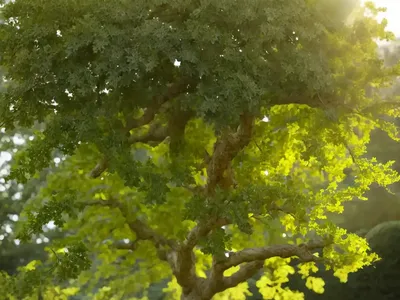
Garry Oak (Quercus Garryana)
Garry Oak (Quercus Garryana) is a remarkable tree species native to the Pacific Northwest, particularly prevalent in Washington State. With its ecological.
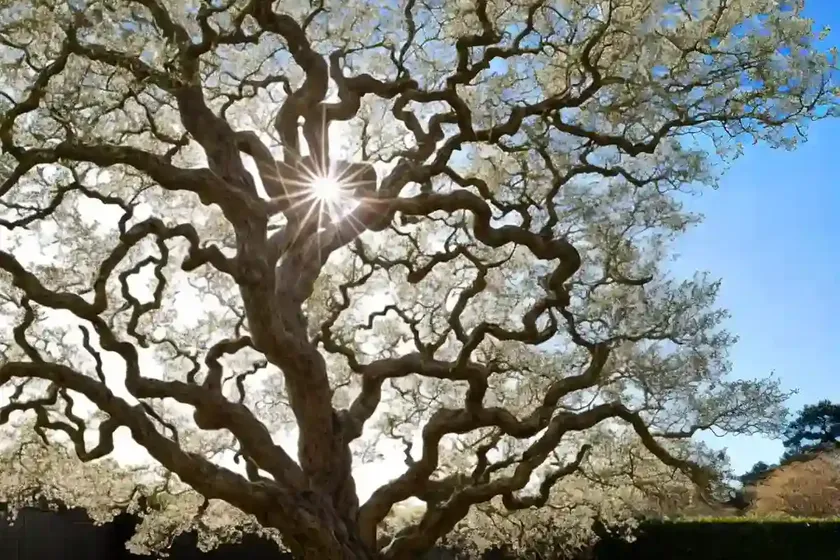
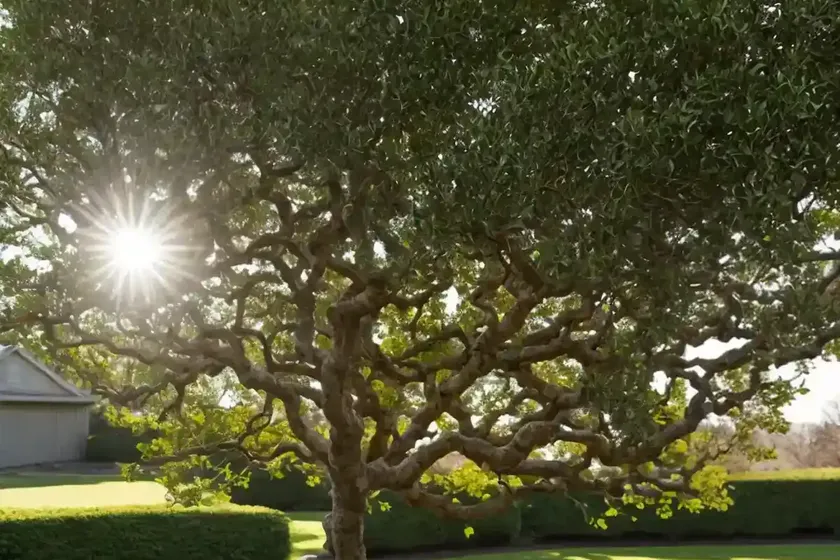
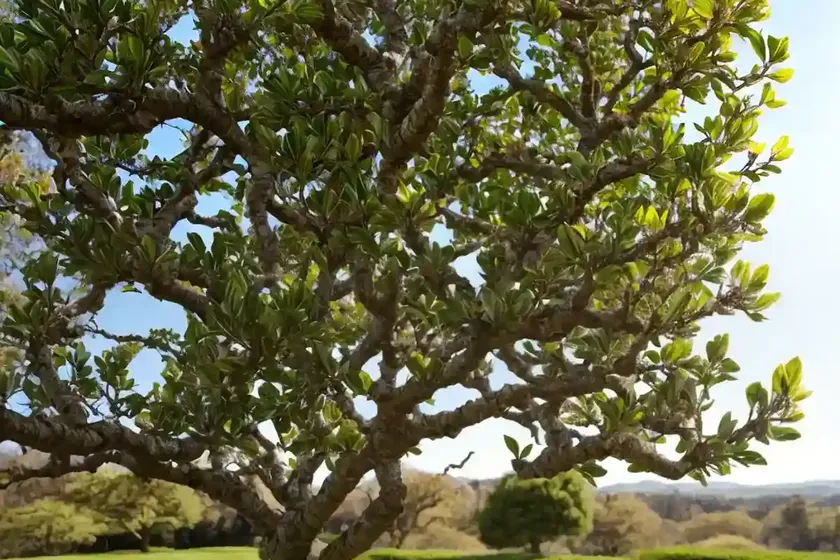
Garry Oak (Quercus Garryana) is a remarkable tree species native to the Pacific Northwest, particularly prevalent in Washington State. With its ecological significance, cultural value, and unique characteristics, the Garry Oak tree has garnered attention from botanists, conservationists, and enthusiasts alike. This guide aims to provide an in-depth understanding of the Garry Oak, spanning its culture, uses, habitat, conservation efforts, and much more.
What is Garry Oak (Quercus Garryana)?
Taxonomy and Identification
The Garry Oak, scientifically known as Quercus Garryana, belongs to the genus Quercus in the family Fagaceae. It is a deciduous tree characterized by its lobed and toothed leaves, deeply furrowed bark, and acorns. The species exhibits remarkable variability in leaf morphology, bark patterns, and growth habits across its wide range.
Habitat and Range
Garry Oaks are mainly found in the Garry Oak ecosystems of the Pacific Northwest, covering regions of Washington State, Oregon, and British Columbia, Canada. These trees thrive in diverse habitats, from open woodlands to urban environments, contributing to the region’s ecological diversity.
Importance in Ecosystems
The Garry Oak plays a crucial ecological role, providing habitat and sustenance for various wildlife species, supporting pollinators, and participating in carbon sequestration. Its significance in biodiversity conservation and wildlife habitat restoration cannot be overstated.
Cultural and Historical Significance
Beyond its ecological importance, the Garry Oak holds cultural and historical value for indigenous communities, representing strength, resilience, and traditional knowledge. Its wood also holds significance in construction and traditional crafts.
Key Takeaways – Garry Oak (Quercus Garryana)
Garry Oak Characteristics
- Considerable variability in leaf morphology and bark patterns
- Important role in biodiversity, wildlife habitat, and carbon sequestration
- Cultural and historical significance, especially to indigenous communities
Conservation Status
- Designated as an endangered species in some areas
- Subject to conservation efforts to protect and restore Garry Oak ecosystems
Habitat Adaptability
- Thrives in diverse habitats, from open woodlands to urban environments
- Acts as a fire-resistant species due to its adaptation to fire
By delving into the cultivation, uses, and conservation efforts related to the Garry Oak, we can gain valuable insights into preserving this essential species and its associated ecosystems.
Culture
Uses of Garry Oak
The Garry Oak offers a multitude of uses, ranging from ecological to cultural and commercial applications.
Ecological Importance
- Provides habitat for a variety of wildlife species, including birds, insects, and small mammals
- Supports pollinators, contributing to the overall health of ecosystems
- Determines the ecological composition of Garry Oak ecosystems, influencing the presence of other plant species and wildlife
Cultural Significance
- Holds traditional and cultural value for indigenous communities
- Utilized in traditional crafts, woodworking, and construction
Commercial Applications
- Garry Oak wood is revered for its strength, durability, and beautiful grain patterns, making it a sought-after material for furniture, flooring, and architectural elements
- The acorns serve as a vital food source for wildlife and have historically been used by indigenous peoples
Care Guide
Water
Garry Oaks, although hardy and adaptable, benefit from regular watering, especially during periods of drought or in urban environments with compacted soils.
- Established Trees: Water deeply and infrequently, allowing the soil to dry out between watering sessions
- Young Trees: Require regular watering to facilitate establishment, especially during the first few years after planting
Sunlight
Garry Oaks are inherently sun-loving trees, thriving in full sun conditions. While they can tolerate partial shade, maximizing sunlight exposure promotes optimal growth and leaf development.
- Ideal Conditions: Plant in open, sunny locations with well-draining soil for best results
- Tolerances: Can withstand mild shade but may exhibit reduced growth and vigor in such conditions
Fertilizer
In general, Garry Oaks do not require extensive fertilization if grown in native or well-balanced soils. However, supplemental feeding can be beneficial in certain scenarios.
- Established Trees: Minimal to no fertilization required in native or nutrient-rich soils
- Young Trees: Application of a balanced, slow-release fertilizer in early spring can support healthy growth and establishment
Soil
The Garry Oak is relatively adaptable to various soil types but thrives in well-draining, nutrient-rich soils. Understanding its soil preferences is critical for successful cultivation.
- Preferred Soil: Well-draining, loamy soils with adequate organic matter content
- pH Tolerance: Shows adaptability to a wide pH range, but neutral to slightly acidic soils are generally preferred
Pruning
Pruning Garry Oaks is generally minimal, primarily focusing on the removal of dead or damaged branches and regulatory shaping.
- Timing: Prune during the dormant season to minimize stress and promote rapid healing
- Pruning Goals: Remove dead, diseased, or crossing branches; shape the tree modestly to maintain a balanced structure
Propagation
Propagating Garry Oaks can be achieved through various methods, including seed propagation, cuttings, and air layering.
- Seed Propagation: Harvest and sow acorns in a well-prepared seedbed for germination and growth
- Cuttings: Softwood or hardwood cuttings can be utilized for vegetative propagation
- Air Layering: Suitable for specific cultivars or to propagate mature trees with desirable traits
Container Popularity
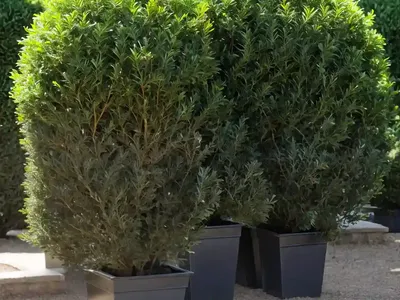
While Garry Oaks are predominantly grown in open landscapes and woodlands, they can also thrive in large containers or planters.
- Container Sizing: Choose spacious, deep containers to accommodate the tree’s root system
- Soil Selection: Opt for well-draining, high-quality potting mixes to promote healthy growth and prevent waterlogging
Common Diseases
Garry Oaks are generally resilient to many diseases but can be susceptible to certain ailments under unfavorable conditions.
Disease Diagnosis
- Powdery Mildew: Characterized by a white, powdery growth on leaves, often occurring in humid conditions
- Anthracnose: Leads to brown lesions and leaf distortion, particularly prevalent during prolonged wet periods
- Root Rot: Caused by waterlogged or poorly drained soils, leading to root damage and decline
Common Pests
While Garry Oaks are relatively pest-resistant, certain insects and pathogens can pose occasional challenges.
- Gypsy Moth: Larvae can defoliate oak trees if populations are not managed effectively
- Oak Worms: Feeding damage by caterpillars can impact tree health, especially in large infestations
- Scale Insects: Sap-feeding insects that can lead to weakened growth if populations are left unchecked
Botanist’s Tips
Maintenance and Care
- Regularly monitor for signs of stress, such as leaf discoloration, wilting, or unusual growth patterns
- Provide adequate airflow and space between trees to minimize the risk of fungal diseases
Support Wildlife Habitat
- Promote wildlife-friendly practices in Garry Oak ecosystems, including the preservation of dead wood and snags for wildlife shelter
- Encourage the use of native plant species to enhance the overall biodiversity and ecological value of Garry Oak habitats
Conservation Efforts
- Engage in local conservation initiatives and habitat restoration projects to protect Garry Oak ecosystems
- Participate in community-based efforts to raise awareness about the ecological significance of Garry Oaks and their associated habitats
Fun Facts
- The Garry Oak boasts a diverse leaf shape, with variations ranging from deeply lobed to almost un-lobed, contributing to its unique visual appeal
- Indigenous cultures revered the Garry Oak for its strength and resilience, incorporating its symbolism into traditions and crafts
- Garry Oaks have adapted to survive in fire-prone landscapes, showcasing impressive fire resistance and regeneration capabilities
Links to External Resources
For a deeper understanding of the Garry Oak (Quercus Garryana) and its significance, consider exploring the following resources:
- Garry Oak Ecosystems Recovery Team
- Washington State Department of Natural Resources – Garry Oak Woodlands
- BC Ministry of Environment and Climate Change Strategy – Garry Oak Ecosystems
- The Wildlife Tree Committee – Garry Oak Trees and Wildlife
- Arboretum Foundation – Garry Oak Restoration
In conclusion, the Garry Oak (Quercus Garryana) stands as a symbol of strength, resilience, and ecological importance in the Pacific Northwest. By understanding its culture, care requirements, and conservation significance, we can actively contribute to the preservation and appreciation of this remarkable tree species.
The information provided in this blog post is intended for educational and informational purposes only and should not be considered as professional advice. When cultivating or managing Garry Oaks, consult with local horticultural experts and conservation organizations for tailored guidance.