All You Need to Know About the Green Pillar Pin Oak (Quercus palustris ‘Pringreen’)
Introduction
When it comes to adding character and beauty to our landscapes, trees play an integral role. Among the diverse range of trees available, the pin oak (Quercus palustris) stands out for its majestic presence and vibrant foliage. The ‘Pringreen’ cultivar, popularly known as the Green Pillar, is particularly prized for its striking columnar form, making it an excellent choice for limited garden spaces or urban areas. In this comprehensive guide, we will delve into the various facets of the Green Pillar pin oak, focusing on its characteristics, growth requirements, care tips, and much more.
Pin Oak (Quercus palustris ‘Pringreen’) – Overview
The pin oak, scientifically known as Quercus palustris, is a species of oak native to eastern North America. Its distinctively shaped leaves, slender, upright form, and adaptability to various soil types make it a sought-after choice for landscapes. The ‘Pringreen’ cultivar, commonly referred to as the Green Pillar, is a specific selection of pin oak that exhibits a particularly narrow, columnar growth habit, making it an ideal choice for small spaces or as a street tree. This unique characteristic sets it apart from the typical sprawling form of the species.
Key Takeaways: Green Pillar Pin Oak (Quercus palustris ‘Pringreen’)
- Pin Oak Characteristics
- Scientific Name: Quercus palustris ‘Pringreen’
- Common Name: Green Pillar Pin Oak
- Growth Habit: Columnar
-
Foliage: Distinctive lobed leaves, turning scarlet in the fall
-
Quercus palustris ‘Pringreen’ Overview
- A specific cultivar of pin oak with a columnar growth habit
- Ideal for small spaces and urban environments
-
Native to eastern North America
-
Green Pillar Plant Information
- Well-suited for limited garden spaces
- Unique, upright form distinguishes it from the typical pin oak
Now, let’s explore the essential elements of caring for and cultivating the Green Pillar pin oak, including its cultural requirements, uses in landscaping, maintenance tips, and potential challenges such as diseases and pests.
Culture
Water
Proper watering is crucial for the healthy establishment and growth of the Green Pillar pin oak. While the tree exhibits a moderate tolerance to occasional drought once established, adequate and consistent moisture is essential, particularly during the initial establishment period and prolonged dry spells. When watering, focus on delivering deep, thorough irrigation to penetrate the entire root zone, promoting robust root development and overall tree health.
Sunlight
Green Pillar pin oaks thrive in full sunlight, displaying their best growth and foliage coloration when provided with ample sun exposure. When selecting a planting site, prioritize locations that receive at least 6-8 hours of direct sunlight daily. An abundance of sunlight not only promotes vigorous growth but also enhances the development of the tree’s vibrant fall foliage, showcasing its signature scarlet hues.
Fertilizer
Appropriate fertilization plays a vital role in supporting the growth and vigor of the Green Pillar pin oak. Utilize a balanced, slow-release fertilizer formulated for trees to provide essential nutrients without inducing excessively rapid growth. Apply the fertilizer in early spring before new growth emerges, ensuring even distribution and thorough watering to facilitate nutrient absorption.
Soil
The Green Pillar pin oak adapts well to a variety of soil types, thriving in moist, well-drained soils with a slightly acidic to neutral pH range. It can tolerate occasional brief periods of flooding but does not thrive in consistently waterlogged conditions. Prioritize soil that promotes good drainage and avoid planting in compacted or excessively clayey soils, which can impede root development.
Pruning
Regular pruning is essential for maintaining the desired columnar form of the Green Pillar pin oak, particularly during its early years. Focus on removing any competing or crossing branches to establish a strong central leader and promote upward growth. Additionally, periodic pruning can address any dead, damaged, or diseased branches, enhancing the overall health and appearance of the tree.
Propagation
Propagation of the Green Pillar pin oak is commonly achieved through grafting or rooted cuttings, utilizing healthy, disease-free plant material to maintain the desirable characteristics of the cultivar. Grafting onto compatible rootstock or propagating from semi-hardwood cuttings can yield successful results, allowing for the expansion of this unique and sought-after cultivar.
Container Popularity
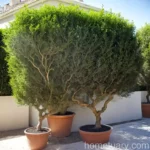
The Green Pillar pin oak’s columnar growth habit makes it a popular choice for container planting in both residential and commercial settings. Its upright form and vibrant foliage can add a vertical element to outdoor spaces, such as patios, balconies, and entranceways, enhancing the visual appeal and introducing a touch of nature to confined areas.
Common Diseases
Disease Diagnosis
While the Green Pillar pin oak is generally resilient, it may be susceptible to certain diseases, including oak wilt, anthracnose, and powdery mildew. Regular monitoring for symptoms such as leaf discoloration, wilting, or unusual spots can aid in early disease detection, allowing for timely intervention and management to mitigate potential impacts on the tree’s health.
Common Pests
The Green Pillar pin oak may encounter pests such as oak lace bugs, gypsy moths, and scale insects. Vigilant observation of the tree’s foliage and bark can assist in the early identification of pest infestations, facilitating appropriate remedial actions to prevent significant damage and preserve the tree’s well-being.
Botanist’s Tips
- Vigorous Watering: Ensure thorough irrigation, especially during the establishment phase, to promote strong root development and resilience to drought conditions.
- Sunlight Optimization: Select planting locations that receive abundant sunlight to support the tree’s growth and enhance its striking foliage display in the fall.
- Regular Pruning: Implement consistent pruning to maintain the Green Pillar pin oak’s columnar form and remove any potentially detrimental or diseased branches.
Fun Facts
- The Green Pillar pin oak’s vibrant red fall foliage adds a stunning visual accent to landscapes, particularly in autumn.
- Its narrow, upright growth habit makes it an ideal choice for urban environments and locations with limited space.
Links to External Resources
To delve deeper into the care and cultivation of the Green Pillar pin oak, consider exploring the following external resources:
- The American Conifer Society
- Tree Care Industry Association
- Arbor Day Foundation
- North American Plants
In conclusion, the Green Pillar pin oak represents a captivating addition to landscapes, boasting its distinctive columnar growth habit and captivating fall foliage. By adhering to its specific cultural requirements, addressing potential diseases and pests, and embracing its unique characteristics, plant enthusiasts can cultivate and appreciate the striking beauty of this exceptional cultivar. Whether it adorns urban streetscapes, residential gardens, or commercial properties, the Green Pillar pin oak stands tall as a testament to the enduring allure of trees within our natural surroundings.