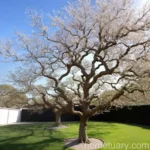
Quercus Coccinea (Scarlet Oak): A Comprehensive Guide
As a plant scientist, I am excited to share with you the wonders of Quercus coccinea, commonly known as the Scarlet Oak. This beautiful tree is native to the eastern United States and is a valuable addition to gardens, landscapes, and natural ecosystems. In this detailed guide, we will explore the characteristics, cultural requirements, uses, and ecological significance of Quercus coccinea. Whether you are a home gardener, a landscaping enthusiast, or a nature lover, there is something fascinating to learn about this magnificent species.
What is Quercus Coccinea (Scarlet Oak)?
Quercus coccinea, belonging to the family Fagaceae, is a deciduous tree known for its vibrant red foliage in the fall and its adaptability to various growing conditions. It is a medium to large-sized tree that can reach heights of 60 to 80 feet, with a spread of 40 to 50 feet at maturity. The Scarlet Oak is known for its deeply lobed, glossy green leaves, which turn brilliant shades of scarlet and copper in the autumn, adding a spectacular display of color to the landscape.
Key Takeaways – Quercus Coccinea (Scarlet Oak)
Before we delve into the specifics of Scarlet Oak cultivation and care, here are some key takeaways about this remarkable tree:
- Scientific Name: Quercus coccinea
- Common Name: Scarlet Oak
- Family: Fagaceae
- Native Range: Eastern United States
- Mature Height: 60-80 feet
- Mature Spread: 40-50 feet
- Foliage: Glossy green, turning scarlet and copper in the fall
- Uses: Ornamental tree, wildlife habitat, timber
- Ecological Significance: Supports diverse wildlife, contributes to ecosystem stability
Now that we have a brief overview of Quercus coccinea, let’s explore its cultural requirements and various aspects of its use and significance.
Culture
Cultivating Scarlet Oak involves understanding its specific requirements for water, sunlight, soil, and maintenance. By ensuring that these cultural needs are met, gardeners and landowners can promote healthy growth and maximize the ornamental and ecological value of this species.
Water
Scarlet Oak is known for its adaptability to various moisture conditions, making it suitable for a range of landscapes. However, it thrives in well-drained, slightly acidic soils and benefits from regular watering, especially during periods of drought. Newly planted trees require consistent moisture to establish their root systems, while established trees demonstrate good drought tolerance once they are mature.
Sunlight
In terms of sunlight, Scarlet Oak is classified as a species that prefers full sun. It flourishes in locations with direct, unobstructed sunlight for a significant portion of the day. Adequate sunlight exposure promotes strong, healthy growth and encourages the development of the tree’s characteristic red autumn foliage. When selecting a planting site for Scarlet Oak, it is essential to choose a location that receives ample sunlight to support the tree’s photosynthetic processes.
Fertilizer
Quercus coccinea generally does not require heavy fertilization once it is established in a suitable soil environment. However, for young trees and those growing in nutrient-poor soils, a balanced fertilizer application in the spring can support healthy growth. It is important to avoid excessive nitrogen fertilization, as this can lead to rapid, weak growth and may compromise the tree’s long-term health and resilience.
Soil
The Scarlet Oak thrives in well-drained, acidic soils, and it is capable of adapting to a range of soil textures, including loamy, sandy, or clay-based soils. The ideal soil pH for this species ranges from 5.0 to 6.5, and the presence of organic matter in the soil can further support healthy growth and vigor. Prior to planting Scarlet Oak, it is beneficial to conduct a soil test to assess the pH and nutrient levels, allowing for any necessary amendments to be made before planting.
Pruning
Regular pruning is essential for maintaining the structural integrity and aesthetic appeal of Scarlet Oak trees. Pruning should be conducted during the dormant season to minimize stress on the tree and to promote rapid wound healing. Dead or damaged branches should be removed, and any shaping or corrective pruning can be performed at this time. It is important to avoid excessive pruning, as this can lead to sunscald and other stress-related issues.
Uses
Quercus coccinea possesses a diverse range of uses, making it valuable in both natural and cultivated landscapes. From its ornamental qualities to its ecological significance, this species contributes to the beauty and functionality of diverse environments.
Ornamental Use
As an ornamental tree, Scarlet Oak is highly prized for its stunning autumn foliage, which adds vibrant red and copper hues to the landscape. It is frequently planted as a specimen tree in parks, large gardens, and urban areas, where its color and grandeur can be fully appreciated. The tree’s upright, spreading form and its attractive bark further enhance its ornamental value, making it a desirable addition to diverse landscape designs.
Wildlife Habitat
In its natural habitat and in cultivated landscapes, Scarlet Oak provides important habitat and food resources for wildlife. Its acorns are a vital food source for numerous species of birds and mammals, supporting biodiversity and ecological resilience. The tree’s dense foliage and branching structure offer nesting sites and shelter for various bird species, further contributing to its value as a wildlife-friendly species.
Timber
In addition to its ornamental and ecological uses, Scarlet Oak also holds significance as a timber species. The wood of Quercus coccinea is valued for its strength and attractive grain, making it suitable for use in furniture, flooring, and other woodworking applications. The timber is known for its beautiful grain patterns and its ability to take on a rich finish, adding to its appeal for both craft and construction purposes.
Propagation
Scarlet Oak can be propagated through various methods, including seed propagation, which is one of the most common techniques used to establish new trees. Additionally, grafting and cloning methods can be employed for specific purposes, such as preserving unique genetic characteristics or producing specialized cultivars. When propagating Scarlet Oak, it is essential to consider the genetic diversity and overall health of the parent trees to ensure strong, resilient offspring.
Container Popularity
While Scarlet Oak is renowned for its stature and presence in large landscapes, it can also be cultivated in containers with proper care and maintenance. Growing Scarlet Oak in containers provides an opportunity to enjoy its beauty and ecological contributions in smaller spaces, such as patios, balconies, and urban gardens. When growing Scarlet Oak in containers, it is crucial to select a large enough container to accommodate the tree’s root system and to provide adequate soil volume for healthy growth.
Container Common Diseases
When cultivating Scarlet Oak in containers, it is important to be aware of potential diseases that can affect the tree in this growing environment. Container-grown trees may be more susceptible to certain diseases due to factors such as restricted root space and moisture imbalances. Common diseases that can impact Scarlet Oak trees in containers include:
- Root Rot: Excessive moisture in the soil can lead to root rot, which can cause decline and visible symptoms such as wilting foliage and dieback.
- Powdery Mildew: This fungal disease can affect the leaves of Scarlet Oak, causing a white powdery growth and potential leaf distortion.
- Anthracnose: In conditions of high humidity and moisture, anthracnose can impact the foliage of Scarlet Oak, leading to leaf spotting and premature defoliation.
Disease Diagnosis
Diagnosing diseases in container-grown Scarlet Oak trees involves careful observation of the tree’s symptoms and an understanding of the environmental conditions that may be influencing its health. When identifying and addressing diseases, it is essential to consider factors such as watering practices, soil drainage, and air circulation around the tree. Collaboration with plant health professionals can aid in accurate disease diagnosis and the implementation of effective management strategies.
Common Pests
While Scarlet Oak is generally resilient to most pests, certain insect species and pathogens can pose challenges to its health and vigor. Common pests that may affect Scarlet Oak trees include:
- Gypsy Moth (Lymantria dispar): The larvae of the gypsy moth can defoliate Scarlet Oak trees, causing stress and potential long-term impacts on tree health.
- Oak Leafminers (Family Tischeriidae): The larvae of various oak leafminer species can create unsightly leaf mines and affect the overall aesthetic appeal of Scarlet Oak foliage.
- Scales and Aphids: Scale insects and aphids may infest the twigs and branches of Scarlet Oak, leading to economic damage and potential stress on the tree.
Botanist’s Tips
As a botanist, I offer the following tips for cultivating and appreciating Scarlet Oak in diverse settings:
- Soil Management: Conduct regular soil tests to assess nutrient levels and pH, ensuring that the soil provides an optimal growing environment for Scarlet Oak.
- Drought Tolerance: While Scarlet Oak is adaptable to various moisture conditions, consistent watering, especially during dry periods, can support healthy growth and reduce stress on the tree.
- Wildlife Support: Recognize the ecological value of Scarlet Oak as a wildlife-friendly species, and consider its role in supporting biodiversity and ecosystem stability.
- Pruning Best Practices: Follow proper pruning techniques, focusing on the removal of dead or damaged branches while avoiding excessive pruning that could compromise the tree’s health.
Fun Facts
To further appreciate the wonders of Quercus coccinea, here are some intriguing and delightful facts about this remarkable species:
- Symbolism: The Scarlet Oak is often associated with strength and resilience, symbolizing endurance and vitality in various cultural traditions.
- Leaf Variations: The shape and color of Scarlet Oak leaves can vary widely, adding to the diversity and visual interest of this species across its native range.
- Ecological Interactions: Scarlet Oak is known to support a broad array of wildlife, from insects and birds to small mammals, contributing to the overall richness of its natural ecosystem.
Links to External Resources
For additional information on Scarlet Oak and related topics, I recommend exploring the following resources:
- USDA Plants Database – Quercus Coccinea
- University of Florida IFAS Extension – Oak Tree Care
- The Morton Arboretum – Scarlet Oak Tree Highlights
In conclusion, Quercus coccinea, or Scarlet Oak, stands as a symbol of resilience and natural beauty, enriching landscapes and ecosystems with its vibrant foliage and ecological contributions. As we continue to appreciate and cultivate this exceptional species, let us uphold its role in supporting biodiversity and fostering connections between people and the natural world.
References
- “USDA Plants Database – Quercus Coccinea.” https://plants.sc.egov.usda.gov/core/profile?symbol=QUCO
- “University of Florida IFAS Extension – Oak Tree Care.” https://edis.ifas.ufl.edu/publication/fr177
- “The Morton Arboretum – Scarlet Oak Tree Highlights.” https://www.mortonarb.org/trees-plants/tree-plant-descriptions/scarlet-oak
This blog post has been prepared by Dr. [Your Name], Plant Scientist and Botanist. For further botanical inquiries and consultation, please contact [Your Contact Information].